
In brief: If your wood stove is smoking, the cause is often a cold chimney, damp wood or an incorrect lighting technique. A fire that goes out usually indicates an insufficient air supply or unsuitable firewood. Make sure the wood is dry and the air vents are set correctly.
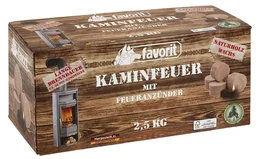
A crackling fire provides cozy warmth and creates an incomparable atmosphere. But the comfort comes to an abrupt end when smoke enters the living room or the fire keeps going out. The good news is that the cause is usually not a serious fault, but a small operating mistake that you can easily fix yourself. The first step toward the perfect fire begins when you light it. Forget crumpled newspaper. The right firelighter ensures a quick, clean start. With a Kaminfeuer Firelighter XXL (), you can easily light a strong flame that creates the necessary chimney draft from the start.
Why is my wood stove smoking into the room?
When smoke takes the wrong path, it is not only unpleasant but also unhealthy. The most common causes involve a combination of temperature, air pressure and lighting method.
Mistake 1: Lighting the fire from underneath
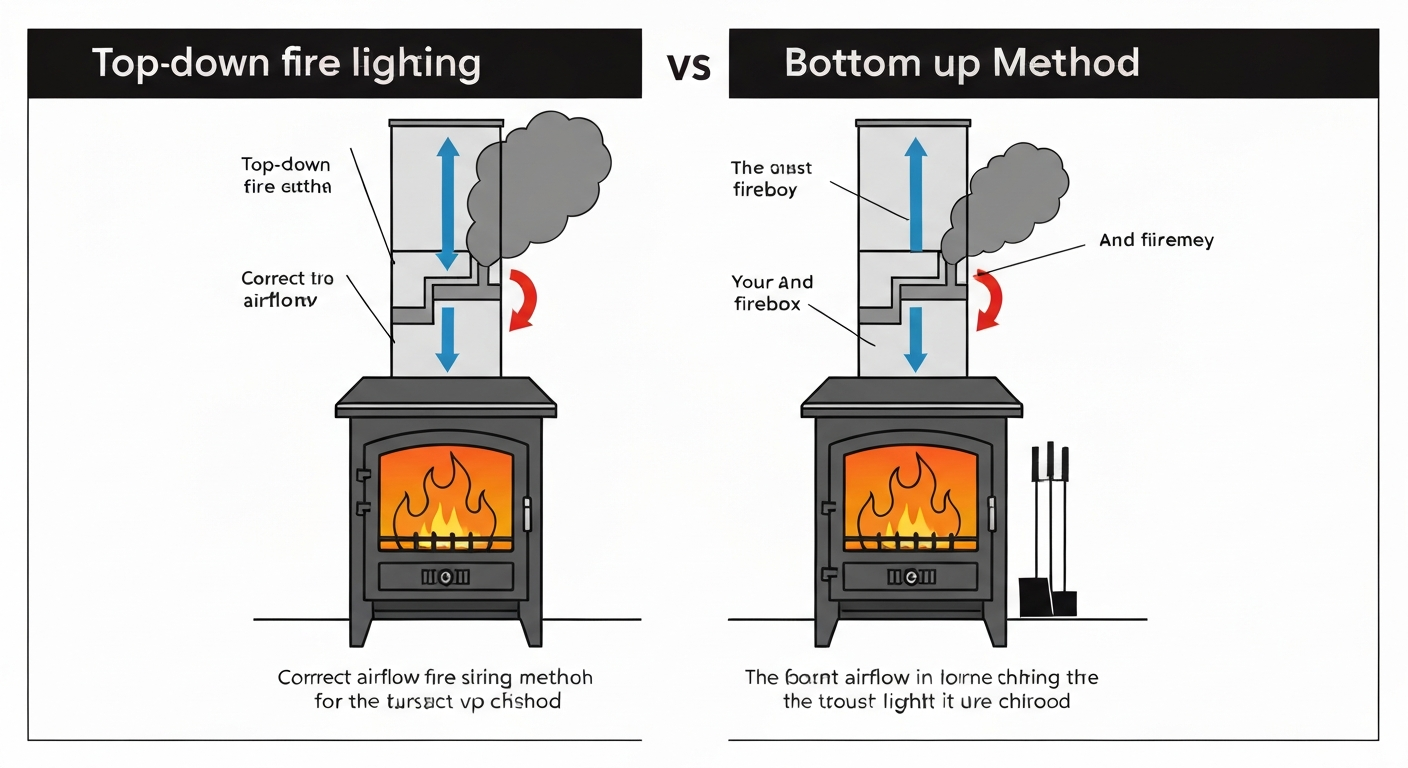
Many people learn to build a fire from the bottom up: newspaper, kindling, then larger logs. This method initially produces a lot of smoke, which meets cold air in the chimney and is pushed back down. The modern, cleaner method is lighting from the top, also known as the “top-down” or “Swiss” method.
Here’s how it works:
- Place two or three larger logs parallel to each other on the floor of the firebox.
- Stack a layer of smaller logs crosswise on top.
- Place kindling and one or two firelighters at the very top, such as the Kaminfeuer Firelighter XXL ().
- Light the firelighter and close the stove door.
The fire slowly burns downward from the top. The hot gases immediately warm the chimney and create a strong draft. The smoke is drawn straight upward instead of collecting in the firebox.
Additional advice
Lighting from the top not only reduces initial smoke, but also burns the wood gases more efficiently. The result is cleaner combustion, less particulate matter and reduced creosote buildup in the chimney.
Mistake 2: A cold chimney prevents proper draft
Especially on cold days or when the wood stove has not been used for a long time, the chimney can contain a column of cold, heavy air. This blocks the path of the lighter, warm smoke. The smoke backs up and billows out of the stove door into the room. You need to clear this cold-air blockage before starting the fire.
A simple solution is a “priming fire.” Hold a lit piece of newspaper, a special firelighter or a small gas burner near the flue outlet at the top of the firebox for about one to two minutes. The rising heat warms the column of air in the chimney and reverses the airflow. You can often tell the draft is starting when you hear a faint hiss. You can then light the stack of logs as usual.
Mistake 3: Unfavorable weather conditions
The weather also has a major influence on your chimney’s draft. Strong winds can create downdrafts that push air down into the chimney from above and force smoke back into the living room. A temperature inversion can have a similar effect: a layer of cold air above warmer air blocks the smoke outlet like a lid.
In these conditions, there is little you can do in the short term besides wait. In the long term, extending the chimney or installing a special rain cap with wind protection can help stabilize the draft.
A well-planned chimney is essential. Its height and diameter must be precisely matched to the connected wood stove. Many draft problems can be traced back to incorrect sizing.
Why does the fire keep going out?
A fire that keeps dying down is incredibly frustrating. Usually, it is missing one of two essentials: good fuel or enough oxygen.
Mistake 4: Firewood that is too damp or unsuitable
This is the most common cause of a poorly burning fire. Freshly felled wood contains up to 60 % water. When you burn it, the fire’s energy must first evaporate this water. This cools the firebox, nearly smothers the fire, creates heavy smoke and produces very little heat. In addition, the resulting water vapor mixes with soot and forms sticky, tar-like creosote deposits in the chimney, increasing the risk of a chimney fire.
Use only air-dried logs with a residual moisture content below 20 %. 15 % is ideal. The wood should be stored for at least two years in a well-ventilated place protected from rain. The right garden equipment, such as a log rack, is essential. Cover the top of the woodpile, but leave the sides open so air can circulate. A mesh tarp works well as a cover because it is durable and breathable.
Important note
Never burn treated, painted or pressure-treated wood, particleboard or trash. Burning these materials produces highly toxic fumes and corrosive acids that can permanently damage your wood stove and chimney. It is also prohibited by law.
Mistake 5: Insufficient air supply
A fire needs oxygen to burn—and plenty of it. Modern wood stoves have sophisticated air-control systems, usually with primary and secondary air controls.
- Primary air: Enters from below through the grate and is mainly needed while lighting the fire, when the vents should be fully open.
- Secondary air: Usually flows down along the glass (airwash) and ensures clean secondary combustion of the wood gases. This is the main air supply during operation.
If you reduce the air supply too soon, the fire will smolder and go out. The flame becomes small and dark, and a lot of soot builds up. After lighting the fire or adding logs, give it enough time to reach a high temperature before gradually reducing the air supply.
Pro tip
To roughly check the moisture content of wood without a meter, knock two logs together. Dry wood makes a bright, clear sound, almost like a xylophone. Damp wood sounds dull and flat. Deep cracks on the cut ends of the wood are another sign.
How can I spot mistakes when using my wood stove?
Your wood stove communicates with you. Certain signs can tell you whether you're using it correctly or need to make adjustments.
Symptom 1: The stove glass gets heavily sooted
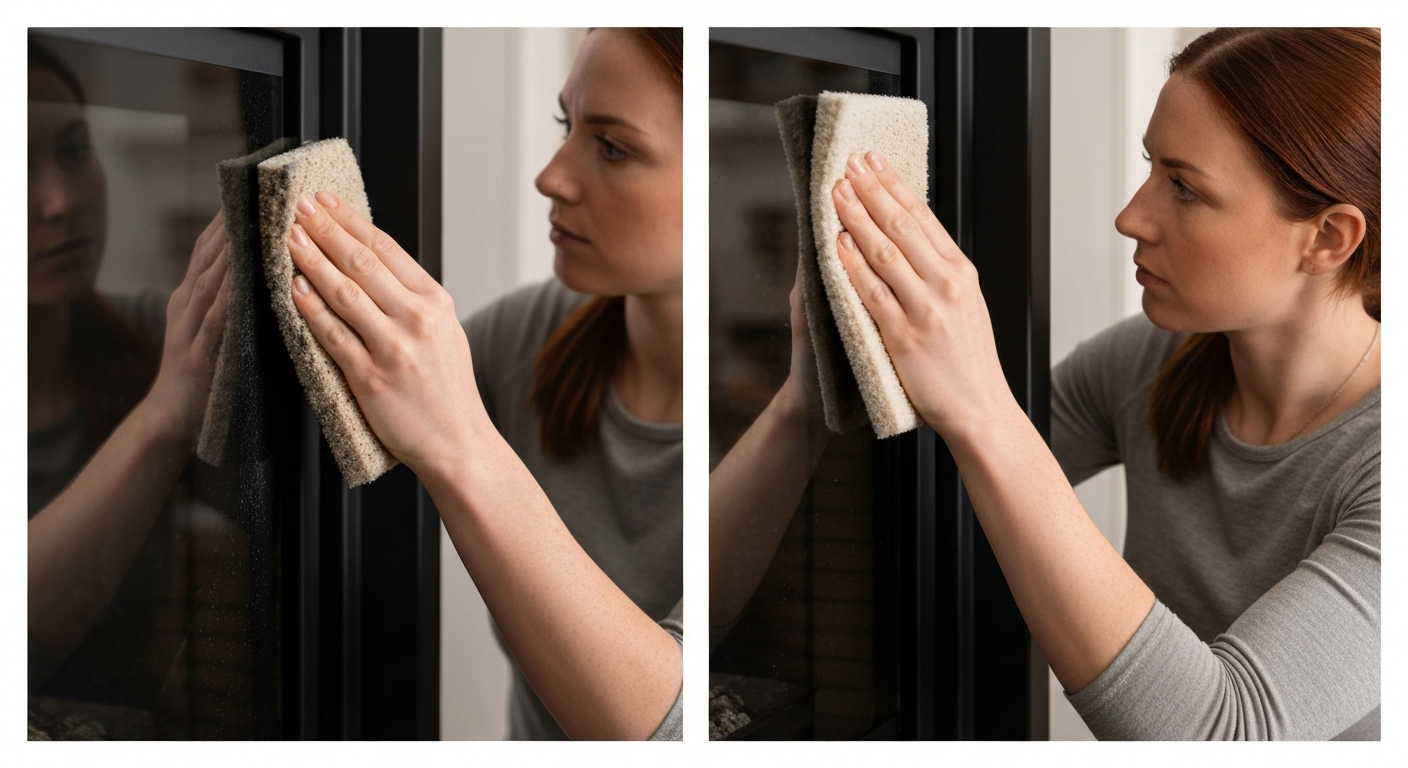
Blackened glass is a clear sign of incomplete combustion at too low a temperature. The causes are those already mentioned: wood that's too damp, logs that are too large and cool the firebox, or an air supply that's been reduced too early. Maintain hot embers and strong flames, and the glass will often clean itself through a process known as pyrolysis.
Symptom 2: The fire is only smoldering
A smoldering fire with dark, sluggish flames and heavy smoke is inefficient and dangerous. You waste fuel and produce large quantities of soot and pollutants, including odorless but deadly carbon monoxide. A fire smolders when you add too much wood at once and greatly restrict the air supply, for example, to keep the embers burning overnight. Always operate your stove with a visible, lively flame.
Symptom 3: The ash bed is too deep or completely empty
Ash is not just waste. An ash bed 2-4 cm deep acts as an insulating layer underneath and protects the base of the firebox. It helps the embers stay hot longer and makes relighting easier. So don't remove all the ash. Always leave a thin layer behind.
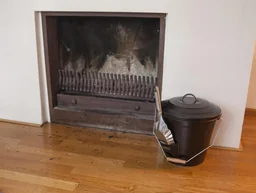
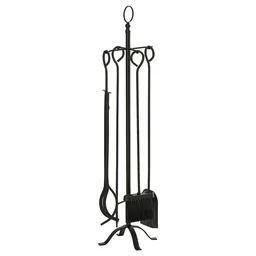
However, if the ash layer gets too deep, it blocks the primary air supply from below. The grate can become clogged, and the fire will suffocate. Regularly remove excess ash when it's cool using an ash scraper () and a metal ash bucket with shovel (). A complete 5-piece fireplace tool set () provides all the tools you need for everyday maintenance.
What should you do if a mechanical problem is the cause?
Sometimes the problems run deeper and can't be solved by changing how you operate the stove. A more thorough inspection of the stove and chimney is then needed.
Worn door seals
The seals on the stove door and ash drawer become brittle and lose their airtightness over time. This allows “false air” to enter the stove, making combustion uncontrollable and inefficient. You can easily test the seal: close the door on a sheet of paper. If the paper pulls out easily, the seal is no longer working properly and needs to be replaced. Replacement sealing rope is available from specialty retailers.
Blocked chimney or flue pipe
Over time, soot and creosote can build up in the flue pipe and chimney, narrowing the passage. In the worst case, there may even be a bird's nest inside. A restricted flue slows the smoke and causes the problems described above. Just like a house drainage system, your flue system must be free of blockages to work properly. Regular cleaning by a chimney sweep, as required by law, is essential and helps prevent not only operating problems but also dangerous chimney fires.
Modern heating technology in wood stoves is highly advanced. For it to work at its best, all components must work together perfectly. Regular maintenance isn't a recommendation; it's essential for safety and efficiency.
Incorrect sizing of the stove and chimney
In rare cases, the stove and chimney aren't compatible. A chimney with a cross-section that's too large can cause the flue gases to cool too quickly, resulting in a loss of draft. A cross-section that's too small can't handle the stove's volume of smoke. These are fundamental design errors that can only be corrected through structural work, such as installing a stainless steel liner in the chimney. Always consult a specialist in this situation.
With the right knowledge of fuel, air supply, and technology, nothing stands in the way of enjoying your wood stove. Watch your fire, learn its language, and you'll be rewarded with cozy warmth and a fascinating display of flames.
Frequently asked questions
- Why does my wood stove smoke only when I light it?
- This is usually caused by a cold chimney. Cold, dense air inside the chimney can block the smoke. Briefly warm the chimney with a fire starter or a paper torch to create an updraft before lighting the main fire.
- How much firewood should I add at a time?
- It’s better to add smaller amounts more often than to load the stove all at once. Ideally, add two or three logs that fit comfortably in the firebox without overloading it. This helps the wood burn cleanly and efficiently with enough oxygen.
- Can I close the air vents completely overnight?
- No. Never close the air vents completely. This causes the fire to smolder, producing excess soot and dangerous carbon monoxide. Reduce the airflow only enough to keep the flames burning steadily.
- How often should I have my chimney cleaned?
- How often your chimney needs cleaning depends on how much you use your stove and the type of fuel you burn. Local laws may also set requirements. As a general rule, a chimney sweep should inspect and clean your chimney one to three times a year. Check with your local chimney sweep.
- Why does my wood stove glass keep turning black?
- Black stove glass is a sign that the combustion temperature is too low. Common causes include damp firewood, restricted airflow or logs that are too large. Use dry wood and make sure the fire burns hot.
You may also be interested in
- How to light a wood stove: Start a fire quickly, safely and cleanly
- How to use and maintain a wood stove for efficient heating
- How to choose the right wood stove for warmth and comfort
- How to choose firewood for efficient heating
- How to buy and store firewood for your wood stove
- Chainsaw not cutting well? Common problems and fixes