
In brief: A good spot to relax is peaceful, gets sun or shade depending on your preference, and sits on level, well-drained ground. A wooden garden lounger adds warmth to the space. Add a small side table, suitable plants and a little privacy to create your own relaxing retreat in the garden.
An open space in the garden only becomes a place to unwind when it suits your routine. You might want to read in the morning sun, or find a cool spot for hot afternoons. A wooden garden lounger gives the area a natural, welcoming feel and pairs well with plants, gravel or a small patio.
There’s more to planning than looks: the ground needs to be level, the lounger needs enough room, and the wood finish should suit the weather. A few thoughtful choices can create a relaxing spot that blends into your garden and that you’ll enjoy using.
How do you find the right spot?
Take a look around your garden before moving furniture or preparing an area. Where does the morning sun fall? Which spots are shady in the afternoon? Where can you hear traffic or conversations from the neighbours? A quick walk around at different times of day will help you find the right place to unwind.
The best location depends on how you plan to use it. If you want to soak up the sun, choose a sunny spot and add a movable parasol if needed. For reading, naps or longer stays, a spot with some shade is often more comfortable. A tree provides shade, but falling leaves, sap or fruit can mean extra cleaning.
Think about the path to your lounger, too. A route across the lawn can get soft or slippery after rain. A short path made from stepping stones, gravel or wood makes for a drier walk and helps keep the area clean. The spot should also be away from busy walkways, so you can relax without blocking paths through the garden.
Measure the lounger and the surrounding area to work out how much space you need. Allow for the full length of the unfolded lounger, room to get in and out from the side, and space for a side table. A parasol, planters and a cushion need room, too. A simple sketch with measurements can help make sure your new favourite spot doesn’t feel cramped.
“Nature must be felt.”
Humboldt’s words remind us that a garden is more than what we see. Light, wind and sounds all shape how a place feels. Check that the spot stays breezy in summer and that you’ll enjoy spending time there at the times of day you have in mind.
Consider sun, shade and privacy
A privacy screen doesn’t have to shut off the garden completely. A loose planting scheme, a trellis or a low hedge can screen unwanted views while still letting light through. Position the screen towards the side where you need it most. This keeps the space open, rather than making it feel like a closed-off corner.
Pro tip
Mark out the planned lounger area with string or small stakes for a few days. Sit there at different times of day to check the sun, wind, views and walkways before choosing permanent spots for furniture or plants.
Which wood and surface are right?
Wood brings warm color and natural texture to the garden. The right type of wood depends on the design, finish, and care requirements. Robinia and teak, for example, are suitable for garden furniture. Other types of wood can also be used outdoors if they are treated for that purpose and properly maintained. Check the manufacturer's specifications instead of choosing based on wood color alone.
When buying, look for a sturdy design, smooth edges, and easy-to-reach joints. Screws should be secure. Moving parts should adjust easily without wobbling. A wooden lounger may be heavier than an aluminum or plastic model, so consider whether you'll move it often or keep it in one spot.
The surface beneath the lounger affects its stability and lifespan. Place it on a level, solid surface so it doesn't wobble. A wood or stone patio is easy to clean. In the garden, compacted gravel or large, firmly set pavers can work well. Wood dries more slowly when placed directly on persistently damp ground.
A wood deck creates a cozy feel and provides a level surface. Be sure to plan for drainage so water doesn't collect in low spots. Depending on the design, the boards need gaps between them to let moisture drain away. You don't need a large deck for a small area. Two or three well-laid stepping stones can be enough to mark out a spot for your lounger.
If you'd like to add a custom bench or small side table and build it yourself, woodworking tools can help with the project: the 10-piece jigsaw blade set for wood and metal
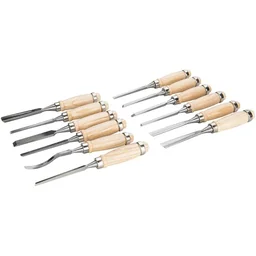
and the wood chisel set may come in handy for suitable DIY projects. Check current availability before you start planning. A flexible lawn edging strip can mark the boundary between the lawn and planting area beside the lounger.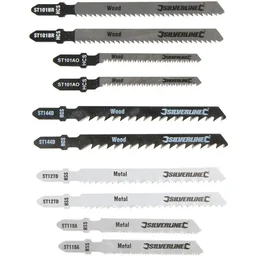

Coordinate the wood tone with its surroundings
Light-colored wood pairs well with gravel, light natural stone, and silvery foliage. Darker finishes add a subtle accent among vibrant greenery and flowering perennials. There's no need to match every element exactly. Instead, repeat two or three colors, such as the wood tone, the plants' green, and an accent color for a cushion or planter. This ties the space together without making the garden feel artificial.
Important note
Don't place a wooden lounger on persistently wet or unstable ground. Before using it, check that all the feet are firmly supported and the screw connections are secure. Follow the manufacturer's instructions for care oil, stain, or cleaning products, and use products suited to the wood's finish.
How can you make the lounging area cozy?
Comfort comes from choosing features that suit how you plan to use the space. A well-fitting cushion supports your body and adds a pop of color. Check the lounger dimensions and whether the cushion can be secured to prevent it from slipping. If the weather is changeable, make sure you can remove it quickly and store it somewhere dry.
A small side table makes the spot more practical for everyday use. It can hold a book, a glass of water, or reading glasses. Choose a stable model that takes up only as much space as needed. If space is limited, use a shelf at the foot of the lounger or a sturdy stool instead of a large table.
There are several ways to create shade. A patio umbrella is flexible and can be adjusted to follow the sun. A pergola gives the area a more defined structure and works well if you want to add climbing plants. Make sure shade structures are stable and don't extend into walkways or seating areas.
Plants can frame the area without crowding it. Fragrant herbs, ornamental grasses, or perennials can create a loose border. Place larger planters where they won't block access. Potted plants can also be moved around with the seasons. Choose plants based on the location and their watering needs: sun-loving plants struggle in deep shade, while delicate varieties can dry out quickly in the hot midday sun.
Textiles add color and texture to a sheltered lounging area. A cotton throw, such as the brown Alavya Home organic muslin decor set
is suitable only in a dry spot protected from prolonged sun exposure. Bring textiles indoors when it rains or overnight. Muslin made for indoor use is not a substitute for weather-resistant outdoor cushions.
Create a calm space with just a few touches
Too many items can make a lounging area feel cluttered. Start with the lounger, a cushion, a small table, and one or two planters. Add other items after you've used the space for a while so you can see what you actually need. A lantern or small light can add to the area in the evening, as long as it's suitable for outdoor use and placed securely.
The surface around the lounger also affects comfort. Gravel can look attractive, but small stones may stick to shoes or feet. Wood and stone pavers provide firm footing. Grass feels soft, but may need regular care and mowing right beside the lounger. Choose a material that suits your garden and how much time you want to spend maintaining it.
Helpful tip
Keep a small box or basket nearby to collect the cushion, book, and light blanket after use. Storing textiles in a sheltered spot helps keep them dry and makes it easy to tidy up the garden.
What garden design creates a sense of calm?
A relaxing spot in the garden needs a clear but subtle boundary. A narrow path, a change in paving or a low flower bed edge can mark out the area. Plan the transitions so you can reach the lounger comfortably and don’t have to keep navigating around furniture while gardening.
Think about how the spot relates to the rest of the garden. A lounger at the edge of a patio connects it to the house. A spot among shrubs is quieter, but may be farther from the kitchen or bathroom. Either can work. What matters is whether you want to use the spot spontaneously or seek it out for longer breaks.
The Garden + Outdoor category is a good starting point for planning garden spaces. You can also browse Garden Equipment. For flower beds and planting areas, you’ll find accessories in the Garden + Planting Accessories category. If you leave garden furniture outdoors, also consider a suitable garden furniture cover.
For more privacy, choose plants of varying heights. A low border of perennials gives the space a soft edge, while taller grasses or shrubs screen certain sightlines. Avoid planting so densely that air and light can’t get through. A well-ventilated area dries faster after rain and stays more comfortable to use.
A flower bed beside the lounger can bring colour within easy reach, but it shouldn’t create too much work. Group plants with similar watering needs so you can water them more efficiently. A layer of mulch helps the soil retain moisture and suppresses weeds, but keep it away from the lounger’s wood and any other wooden parts. Damp soil should not remain in constant contact with the structure.
“Have nothing in your house that you do not know to be useful, or believe to be beautiful.”
You can apply the same idea to your garden: every element should serve a purpose or bring you pleasure. A lounger that blocks a path is impractical for everyday use. A planter that frames the view while holding herbs, on the other hand, can be both useful and beautiful. Choosing carefully keeps your relaxing spot uncluttered and personal.
Match the lounger to your garden style
A simple wooden lounger looks at home among perennials and grasses in a naturalistic garden. In a more formal garden, opt for clean lines, a few plant varieties and calm paving. A small garden benefits from a light touch that keeps paths open. In a large garden, you can place the lounger farther from the house and reach it by a path.
There are no hard and fast rules about colours or materials. Wood works with many garden styles, whether it sits beside modern stone or softer planting. Repeat a material elsewhere, perhaps with a wooden bench or a small stepping stone. These details create a sense of cohesion without making the whole garden look the same.
How can you keep a wooden lounger looking its best?
Outdoor wood changes with exposure to sun, rain and temperature fluctuations. Some finishes fade over time, while others lose their protection and need to be treated again. Check the manufacturer’s care instructions, as the right treatment depends on the type of wood and its finish. A product intended for an oiled surface, for example, is not automatically suitable for painted wood.
Regularly remove dust and leaves with a soft brush. Wipe up spilled drinks promptly to prevent stains. Use only suitable cleaning products and, if in doubt, test them on an inconspicuous area first. Pressure washers can damage wood finishes and roughen the grain, so don’t direct the water jet at furniture without checking the manufacturer’s guidance.
At the start of the season, check the screws, hinges and moving joints. Tighten any loose screws if the manufacturer recommends it, and look for splinters or damaged areas. If the surface becomes rough, follow the care instructions for sanding and refinishing. A thorough inspection is especially important if children use the lounger too.
For winter storage, choose a dry, well-ventilated place. Bring cushions and pillows indoors. If you use a protective cover, make sure it fits the lounger and doesn’t trap moisture for long periods. A cover keeps out dirt and rain, but it doesn’t replace regular checks. Let the lounger dry after rain before covering it for an extended period.
Make care part of your garden routine
A quick check in spring and autumn is often enough to catch damage early. Check the ground beneath the lounger, clear leaves from gaps and look for rough or damp areas on the surface. When trimming or watering plants next to the lounger, avoid splashing water or soil onto the wood. This makes the area easier to keep clean.
The surrounding area also needs a little regular attention. Keep the approach clear, trim back plants that grow into the lounging area and check for standing water after heavy rain. If you rearrange the space during the season, move lightweight planters and adjust the parasol. The wooden lounger remains the focal point while the details adapt to the weather and how you use the space.
The result is more than just an open spot for garden furniture: a sturdy wooden lounger, a suitable location and simple design make it a place you’ll want to return to. Start by planning the space and sunlight, choose wood and ground that work well together, then add plants and comfort as needed. Your relaxing spot will fit both your garden and your everyday life.
Frequently Asked Questions
- Where is the best place for a garden chaise lounge?
- Choose a level spot where you feel comfortable and can easily reach it in your daily routine. A sunny area is ideal for sunbathing, while a spot with afternoon shade is better for reading or relaxing. Also consider privacy, damp ground, and the distance from walkways.
- What type of wood is best for a garden chaise lounge?
- What matters most is a design suited to outdoor use and regular care. Hardwoods such as black locust or teak are commonly used for patio furniture; other types of wood can work too if they are properly treated. Follow the manufacturer's care instructions and check the screws and finish regularly.
- How can I make a garden lounging area cozy?
- Pair the wooden chaise lounge with a suitable cushion, a small table, and plants arranged loosely around the space. A patio umbrella or pergola provides shade. Keep the area uncluttered, and leave cushions and other fabrics outdoors only if they are protected from rain.
- How much space does a garden chaise lounge need?
- Allow enough room beside the chaise lounge to lie down and get up comfortably. An open strip along one side makes it easier to get in and out, and a small table also needs a stable spot. Measure the chaise lounge before you buy and account for walkways, planters, and open patio umbrellas.
- How do I care for a wooden garden chaise lounge?
- Brush off dirt regularly with a soft brush and check that water can drain away properly. Follow the care instructions for the type of wood and its finish. Clean or oil the chaise lounge only with suitable products. In winter, store it in a dry, well-ventilated place.
You might also like
- Wooden Garden Chaise Lounge: Build, Care for, and Position It
- Relax in the Garden: Find the Perfect Garden Chaise Lounge
- Build Your Own Outdoor Lounge: Create a Cozy Patio Retreat
- Create a Secluded Garden Retreat: Make a Peaceful Place to Relax
- Garden Gazebos and Benches: Create a Cozy Outdoor Retreat
- Find the Perfect Hammock for Your Garden