
In brief: Compared with a ladder, a work platform provides a safe, stable place to work, with guardrails and plenty of room to stand. It reduces the risk of falls, improves comfort and helps you work more efficiently on tasks such as exterior renovations, roof repairs, or tree and hedge maintenance. Renting often makes sense for homeowners, while professionals may want to consider buying.
Work Platforms: Safe, Stable Helpers for Any Project
Planning to paint your home's exterior, clean the gutters, or trim tall trees? Your ladder wobbles, the paint can is heavy, and your arms are aching after an hour. There is a better solution: a work platform. It makes working at height safer and more comfortable by giving you a stable place to stand.
A work platform is more than just a tall scaffold. It is a mobile workspace with guardrails, a spacious standing area, and often an adjustable height. Whether you are tackling Garden + Outdoor projects or renovating indoors, the right platform helps you work faster and, above all, more safely.
Why is a work platform safer than a ladder?
Traditional leaning ladders have significant drawbacks. They provide only a narrow place to stand, can easily tip on uneven ground, and require you to constantly keep your balance. When working to the side, you often have to lean far from the ladder, which is a common cause of accidents.
A work platform helps reduce these risks. You stand on a large, level platform that gives you room to move. A surrounding guardrail provides support along the sides. You can set down tools, paint cans, or plant clippings without having to hold them. Working with both hands becomes the norm.
Important note
Even when using a work platform, fall protection is the top priority. Always use the guardrail provided. Set up the platform only on firm, level ground. For mobile models with casters, engage the brakes before climbing on. Never exceed the maximum permitted load.
For comprehensive safety equipment and professional workplace safety products, you will find everything you need in our Workplace Safety category.
What types of work platforms are available?
The right model depends on your project, the terrain, and your budget. In general, work platforms are divided into stationary and mobile systems.
Mobile scaffold towers and rolling work platforms
These models have casters that make them easy to move around a job site or garden. They are ideal for work across large areas, such as painting a long exterior wall. High-quality casters work on a range of floor surfaces and have reliable locking brakes.
Telescoping and scissor lifts
These platforms let you reach great heights while taking up little floor space. The work platform is raised hydraulically or electrically. These professional machines are usually rented for demanding projects such as repairing a gable wall or installing a satellite dish.
Folding step stools and compact platforms
For home use, space-saving solutions are ideal. A folding aluminum step stool such as the
offers the benefits of a small work platform: more room to stand and greater stability than a ladder, while still being easy to transport and store.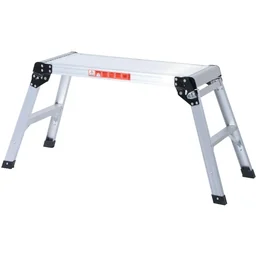
“Many common accidents at home and in the garden are caused by falls from ladders. A stable work platform can significantly reduce this risk by giving users a protected place to work.”
For transporting materials or securing your work platform against tipping in windy conditions, load securing equipment can be useful.
Should you rent or buy a work platform? A cost-benefit analysis
For homeowners, this question comes up often. The answer depends on how often you will use the platform and how specialized the equipment needs to be.
Renting makes sense when: You have a one-time, large project, such as renovating an entire exterior. You need a specialized, high-quality platform that you rarely use. You do not have space to store a large piece of equipment. Picking it up, transporting it, and returning it are manageable for you.
Pro tip
When renting a work platform, make sure you receive proper instruction on how to use it and its safety features. Ask specifically about the maximum load, proper setup, and how the brakes work. A quick on-site check can save hassle later and improve safety.
Buying makes sense when: You regularly work at height, for example as a maintenance worker or in landscaping. You are looking for a simple, durable model for regular use. You value being able to use the platform whenever you need it. Over time, the purchase price works out to less than frequent rental fees.
For everyday business needs or larger garden projects, take a look at our Business Supplies.
How do I prepare to use a work platform?
Safety starts before you climb up. Thorough preparation is half the battle.
1. Check the ground: The ground must be level and stable. On soft grass or uneven paving stones, the platform may sink or tip over. If necessary, use large, sturdy support boards.
2. Check the surroundings: Are there obstacles such as branches, power lines, or roof overhangs? Keep a safe distance from power lines. Allow for the operating radius of a mobile work platform.
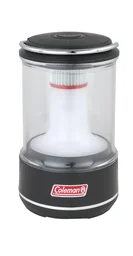
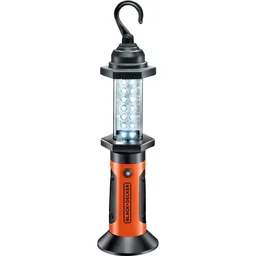
3. Have your materials ready: Bring all the tools and materials you need within reach before climbing up. Climbing up and down frequently increases the risk of accidents. For good lighting at dusk or in dark corners, sturdy LED lanterns such as the
Additional advice
Never work alone on a work platform at a considerable height. A second person on the ground can help in an emergency, stabilize the platform, or call emergency services. Agree on clear signals or call commands beforehand.
The right work platform for common garden and home projects
Not every project calls for an industrial work platform. Here are some suitable options for home use.
Trimming hedges and pruning trees: A compact, mobile work platform or sturdy step stool gives you the height you need for precise cuts. You can reach the top of the hedge more easily and protect your back.
Painting or cleaning exterior walls: A rolling scaffold or mobile work platform is ideal. You can move along the wall with both hands free to use a brush, roller or pressure washer. The large standing platform also gives you room to bring up a bucket of paint.
Cleaning gutters and checking for roof damage: A telescopic work platform or height-adjustable rolling scaffold gives you safe access to the eaves. This avoids the dangerous practice of placing a ladder on the roof itself.
Installing lights or painting ceilings: In rooms with high ceilings or stairwells, a small but sturdy work platform is the solution. It offers greater safety than a wobbly stepladder.
“Investing in safe equipment such as sturdy platforms always pays off. The accident costs avoided, the time saved through more efficient working and the health benefits for the user are invaluable.”
For projects around the home, find more useful helpers in the Garden Tools and Plumbing + Irrigation categories.
Maintaining and storing your work platform
To keep your work platform safe and functional for years, give it regular care.
After each use, clean dirt, paint or plant sap from the platform and guardrails. Regularly check all mechanical parts: Are the screws tight? Are the brakes and locking mechanisms working properly? Do telescopic or folding mechanisms move smoothly?
With aluminum models, make sure they are stored in a dry place to prevent corrosion. Folding models have an advantage here. Store large scaffolds so they cannot tip over or create a tripping hazard.
A well-maintained work platform is a reliable partner for years to come. It turns strenuous and risky work at height into a safe, manageable project. Whether you rent professional equipment or buy a practical step stool, the benefits in safety, comfort and efficiency are clear. Start your next project at height with the right foundation beneath your feet.
Frequently asked questions
- When should I choose a work platform instead of a ladder?
- Choose a work platform whenever you will be working at height for an extended period, need to carry heavy tools or materials, or are working on uneven ground. Its stable surface and guardrails offer greater safety and comfort than a wobbly ladder.
- Can I rent a work platform as a homeowner?
- Yes, many home improvement stores and equipment rental companies offer work platforms for rent. This is ideal for one-off projects such as painting your home's exterior or cleaning gutters. Make sure you receive a brief safety briefing on how to use the platform properly.
- How much does it cost to rent a work platform?
- Rental costs vary considerably depending on the type and size of the platform and the rental period. Basic rolling scaffolds or telescopic work platforms start at around 50-100 euros per day. More complex models or longer rental periods cost more. Always ask for a quote.
- What safety precautions should I take when using a work platform?
- Before each use, check that the platform is stable on level, solid ground. Lock the casters when the platform is in use. Use the supplied guardrails. Never exceed the maximum permitted load. Wear sturdy footwear.
- Are there compact work platforms for the garden?
- Yes, folding step stools and small, mobile aluminum work platforms save space and are ideal for working on trees, hedges or the side of the house. They provide a larger standing area than a standard stepladder.
You may also be interested in
- Choosing a work platform: Tips for the perfect setup
- Aluminum ladders: Reliable help at any height
- Workplace safety: Working safely on DIY projects
- Workplace safety review & comparison 2026
- Building a fire pit in the garden: Your guide to cozy evenings
- Tips for choosing the right lift table for your workshop