
In brief: Our 2026 workwear comparison looks at materials, fit, safety and durability. Hard-wearing styles such as 5 Pocket Jeans are practical for everyday use. Explore different sizes and colours, then use our buying guide to find workwear that suits your needs. Look for a comfortable fit and tried-and-tested materials.
The right workwear is essential for safety and comfort on the job. In our 2026 comparison, we look at durable styles built to handle everyday wear. We assess materials, fit and functionality to help you find the right clothes for your work.
Table of contents
What makes good workwear?
Good workwear combines durability with everyday practicality. It protects you from the typical demands of your job while allowing you to move freely. The construction should be built to last.
Reinforced seams at high-stress points are a sign of quality. Practical details, such as plenty of pockets, make workwear more useful. Clothes should retain their shape even after many washes. Look for a well-designed fit.
A comprehensive range of workwear has options for every job. From durable trousers to functional jackets, you can find everything you need for the workday.
Functionality comes first
Workwear needs to be functional above all. It protects against dirt, abrasion and the weather while allowing you to move freely. A well-designed fit is essential.
Reinforced knees and seat panels extend the life of your workwear. Reflective details improve visibility. Breathable materials help keep you comfortable throughout the day. All these features contribute to quality workwear.
Workwear materials compared
The material largely determines how your workwear performs. Traditional cotton is naturally breathable, while modern blends are known for their durability. Each material has its own advantages.
Pure cotton is comfortable against the skin and hard-wearing. It absorbs moisture well, but can become heavy when wet. Polyester blends dry faster and are less prone to creasing.
Stretch fabrics give you greater freedom of movement and adapt to the way you move. Reinforced fabrics are suitable for areas that see particularly heavy wear. Choose a material to suit your specific needs.
Note: Fabrics with stretch offer greater freedom of movement. They are especially suitable for jobs that involve a lot of bending and movement.
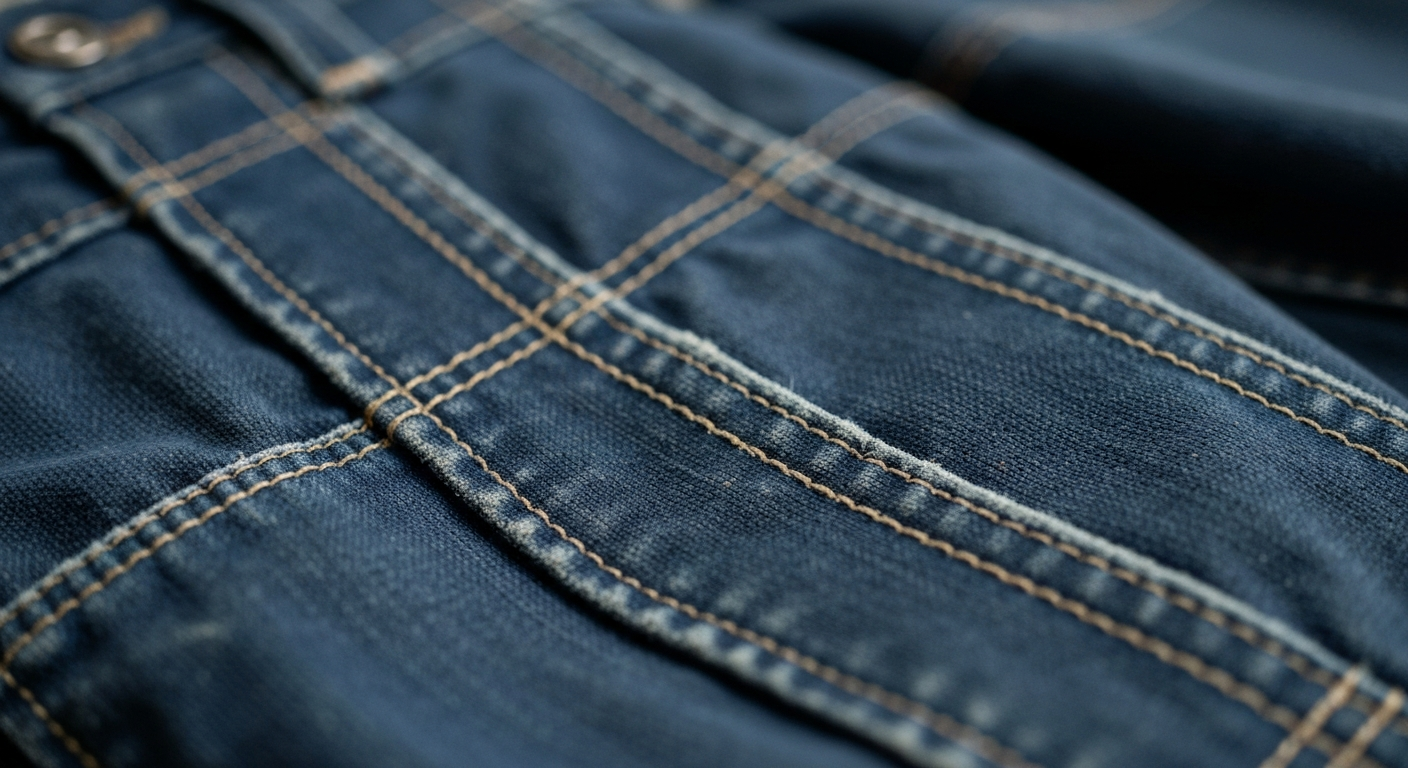
Cotton and its properties
Cotton is a classic workwear material. It feels comfortable against the skin and is gentle to wear. With proper care, its natural fibres are very durable. One drawback becomes clear when cotton gets very wet.
Wet cotton takes relatively long to dry and can become heavier. However, modern cotton fabrics are often specially treated to improve their performance.
The benefits of blended fabrics
Blended fabrics combine the benefits of different fibres. Polyester-cotton blends are especially popular. They hold their shape and dry quickly while remaining comfortable to wear.
These fabrics crease less than pure cotton and retain their shape even after frequent washing. They are an ideal choice for many jobs and are usually easy to care for.
Fit and comfort
Fit affects both comfort and how practical workwear is to wear. Clothes that are too tight restrict movement, while loose clothing can get caught in machinery. Take accurate measurements to find the right size.
is a classic pair of 5 Pocket Jeans in Indigo. The fit is designed for everyday work, with enough freedom of movement for demanding tasks. A wide range of sizes is available.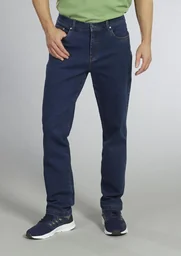
Compare different styles in your usual size. Keep in mind that some fabrics may shrink after the first wash. Try on workwear with the layers you usually wear underneath to get the best fit.
Tip: Take your measurements regularly. Sizes can vary between manufacturers, so use each supplier's size chart as a guide.
Practical size options
The products in our comparison are available in a range of sizes.
is available in bluestone in Size 28. You can find suitable options for other body types too. Availability may vary depending on demand.
Sizes such as Size 50 are also available in a wide range of styles.
This means people with different body types can find workwear that fits. Check each manufacturer's fit recommendations.
Check your freedom of movement
Test your freedom of movement by squatting and raising your arms. Your clothes should not pull or restrict you. The crotch is a particularly important area to check in trousers.
Stretch panels can improve mobility, while adjustable waistbands adapt to your body. These details make workwear more comfortable, helping you work efficiently and safely.
Safety and standards
Safety comes first when it comes to work clothes. Clothing must not create additional risks, and it must meet the requirements of your work environment. Check which regulations apply to your industry.
Some tasks require special protective features, such as high-visibility colors or flame-resistant materials. Having the right tools is also part of working safely. Work clothes and tools complement each other.
Warning: Work clothes that don't meet the relevant standards can put your safety at risk. Before buying, check which requirements apply to your workplace.
Understanding standards
Work clothes are subject to various norms and standards. These regulate material properties and protective features. Compliance is documented through the relevant markings. Look out for these symbols.
Basic standards for material strength apply to general work clothes. Specialized fields have their own requirements. Ask your employer or trade association for advice. This will help you choose the right protective clothing.
Practical protection for everyday work
Durable work clothes protect you from everyday hazards. Reinforced areas protect against abrasion and impacts. The right length helps prevent snagging. Reflective elements make you more visible in traffic.
as 5 Pocket Jeans in bluestone provide basic protection. The material withstands typical wear and tear. You'll need additional protective equipment for specific risks. Choose your clothing accordingly.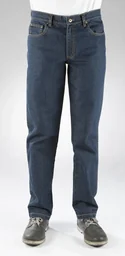
Care and durability
How long your work clothes last depends largely on how you care for them. Follow the manufacturer's care instructions carefully. This helps preserve the material and workmanship for longer. Proper care saves money over time.
Wash heavily soiled clothing separately. Use suitable detergents without harsh bleaching agents. Air-dry clothing whenever possible. This helps prevent unnecessary wear on the material.
Regular inspections help you spot wear and tear early. Repair minor damage right away to significantly extend the life of your clothing. High-quality work clothes are worth taking care of.
Follow the washing instructions
Every material has specific care requirements. Cotton can generally withstand higher temperatures. Blended fabrics often need gentler treatment. Care symbols provide clear guidance.
Avoid washing at the highest temperatures too often. This puts unnecessary strain on the fibers. Lower temperatures are usually enough for everyday dirt. This protects both the material and the environment.
Repair instead of replacing
Small repairs can significantly extend the life of your work clothes. Mend holes in knees or pockets promptly. Professional alterations can help with more extensive damage. This lets you get the most from your investment.
Repairing especially high-quality work clothes is worthwhile. The material quality makes repeated repairs possible. Plan regular maintenance for your work clothes. This also applies to your tools.
Buying guide
Consider several factors when choosing work clothes. First, determine the requirements of your work environment. Then choose suitable materials and cuts. The right size is essential for comfort and safety.
Our highest-rated work clothes, compared side by side:
| Model | Customer rating | Availability |
|---|---|---|
| 5 Pocket Jeans, Color Indigo, Size 29 | – | Currently unavailable |
| 5 Pocket Jeans, Color Indigo, Size 58 | – | Currently unavailable |
| 5 Pocket Jeans, Color Indigo, Size 60 | – | Currently unavailable |
| 5 Pocket Jeans, Color bluestone, Size 28 | – | Currently unavailable |
| 5 Pocket Jeans, Color bluestone, Size 29 | – | Currently unavailable |
shows a larger size of the proven 5 Pocket Jeans. You'll find suitable models for different body types. Availability varies with demand and season.
Invest in high-quality work clothes. They contribute to your safety and well-being. Good clothing makes your work more comfortable and efficient. Consider the climate, too.
Analyze your individual needs
Analyze your specific working conditions. Take the climate and physical demands into account. Consider which protective features you need. This will help you find the ideal work clothes.
For office work, simpler styles are often enough. Skilled trades call for more durable designs. Specialized industrial environments have their own requirements. Choose accordingly.
Plan a trial period
Allow time to test new work clothes. Wear them under real-world conditions. Pay attention to comfort and functionality. This will help you spot potential problems early.
Take advantage of returns or exchanges if you're not satisfied. Some suppliers offer special trial programs. This can help you find the right clothing with confidence. Your satisfaction matters for long-term use.
Conclusion
The right work clothes are an investment in safety and comfort. In our 2026 test and comparison, we present several options. Durable models such as the 5 Pocket Jeans prove their value in everyday use. You'll find suitable solutions for every need.
Pay attention to material quality and workmanship. The fit should allow freedom of movement. Consider the safety standards you need to meet. Our buying guide will help you make the right choice.
The products featured, such as and , show the range of work clothes available. Explore the full range of work clothes. This will help you work safely and comfortably in every situation.
Frequently Asked Questions
- What makes good-quality workwear?
- Good-quality workwear is made from durable materials such as hard-wearing cotton or modern blended fabrics. It fits comfortably and allows you to move freely. Reinforced seams at stress points and compliance with relevant safety standards are also important. Look for practical features such as reinforced pockets.
- How do I find the right size work pants?
- Measure the waist and inseam of a pair of pants that fits well. Compare those measurements with the manufacturer's size chart. Keep in mind that some materials may shrink slightly after the first wash. Try the pants on with the layers you normally wear for work. The right fit is essential for comfort and safety.
- Which materials are best for physically demanding work?
- Durable materials are a good choice for demanding work. Stretch denim and canvas offer excellent abrasion resistance. Polyester blends dry faster and hold their shape. Look for reinforced knees and seat areas. Breathable fabric can also help keep you comfortable.
- Does workwear have to meet specific standards?
- Workwear may need to meet specific standards depending on how it will be used. In skilled trades, cut resistance and high visibility are often important. General workwear must meet basic requirements for material strength. Check which regulations apply to your industry. Meeting the relevant standards is an important sign of quality.
- How should I care for workwear so it lasts?
- Always follow the manufacturer's care instructions. Wash heavily soiled clothing separately at the recommended temperature. Use a mild detergent without bleach. Air-dry garments gently to protect the fabric. Avoid frequent ironing at high temperatures.