
In brief: An XXL garden thermometer is both a practical tool and stylish décor. Its large display is easy to read when planning garden tasks, and it helps protect your plants from frost. It also makes a striking focal point on an exterior wall or patio, pairing useful function with eye-catching design.
A glance out the window isn’t always enough. You may want to know whether it’s safe to move delicate seedlings outside or whether you’ll need a jacket for an evening garden party. An outdoor thermometer can tell you. Small models are easy to overlook, though, so an XXL garden thermometer raises a question: Is it still a measuring instrument, or has it become purely decorative? The answer is simple: it’s both. That combination makes it a useful addition to any outdoor space.
A large thermometer combines function and style. It gives you precise readings while adding a visual accent to your space. One standout example is the : LED XXL Garden Thermometer. Its impressive size and built-in LED lighting make it easy to read the temperature at any time of day or night. It’s more than a display—it’s a statement piece for your garden.

Why is a large outdoor thermometer a smart investment?
A large-format thermometer offers practical benefits that go beyond its appearance. It makes temperature checks easier, adds to your garden’s design, and can even help protect your plants.
Easy to read from a distance
Readability is the most obvious benefit. No more squinting or crossing wet grass to make out a tiny scale. You can check an XXL thermometer from the kitchen window, patio, or other end of the garden. Large numbers and a clear pointer show the temperature at a glance. That’s especially helpful for anyone with low vision.
An easy-to-read thermometer saves time and makes daily temperature checks an effortless habit instead of a chore.
A stylish garden feature
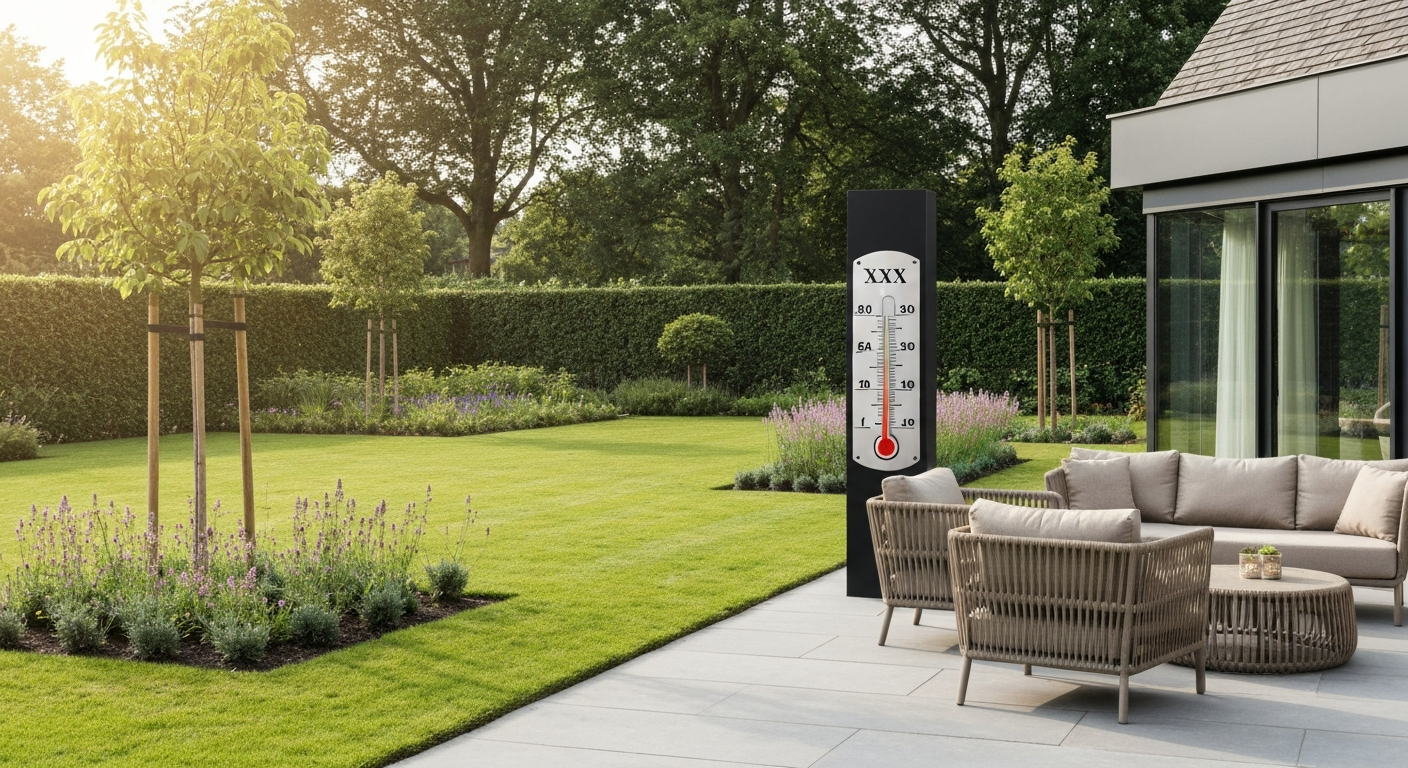
You put thought into your garden’s plants, furniture, and lighting. A large thermometer fits right in. It can become a focal point on a bare exterior wall, beside a garden shed, or on a sturdy post. Designs range from rustic wood and cast iron to modern, minimalist stainless steel. A thermometer can become one of the most eye-catching decorative features in your garden retreat.
Practical benefits for your plants
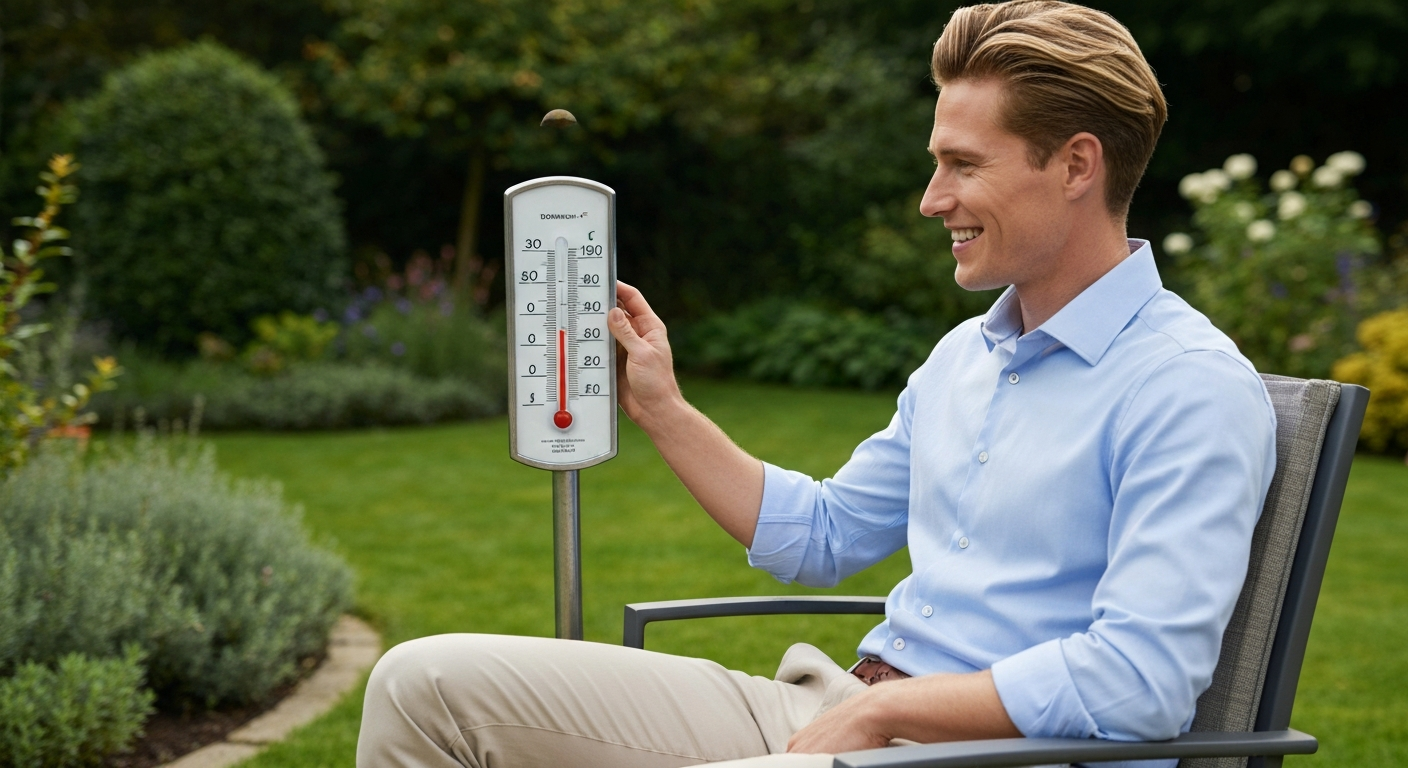
For dedicated gardeners, knowing the exact temperature matters. Each part of your garden has its own microclimate. A thermometer shows the temperature right where it’s placed, rather than the area-wide reading in a weather forecast. That information helps you make key decisions: When should you sow seeds? Is frost likely overnight, so potted plants need protection? Is it warm enough to move Mediterranean herbs outside?
Expert tip
Place your thermometer near your most sensitive plants. That way, you can check the temperature in their specific surroundings and respond quickly to sudden changes.
How can you identify a high-quality XXL garden thermometer?
Size alone doesn’t make a good thermometer. Look for these quality features when shopping to find a model you can enjoy for years.
Material and weather resistance
An outdoor thermometer is exposed to the elements. Rain, snow, frost, and intense UV rays all put its materials to the test. Quality models are made from weather-resistant materials such as rust-resistant stainless steel, powder-coated metal, or durable UV-resistant plastic. The dial should be protected by sturdy glass or acrylic, and the casing should be well sealed to keep moisture out.
Measurement accuracy
Even the most attractive design isn’t much use if the temperature reading is wrong. Most analog thermometers use a bimetal coil that contracts or expands as the temperature changes. Look for precise factory calibration. A difference of one to two degrees is normal, but larger inaccuracies can signal poor workmanship.
Additional features
Some XXL models do more than measure temperature. They’re compact weather stations that provide additional information. A built-in hygrometer measures humidity, which is especially useful for greenhouse owners. A barometer tracks changes in air pressure, offering a clue that the weather may be changing. Models with lighting, such as the featured : LED XXL Garden Thermometer, are convenient around the clock.
Important note
Avoid cheap plastic models with printed scales. Sunlight can quickly fade the colors, making the scale difficult to read. For lasting legibility, choose a model with an engraved or embossed scale.
How do you find the perfect spot for your garden thermometer?
Proper placement is key to accurate readings and a long service life. Put a thermometer in the wrong spot and its readings may not be useful.
Avoid direct sunlight
This is the most common mistake. If you hang a thermometer in direct sunlight, it measures the temperature of its own casing as the sun heats it, rather than the air temperature. The result can be much higher than the actual air temperature. Choose a shaded spot, ideally on a north- or northeast-facing wall.
Protection from rain and wind
Even a weather-resistant thermometer will last longer in a sheltered spot. Under a porch roof, on the wall of a covered patio, or beneath a carport, it’s protected from heavy rain and direct wind. This helps protect its materials and mechanism.
The right height
Mount the thermometer at eye level so it’s easy to read without bending or stretching. If you have children, hanging it a little lower can be a fun idea. It can become an engaging learning tool, just as you might set up a child’s room to encourage curiosity.
Choosing the right spot matters. It determines whether your thermometer gives you reliable readings or serves mainly as wall décor.
Integrating it into your garden design
Consider the overall look. A rustic wooden thermometer looks great on a brick wall or old shed. A modern stainless steel model complements clean architectural lines. You can also work the thermometer into a planting scheme, perhaps surrounded by climbing plants or placed beside high-quality artificial plants for year-round greenery.
More than just temperature: How an XXL thermometer helps with everyday life
Once it’s installed, a large outdoor thermometer quickly becomes an indispensable part of everyday life in and around the garden.
Planning your gardening
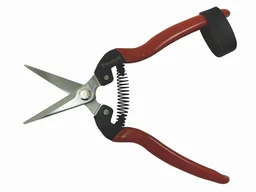
Checking the thermometer soon becomes part of your routine. If it consistently reads above 10 °C, you can start planting tomatoes outdoors. A sharp drop in temperature in the afternoon could signal overnight frost. When it’s the right time to prune roses, reach for a sharp, reliable tool. The : "Wunderschere" - the all-purpose cutter for home & garden is ideal for precise cuts.
Extra tip
Keep a small gardening journal and record the temperatures. Over time, you’ll get a better feel for your garden’s unique climate and can keep improving your planting plans.
Outdoor activities and relaxation
Choosing what to wear becomes easier. A quick glance tells you whether a T-shirt is enough for gardening or if you’ll need a sweater. It also makes it easier to plan a barbecue or coffee with friends on the patio. You can see at a glance whether it’s comfortable enough to sit outside.
The verdict speaks for itself
An XXL garden thermometer is more than a gimmick. It combines practical functionality with visual appeal. It provides useful information for your gardening, makes everyday life more comfortable and adds a stylish accent to your outdoor space. Whether you’re buying one as a gift for a gardening enthusiast or upgrading your own garden, a large, high-quality thermometer is a worthwhile investment. It proves that useful things can be beautiful, too.
Frequently asked questions
- How accurate are large garden thermometers?
- Accuracy depends on the measuring mechanism. High-quality bimetal or alcohol thermometers provide reliable readings with minimal deviation. Choose a quality brand and keep the thermometer out of direct sunlight for accurate readings and to prevent heat buildup from causing false readings.
- Where is the best place to put an outdoor thermometer?
- The ideal spot is on a north-facing wall, sheltered from direct sunlight and rain. Mount it at eye level, about two metres above the ground. This helps measure the air temperature rather than a surface warmed by the sun.
- Does an LED garden thermometer need to be plugged in?
- No. Most models are energy-efficient and run on batteries or, for a more sustainable option, an integrated solar panel. That gives you the flexibility to place one anywhere in the garden without needing a power outlet.
- What materials are best for a weatherproof thermometer?
- Stainless steel, powder-coated metal and UV-resistant plastic are all durable choices. They resist rust, moisture and fading in sunlight. Look for a sealed scale to keep water out and protect the display.
- Can I use a garden thermometer on a balcony?
- Yes. An XXL thermometer is a great addition to a balcony, too. It helps you keep an eye on the microclimate for your balcony plants and adds an attractive decorative touch that’s easy to see from indoors or outside.
You might also be interested in
- LED XXL Garden Thermometer: How to set up, read & use
- Garden planning with a weather station: Data for optimal growing
- Weather Station Test & Comparison 2026: The best models in a practical review
- Buy a 5-in-1 weather station: The ultimate guide
- Garden planner software: Digital help for garden design
- Useful greenhouse accessories: What is really worthwhile