
In brief: The right yard waste bag depends on your needs. For large amounts of leaves or hedge trimmings, sturdy, large-capacity bags of 200 litres or more are ideal. For wet yard waste, look for a heavy fabric weight and tear resistance. Lightweight bags work well for smaller, regular loads of grass clippings or weeds.
Yard Waste Bags: Test & Comparison 2026 — Top Picks Reviewed
A tidy yard is a pleasure to enjoy. But where do you put all the leaves, grass clippings and branches? Yard waste bags are a practical solution. Our 2026 comparison shows which models stand out and which bag is right for your needs. We’ll help you choose.
Table of contents
What types of yard waste bags are available?
Yard waste bags vary in material, capacity and ease of use. Choosing the right type can save you time and hassle.
Classic plastic yard waste bags
These are common options, made from durable, often recycled polyethylene. They’re tear-resistant and hold up well to moisture, making them ideal for wet grass clippings, leaves and small branches. Check that the material is thick enough for your needs.
Large-capacity bags and jumbo bags
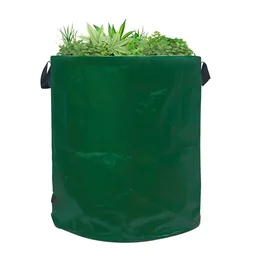
For larger properties or fall leaf cleanup, high-capacity bags are a great choice. Often holding more than 200 litres, they can handle large loads without needing to be emptied as often. These bags are especially sturdy to support the extra weight. One good option is the .
Lightweight bags for regular use
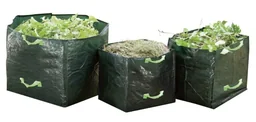
Have a small yard, or prefer to dispose of smaller loads regularly? Lightweight bags, often sold in multipacks, are easy to handle and store. The set includes three bags for flexible use.
Tip: Keep bags in a few different sizes on hand. Use a small, lightweight bag for everyday yard work and a jumbo bag for big cleanup jobs in fall or spring.
Buying criteria at a glance: what to look for
Before choosing a bag, consider these key features. They affect how long it lasts and how well it works for everyday use.
Capacity and size
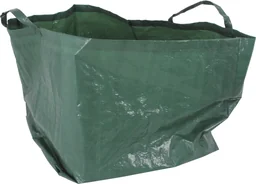
Capacity is a key factor. Think about how much yard waste your property produces. A bag that’s too small will need emptying often. One that’s too large can be awkward to move when full of wet waste. For the average home yard, bags between 120 and 150 litres offer a good balance, such as the .
Material thickness and durability
The weight in grams per square metre (g/m²) indicates how sturdy a bag is. Thin bags under 100 g/m² can tear quickly, especially when used for thorny trimmings. For general use, look for models rated at 120-150 g/m². For heavy loads and a longer service life, choose 200 g/m² or more.
Ease of use and convenience
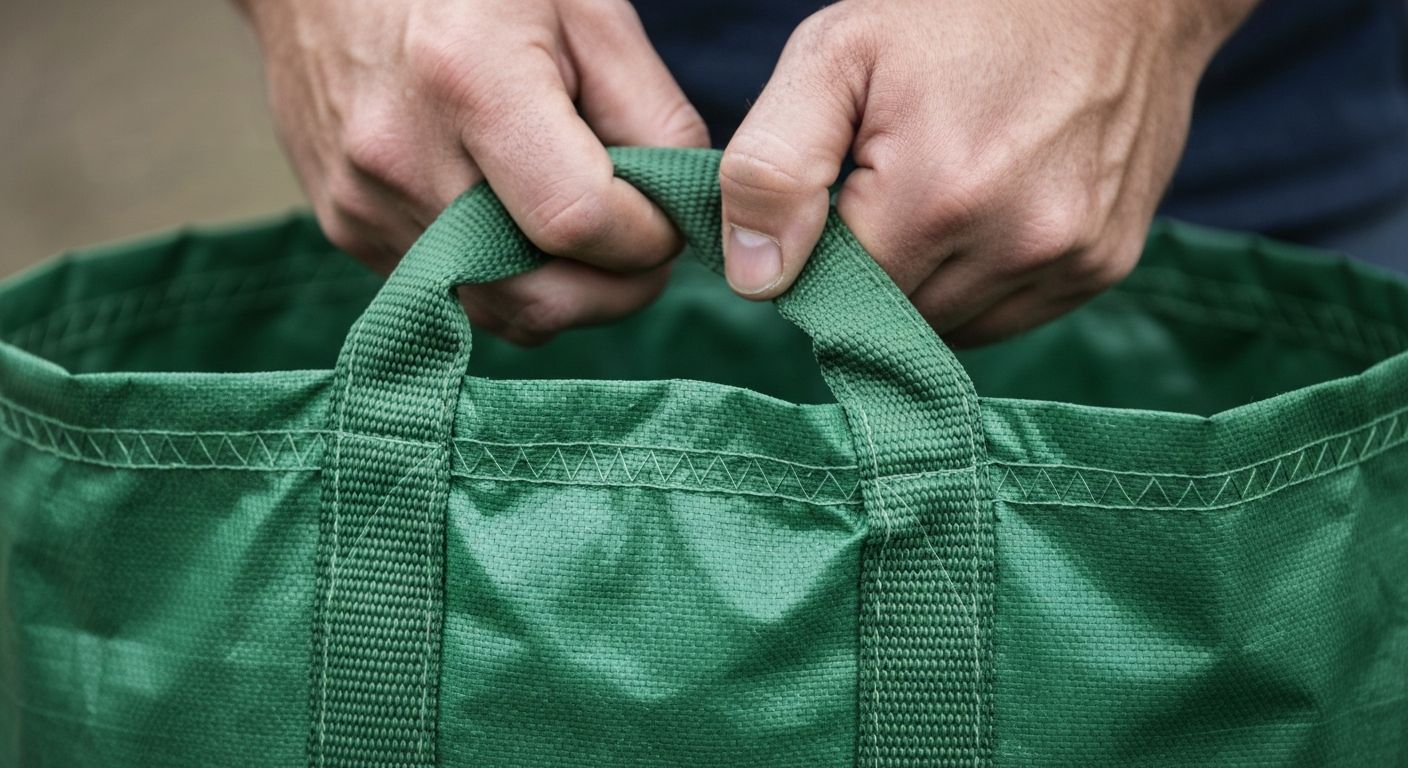
Practical features make yard work easier. Reinforced handles are more comfortable to carry. A sturdy base ring helps keep the bag upright. Some bags have side drawstrings to cinch the contents. Check whether you need a separate frame or if the bag can stand on its own.
Important: Don’t fill bags right to the top. Leave some room so you can close and carry the bag safely without tearing the seams or handles.
The best models in our 2026 comparison
Several yard waste bags stood out in our comparison. We selected these models based on their stability, ease of use and value for money.
Here are the most-reviewed yard waste bags in our range:
| Model | Customer rating | Availability |
|---|---|---|
| Premium garden and yard waste bag "Jumbo", 272 l, 200 g/m², 1 piece 🏆 Test winner | ★ 4,7 (29) | In stock |
| Yard waste bag "Big Bag", 140 litres | ★ 4,9 (7) | In stock |
| Yard waste bags, 3 pieces | – | In stock |
| Zinc bucket set, 5-piece | – | In stock |
| 3x Popup yard waste bag XL | – | Currently unavailable |
The comparison table gives you a quick overview of key features. The best bag for you is the one that suits your property and the way you work. Browse our range of yard waste bags to see all the options.
How to use and care for your bags
With proper care, your yard waste bags can last longer. Here’s how.
How to fill a bag properly
Place the bag on level ground in a sheltered spot. Use a support frame if needed. Start with light, bulky materials such as leaves. Put heavier or sharp branches in the middle to help protect the sides of the bag. Shake the bag now and then so the contents settle.
Cleaning and storage
Empty the bag completely and shake out any remaining debris. If needed, rinse it with clean water, then turn it upside down to dry. Store bags in a dry, frost-free place away from direct sunlight. This helps prevent the material from becoming brittle too soon.
Note: Even the toughest bag isn’t meant for construction debris or other hard objects. Use it only for the intended yard waste to help it last as long as possible.
Alternatives to the Traditional Bag
There are other practical helpers for specific needs. Explore more solutions in our garden category.
Transport and Collection Systems
Sturdy galvanized buckets or wheelbarrows with a storage tray are useful for collecting and transporting yard waste. They’re easy to grab and empty. A galvanized bucket set is ideal for sorting different types of waste right where you’re working.
Composting on Site
The most sustainable option is composting. Turn your yard waste into valuable compost with a thermal composter or a traditional compost bin. This completes the natural cycle and saves on disposal costs.
Disposing of Yard Waste
Once the bag is full, it’s time to dispose of it. Your options depend on where you live.
Local Yard Waste Collection
Many local waste authorities offer scheduled yard waste pickup. Check the dates and requirements in your area. Special bags or bins are often required. Pickup is convenient, but may only be available on set dates.
Drop-Off Service and Recycling Center
Alternatively, take your full bags to a recycling center or composting facility. You can often drop off larger quantities at once. Check what’s accepted and whether there are any fees before you go. Secure the bag in your car trunk or on a trailer for transport.
Whichever model you choose, a good yard waste bag is an indispensable helper for garden maintenance. It keeps your yard tidy and makes the work easier. Choose the capacity and strength you need, and you can enjoy your practical garden helper for years to come.
Frequently Asked Questions
- What size yard waste bag do I need?
- The capacity you need depends on the size of your yard and how much waste it produces. For small yards or regular disposal of grass clippings, 100-150 liters is often enough. For large yards with lots of leaves or hedge clippings, choose a model with a capacity of 200 liters or more. Keep in mind that full bags can get very heavy.
- How sturdy should a yard waste bag be?
- Check the material weight, listed in grams per square meter (g/m²). Lightweight bags (approx. 80 g/m²) are suitable for dry, light waste. For damp grass clippings, leaves, or thorny branches, choose a heavy-duty model with at least 120 g/m². Reinforced seams and a reinforced base also add strength.
- Can I reuse yard waste bags?
- It depends on the material and how you use the bag. Basic, thin-walled bags are often designed for single use. Sturdy models made from tear-resistant material can be reused several times with careful handling, especially for dry waste. Clean the bag thoroughly after emptying it and let it dry to prevent mold.
- What can I put in a yard waste bag?
- Only compostable yard waste such as leaves, grass clippings, weeds, small branches, and wilted flowers should go in the bag. Never put plastics, treated wood, soil, stones, or household trash in it. Check with your local waste authority for the rules on yard waste disposal in your area.
- Do I need a separate support frame for the bag?
- A support frame isn’t essential, but it’s very useful. It keeps the bag upright and stable, makes it much easier to fill, and helps prevent it from tipping over. A frame is especially useful for large, bulky bags or on windy days. Some bags have built-in supports.