
In brief: Yard waste does not belong in the regular trash. Dispose of it in the biowaste bin, add it to your compost pile, or use your local authority’s yard waste collection. Burning leaves and garden trimmings is prohibited almost everywhere and can result in hefty fines. For larger amounts, use special yard waste bags or take the material to a recycling center.
Dispose of yard waste properly and avoid fines
Every gardener knows the piles of grass clippings, leaves, and hedge trimmings left after seasonal yard work. But where should they go? Improperly disposing of yard waste is no minor offense. It harms the environment and can lead to costly fines. Here are the legal, eco-friendly ways to get rid of it.
What counts as yard waste?
Yard waste includes plant-based material left over from maintaining your garden. This includes grass clippings, leaves, faded flowers and perennials, weeds, hedge trimmings, thin branches, and twigs. Nonwoody plant parts from vegetable beds count, too. These materials are biodegradable and useful.
So don’t treat them as a nuisance to throw away. They’re a resource. Proper disposal saves money and protects the environment. Bulky wood, such as thick branches or tree trunks, often needs to be handled separately.
Why is improper disposal a problem?
Burning yard waste in your garden is prohibited almost everywhere in Germany. Burning it releases particulate matter and toxic gases such as dioxins. These pollutants harm air quality and the health of local residents.
Dumping waste illegally in woods or along field edges disrupts the ecological balance. It can displace native plants and contribute to the spread of invasive species. The material may also decompose very slowly and rot because it lacks oxygen.
Important note
Fines for burning or illegally dumping yard waste vary by location. They often start at 50 Euro and can reach four figures for serious violations or large quantities. Check with your local authority.
How do I dispose of yard waste properly?
You have several legal options. The best one depends on the amount and type of waste, as well as the services available in your area.
Use the biowaste bin
The biowaste bin works well for smaller amounts. Add grass clippings, leaves, and small amounts of woody trimmings. Don’t overfill it with wet grass clippings alone. They can rot and prevent the bin from being collected.
Mix wet materials with dry ones. Chop branches into small pieces first. Large amounts of bulky material don’t belong in the biowaste bin. Handy yard waste bags can help you collect it.
Use your local yard waste collection
Many towns and local authorities offer special collection dates in spring and fall. Yard waste is picked up on designated days. You may need to use special bags or tie the material into bundles.
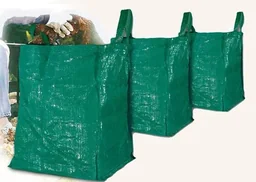
The bags are usually biodegradable or made from tear-resistant paper. A sturdy alternative is reusable plastic bags such as the
or the handy .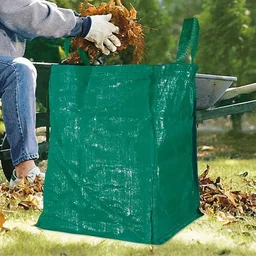
Expert tip
Keep leaves and garden trimmings dry before pickup. Wet material gets very heavy, can tear the bags, and is harder to handle. A dry, well-ventilated spot under a tarp is ideal.
Take it to a recycling center
For larger amounts, especially bulky hedge trimmings or tree stumps, take your yard waste to a recycling center. Drop-off is often free or costs a small fee. Transport the material safely in a trailer or covered with a tarp.
Large collection bags are handy for transport. Yard waste dropped off at the center is professionally composted or shredded, then used in agriculture or landscaping.
The best option: Compost at home
Composting is the most sustainable way to handle yard waste. It closes the nutrient loop right in your garden. Waste becomes nutrient-rich humus and natural fertilizer.
A compost pile or an enclosed composter such as the
speeds up the process. The right mix matters: combine moist, nitrogen-rich materials such as grass clippings with dry, carbon-rich materials such as shredded branches and leaves.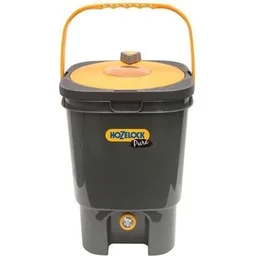
A well-managed compost pile needs no additives. It’s all about the right mix. Too many grass clippings cause rotting, while too much wood slows decomposition. Turning the pile once per season is enough.
What can go in the compost pile?
Almost all untreated plant waste is suitable: vegetable scraps, coffee grounds with the filter, eggshells, leaves, partly dried grass clippings, finely shredded hedge trimmings, and faded flowers. Avoid cooked food scraps, meat, diseased plants, and weeds with persistent roots, such as ground elder.
Use finished compost to fertilize your beds and improve the soil. This can save you money on store-bought soil and fertilizers. Find products for soil care in our Lawn Lime & Garden Lime category.
Additional advice
If you don’t have room for a compost pile, ask your neighbors. A home gardener may be happy to take your extra organic material. Community gardening projects and school gardens may welcome it, too.
The right tools for collecting yard waste
The job starts with collecting waste around the garden. The right tools and containers make it much easier.
A sturdy rake and sharp garden shears are basic equipment. Large, durable bags are essential for gathering waste and taking it to a collection point. They save time and help prevent back strain.
Products such as the (80 Liter) or the handy offer plenty of capacity and are easy to handle. They dry quickly and can be reused several times.
Find all the tools you need for gardening in our extensive range of garden tools.
What happens to collected yard waste?
Yard waste collected by your local municipality is taken to commercial composting facilities. Under controlled conditions with plenty of oxygen, high-quality compost or digestate is produced within a few months.
This material is used in agriculture, landscaping or your own garden to improve the soil. That way, nutrients from your yard return to the natural cycle. Yard waste can also be used to generate energy at biogas plants.
Modern composting is high-tech. Sensors monitor temperature and moisture. The result is a consistent, low-germ product that can replace peat in potting soil. Every contribution to separate collection helps.
Special cases: fall leaves and diseased plants
Large amounts of fall leaves can be a challenge. They are ideal for composting or as winter cover for sensitive perennials. Rake them off your lawn, or they can cause dead patches.
Diseased plant material, such as roses with black spot or powdery mildew, should not go into your home compost pile. Temperatures often do not get high enough to kill the spores. Put this waste in your curbside compost bin or take it to a yard waste collection site.
How to organize yard waste disposal
Plan ahead. If you know major pruning is coming up, check well in advance for the next yard waste pickup or your local recycling center's hours.
Set up a permanent collection area in your yard. A partially shaded spot protected by garden fleece or a tarp keeps the material from drying out or getting waterlogged. Keep your collection bags and necessary tools close at hand.
With good organization, yard waste disposal becomes routine, helping you avoid stress and potential fines. A well-maintained yard is a joy. Taking care of it sustainably is too.
Frequently Asked Questions
- Can I burn yard waste in my own yard?
- Burning yard waste is prohibited in many states and local jurisdictions year-round, or except during limited time windows. Violations can result in fines of several hundred euros. Environmentally friendly alternatives include composting or taking the waste to a yard waste collection site.
- What yard waste can go in the curbside compost bin?
- Small amounts of grass clippings, leaves, weeds, wilted flowers, thin branches and shrub trimmings can go in the curbside compost bin. Large amounts or bulky items such as tree trunks can overfill it. Use special yard waste bags for larger amounts or take them to a recycling center.
- How much are the fines for illegal yard waste disposal?
- Fines for illegally burning or dumping yard waste in natural areas often start at 50 euros and can quickly rise to 500 euros or more, depending on the amount and local regulations. More serious environmental damage can even result in four-figure fines.
- How do I compost yard waste properly?
- Mix moist materials (grass clippings) with dry materials (leaves, shredded branches). Layer them loosely and aerate the pile regularly. An enclosed composter speeds up decomposition. Use the finished compost as a natural fertilizer for your garden beds.
- Where can I get yard waste bags for collection?
- Many local authorities provide special, often biodegradable paper bags for yard waste collection. Alternatively, sturdy reusable plastic bags are suitable, such as PRODUCT_73143 or PRODUCT_117024. Check with your local municipality for the exact requirements.
You might also be interested in
- Yard waste disposal: A seasonal guide
- How to use a yard waste bag: The ultimate guide
- How to transport heavy yard waste: The ultimate guide
- How to dispose of leaves: Practical tips for homeowners in fall
- Recycling center: How to dispose of waste properly
- Removing a tree from your yard: What you need to know about the law