
In brief: Year-round lawn care succeeds with a seasonal plan. In spring and summer, strengthen your lawn with a nitrogen-rich fertilizer such as NPK 21-6-12. In fall, a potassium-rich fertilizer improves winter hardiness. Regular mowing, watering as needed and removing leaves are essential for a healthy lawn.
A lush, thick, green lawn is no accident. It is the result of consistent care and a well-planned supply of nutrients throughout the year. Forget sporadic efforts. A strategic plan based on your lawn's needs leads to success. The foundation is understanding seasonal requirements and using the right fertilizer at the right time.
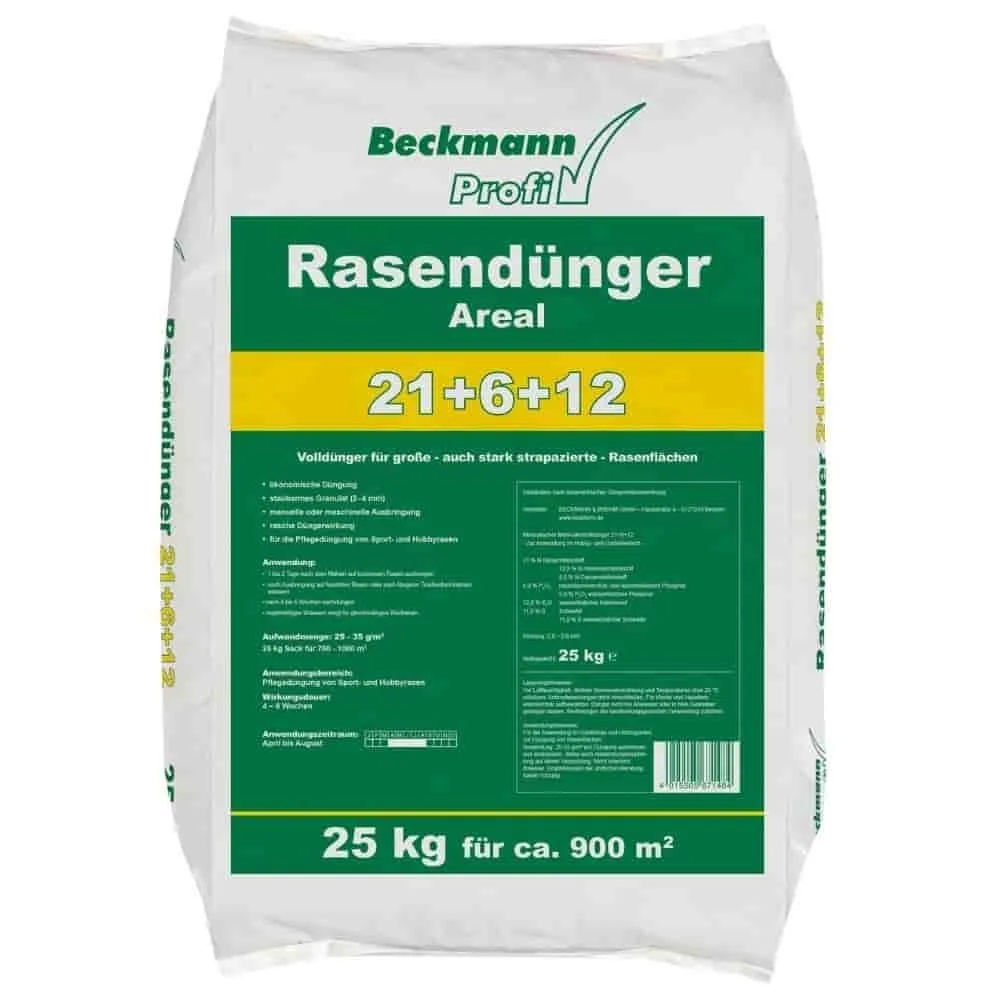
The key to a healthy lawn lies in supplying nutrients in a targeted way. This is where the right complete fertilizer comes in. The 25kg lawn fertilizer with quick action () is the foundation for your success. With its NPK ratio of 21-6-12, it provides exactly the combination of nutrients your lawn needs during its growing phases to become strong and resilient. The quick action delivers fast results that you can see and feel.
Why is a fertilizer schedule so important for your lawn?
A lawn is a living organism whose needs change with the seasons. A rigid approach does not meet those needs. A well-planned fertilizer schedule ensures that your lawn receives the right nutrients precisely when it needs them most. That is what makes the difference between an average lawn and an outstanding one.
In spring, your lawn needs an energy boost to wake up from winter dormancy and grow vigorously. In summer, it needs strength to withstand heat, drought and heavy use. Fall is the time to prepare for the cold season by improving resilience. In winter, the lawn rests and gathers strength. Your care plan must reflect these cycles.
A good gardener does not work against nature, but with it. This is especially true for lawns. Anyone who understands and supports the seasonal rhythm will be rewarded with healthy, resilient grass.
Decoding the NPK code: What does 21-6-12 really mean?
The numbers on a fertilizer package are not secret science. They represent the percentage ratio of the three essential primary nutrients every plant needs to live: N, P and K.
- N for nitrogen (21%): This is the engine of growth. Nitrogen is a key component of chlorophyll, which is responsible for photosynthesis and the intense green color. A high nitrogen content, such as the 21% in the lawn fertilizer, promotes fast, dense blade growth in spring and summer.
- P for phosphorus (6%): Phosphorus supplies energy and promotes root development. It supports strong root growth, which is essential for absorbing water and nutrients from the soil. Healthy roots are the foundation of a hard-wearing lawn.
- K for potassium (12%): Potassium is your grass's protective shield. It regulates the water balance in plant cells, strengthens cell walls and makes the lawn more resilient to drought, disease and, above all, frost.
The 21-6-12 ratio is therefore ideal for the main growing season. It provides a strong growth boost through nitrogen, supports the roots with phosphorus and ensures basic resilience through a solid potassium content. Products in the quick-action category deliver these nutrients particularly quickly.
Your detailed year-round lawn care plan
Systematic care pays off. Follow this seasonal plan to give your lawn everything it needs. Use it as a guide and adapt it to the specific conditions in your garden and the weather.
Spring (March - May): Getting started
As soon as the snow has melted and the ground is no longer frozen, your lawn awakens. Now is the time to lay the foundations for the whole year.
- Clear up: Remove old leaves, branches and other winter debris from the lawn.
- First mowing: Mow the lawn as soon as it starts growing noticeably. Do not set the cutting height too low (approx. 4-5 cm).
- Scarifying: Once the soil has dried out and the lawn is growing (usually from April), scarify it to remove moss and thatch. This aerates the soil and creates space for new grass.
- First fertilising: Immediately after scarifying is the perfect time to apply the first nutrients. Spread the lawn fertiliser evenly. Its high nitrogen content quickly fills gaps and promotes strong growth.
- Overseeding: Repair bare patches with high-quality grass seed.
Pro tip
Do not scarify too early! The soil should be at least 8-10 °C warm. A simple test: when the forsythia is in bloom, the lawn is generally ready for its first intensive care and fertilising.
Summer (June - August): Managing the stress period
Heat, sunlight and intensive use put your lawn under pressure. With the right care, it will remain lush green and healthy during this period.
- Water correctly: Water less frequently but thoroughly (1-2 times a week with 15-20 litres per square metre). This encourages deep root growth and makes the lawn more drought-tolerant.
- Mow higher: Increase the cutting height to 5-6 cm. The longer blades of grass shade the soil, reduce water evaporation and protect the grass roots from direct sunlight.
- Second application of fertiliser: Around 8-10 weeks after the first application, usually in June, it is time for a second application of the lawn fertiliser. This ensures that the lawn does not run out of nutrients during the height of summer.
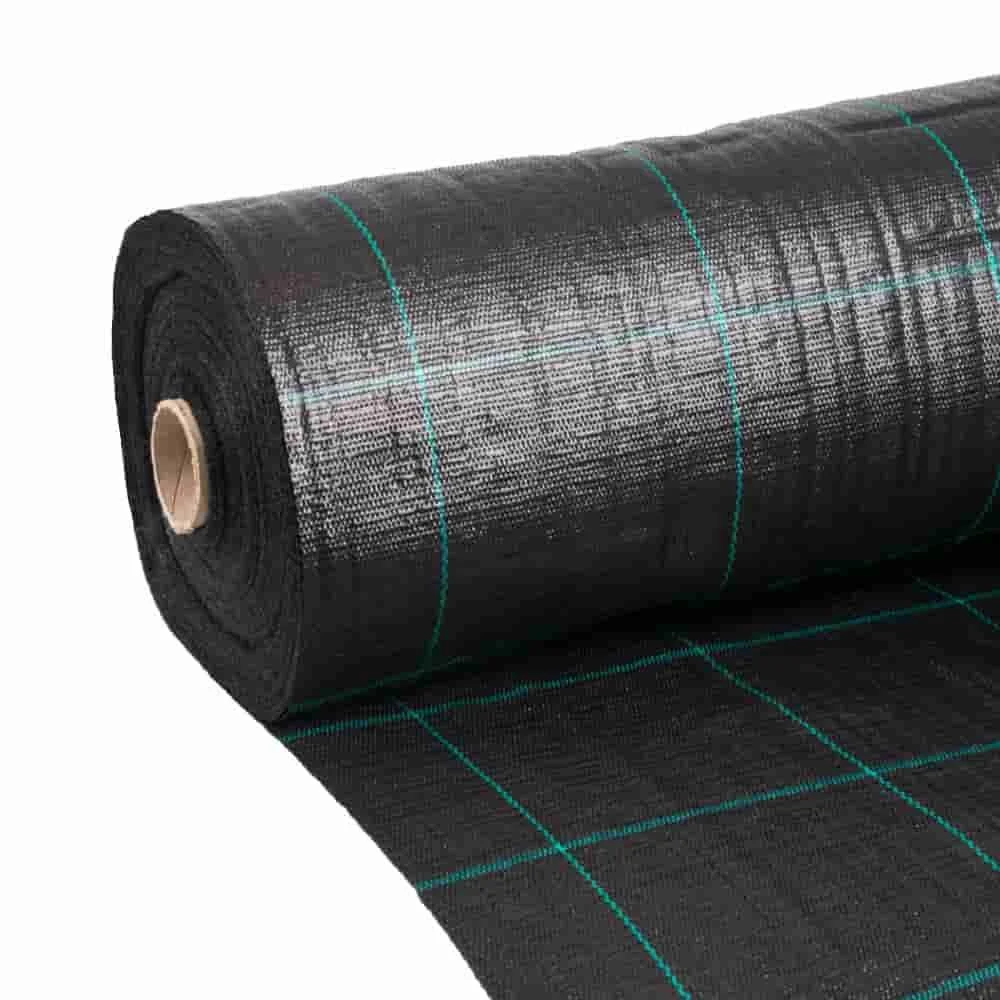
- Weed control: A dense, well-nourished lawn is the best defence against weeds. When creating new beds or lawn areas, weed control fabric () can help suppress weeds from the outset.
Additional advice
Never mow in the midday heat. This puts additional stress on the grass and causes brown, scorched tips. The best times to mow are early morning or late afternoon.
Autumn (September - November): Preparing for winter
Now the aim is to strengthen the lawn and prepare it for the cold months. Blade growth slows down, while root growth becomes more important.
- Final fertilising: The most important fertilising of the year takes place in September or October. The lawn now needs less nitrogen and more potassium. Potassium acts like an antifreeze for the plant cells. A special autumn lawn fertiliser with a high potassium content is the ideal choice.
- Remove leaves: Regularly remove fallen leaves. A thick layer of leaves smothers the lawn and encourages fungal diseases and rot. A leaf protection net () can help collect leaves easily on smaller areas.
- Final cut: Mow the lawn one last time at the end of October or beginning of November. A cutting height of around 5 cm is ideal. Blades that are too long bend under the weight of snow and rot, while blades that are too short provide no protection.

Winter (December - February): The well-earned dormant period
In winter, the lawn lies dormant. Give it this break. The most important care measure now is to disturb it as little as possible.
- Protect the lawn: Do not walk on the lawn when it is frosty or covered in frost. Frozen grass blades break like glass, and the footprints remain visible until spring as unsightly brown patches.
- Maintain your equipment: Use this time to clean and maintain your lawnmower, scarifier and other garden tools. This will ensure you are fully prepared for the start of the season.
Important note
Under no circumstances should you apply a nitrogen-rich fertiliser in late autumn or winter. This would encourage late growth, weakening the grass and making it extremely susceptible to frost damage and winter diseases.
How can I recognise nutrient deficiencies in my lawn?
A close look at your lawn reveals a lot about its health. Certain symptoms point to a specific deficiency that you can correct with the right lawn fertiliser.
Symptoms of nutrient deficiencies:
- Nitrogen deficiency (N): The clearest sign is an overall lightening of the lawn. The grass turns pale green to yellowish, grows only sparsely and the turf becomes patchy.
- Phosphorus deficiency (P): This problem is less common and more difficult to identify. The grass often develops a dull, dark green to blue-green colour, sometimes with a reddish-purple tinge. Root growth is severely restricted.
- Potassium deficiency (K): A lawn with a potassium deficiency is not resilient. It wilts very quickly in dry conditions, is susceptible to disease and recovers slowly from stress. The blade tips may turn yellow or brown.
Regular fertilising with a balanced complete fertiliser such as effectively prevents these deficiencies during the growing season.
The right nutrition is just as important for a lawn as it is for us. A lack of essential nutrients inevitably leads to weakness and susceptibility. Consistency is the key to success.
A Healthy Lawn Can Be Planned
A beautiful lawn is not the result of magic, but of knowledge, planning and the right equipment. With a year-round care plan that takes the seasonal needs of your lawn into account, you lay the foundation for lasting success. Consistent application of the right nutrients, especially with a high-performance fertiliser, is the key building block.
Start now and transform your lawn into a dense, green oasis that enhances the entire Garden + Outdoor area. With the right plan and the right products from Westfalia, the path to your dream lawn is clearly mapped out.
Frequently Asked Questions
- When is the best time to apply the first fertiliser of the year?
- The ideal time for the first lawn fertiliser application is in spring, usually in March or April, as soon as the soil temperature remains consistently above 8-10°C. After the first mowing and scarifying, the lawn is particularly receptive to the nutrients that stimulate its growth.
- How often should I fertilise my lawn?
- For a lawn with an optimal supply of nutrients, experts recommend applying fertiliser three to four times a year. Start in spring, apply another dose in early summer and use a special autumn fertiliser to prepare the lawn for winter. Follow the recommended dosage.
- What does NPK mean on fertiliser?
- NPK stands for the three main nutrients plants need: N for nitrogen (promotes leaf growth), P for phosphorus (strengthens the roots) and K for potassium (improves resilience). The numbers indicate the percentage ratio of these nutrients in the fertiliser.
- Can I fertilise when it is raining?
- Applying fertiliser shortly before light rain is ideal, as the water washes it into the soil so the roots can absorb it more quickly. However, avoid fertilising during heavy rain, as the nutrients could be washed away before they have a chance to work.
- Do I really need to use different fertiliser in autumn than in spring?
- Yes, this is crucial. In spring, the lawn needs plenty of nitrogen (N) for growth. In autumn, it mainly needs potassium (K) to strengthen the cell walls and improve frost resistance. Using a nitrogen-rich fertiliser in autumn would make the lawn more susceptible to frost damage.
You might also be interested in
- Fertilising your lawn: The right time for instant results (NPK 21-6-12)
- Find the best lawn fertiliser
- Lawn care guide: Your route to a dense, green dream lawn
- Yellow lawn? Quick help for lush green grass
- How to fertilise your lawn properly in summer for lush green grass
- Lawn fertiliser with weed killer: An efficient combination for a flawless lawn