
In brief: An annual cleaning plan breaks deep cleaning into manageable steps. Start by taking stock of every room and creating a schedule. Focus on one area per day, such as windows, kitchen cupboards or floors. Use the opportunity to declutter and invest in powerful cleaners such as PRODUCT_23405 for stubborn dirt.
Your Annual Cleaning Plan: Master the Deep Clean
Your annual house clean is looming. You do not have to do everything in one weekend. A strategic plan breaks the big task down into manageable sections.
You gain control over your home. Cleanliness becomes a process rather than a battle.
Why is an annual cleaning plan worthwhile?
A plan is your roadmap through the chaos. It stops you getting lost in the details or forgetting important areas.
You save time and energy by working systematically. The mental load decreases as soon as the tasks are written down.
A good plan also takes your resources into account. Which cleaning products do you have in stock? Which garden tools need maintenance?
The biggest hurdle in deep cleaning is not the dirt but the lack of structure. A weekly plan makes progress visible and keeps you motivated.
How do you create your personal cleaning plan?
Start by taking stock. Walk through every room with a notepad. Make a list of what needs to be cleaned here each year.
This includes windows, curtains, the inside and outside of cupboards, lamps, hard-to-reach surfaces and flooring. Do not forget Garden + Outdoor areas such as patios, garden furniture and garden sheds.
Expert tip
Work from top to bottom and from back to front. Clean ceilings and the tops of shelves first, then furniture and finally the floors. This ensures that dust falls onto surfaces that still need cleaning.
Organise the tasks by room or activity. One possible structure is: Day 1 – Decluttering and sorting, Day 2 – Windows and glass surfaces, Day 3 – Kitchen, Day 4 – Bathrooms, Day 5 – Living rooms and bedrooms, Day 6 – Floors and carpets, Day 7 – Garden and outdoor areas.
Which cleaning products and tools do you need?
The right equipment makes the work more efficient. For deep cleaning, you need more than your everyday mop.
A powerful deep-cleaning detergent is essential.
, such as Bevi Liquid, removes grease, limescale and dirt from a range of surfaces. It is a concentrate with many possible uses.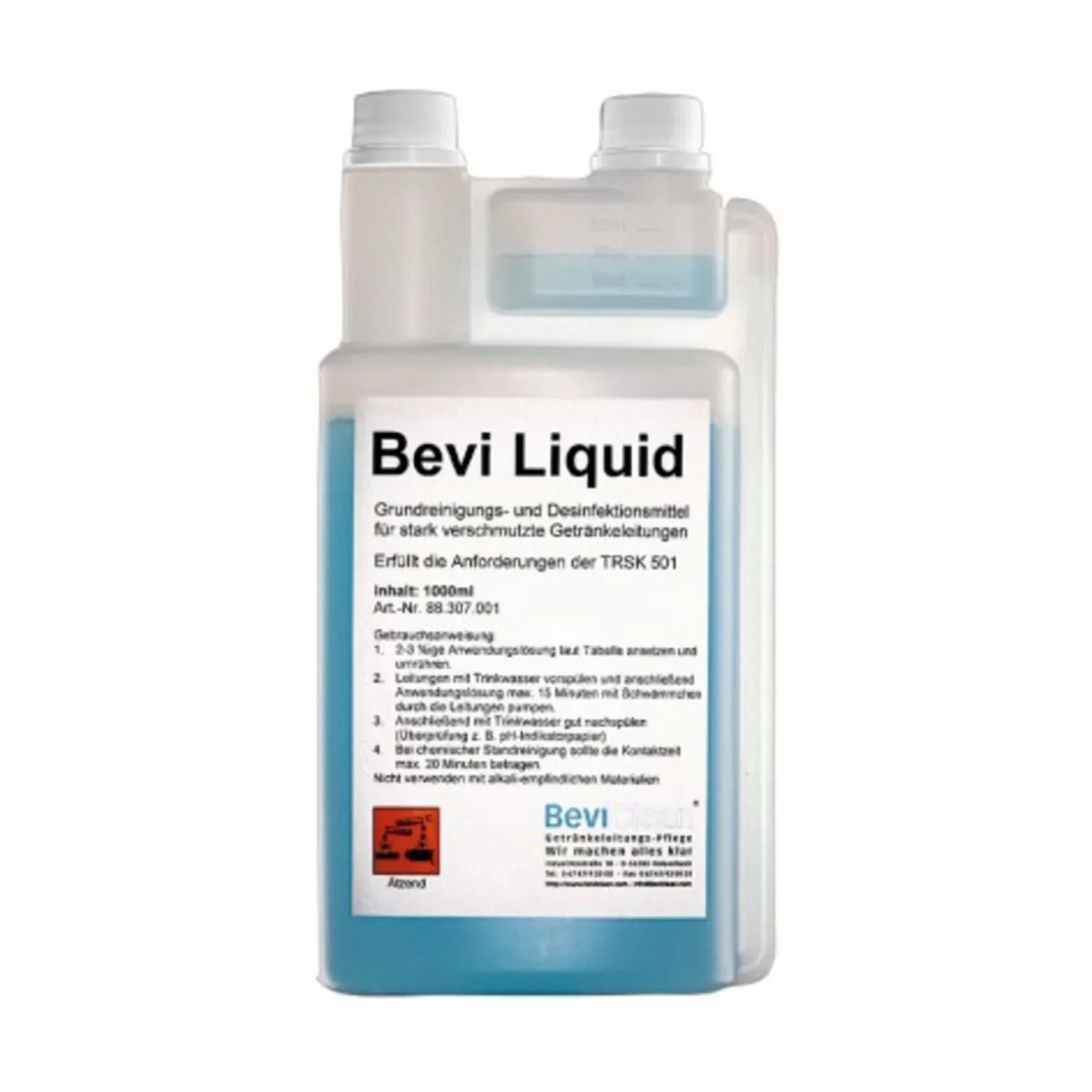
For large areas such as patios or garage driveways, it is worth using pressure washers. Machines such as the
(SPRINTUS Hercules Duo Speed PRO) work with high pressure and a variable brush attachment. They save a great deal of time.
Important note
Always test aggressive cleaners or scouring agents on an inconspicuous area first. Some surfaces, such as painted wood or engineered stone, are sensitive. Read the manufacturer's instructions on the cleaning products.
Special tasks require specialist tools. For cleaning hard-to-reach lines, such as those found in Plumbing + Irrigation, a device such as the
(Bevi MiniMax) is designed for the job. It ensures hygienically clean lines.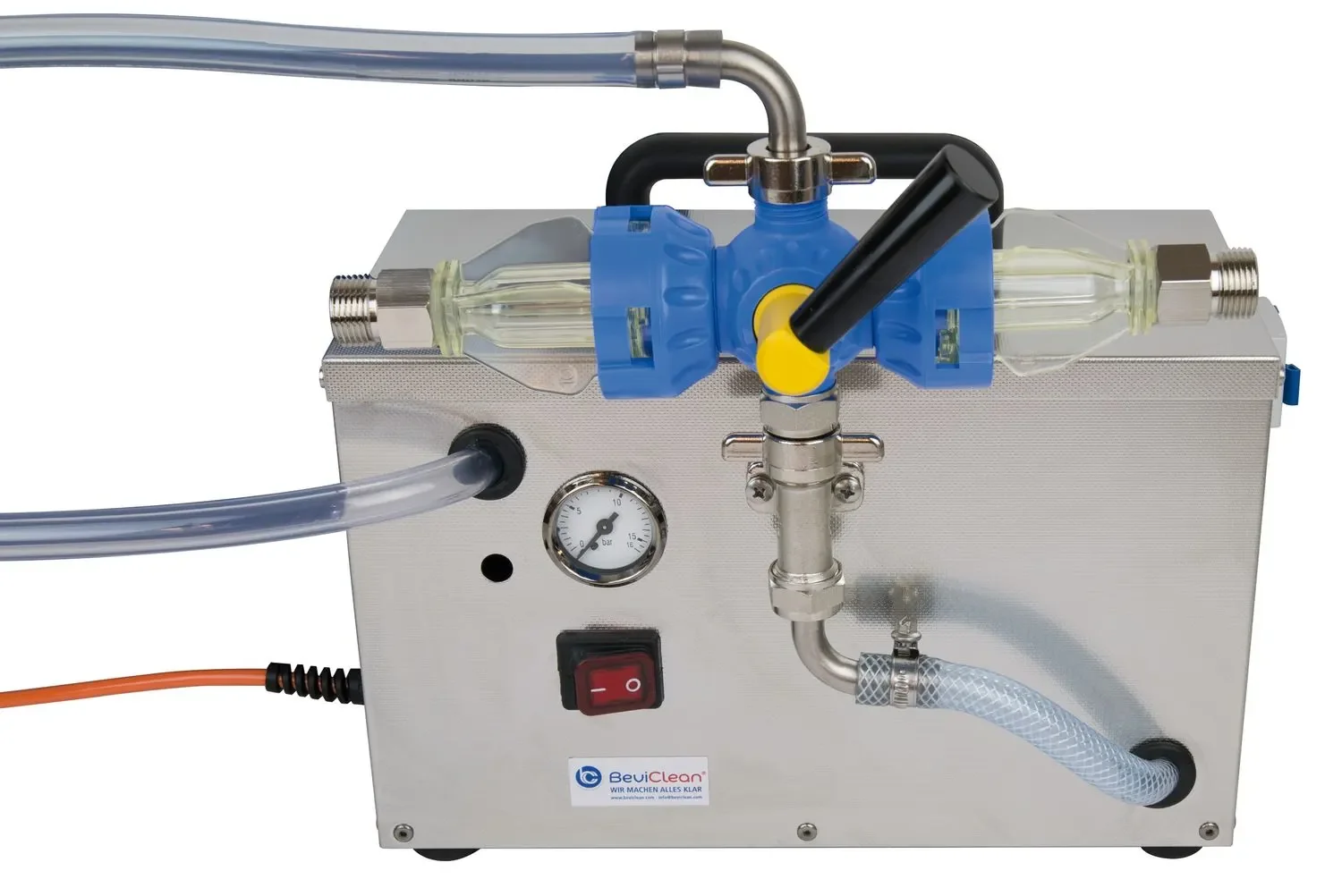
How do you tackle the kitchen and bathroom during a deep clean?
These rooms deserve special attention. In the kitchen, the main issue is grease; in the bathroom, it is limescale and soap residue.
Empty all cupboards completely. Wipe the inside surfaces with a mild cleaner. Check for out-of-date food and spices.
Clean the oven, the fridge including its seals and the extractor hood thoroughly. Remove the sieves and grease filters and clean them separately.
The extractor hood is the kitchen's grease magnet. An annual deep clean helps prevent fire hazards and maintains the appliance's performance.
In the bathroom, remove limescale deposits from taps, shower enclosures and tiles. An acidic cleaner is helpful here. Remember to clean the radiator vent and ventilation grilles.
What does outdoor garden cleaning involve?
Annual house cleaning does not end at the patio door. Garden furniture, barbecues, play equipment and paths all need care.
Clean plastic, metal or wooden garden furniture according to the material manufacturer's instructions. A pressure washer is suitable for robust materials such as stone or teak.
Additional advice
Plan outdoor cleaning for a dry day with mild temperatures. This allows furniture and surfaces to dry quickly and helps prevent streaks. At the same time, check garden irrigation hoses and valves for damage.
The barbecue deserves a deep clean. Remove baked-on grease from the grill and the inside of the barbecue. Check the connections on gas barbecues. You can find many of the items you need in our Barbecues + Fire Pits category.
Check play equipment such as swings or sandpits for stability and wear. Clean the surfaces.
How can you keep your home clean for longer after a deep clean?
All that hard work should pay off. Small routines help maintain the cleanliness you have created.
Introduce weekly 'hot spot' cleaning sessions. These include wiping down kitchen surfaces, giving the bathroom a quick clean and vacuuming the main walkways.
Declutter regularly. Keep only what you really need or love. Well-designed storage systems, including workshop supplies in the garage, help keep everything organised.
Immediately after cleaning, make a note of what could be done better next year. Which tools were missing? Which area took surprisingly long? Adjust your plan accordingly.
With this structured approach, annual house cleaning becomes a satisfying project instead of a dreaded chore. You regain a clean, tidy living space – both indoors and outdoors.
Frequently Asked Questions
- How often should I do an annual deep clean?
- A complete deep clean once a year is sufficient for most households. Spring or autumn is ideal, as you can ventilate your home with the windows open. Adapt the timing to your personal routine, for example before major holidays or after returning from a trip.
- Which areas do I most often forget when cleaning my home?
- Commonly neglected areas include lampshades and ceiling fans, the backs and tops of furniture, door frames and hinges, roller shutter boxes, extractor fan grilles and radiators. Make sure to list these areas explicitly in your plan.
- Can I manage a deep clean on my own?
- Yes, with a realistic schedule it is possible. Spread the tasks over one to two weeks and set aside just 2-3 hours each day. Delegate simple tasks to family members, such as dusting shelves or emptying drawers.
- Which cleaning products are essential for an annual deep clean?
- You will need an all-purpose cleaner, a specialist limescale and grease remover for the kitchen and bathroom, scouring cream or paste for stubborn stains, glass cleaner and a neutral cleaner for delicate surfaces. A concentrate such as PRODUCT_23405 is economical and versatile.
- How can I keep my home clean for longer after a deep clean?
- Establish weekly mini-routines for vacuuming, wiping surfaces and cleaning the bathroom. Make things easier with the 'one-touch rule': take items with you whenever you leave a room. Invest in practical storage solutions from our garden equipment range.
You might also be interested in
- Spring cleaning challenge: your 21-day plan for a clean home
- Clean smarter: efficient household cleaning tips for a spotless home
- Organise your home: finally achieve order and clarity
- Effective household remedies: natural cleaning solutions
- Cleaning the bathroom: top tips for a sparkling bathroom
- Declutter effectively: tips for a tidy home