
In brief: Place your ZZ plant in a bright spot out of direct midday sun. Water only when the soil is mostly dry, and let excess water drain away. A light feed during the growing season is enough. This makes the Zamioculcas a hardy houseplant for many rooms.
The ZZ plant is one of the hardiest houseplants: it copes with less light than many other foliage plants and can tolerate short dry spells. Its glossy, dark green leaves add structure to living rooms and offices. A few simple care steps can prevent the most common problems, especially waterlogged soil and root rot.
The plant’s botanical name is Zamioculcas zamiifolia. It grows slowly and stores water in thick underground rhizomes. That means it needs neither frequent watering nor much fertiliser. Learn what it needs, and you can keep it healthy for years with minimal effort.
What makes the ZZ plant so hardy?
The Zamioculcas is native to East Africa and belongs to the arum family. What looks like several individual stems is actually a set of pinnate leaves that grow from the rhizome in the soil. This storage organ helps the plant survive long dry spells. It also explains why too much water causes problems sooner than a short break between waterings.
Slow growth takes patience
New shoots often appear in flushes. Each shoot unfurls its leaflets as it grows taller. After that, the plant may show little visible change for a while. This is normal for a ZZ plant and, on its own, is no reason to add more fertiliser or water more often. Even a healthy, mature plant can grow slowly.
This plant is a good choice if you want an attractive foliage plant that needs little care. It is one of the low-maintenance plants, as long as you respect its limits: low light slows growth, and persistently wet soil damages the roots. If you’re adding to your selection of garden and plant supplies, look for pots with drainage holes and enough room for the rhizome.
“Less light usually means slower growth. A bright spot with indirect light encourages stronger growth.”
Where should you place a ZZ plant?
A bright spot out of direct midday sun is a good choice. The ZZ plant also tolerates partial shade and can grow in a room with lower light. However, it will usually grow more slowly there and may produce fewer new shoots. Consider the amount of natural daylight rather than choosing a spot based only on which direction the windows face.
Light and sun protection
A spot by a window with bright, filtered light usually provides the best conditions for growth. The plant generally handles morning or evening sun better than intense midday sun. After moving it from a dark room, give it time to adjust to brighter light. Don’t put it straight into full sun, or pale or brown patches may appear on the leaves.
If your ZZ plant is some distance from a window, keep an eye on the spacing and growth of new shoots. If they look very weak or the plant stops growing for a long time, move it a little closer to the light. Turning the pot occasionally helps keep the leaves from growing towards the window all the time.
Temperature and draughts
Normal indoor temperatures suit the plant well. Protect it from cold draughts, frost and chilly windowsills. In winter, don’t place it right by a draughty entrance or above a balcony door that is opened often. A normal living space is better than a permanently cool basement.
Pro tip
Check the spot over several weeks. If new shoots look strong and healthy, the light is probably right. When moving your ZZ plant to a brighter room, help it adjust gradually and protect it from direct midday sun.
How often should you water a ZZ plant?
Don’t water to a fixed weekly schedule. What matters is how dry the soil in the pot is. Check the top few centimetres with your finger or lift the pot: a light pot and dry soil are signs that it needs water. If the compost is still damp, wait a little longer.
When watering, soak the soil evenly until a little water runs out of the drainage holes. Then empty the water from the outer pot or saucer. The roots and rhizomes don’t tolerate constantly wet soil. A pot without drainage makes it difficult to get rid of excess water reliably.
Water less in winter
With less light and cooler temperatures, the plant grows more slowly and uses less water. Check it less often and wait until the compost is mostly dry. A warm, bright spot may still need slightly more regular watering in winter than a dark one. Check the soil instead of basing watering solely on the time of year.
Use room-temperature water and pour it directly onto the soil. Any water that collects between the leaf stalks doesn’t need to be left there. You can use soft or standing water if you have it, but getting the amount right matters more than treating the water specially.
Important note
Yellow leaves combined with soil that stays wet may indicate overwatering and damaged roots. Let the pot drain, and check the roots if the problem persists. Remove any mushy, dark parts with a clean tool and repot the plant in fresh, free-draining compost.
How Do You Fertilize and Repot a ZZ Plant?
Because it grows slowly, a ZZ plant needs very little fertilizer. During the growing season in spring and summer, occasionally feed it with a liquid fertilizer for foliage plants. Follow the dosage on the package and fertilize only when the plant is actively growing. In winter, you can usually stop fertilizing.
Fertilizer sticks can be an easy way to feed foliage plants.
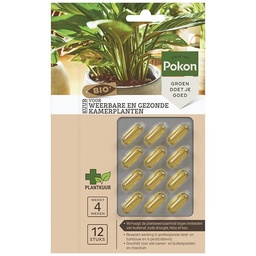
is labeled as fertilizer for foliage plants, houseplants and palms. Use the sticks only as directed on the package and avoid adding extra fertilizer, so nutrients don't build up in the potting mix. is a capsule product for hardy, healthy houseplants. Follow the manufacturer's directions here, too; no supplement can replace proper watering and light.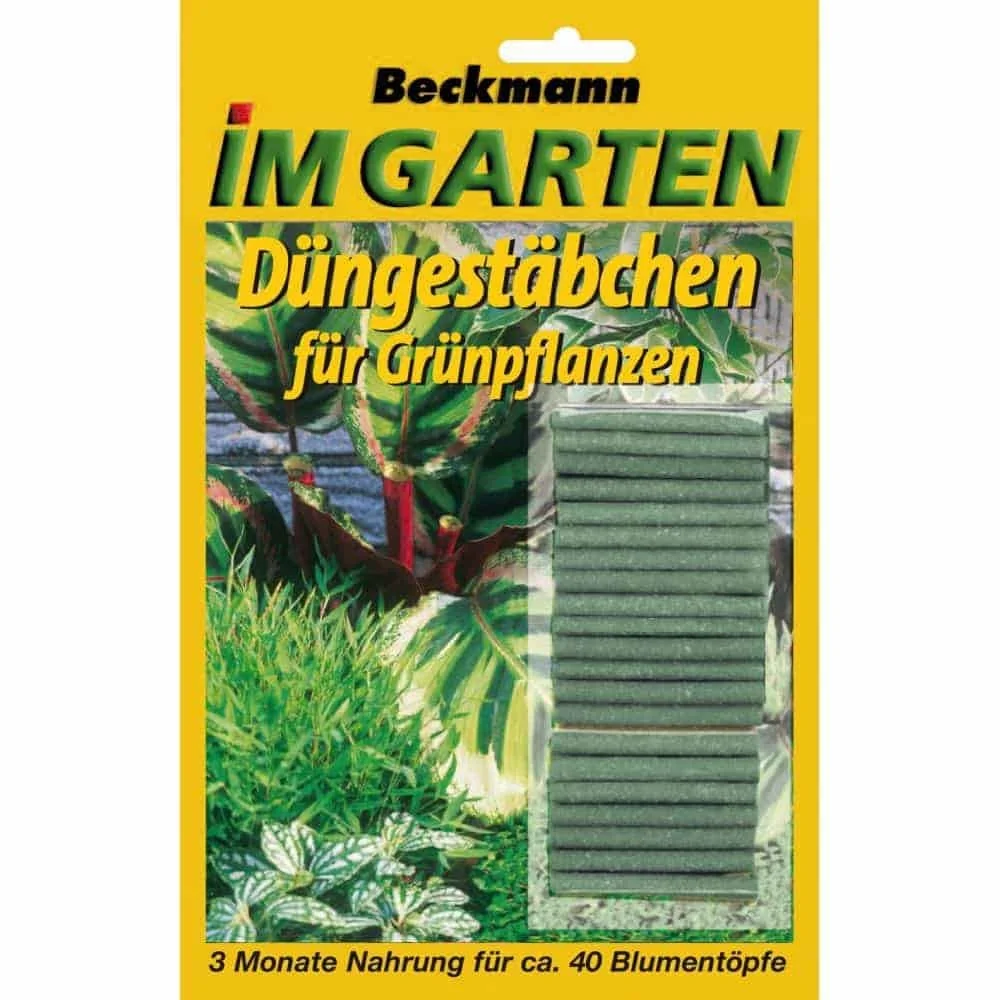
Repot When the Rhizome Needs More Room
Check your plant in spring. Repot it when the roots fill the pot, grow out of the drainage holes or the rhizome visibly distorts the pot. Choose a pot with drainage that is only one size larger. An oversized pot holds too much potting mix for too long and makes it harder to control moisture.
Loose houseplant potting mix with a mineral component, such as perlite or pumice, drains more easily. Set the plant at about the same depth as before and press the mix down lightly. Water sparingly after repotting and let all excess water drain away. If the rhizome is damaged or rotting, first check whether you can remove the affected parts.
Propagation by Division or Leaf
You can carefully divide the rhizome of a larger ZZ plant when repotting. Make sure each division has roots and at least one healthy stem. Use clean tools and plant each division in a separate pot with well-draining potting mix. Then place them in a bright spot out of direct sunlight.
Individual leaves can also be used as cuttings. Insert a healthy leaf into slightly moist potting mix and keep it only lightly moist. This method takes patience: roots and a small rhizome form first, before a new stem appears. It can take many months before you see visible growth.
Extra tip
Occasionally wipe dust from the leaves with a soft, slightly damp cloth. This keeps the leaf surfaces clean without the need for special leaf shine products. If you're looking for more houseplants to complement your space,
offers a mix set of five air-purifying houseplants. Check the care and light requirements of each plant before buying.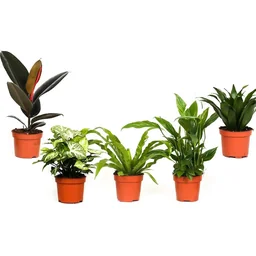
What Care Mistakes and Pests Should You Look Out For?
Yellow leaves are often a sign that the potting mix is staying wet for too long. A single older leaf that gradually turns yellow may simply be part of the plant's natural growth. Look at the plant as a whole: many yellow leaves, an unpleasant smell from the potting mix or soft plant parts are warning signs. Check the potting mix and drainage before adding fertilizer.
Pale or scorched-looking patches are more likely to mean the plant is getting too much direct sunlight. Brown, dry edges can have several causes, including very dry air, irregular watering or a buildup of salts. Don't remove every affected leaf straight away. First adjust the conditions and watch to see whether new leaves grow in healthy.
Spot Pests Early
Check the undersides of leaves and the stems if you notice fine webbing, sticky spots or small, shell-like bumps. Spider mites and scale insects can also affect houseplants. Isolate any visibly infested plant to prevent pests from spreading to nearby plants. Wipe off small infestations and choose an appropriate treatment if the infestation is more severe.
For information about treatments and methods, visit the plant protection category. Choose a treatment based on the specific pest and follow the product directions. Also make sure the plant isn't under prolonged stress: clean leaves, appropriate watering and a suitable location make it easier to keep an eye on its health.
“The ZZ plant stores water in its rhizome. Let the potting mix dry out between waterings and don't leave the plant sitting in water.”
Is a ZZ Plant Toxic?
ZZ plants contain irritating substances and should not be eaten. Keep the leaves and other plant parts away from young children and pets. Sap may escape when you cut the plant. Avoid contact with your eyes and mouth, and wash your hands after handling it.
The name “ZZ plant” doesn't mean the plant is safe. If a child or pet has swallowed any part of the plant or develops symptoms, contact a medical professional or veterinarian. For routine care, simply keep the plant out of reach and use clean tools.
Three things matter most for a healthy ZZ plant: a bright to partially shaded location, dry periods between waterings and a pot with good drainage. Fertilize sparingly and repot only when the rhizome and roots have truly outgrown their space. This will help your ZZ plant stay a hardy, easy-care addition to your home.
Frequently Asked Questions
- How often should I water a ZZ plant?
- Water your ZZ plant only when the soil is mostly dry. How long this takes depends on the light, temperature, pot and potting mix. Empty the cachepot after watering. If the plant is in a cooler or darker spot in winter, it usually needs water much less often.
- What is the ideal spot for a ZZ plant?
- A bright spot with indirect light works especially well. The Zamioculcas can also tolerate lower light, but often grows more slowly there. Protect its leaves from strong midday sun, which can bleach or scorch them. Also avoid cold draughts and spots that stay cool.
- Are ZZ plants toxic to pets?
- ZZ plants contain irritating compounds, so neither people nor pets should chew or swallow any part of the plant. Keep it out of reach of children and animals. Wash your hands after pruning, and seek medical or veterinary advice if anyone feels unwell after eating part of the plant.
- When should I repot my ZZ plant?
- Repot your Zamioculcas when its rhizomes and roots fill the pot or start to deform it. Spring is a good time to do this. Choose a pot with drainage holes that is only slightly larger, and use a loose, free-draining potting mix.
- Can I grow a ZZ plant from a leaf?
- Yes. Place a healthy leaf or a piece of one in lightly moist, loose soil. New roots and rhizomes take a long time to form, so you may not see new growth for months. Dividing the rhizome is usually faster, but only works with a plant that is large enough.
You might also be interested in
- How to Grow and Care for Four-Leaf Clovers: A Lucky Green Addition
- Pachira Care: How to Help Your Money Tree Thrive
- Ponytail Palm Care: A Hardy Houseplant for Any Home
- How to Care for Crassulaceae: Growing Succulents
- How to Care for Houseplants: Tips for Healthy Leaves
- Aloe Vera Care: Light, Watering and Propagation