
In brief: 12V electric fence energizers are the mobile solution for pastures without a mains connection. In our test, models with high pulse energy (joules), long battery life and robust weather protection perform best. The key is choosing the right combination of output for your fence length and the animals to be contained. Our 2026 comparison highlights clear performance differences and helps you choose the right battery-powered energizer.
Do you need a reliable electric pulse for your mobile fence, far from a power outlet? Then a 12V electric fence energizer is the solution. These battery-powered energizers safely supply pastures, paddocks and temporary divisions with pulses. Our 2026 test and comparison shows which models stand out for output, runtime and durability. We help you find the right model for your electric fence requirements.
Table of contents
What makes a good 12V electric fence energizer?
You cannot identify a high-quality model by its pulse energy alone. Reliability under real-world conditions is what matters. This means consistent output even when battery voltage is falling, a waterproof and impact-resistant housing, and a clear indication of the operating status.
The energizer's efficiency is crucial. It determines how much of the stored battery energy actually reaches the fence as an effective pulse. Losses occur through the electronics and poor grounding. Good models have a high efficiency rating.
Tip: Look for the stored energy rating in joules. It is more meaningful than the pure output voltage in kilovolts. One joule is the energy transferred at one volt and one ampere in one second. Higher joule ratings are essential for long or overgrown fences.
The role of the battery
The 12V battery is the heart of the system. Lead-gel or lithium-ion batteries are commonly used. Lead-gel batteries are affordable and durable, but they are heavier and have a limited service life. Lithium batteries are lighter, last longer and tolerate deep discharge better, but they cost more to buy.
Battery capacity is specified in ampere-hours (Ah). A higher Ah rating means longer runtime. However, keep in mind that a powerful energizer with a high pulse frequency will also drain a large battery faster.
The most important buying criteria at a glance
Before choosing a particular electric fence energizer, you should analyze your specific requirements.
- Fence length and vegetation: How many miles of fence line must the unit power? Is the fence permanently clear of vegetation, or are grasses and shrubs touching it?
- Animals to be contained: Horses, cattle, sheep, goats or wildlife? Each animal species has a different sensitivity and escape response.
- Operating duration and mobility: Is this a permanent pasture or are locations changed regularly? How often can you check and replace the battery?
- Environmental conditions: Extreme temperatures, intense UV exposure or salty air near the coast require special materials.
Warning: Never underestimate grounding resistance! Poor grounding is the most common cause of low fence voltage. For a 12V battery-powered unit, you need a particularly good grounding rod (at least 1 meter deep in moist soil) or even a grounding system. Without good grounding, you will waste your unit's power.
Test & Comparison of the Best 12V Electric Fence Energizers
Our comparison is based on technical data, manufacturer specifications and practical experience. The following table provides a quick overview of selected top models for 2026.
The highest-rated 12V electric fence energizers in our range compared directly:
| Model | Customer rating | Availability |
|---|---|---|
| AKO Duo Power XI8000 12V electric fence energizer | – | Currently unavailable |
| AKO Mobil Power A1200 12V battery-powered energizer | – | Currently unavailable |
| AKO Mobil Power AD 2000 12V battery-powered energizer | – | Currently unavailable |
| AKO Mobil Power AD 3000 12V battery-powered energizer | – | Currently unavailable |
| Magnus A 4500 MC 12V battery-powered energizer: high-performance battery energizer for demanding applications | – | Currently unavailable |
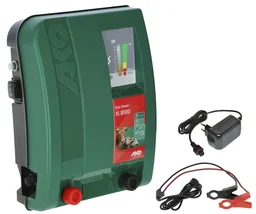
Our practical test revealed clear differences. High-performance models such as the (AKO Duo Power XI8000) offer impressive coverage and are suitable even for difficult conditions or large areas. It is a true all-rounder for agriculture.
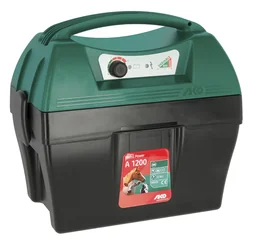
For mobile, flexible use, the (AKO Mobil Power A1200) stands out. It is compact, lightweight and a reliable choice for medium fence lengths. Its easy handling is a major advantage.
Anyone looking for maximum power and battery life should choose the (Magnus A 4500 MC). This high-performance battery-powered energizer is designed for demanding applications and maintains a stable voltage even in adverse conditions.

An interesting option is the (Arizona B 5000). It is supplied without a battery. This gives you the freedom to connect a battery of your choice and capacity, which can be more cost-effective in the long term.

Note: The maximum fence length specified by manufacturers applies under ideal conditions (dry fence, perfect grounding). In practice, you should halve this figure as a precaution to ensure sufficient pulse strength. It is better to allow some headroom.
Features of the tested energizers
Modern 12V energizers often offer additional features. These include theft protection, lightning and surge protection, or a built-in voltmeter for monitoring the battery. Some models have a “Power-Save” or “Winter” mode that reduces the pulse frequency and thereby extends battery life.
Applications and animal species
The choice of energizer depends heavily on how it will be used.
For horse pastures
Horses have thin skin and are sensitive to electric shocks. An excessively strong pulse can frighten or injure them. A medium-powered energizer with 1-3 Joule and a good, consistent pulse sequence is ideal. A constant voltage is important so that the animals continue to trust the fence.
For cattle
Cattle are more robust and need a clear, effective pulse. Energizers with 3-5 Joule and high pulse voltage are suitable here. The deterrent effect should be particularly reliable for suckler cow herds or bulls.
For sheep and goats
Smaller animals with thick coats need a high voltage to transfer the pulse through the coat to the skin. However, the required energy (Joule) can be lower. Special low-resistance polywire fences combined with a medium-powered energizer often work well.
Installation and maintenance
Correct installation is essential for reliable operation. Place the energizer in a weather-protected location that remains easily accessible for battery changes. The connections to the fence and ground must be made using corrosion-resistant clamps.
A regular maintenance schedule extends the service life:
- Weekly: Check the fence voltage with a fence tester.
- Monthly: Check the battery voltage. Inspect the fence for vegetation and the insulators for damage.
- Seasonally: Check the ground rod for a secure fit and corrosion. Clean the energizer housing.
- Annually: Clean the battery terminals and tighten the connections.
Safety and legal requirements
Electric fence energizers are electrical equipment. They must comply with DIN EN 60335-2-76 (Safety of electric fence energizers). Look for the CE or GS mark. The pulses are harmless to people and animals when used as intended, but they can pose a risk to people with pacemakers or young children.
Mark the fence with warning signs. The minimum fence height is prescribed by animal welfare regulations (e.g. 1,20m for horses). Check the local regulations governing fencing systems.
Conclusion: Making the right choice
Choosing the right 12V electric fence energizer involves balancing power, runtime, durability and price. For most standard pastures with horses or cattle, medium- to high-powered models are the best choice. They provide sufficient reserves for longer fences or difficult conditions.
When planning your setup, choose quality equipment, fence material and grounding. These three components work as a system. A weak point can undermine your investment in the other parts. A powerful, reliable battery-powered energizer gives you peace of mind that your animals are safely contained – without mains power.
Frequently Asked Questions
- How long does the battery last in a 12V electric fence energizer?
- Battery life varies considerably depending on the energizer and how it is used. Powerful models with large batteries can last several months on short fences with dry vegetation. On long fences, wet grass or areas with dense vegetation, the battery drains more quickly because more current leaks to ground. Plan to check the battery every 4-12 weeks.
- Can I connect a 12V energizer to the 230V mains?
- Yes, separate AC adapters are available for many models. They replace the battery and provide a continuous power supply. This is ideal for locations with a power outlet near the barn. Make sure the adapter is compatible with your energizer. Using an adapter helps protect the battery and ensures consistent performance.
- How much pulse energy (joules) do I need for my animals?
- The energy required depends on the animal. For cattle and horses, 1-3 joules is often sufficient. For stubborn animals or long fences with dense vegetation, we recommend 3-5 joules or more. Sheep and goats are more sensitive, so 0,5-1 joule is often enough. The key is a safe, effective pulse that teaches animals to respect the fence.
- What should I do if the fence is not electrified even though the energizer is on?
- First, check the battery. Is it flat? Then inspect the entire fence for short circuits caused by grass and other vegetation, bent insulators or damaged fence wire. Measure the voltage directly at the energizer output. If there is voltage there, the problem is in the fence. If there is no voltage, the energizer may be faulty.
- Are 12V energizers suitable for year-round winter use?
- Modern energizers with ABS or polycarbonate housings are frost-resistant. The greater challenge is the battery, as cold significantly reduces its capacity. For continuous operation in winter, use lithium batteries or specialist cold-weather batteries. Store spare batteries in a frost-free place. An AC adapter solves the problem completely.