
In brief: A set of tongue-and-groove pliers made from chrome vanadium steel (Cr-V) is a smart addition to any workshop. Three sizes give you flexibility for plumbing, automotive repairs and DIY projects. Cr-V steel is durable, hard and corrosion-resistant, helping the pliers grip securely and transfer force effectively.
Every workshop, toolbox and home needs a pair of tongue-and-groove pliers. Their ability to grip round, square and flat objects securely makes them an essential tool. A set gives you more flexibility than a single pair. If you’re thinking about buying a tongue-and-groove pliers set, this guide will help you choose the right one.
A set covers common jobs and gives you the right size for the task at hand. Pliers made from chrome vanadium steel are especially durable and suited to demanding work. Here’s what to look for.
For a great introduction to versatile gripping tools, check out the : 3-piece Cr-V tongue-and-groove pliers set. It includes three popular sizes (180 mm, 240 mm and 300 mm), making it a great value. Made from durable Cr-V steel, it’s a solid addition to your workshop.
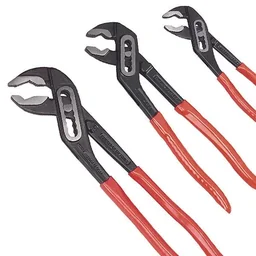
What are tongue-and-groove pliers used for?
Tongue-and-groove pliers have an adjustable slip joint that lets you set the jaw opening to several different widths. This allows you to grip objects of many sizes securely. The name “water pump pliers” comes from their original use: tightening and loosening the gland nut on automotive water pumps.
Today, they’re used for much more. They can grip pipes, fittings, nuts and bolts, including worn or rounded ones. The inward-facing, hardened teeth on the jaws bite into the material for a strong hold. This self-locking action helps you maintain a firm grip with less hand pressure.
Typical uses include:
- Plumbing: Loosening and tightening sink traps, fittings, pipes and couplings.
- Automotive repairs: Working on radiator hoses, oil filters and various fittings.
- DIY projects: Holding workpieces, bending sheet metal or loosening seized screws.
- Bicycle maintenance: Adjusting components and holding axle nuts.
A good pair of tongue-and-groove pliers can often take the place of a whole set of wrenches. Their versatility is invaluable, especially when you’re not sure which wrench size you need.
Why choose a tongue-and-groove pliers set?
You could buy one pair in a medium size, but you’ll soon run into jobs it can’t handle. A three-piece set offers practical benefits that make the modest extra cost worthwhile.
Ready for different jobs: A small pair (approx. 180 mm) is ideal for delicate work in tight, hard-to-reach spaces, such as an engine compartment or under a sink. The medium size (approx. 240-250 mm) is an all-around choice for everyday tasks. Large pliers (approx. 300 mm or more) have long handles that provide plenty of leverage. They can help loosen stubborn rusted fittings and grip large-diameter pipes.
Save money: Buying a set is almost always less expensive than purchasing three individual pairs of comparable quality. You get more tools for your money and can equip your workshop efficiently.
Have the right size on hand: It’s frustrating to pause a project because your tool is too small or too large. A set gives you options, so you can quickly choose the right size and keep working.
How can you spot high-quality Cr-V tongue-and-groove pliers?
The quality of your pliers affects how long they last, how safely they work and how well they perform. Look for a few key features when choosing a pair. These tool-buying tips can help you tell well-made tools from inferior ones.
The material: Benefits of chrome vanadium steel (Cr-V)
The Cr-V mark on a tool indicates that it’s made from chrome vanadium steel, an alloy developed for tools that withstand heavy use. The benefits of Cr-V pliers include:
- Hardness and wear resistance: Vanadium increases the steel’s hardness and toughness. The gripping teeth stay sharp longer and resist wear, even with frequent use.
- Strength: Cr-V steel can withstand high torque without bending or breaking, so you can apply plenty of force.
- Corrosion resistance: Chromium gives the steel basic protection against rust. A coating, such as chrome plating or phosphate treatment, can offer additional protection.
Compared with ordinary carbon steel, Cr-V offers a longer service life and greater reliability. Investing in this material can pay off with years of dependable use.
Joint construction
The joint is the heart of tongue-and-groove pliers. There are two main designs: lap joint and box joint. High-quality pliers often have a box joint, where one handle passes through a slot in the other. This design is stronger and better able to withstand lateral forces, helping prevent the joint from bending or breaking under heavy loads.
Look for clean workmanship and minimal play. The joint should adjust smoothly without feeling loose or wobbly.
Pro tip
When working on delicate surfaces, such as chrome-plated fittings, place a piece of thick cloth or leather between the jaws and the workpiece. This helps prevent scratches and other damage.
Grip surfaces and teeth
The teeth determine how securely the pliers grip. They should be precisely milled and hardened, often through induction hardening. This keeps the tips hard while the pliers remain tough at the core. The teeth are usually angled against the direction of rotation. This creates a self-locking action: when you squeeze the handles, the jaws bite into the workpiece and hold it securely.
Ergonomics and handles
A good pair of pliers should feel comfortable in your hand. Look for ergonomically shaped handles with a non-slip covering. Options include plastic-dipped handles and more comfortable two-component handles with both hard and soft zones. A secure grip improves force transfer and reduces hand fatigue.
An important safety feature is the anti-pinch guard. This shaped section on the handles helps keep your fingers from getting pinched when you close the pliers.
Using them correctly: How do you use tongue-and-groove pliers?
Even the best tool can only reach its full potential when used correctly. Tongue-and-groove pliers are easy to use, but keep a few things in mind to work efficiently and safely.
- Choose the right size: Select the right pliers from your set. Use the small pliers for small nuts and the large pliers for large pipes. The right size gives you the best leverage and control.
- Adjust the jaw width: Open the pliers and place the lower jaw against the workpiece. Move the joint until the upper jaw also makes contact. Adjust the pliers so the handles remain a comfortable distance apart while the jaws grip the workpiece firmly.
- Position them correctly: Position the pliers so the force you apply when squeezing is in the direction you want to turn. The teeth should be able to grip the material.
- Apply force: Squeeze the handles together. The self-locking action means you do not need to grip the handles too tightly. Most of your force goes into turning the workpiece. Pull on the upper handle for maximum force.
Important note
Never use excessive force, such as hitting the pliers with a hammer or extending the handles with a pipe. This can damage the tool and cause serious accidents. Use specialized tools and techniques for extremely seized connections.
Expanding your tool collection: Which pliers complement your set?
A tongue-and-groove pliers set is a great foundation. However, specialized tools are better suited to some tasks. If you want to expand your workshop, you will find many useful tools in the Pliers + Clamps category.
The : Grip Pliers Set, 4-piece is the perfect addition. Locking pliers, also known as Vise-Grips, can be adjusted to a specific width and locked in place. They hold workpieces with constant force, leaving both hands free for other tasks. They are ideal for welding, drilling, or loosening a stripped screw.
Having the right tool for the right job is not a luxury; it is the definition of professionalism. It saves time, improves results, and makes the workplace safer.
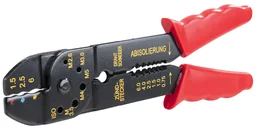
For work on automotive wiring or around the home, a : Crimping Pliers Set, 61-piece is essential. It lets you securely connect wires and cable terminals—a job you should never use tongue-and-groove pliers for.
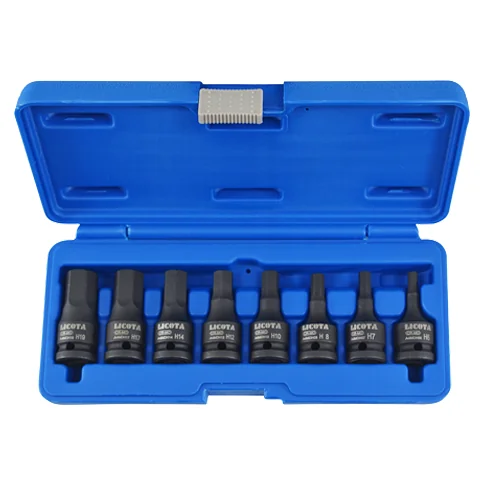
If you regularly work with high-torque fasteners, such as when changing tires, a : 1/2 inch socket set, impact socket set belongs in your collection. Made from chrome-molybdenum steel, these sockets are extremely durable and suitable for use with impact wrenches.
A growing tool collection needs to stay organized. A tool cart helps you keep your tools organized, secure, and within easy reach. In general, complete assortments + sets are worth considering, as they often offer better value.
Additional advice
Take care of your pliers. Wipe them clean and dry after use. An occasional drop of oil on the joint keeps the mechanism moving smoothly and helps prevent corrosion. With proper care, your high-quality tool will last for many years.
A tongue-and-groove pliers set made from Cr-V steel is an investment. It is one of the most versatile and useful tool sets you can own, helping you tackle a wide range of repairs and projects with confidence. By understanding the material, construction, and correct use, you can make an informed buying decision and find a reliable addition to your workshop.
Frequently Asked Questions
- What does Cr-V mean in pliers?
- Cr-V stands for chromium-vanadium steel, an alloy that gives tools high hardness, wear resistance, and corrosion resistance. These pliers are especially durable and robust, even with heavy use, and their gripping teeth stay sharp longer than those on standard tool steel.
- What are tongue-and-groove pliers used for?
- They are versatile tools for gripping pipes, fittings, bolts, and nuts. They are ideal for plumbing installations, auto repairs, and general plumbing jobs around the home. The adjustable joint lets them adapt to different workpiece sizes and provide a strong grip.
- Why should I buy a set instead of a single pair of pliers?
- A set gives you pliers in different sizes at an affordable price. You will always have the right tool on hand, whether you are working in tight spaces or need maximum leverage on a large workpiece. A set is more practical and cost-effective than buying each tool separately.
- How do I care for my tongue-and-groove pliers?
- Clean the pliers after use to remove dirt and moisture. A drop of oil on the joint keeps it moving smoothly and helps prevent rust. Store the tool in a dry place to extend the life of the Cr-V steel.
- How can I recognize good tongue-and-groove pliers?
- Look for a through-joint for stability, hardened gripping teeth for a secure hold, and ergonomic, nonslip handles with pinch protection. High-quality Cr-V steel is another sign of quality and is often stamped on the tool.
You might also be interested in
- How to use tongue-and-groove pliers: A DIY guide
- Crimping Pliers Review & Comparison 2026
- How to choose the right pliers: Buying tips
- Socket Set Review & Comparison 2026
- Types of hammers and how to use them: Which hammer should you use?
- Toolbox Review & Comparison 2026: The best models tested in practice