
In short: Your rat trap may not be working because the wrong bait, poor placement or human scent is preventing a successful catch. Patience is just as important as the number of traps. Avoid these mistakes to catch rats effectively instead of simply making them more cautious.
- Mistake 1: The wrong bait - Why peanut butter does not always win
- Mistake 2: The wrong placement - Where do rats really hide?
- Mistake 3: Human scent on the trap - How to cover your tracks
- Mistake 4: Being too impatient - Why you need to give the trap time
- Mistake 5: One trap is not the solution - How many traps do you really need?
- Making rats smarter? Understanding rodent psychology
You have set up a rat trap. The bait is gone, but the trap is empty. Or worse, the trap remains untouched for weeks. Frustration sets in. The problem is rarely the trap itself, but rather small yet crucial mistakes in how it is used. Rats are not easy opponents; they are intelligent, cautious and adaptable.
The good news: With the right knowledge, you can outsmart rodents. It is about understanding their habits and using their senses against them. A robust tool such as the rat trap "ratStop" () is the foundation for success. Its powerful strike and sensitive trigger mechanism leave the animal no chance. But even the best trap needs the right strategy.
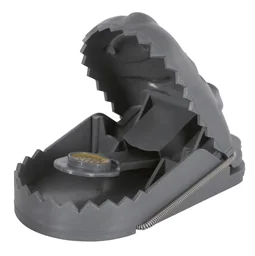
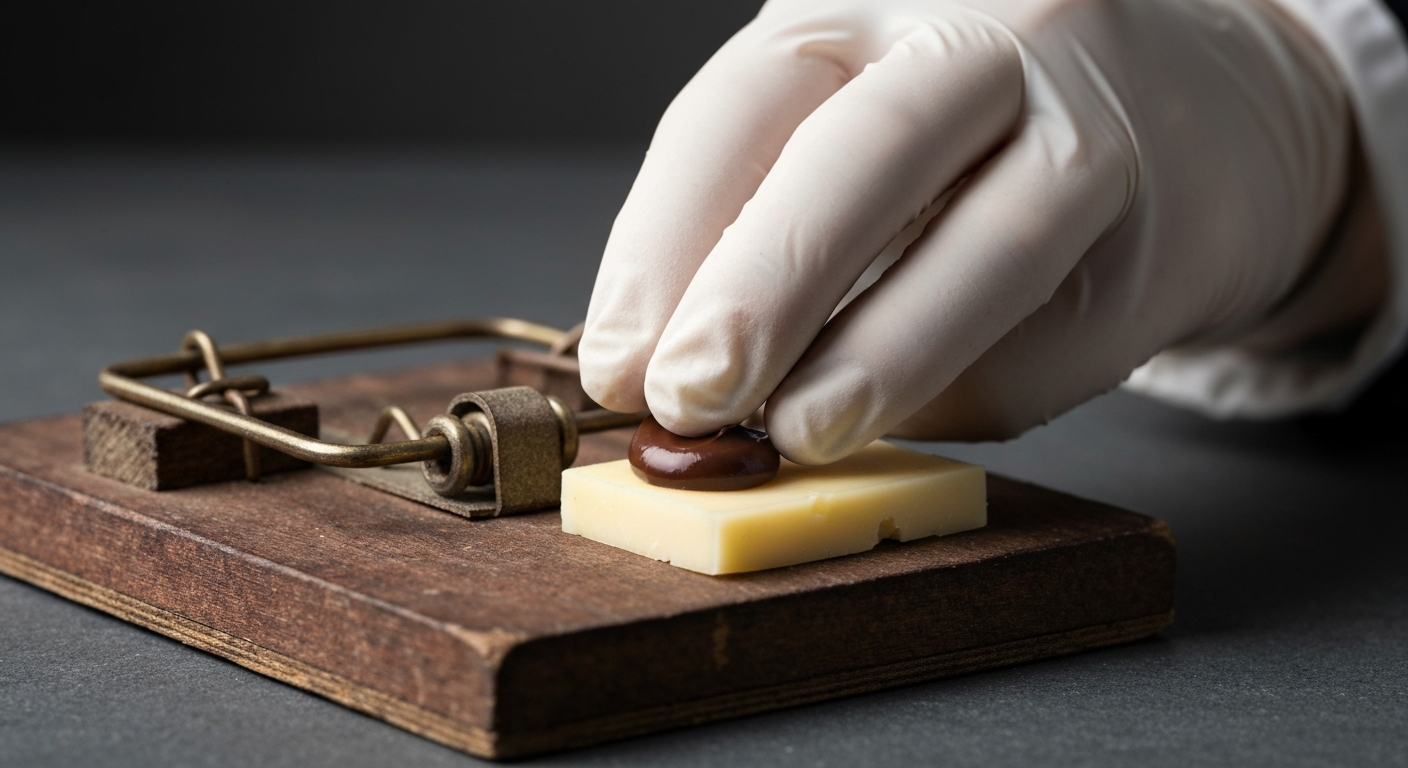
Mistake 1: The wrong bait - Why peanut butter does not always win
The image of a mouse with cheese is a cartoon myth. Rats like cheese, but they love high-calorie food with a strong smell. Peanut butter is a popular tip, but it has one drawback: Clever rats often lick it carefully off the trigger without setting off the trap.
Choose sticky, solid baits. Nut nougat spread or chocolate spread are favourites. They have an intense smell and force the rat to work at the trigger to reach the treat. Small pieces of bacon, dried fruit or even a cotton ball dipped in chocolate also work extremely well. Press the bait firmly into the designated recess in the trap. The aim is to make the rat pull and tug, which ensures the trap is triggered.
Mistake 2: The wrong placement - Where do rats really hide?
A trap in the middle of a room will rarely be successful. Rats are prey animals. They avoid open spaces and move almost exclusively along walls and in cover. Their whiskers help them find their way in the dark. These established routes are known as runways.
Look for signs of these routes. Have you found droppings, gnaw marks or dark smear marks on the walls? These are caused by body fat and dirt in the animals' fur. They are the rats' motorways. Place your trap right here. Position the trap with the bait and trigger side directly against the wall. This forces the rat to walk over the trigger on its usual route to get past.
Check dark corners, areas behind appliances and potential entry points. Rats often use areas near pipes, such as behind the washing machine, where a drain hose leads into the wall, or near stored items in the cellar.
Expert tip
Always place the trap at a 90-degree angle to the wall, with the bait facing the wall. As the rat follows the wall, it walks straight into the trap instead of merely sniffing past it. In particularly active areas, you can also place two traps directly next to each other, with the triggers facing outwards.
Mistake 3: Human scent on the trap - How to cover your tracks
Rats have an extremely keen sense of smell. It warns them of predators and helps them find food. A brand-new trap smells of the factory, metal and plastic. A trap you have handled smells of humans. Both are warning signals to a cautious animal.
Wear gloves every time you handle the trap. This is important not only for hygiene reasons, but primarily to prevent your scent from being transferred. New traps should be allowed to age. Rub the trap with a little soil, leaves or dirt from the immediate area where it will be placed. This gives the trap a familiar environmental smell and makes it seem less threatening.
Rats have a highly developed sense of smell. They can recognise not only the scent of humans, but also the scent of stress hormones released by other rats, which warns them of potential dangers.
Especially in a shed or garage, where you may store your garden hose, traps quickly pick up surrounding smells. Use this to your advantage and leave the trap there for a few days before baiting and setting it.
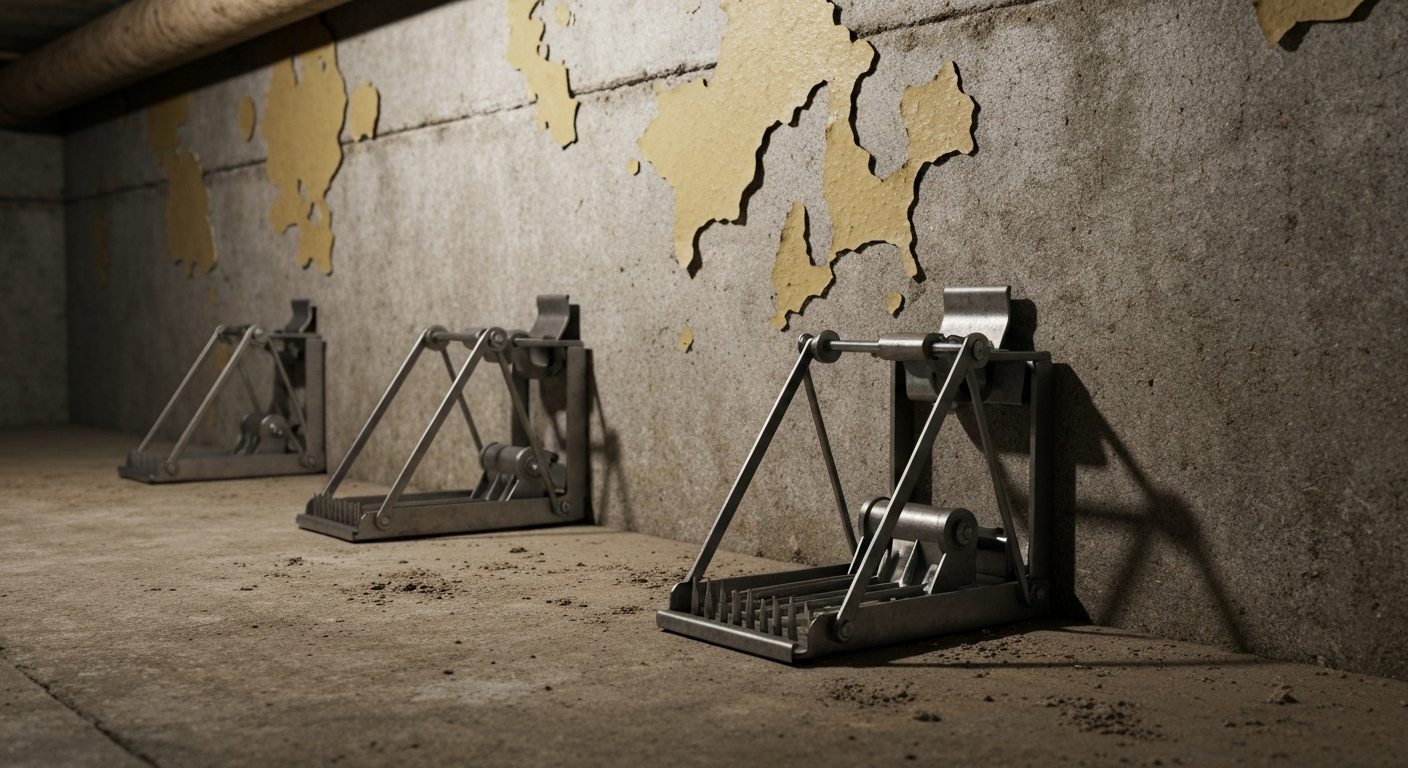
Mistake 4: Being too impatient - Why you need to give the trap time
Rats suffer from neophobia, the fear of anything new. A suddenly appearing object on their established runway is highly suspicious. The rat will initially avoid it, observe it and only recognise it as harmless after some time. If you move the trap to a new location every day, this distrust starts all over again.
Use the tactic of pre-baiting. Place the trap with an attractive bait, but DO NOT set it. Allow the rat to eat the bait undisturbed for one or two nights. It learns that this new object is a safe source of food. On the third or fourth night, refill the bait and activate the mechanism. Learned greed overcomes caution.
Important note
Check the traps daily, but do not handle or move them unnecessarily. A daily check from a distance is sufficient. A trapped animal must be removed quickly, both for animal welfare reasons and to avoid warning other rats.
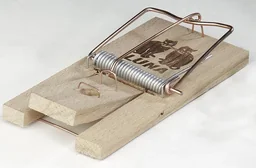
Patience is your strongest ally here. Sometimes it also helps to combine different types of traps. A modern plastic trap placed next to tried-and-tested wooden rat traps () can trigger different reactions in the animals and increase your chances of success.
Mistake 5: A single trap isn't the solution – How many traps do you really need?
If you see one rat, you can be sure there are more. Rats are social animals and live in family groups. Setting just one trap is like trying to put out a forest fire with a glass of water. You may catch one animal, but the rest of the population will learn from it and become even more cautious.
When there is a visible infestation, you need to take decisive action. Place at least 3 to 5 traps, or even more in the case of a serious infestation. Position the traps along the identified runways, spacing them about 3 to 5 metres apart. Use different baits in the various traps to find out what works best in your particular situation.
A saturation strategy using multiple traps significantly increases the pressure on the population and reduces the time individual rats have to learn from the mistakes of their fellow rats.
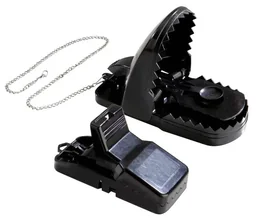
A set such as the 2-pack of rat traps () is a good starting point for covering several strategic locations at once. More traps mean a greater chance of catching a curious or careless rat before it recognises the danger.
Additional advice
Once you have caught the rats, focus on prevention. Seal all possible entry points. Even small gaps around pipes can provide access. Use steel wool or secure ventilation openings with fine-mesh grilles, fixing them in place with sturdy hose clamps. Remove food sources and keep the surrounding area clean.
Making rats smarter? Understanding rodent psychology
The saying “making rats smarter” has a grain of truth. These animals learn extremely quickly from negative experiences. A rat that sees a trap snap without being caught, or narrowly escapes, will learn to avoid that type of trap. In future, it may steer clear of it and even warn other rats.
That is why trap quality is so important. A trap must kill reliably and quickly the first time. A weak trap that merely injures the animal creates extremely wary survivors. Change your tactics if you notice that the traps are being avoided. A different bait, a slight change in position or another type of trap can overcome this learned caution.
Always remember: you are hunting an intelligent animal. You will succeed through strategy, patience and an understanding of your opponent's behaviour, not through brute force. Avoid these five mistakes and your trap will finally snap shut.
Frequently Asked Questions
- What is the best bait for rat traps?
- Forget cheese. High-calorie, strongly scented baits such as chocolate-hazelnut spread, chocolate, dried fruit or bacon are much more effective. Press the bait firmly into the designated holder so the rat cannot simply steal it.
- Where should I place a rat trap?
- Place traps directly against walls, as rats avoid open spaces. Look for runways, identifiable by droppings, gnaw marks or smear marks. Ideal locations include dark, sheltered areas behind furniture or appliances, or in corners of the basement.
- Why won't rats go into the trap?
- Rats are wary of new objects (neophobia). A trap carrying human scent or placed in an exposed location will be avoided. Give the rat time to get used to the trap by setting it up without activating it initially.
- Do I need to wear gloves when handling a rat trap?
- Yes, absolutely. Wear gloves so you do not transfer your human scent to the trap, which can deter rats. Gloves also protect you from pathogens for hygienic reasons when emptying the trap.
- How many rat traps should I use?
- One trap is rarely enough. Rats live in groups. In the event of an infestation, set up several traps (at least 3-5) along known runways, spaced a few metres apart. This significantly increases your chances of catching them.
You may also be interested in
- Buying a rat trap: The ultimate guide for 2024
- Rat trap vs. rat poison: Which is safer and more effective?
- How to set up the ratStop rat trap: A step-by-step guide
- Rats in the house? Effective control strategies
- How to get rid of rats in the garden: Effective methods
- How to use caterpillar glue correctly: 5 common mistakes