
In brief: The right air treatment appliance depends on what you need most: cooling, purifying or dehumidifying the air. Many modern combination appliances offer 2-in-1 or 4-in-1 functionality. In our test, powerful air purifiers with high airflow and versatile appliances with remote controls stood out. First, decide whether you need an air cooler, dehumidifier or air purifier.
Your indoor climate affects your comfort and concentration. Air that’s too dry can irritate your airways, while excess humidity encourages mold growth. Dust and pollen can also make it harder to breathe. Modern air treatment appliances can help by cooling, purifying or dehumidifying the air, and some combine several functions. Our 2026 test and comparison explains the different types of appliances and highlights models that stand out in their categories. We’ll help you find the right one for your home.
Table of contents
What types of appliances are available?
Not every air treatment appliance does it all. Start by understanding the differences.
Air coolers and portable air conditioners
Air coolers use evaporation to cool the air. A fan draws air through a wet filter, and as the water evaporates, it cools the air. These energy-efficient appliances don’t need an exhaust hose and work well in moderate heat.
Portable air conditioners use a compressor and work much like a split system, but with all the components in one unit. They cool more effectively, but need an exhaust hose to vent warm air through a window or door.
Air purifiers
Air purifiers draw in room air and filter out pollutants. High-performance filters remove dust, pollen, pet hair and fine particles. Activated carbon filters help neutralize odors. They’re especially useful for people with allergies and those living in city apartments.
Dehumidifiers
Dehumidifiers reduce humidity, help prevent mold and can dry laundry. Compressor models are powerful. Desiccant dehumidifiers also work effectively at low temperatures, making them a good choice for places such as basements.
Combination appliances: all-rounders
More and more manufacturers are combining functions. 2-in-1 appliances purify and dehumidify the air. 4-in-1 models can cool, humidify and purify the air, as well as function as a fan. This versatility usually comes at a higher purchase price.
Tip: Start with your main problem. Is it heat, dust or humidity? Choose an appliance that tackles it effectively. Treat any extra functions as a bonus.
Which buying criteria matter?
These specifications affect how well an appliance works and how satisfied you’ll be with it.
Performance and room size: The most important specification is airflow, measured in cubic metres per hour (m³/h). An appliance should circulate the room’s air at least three times per hour. Multiply the room volume (m² x 2.5 m ceiling height) by 3 to calculate the required airflow in m³/h.
Filter technology: For people with allergies, an air purifier should have a HEPA filter (H13/H14). A pre-filter captures larger dust particles, while an activated carbon filter helps tackle odors. Check how much replacement filters cost and how long they last.
Noise level: Check the decibel rating at each operating level. For bedrooms and home offices, choose a low setting below 40 dB(A). Night modes are especially quiet.
Controls and convenience: A remote control or app-based smart home connection makes operation easier. Timers and operating modes automate use, while oscillation helps distribute air evenly.
Energy consumption: If you plan to run an appliance continuously, choose an energy-efficient model. Check its wattage during normal operation. Low standby power use can save even more energy.

Important: Air coolers increase humidity, so they’re not a good choice for rooms that are already damp. They can make the indoor climate even less comfortable. In this case, choose a dehumidifier or combination appliance.
Best air treatment devices: test and comparison
Our comparison covers models with different strengths. The table below gives you a quick overview of the key details.
Our most-reviewed air treatment devices, compared side by side:
| Model | Customer rating | Availability |
|---|---|---|
| 180ml Aroma Diffuser for Essential Oils Humidifier with Adjustable LED Warm Lights, 2 Mist Mode, Timer, Waterless Auto-o | – | Currently unavailable |
| 2-in-1 Air Purifier and Dehumidifier | – | Currently unavailable |
| 2-in-1 Air Purifier and Dehumidifier incl. Replacement Filter | – | Currently unavailable |
| 3-in-1 Air Cooler - Portable Air Conditioner - 80W | – | Currently unavailable |
| 4-in-1 Portable Air Conditioner/Air Cooler/Fan Including 2 Cooling Elements | – | Currently unavailable |
Hands-on testing revealed distinct strengths in individual products.
The stands out as a dedicated air cooler, thanks to its portability and low 80W energy consumption. It’s a simple, affordable way to cool a home office or bedroom.

If you want more flexibility, the is a classic 4-in-1 option. Its cooling elements can lower the temperature without significantly raising humidity. The fan and humidifier modes make it a versatile choice all year round.
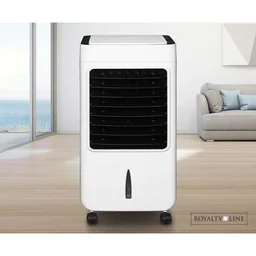
For convenient controls and modern design, the stands out. Use the remote to adjust all the settings from the comfort of your chair. During testing, the oscillation distributed air especially evenly, without creating an uncomfortable draft.

If improving air quality is your main goal, choose a dedicated air purifier such as the . With an airflow rate of 780 m³/h, it’s suitable for large living spaces. The oscillation function helps the AIR FRESH 15 clean a room quickly and thoroughly by removing pollen and dust.

Note: Product availability may change. Visit our air treatment devices category to see the latest offers, including replacement filters and accessories.
Which device is right for you?
Use this quick checklist.
- For allergy sufferers and city dwellers: An air purifier with a HEPA and activated carbon filter is essential. Look for a high airflow rate.
- For hot, dry summers: An air cooler or portable air conditioner can help you beat the heat. In humid conditions, choose a compressor-based air conditioner.
- For damp rooms and basements: A dehumidifier with a large tank or hose connection is the solution.
- For flexible use throughout the year: A 3-in-1 or 4-in-1 combination unit offers the most versatility.
- For the bedroom: A quiet operating mode and sleep mode are key features.
Learn more about home and climate technology in our Technology section.
How to use and maintain your device
Here’s how to get the most from your device over time.
Filter replacement: Replace filters promptly. A clogged filter reduces performance and increases energy consumption. For air purifiers and dehumidifiers, clean the water tank regularly to prevent germs from growing.
Placement: Set up the device in an open area instead of pushing it into a corner. Air purifiers and coolers need unobstructed airflow at the intake and outlet. Leave adequate space between the device and walls or furniture.
Seasonal storage: Clean the device thoroughly before putting it away. Store it in a dry, frost-free place. Remove the remote control batteries if the device will be unused for an extended period.
Conclusion
There’s no one-size-fits-all air treatment device. The right choice depends on your needs, room size and usage habits. For targeted cooling, a simple air cooler such as the is a good choice. If you want maximum flexibility, choose a 4-in-1 combination unit such as the or . For cleaner air in large rooms, dedicated air purifiers such as the are hard to beat.
Start with your priorities, then use our comparison to evaluate the technical details. A high-quality air treatment device is an investment in your health and everyday comfort.
Frequently Asked Questions
- What’s the difference between an air cooler and an air conditioner?
- A portable air cooler uses evaporating water to cool the air, which slightly increases humidity. An air conditioner uses a compressor to cool the air and remove moisture. Air conditioners are more powerful, but they need an exhaust hose vented outdoors.
- Can an air purifier remove odors?
- Yes. High-quality air purifiers with activated carbon filters can effectively capture odor molecules. For strong odors, specialized devices that use ozone or photocatalytic technology may help, but they should not be used in occupied rooms.
- How loud are modern indoor climate appliances?
- Noise levels vary considerably. Air purifiers and dehumidifiers are often very quiet on low settings. Air coolers and air conditioners with fans are more noticeable. Check the decibel rating and look for a night mode to reduce noise.
- Do I need to empty a dehumidifier’s water tank regularly?
- Yes. Most compact models have a tank that may need to be emptied daily in humid conditions. Larger models often have a drain hose connection for continuous use in damp basements or bathrooms.
- What size room are these appliances designed for?
- Each appliance has a recommended room size in square metres. Choose a model with a capacity (airflow in m³/h, cooling capacity in watts) that slightly exceeds your room’s needs. An undersized appliance will work inefficiently.