
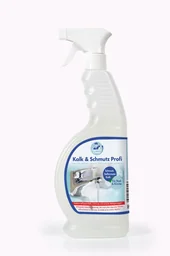
Quick answer: The best bathroom cleaner depends on the problem you need to tackle. For limescale and urine scale, acidic cleaners such as Kalk und Schmutz Profi (PRODUCT_73047) are effective. For stubborn urine residue in toilets, a specialist cleaner such as Urin Ex (PRODUCT_73144) is ideal. Fugenweiß brightens silicone seals again (PRODUCT_73267). Always choose a cleaner that suits both the type of dirt and the surface.
Bathroom Cleaner Test: How to Find the Right Cleaner for Your Bathroom
A hygienically clean bathroom takes the right products. Hard water stains, urine scale, soap scum and discoloured grout can call for specialist cleaners. But which product is right for the problem area? Our 2026 bathroom cleaner comparison explains how different cleaners work and which products suit each task. We compare the best bathroom cleaners available and share practical buying advice.
What makes a good bathroom cleaner?
An effective bathroom cleaner needs to do more than foam. It should target the specific types of dirt found in bathrooms, including mineral deposits such as limescale and organic dirt such as urine, skin oils or mould. The cleaner’s chemical base determines how to use it.
Acidic cleaners for limescale
Acidic cleaners often contain citric, sulfamic or phosphoric acid. They react with limescale (calcium carbonate), turning it into water-soluble compounds. These products are ideal for removing limescale from faucets, tiles and toilets, but they are not suitable for every surface.
Alkaline cleaners for grease and organic dirt
Alkaline cleaners are based on NaOH (caustic soda) or other alkaline substances. They break down fats and proteins, including organic dirt such as skin flakes, soap residue and urine deposits. Many also disinfect, making them a good choice for general bathroom cleaning and greasy grime.
Oxidizing cleaners for disinfection and brightening
These cleaners often contain chlorine- or oxygen-based bleach (e.g. sodium hypochlorite or hydrogen peroxide). They bleach stains, kill germs and break down organic molecules. They work well on mould stains and stubborn discoloration, but should be used with care.
Common bathroom problem areas and how to clean them
Each bathroom surface has different cleaning needs, so one cleaner rarely does it all.
Toilet and toilet bowl
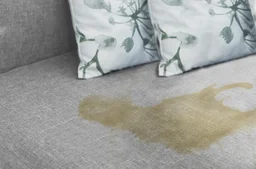
This is where limescale, urine scale and stubborn organic residue build up. For limescale and mineral deposits, acidic cleaners are the first choice. They dissolve the crystalline deposits. For organic, stubborn urine residue, alkaline or enzymatic specialty cleaners work better.
A product such as (Urin Ex) was specially formulated for this task. For regular limescale removal around the toilet, you can use a general-purpose acidic cleaner such as (Kalk und Schmutz Profi).
Faucets and shower doors
Hard water stains and soap scum are the main problems here. Mild acidic cleaners or specialty limescale removers work best. Spray on the product, let it sit briefly and rinse thoroughly. Avoid abrasive sponges to prevent scratches on chrome and glass.
Tile grout
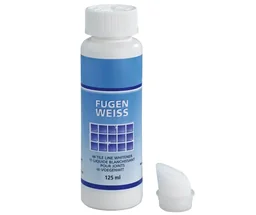
Discoloured or mouldy grout can be a hygiene problem. Chlorine-based bleach cleaners or specialty grout whiteners can help. They penetrate the grout and remove stains. A practical option is a product with a built-in applicator, such as (Fugenweiß with sponge applicator), for precise application.
Compare the best bathroom cleaners of 2026
Our comparison makes it easy to see what each product does best. The table below summarizes the key features of the bathroom cleaners we reviewed.
Here’s a side-by-side comparison of the top-rated bathroom cleaners in our range:
| Model | Customer rating | Availability |
|---|---|---|
| Kalk und Schmutz Profi, 650 ml 🏆 Test winner | ★ 4,9 (28) | In stock |
| Cistern Cleaner 500 ml | ★ 4,8 (5) | In stock |
| Urin Ex, 650 ml | ★ 5,0 (2) | In stock |
| Fugenweiß with sponge applicator 125 ml | – | In stock |
| 10-Minute Hair Remover - 1 L x 4 pieces - 4 pieces | – | Currently unavailable |
Buying Guide: How to Choose the Right Bathroom Cleaner
Choosing the right cleaner is crucial for getting good results while protecting your surfaces. Follow a systematic approach.
1. Identify the Main Problem
Is it white limescale, yellow discoloration, black mold, or a combination? Choose the type of cleaner accordingly: acidic cleaners for limescale, alkaline or oxidizing cleaners for organic matter and discoloration.
2. Check Surface Compatibility
Not every cleaner is safe for every material. Stainless steel, natural stone, coated surfaces, and colored silicone caulk can be sensitive to certain cleaners. Always check the manufacturer’s hazard warnings and directions for use.
3. Consider Practical Use
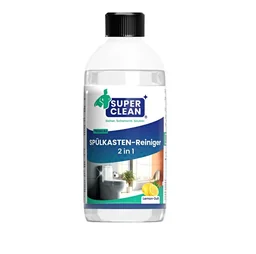
How is the product dispensed? Do you need a separate spray head? Is a sponge applicator built in? A product such as offers a clear practical advantage for grout. For the toilet tank, tablets or liquid concentrates such as (toilet tank cleaner) are practical because they work over a longer period.
4. Consider the Environment and Your Health
Many bathroom cleaners contain harsh chemicals. Use them sparingly and exactly as directed. Ensure good ventilation during and after use. For light soil, consider whether less aggressive options from the range of all-purpose cleaners might also do the job.
Specialty Products for Specific Needs
Alongside all-purpose cleaners, there are specialty products for specific problems.
Toilet Tank Cleaner
These products work preventively in the hidden toilet tank, dissolve limescale, and help prevent odors. A product such as is added to the tank water at regular intervals. This protects the mechanism and keeps the flush water hygienic.
Focus on Grout
Grout whiteners concentrate their bleaching action on silicone or cement grout. The built-in sponge applicator on helps keep bleach off the surrounding tiles and makes precise application easier.
How to Use It Correctly
You will get the best results by using the cleaner correctly.
- Preparation: Clear the area. Remove loose dirt.
- Dosage: Follow the manufacturer’s instructions. Using more cleaner does not necessarily produce better results.
- Contact time: This is crucial. Let the product sit for as long as recommended.
- Finishing: Thorough rinsing with warm water is usually enough. For stubborn dirt, use a soft brush.
- Ventilation: Ensure good ventilation to clear fumes.
Conclusion: Targeted Cleaning Instead of Trial and Error
You cannot get a clean bathroom with one product for everything. The right combination matters. Use an all-purpose cleaner for surfaces alongside specialty products for limescale, grout, or the toilet tank. (Limescale and Dirt Profi) is a powerful ally against limescale, while (Urin Ex) targets organic toilet stains. To visibly brighten grout, is a practical solution. And with (toilet tank cleaner), you can also care for hidden areas. This way, you can tackle every problem area and maintain lasting hygiene throughout the home.
Frequently Asked Questions
- What is the best bathroom cleaner for limescale?
- Acidic cleaners containing citric or phosphoric acid are most effective against limescale and limescale soap deposits. They dissolve limescale chemically. A product such as Limescale and Dirt Profi (PRODUCT_73047) is a good choice. For sensitive surfaces, check compatibility first.
- Can I use bathroom cleaner in the kitchen?
- This is not recommended. Specialty bathroom cleaners are often highly acidic or contain bleach for disinfection. These substances can damage stainless steel sinks, chrome fixtures, or plastic surfaces in the kitchen. It is better to use all-purpose cleaners or specialty kitchen cleaners.
- How do I remove yellow urine stains from the toilet?
- Alkaline cleaners or specialty products containing enzymes work well on stubborn, baked-on urine residue and urine scale. They break down the organic components. A product such as Urin Ex (PRODUCT_73144) was developed for this purpose. Let the cleaner sit for longer, following the instructions.
- Why do bathroom silicone seals turn gray?
- Discoloration is usually caused by mold growing deep within the seal or by buildup of soap residue, dead skin cells, and dirt. Specialty grout cleaners or whiteners, such as grout whitener with sponge applicator (PRODUCT_73267), can brighten the seals. If mold has penetrated deeply, the caulk often needs to be replaced.
- How do I clean a toilet tank?
- Specialty tablets or liquid cleaners added to the water are suitable for cleaning the toilet tank. They dissolve limescale deposits and help prevent dirt from building up. A product such as the toilet tank cleaner (PRODUCT_73266) is added directly to the tank. This helps prevent odors and keeps the flushing mechanism working properly.