
In brief: Choosing the right cut-off wheel depends on the material, tool and task. For general metal cutting, high-quality diamond wheels are a good choice, while resin-bonded wheels excel at precise cuts in steel. Along with material compatibility, wheel size, speed and safety standards are crucial. Our comparison highlights the key strengths and applications of the best models.
A cut-off wheel is not a one-size-fits-all tool. Choosing the wrong one can lead to poor results, excessive wear and, in the worst case, a dangerous accident. Our 2026 test and comparison examines the most important models and shows you what to look for when choosing one.
We assess the wheels based on their key properties: cutting performance, service life, handling and safety. We also consider different applications, from occasional DIY projects to professional construction sites.
Which cut-off wheel do I need?
The answer depends on three factors: the material you’re cutting, the tool you have and the cut quality you want.
The material makes the difference
There are specialized wheels for every material. A wheel designed for steel will cut concrete poorly and wear out quickly.
- Metal: Aluminum oxide or zirconia alumina wheels are commonly used for metal. Special resin-bonded wheels are often used for stainless steel and harder alloys.
- Stone, concrete and tile: Diamond cut-off wheels are the first choice. Their steel blade, fitted with diamond segments, cuts hard, brittle materials cleanly and offers a long service life.
- Wood and plastic: Special cutting or grinding wheels for softer materials help prevent scorching or jamming.
The tool sets the limits
Your power tool determines the wheel size and type you can use. A small angle grinder with a 125 mm mount cannot take a 230-mm wheel. The tool's power output must also match the wheel.
Tip: Always choose cut-off wheels that match the maximum permitted size and speed of your cutting tool. You’ll find this information on the tool’s nameplate.
Cut-off wheel test: Setup and methodology
Our comparison is based on practical tests. We check cutting speed in different materials, measure material removal and assess the quality of the cut edges.
Service life matters just as much. How many linear meters can a wheel cut before its performance noticeably declines? We also consider factors such as vibration, noise and how easy the wheel is to change.
The best cut-off wheels compared
Our 2026 comparison focuses on versatile wheels for DIY and professional use, particularly for cutting metal and steel. Here’s a side-by-side comparison of the tested models.
Our top-rated cutting products, compared side by side:
| Model | Customer rating | Availability |
|---|---|---|
| CSD non-woven abrasive disc 125 mm 1 piece purple 🏆 Test winner | ★ 5,0 (21) | In stock |
| 18V angle grinder BL 125 mm - with battery and charger - | ★ 4,8 (13) | In stock |
| 18 V angle grinder BL 125 mm WWSBL 125 (battery and charger not included) | ★ 4,6 (5) | In stock |
| 120 W wet table grinding machine TWSPCJ grinding wheel | – | Currently unavailable |
| 2400 W angle grinder 230 mm | – | Currently unavailable |
Based on our tests, we can especially recommend several products.
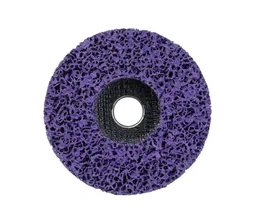
The is a reliable all-around choice for frequent use. Its non-woven construction noticeably reduces vibration, making work more comfortable and precise.
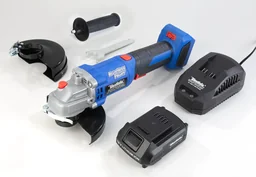
If you’re looking for a complete setup, the is an excellent choice. This cordless angle grinder offers maximum flexibility, and the included cutting disc delivers solid performance for everyday jobs.
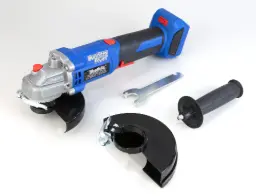
If you already own an 18V system, the is a powerful tool that pairs well with high-quality cut-off wheels.
Warning: Never use damaged or bent cut-off wheels. Check for cracks or chips before every use. A wheel that breaks during operation can cause extremely serious injuries.
Trends and new products in 2026
The market is constantly evolving. We’re seeing growing interest in more durable special coatings that reduce material buildup on the wheel.
For diamond wheels, thinner cuts are becoming increasingly popular because they waste less material and require less force. Sustainability is also gaining importance, for example through longer-lasting wheels and more recyclable composite materials.
Safety is essential when using cut-off wheels
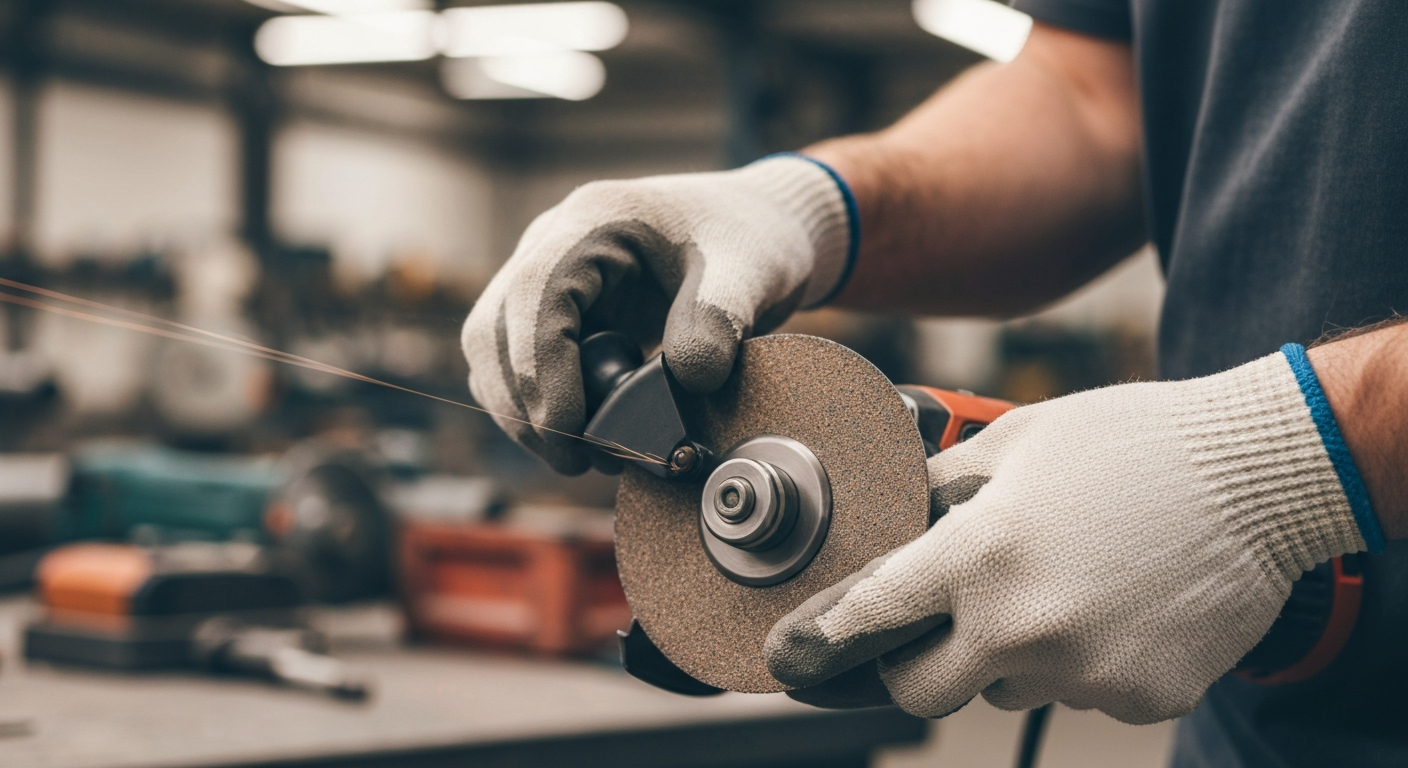
Cut-off wheels require careful handling. Always wear safety glasses, hearing protection, gloves, and close-fitting clothing. Make sure the workpiece is securely clamped.
Always position the guard between you and the wheel so it deflects sparks away from you. Start the tool only after the wheel is spinning freely and clear of the material.
Wear the right protective gear
- Safety glasses with side shields or, preferably, a face shield.
- Hearing protection (earmuffs).
- Durable work gloves.
- Fire-resistant workwear made from sturdy material.
- Sturdy footwear.
Note: Always wear protective gear, even for quick jobs. A single spark or fragment of abrasive grain can put your eyesight at risk.
Care and storage
Store cut-off wheels in a dry, flat place away from direct sunlight. Moisture can soften the bond in resin-bonded wheels and reduce their strength.
Remove dust and residue from the wheels after use. You can clear clogged segments on diamond wheels with a diamond wheel dresser. Keep wheels in their original packaging or a dedicated wheel case to prevent damage.
Conclusion: choosing the right wheel
There is no one-size-fits-all cut-off wheel, but there is an ideal choice for every job. Don't base your decision on price alone; consider material compatibility, safety, and how often you expect to use it.
For general metalworking, high-quality nonwoven abrasive wheels such as the are an excellent choice. If you want to go cordless, systems such as the offer a powerful solution. Invest in high-quality cut-off wheels from our comparison. They make your work safer and faster and can save you money over time.
Browse our extensive range of tools to find the right wheel for your project.
Frequently Asked Questions
- How can I tell if a cut-off wheel is good for metal?
- Check the material designation and safety standard (e.g., EN 12413). A good metal cut-off wheel has fine, evenly distributed abrasive grains and a sturdy backing that helps dampen vibration. Avoid outdated wheels and check the maximum speed rating.
- Can I use a diamond cut-off wheel on metal?
- No. Diamond wheels are designed for hard, brittle materials such as concrete, tile, or natural stone. On metal, they can quickly become dull, overheat, and break, creating a serious hazard. Always use wheels specifically marked for metal.
- What size cut-off wheel fits my angle grinder?
- The maximum wheel size is listed on your tool's rating plate. Common sizes are 115 mm, 125 mm, and 230 mm. Never use a wheel larger than the permitted size. The wheel's arbor hole must also match the mounting flange; use adapters with caution.
- How often should I replace a cut-off wheel?
- Replace the wheel immediately if you see damage such as cracks, chips, or burn marks. A noticeable drop in cutting performance or excessive grinding is also a sign of wear. Flap wheels for drills wear out faster and should be replaced when the individual flaps are worn.
- What does the speed rating on a cut-off wheel mean?
- Never exceed the maximum speed, in rpm, printed on the wheel. This rating ensures the wheel is safe at its specified peripheral speed. Make sure the rating is higher than your angle grinder's maximum speed for safe operation.