
In brief: A good electric fence tester reliably measures the voltage on your fence. In our test, digital models with precise displays performed particularly well. For quick checks, simple testers with an LED display are a solid choice. Make sure the tester's measuring range suits your fence system.
Best Electric Fence Testers: 2026 Review & Comparison
A working electric fence is essential for keeping your animals safe. But how can you check that it has the voltage it needs? An electric fence tester gives you the answer. We tested and compared current models. Read on to find out which testers stand out in 2026 and what to look for when buying one.
Table of contents
What types of electric fence testers are there?
There are three basic types, each with its own advantages and disadvantages.
Analogue electric fence testers with LED displays
These models have a row of LEDs. Depending on the voltage measured, one or more LEDs light up. They are durable, easy to use and often don't need their own power supply. Their accuracy is sufficient for a basic function check.
Digital electric fence testers
Digital testers show the voltage in volts on a display and provide precise readings. Many models offer extra features such as peak voltage memory or a pulse frequency display. They usually require batteries.
Wireless and contactless electric fence testers
This modern type often works without a ground rod. It measures the electric field near the wire, making it quick and easy to use. Accuracy may vary depending on the model and distance from the wire.
What criteria did we use for our test?
We tested the electric fence testers under practical conditions. These were the factors we considered.
Measuring accuracy and range: How accurately does the tester show the fence voltage? Does its range cover the typical 500 to 10.000 Volt?
Ease of use and durability: Is the tester comfortable to hold and easy to operate with gloves on? How well does its housing stand up to weather and impacts?
Display and readability: Is the LED or digital display easy to read in bright sunlight? Are the symbols and readings clear?
Additional features: Does the tester offer useful extras such as a ground resistance reading, a pulse display or a data hold function?
Tip: Check the maximum measuring range. A tester that measures up to 10.000 Volt is suitable for almost any fence system, including high-powered ones.
Electric fence tester reviews and model comparison
After extensive testing, we recommend the following models. Our selection covers different needs and budgets.
If you want a precise digital display, the is an excellent choice. It impressed us with its wide measuring range and clear numerical display.

If you prefer a quick, contactless check without a ground rod, choose the . This model works by simply holding it close to the wire.

For regular, reliable checks at the fence, the is a dependable option. Its analogue LED display is easy to read, even in difficult lighting.
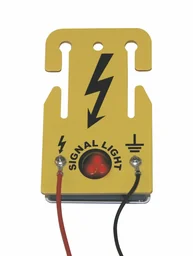
Another recommended model that works without a ground rod is the . It's especially handy for quick spot checks in the field.

Warning: Even if an electric fence tester shows no voltage, never assume the fence is not live. Measurement errors can occur. Never touch the wire with your bare hand.
Compare the most-reviewed electric fence testers in our range:
| Model | Customer rating | Availability |
|---|---|---|
| Digital Voltmeter Messer | – | Currently unavailable |
| Electric fence tester Power2000 up to 10.000 Volt | – | Currently unavailable |
| Electric fence tester "Power Blinker" | – | Currently unavailable |
| Electric fence tester without a ground rod | – | Currently unavailable |
| Electric fence tester without a ground rod | – | Currently unavailable |
How do you choose the right electric fence tester?
The right device depends on your needs. Ask yourself these questions.
How often do you need to test, and how accurate do the readings need to be?
For quick daily checks, a simple, durable tester with an LED display is often enough. If you need precise readings for troubleshooting or record-keeping, a digital model is a better choice. Browse our range of electric fence testers.
Do you work with different types of electric fences?
If your fences operate at a range of voltages, choose a tester with a wide measuring range. A model that can accurately display low voltages and safely measure high voltages is ideal.
Would you like to test without an earth stake?
Setting up an earth stake takes time and can be difficult in very dry or rocky soil. Wireless or contactless models avoid this problem, making them a practical choice for frequent quick checks.
Note: Consider compatibility with your other equipment, too. A reliable electric fence system needs more than just a tester. Learn more about electric fences.
How to use and maintain your tester
An electric fence tester is a precision instrument. Handle it properly and it will keep working reliably for years.
How to take an accurate reading
For testers with an earth stake, push the stake firmly into the ground and make sure it has good contact with the soil. Then touch the live wire with the test probe. Always hold the tester by its insulated handles.
Maintenance and storage
After use, clean the tester to remove dirt and moisture. Store it in a dry place away from extreme temperatures. If you have a digital model, check the battery regularly.
Common mistakes to avoid
A poor earth connection is a common cause of inaccurate readings. Another mistake is using a tester with too narrow a measuring range on a high-voltage fence, which can damage the device.
Conclusion
A good electric fence tester is an essential tool for any livestock owner. It gives you peace of mind and saves time when troubleshooting. Digital models provide precise readings, while analog testers are durable and easy to use. Modern wireless devices make testing quick and convenient.
Choose a model that suits your needs for accuracy, ease of use and durability. With the top-rated models featured here, you’re sure to find the right tester for your farm. A reliable electric fence helps keep your animals safe and gives you peace of mind.
Frequently asked questions
- How does an electric fence tester work?
- An electric fence tester measures the voltage on the fence. It completes the circuit between the live wire and the ground. An analog or digital display then shows the voltage, so you can check whether the fence has enough power to contain your animals.
- Do I need an electric fence tester with an earth stake?
- It depends on the model. Many testers need an earth stake to take accurate readings. Wireless or contactless models that work without one are also available and are handy for quick checks.
- What voltage should an electric fence have?
- For reliable animal containment, experts recommend a fence voltage of at least 2,000 volts. In wet conditions or for animals with thick coats, 4,000 to 6,000 volts may be advisable. Choose a tester with a measuring range that covers these voltages.
- Which is better: an analog or digital electric fence tester?
- Digital testers show a precise numerical reading and are often more accurate. Analog models with LED displays are durable and easy to read. For precise measurements, choose a digital tester; for a basic function check, an analog model is often enough.
- Can I use an electric fence tester on a battery-powered fence?
- Yes. Most electric fence testers work with common fencing systems, whether the voltage comes from a mains-powered energizer, a battery or a solar panel. Check the specified measuring range before buying to make sure it covers your fence’s maximum voltage.