
At a glance: In our test, 2-in-1 pop rivet guns that work with both pop rivets and rivet nuts stand out. Build quality, grip and comfortable leverage are key. For frequent use, a professional rivet gun with interchangeable nosepieces is a good investment. Beginners can find suitable options in starter kits with useful accessories.
Planning an assembly project and need a reliable way to fasten materials? A pop rivet gun is ideal for creating permanent, vibration-resistant joints. Our 2026 test and comparison shows which models perform well for DIY and professional use. We look at the key features to help you choose the right rivet gun for your needs.
What makes a good pop rivet gun?
A high-quality pop rivet gun is more than just robust-looking. It should be precisely made and thoughtfully designed, with ergonomic, non-slip handles. The mechanism should run smoothly and transfer force efficiently to the rivet mandrel.
Choosing the right nosepieces is especially important, as they determine which rivet diameters you can use. Look for clear markings and a secure fit. The mandrel collector should work reliably to keep metal fragments from scattering.
Materials and build quality under the microscope
The housing should ideally be made from impact-resistant steel or a sturdy metal alloy. Cheap cast parts can break under pressure. Moving parts such as the lever and jaws should be precisely guided and properly lubricated to prevent premature wear and looseness.
Comfort and handling in real-world use
Check that the rivet gun feels comfortable in your hand, especially if you have a lot of riveting to do. Rubberized or textured handles help prevent blisters and provide a secure grip, even with sweaty hands. The leverage should let you work without excessive effort, even with harder rivets.
Tip: Before buying, check whether you can operate the rivet gun with one hand. This can make all the difference in tight spaces or when working overhead. A swivel nosepiece also makes it easier to reach awkward spots.
What types of pop rivet guns are available?
Not every rivet gun suits every job. Models vary in function, drive system and design. Here are the most common types.
Manual pop rivet guns for versatile use
A traditional hand riveter is a versatile choice for DIYers and professionals. It is robust, low-maintenance and ready to use straight away. Manual models are available for pop rivets only or as combination tools. Browse the pop rivet gun selection to see the widest range.
2-in-1 combination rivet guns for pop rivets and rivet nuts
These versatile tools are a practical addition to your toolbox. Swap the nosepiece to install both standard pop rivets and rivet nuts, saving space in your kit. One example is the
. It combines both functions in a sturdy housing.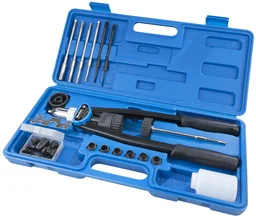
Specialty rivet guns for high volumes or specific materials
For production work or very hard materials, pneumatic and cordless pop rivet guns are available. They reduce wrist strain and speed up the job, but are less common among DIYers. For more general tools, browse our tool selection.
How do I choose the right pop rivet gun?
Base your buying decision on the jobs you plan to do. Ask yourself these questions before you buy.
What material and rivet size do I need the gun for?
Check the diameter and material of the rivets you use most often. A general-purpose rivet gun for 2,4 to 6,4 mm covers most DIY projects. If you often work with thin sheet metal or plastics, a finer adjustment range can be useful.
For professional work with different thread sizes, a set is a good choice. The
includes blind rivet nuts in the common sizes M3 to M6, so you are ready for a wide range of jobs.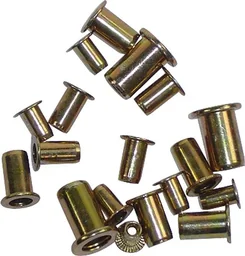
Warning: Never exceed the maximum rivet diameter specified for the gun. Doing so can overload the mechanism and cause it to break. Always follow the manufacturer's specifications.
How often will I use the rivet gun?
A basic rivet gun from our hand tool selection is enough for occasional repairs. If you use it regularly, consider investing in a professional model with replaceable wear parts. Its longer service life can make the extra cost worthwhile.
Key buying criteria compared
Our comparison looks at the models' features. Use this table to help you decide.
Our top-rated pop rivet guns compared:
| Model | Customer rating | Availability |
|---|---|---|
| 2-in-1 lever rivet gun for pop rivets and rivet nuts 🏆 Test winner | ★ 4,9 (29) | In stock |
| Rivet nuts M4x0,7 - 50 pieces | ★ 5,0 (1) | In stock |
| Rivet nut set, 100 pcs. - M3, M4, M5, M6, 25 each | – | In stock |
| Blind Rivet Pliers N-120 | – | Currently unavailable |
| Blind Rivet Pliers N-140 | – | Currently unavailable |
Assessing versatility and accessories
A rivet gun supplied with a useful range of accessories can offer better value. These might include different nosepieces, a storage case or replacement mandrel collectors. The
is an example of a specialized, robust tool. Check whether you will use the included accessories.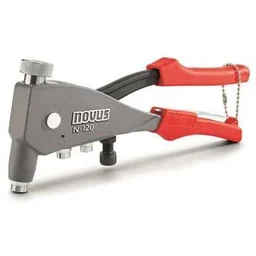
Note: Spare parts are easy to overlook when choosing a rivet gun. The jaws and mandrel collector are subject to normal wear. Reputable manufacturers often continue to supply these parts for years.
Practical Tips: How to Use a Pop Rivet Gun Effectively
Even the best pop rivet gun won’t do much good if you don’t use it correctly. These tips will help you get clean results and protect your tool.
Prepare and Position the Tool Properly
Drill a hole that matches the rivet’s nominal diameter. If the hole is too large, the connection may be loose. Insert the rivet straight and hold the tool at a right angle to the material. This helps prevent crooked or damaged rivet heads.
Maintenance and Care for a Long Service Life
After use, remove metal shavings and dirt from the tool. Store it in a dry place to prevent rust. Oil the moving joints occasionally to keep them working smoothly. Check the jaws regularly for wear.
Conclusion: Which Pop Rivet Gun Is Right for You?
There’s no single best pop rivet gun for everyone. The right choice depends on your needs. For versatile DIYers who also want to install rivet nuts, a 2-in-1 combination tool such as the is an excellent choice. It combines durability with flexibility.
If you mainly work with rivet nuts in different sizes, a set such as is a more practical choice. It includes the matching nuts. If you need to install large quantities of blind rivets, consider a specialized model such as the .
Choose a quality tool from our pliers range. A good pop rivet gun will last for years and handle countless projects. It’s a worthwhile investment for your workshop.
Frequently Asked Questions
- What’s the difference between pop rivet pliers and rivet nut pliers?
- Standard pop rivet pliers are designed for blind rivets only. A 2-in-1 tool or combination pliers can install both blind rivets and rivet nuts. Rivet nuts require special attachments. Choose a versatile tool if you want to use both types of fastener.
- What rivet sizes can universal pop rivet pliers handle?
- Standard universal pliers typically handle rivet diameters from 2.4 mm to 6.4 mm. Check the manufacturer’s specifications carefully. Very small or large rivets require specialized models. Most DIY projects fall within this range.
- Can I use inexpensive pop rivet pliers to install aluminum rivets?
- Yes. The rivet material isn’t the deciding factor. The pliers simply need to accommodate the required diameter. How efficiently they transfer force is crucial. If you’re installing many aluminum rivets or harder steel rivets, stiff pliers will tire your hand more quickly.
- Why does the broken rivet mandrel sometimes get stuck in the pliers?
- This may be due to a clogged or worn mandrel collector. Clean it regularly. On high-quality pliers, the mandrel breaks off cleanly and is collected reliably. A problem with the cutting mechanism may also be the cause.
- Do I need different attachments for different rivet nut sizes?
- Yes. Each rivet nut thread size (e.g. M4, M5, M6) requires a matching attachment for the pliers. That’s why combination sets are practical. When buying a 2-in-1 tool, make sure the attachments you need are available or included.