
In brief: There’s no single best wall anchor; the right choice depends on your wall material and the load it needs to support. For use in brick, concrete, or aerated concrete, high-quality all-purpose anchors such as the Aqua Stop Pro are a reliable option. For fast, precise work with multiple fasteners, specialized kits such as a wall anchor dispenser can save time. Our comparison explains the differences.
Table of contents
- What types of wall anchors are available?
- How do we test and compare wall anchors?
- Wall anchors compared side by side
- All-purpose wall anchors: Are they a universal solution?
- Buying guide: How to find the right wall anchor
- Tips for easy installation
- Conclusion: The right anchor depends on your wall material
Planning to install shelving, hang a lamp, or secure the back panel of a cabinet? You’ll need a reliable wall anchor. But with so many options available, choosing the right one can be tricky. Our 2026 comparison helps you find the right anchor for your wall, explains what to look for when buying, and highlights products that perform well in practice.
What types of wall anchors are available?
Not every wall anchor works with every material. Here’s an overview of the main types.
Universal or all-purpose wall anchors
These are a classic choice for solid materials such as brick, concrete, calcium silicate brick, or aerated concrete. Usually made of nylon or polyamide, they expand as you drive in the screw. One example is the
. It provides a secure hold for a wide range of DIY projects.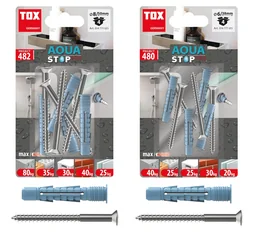
Specialty anchors for hollow walls
Drywall and walls with wood or metal studs require different types of anchors. Anchors such as toggle bolts or strap toggles secure themselves behind the panel. They grip the back of the material and spread the load over a wider area.
Metal expansion anchors
Metal expansion anchors are designed for very heavy loads in concrete or solid brick. They’re often installed with a setting tool and provide a strong hold. Find them in our fasteners range.
Wall material is the deciding factor. Before you buy, check whether your wall is made of solid brick, concrete, aerated concrete, or lightweight partition material. If you’re unsure, test the wall with a small drill bit.
How do we test and compare wall anchors?
Our comparison considers practical performance and technical features.
We assess holding power in different materials, including brick, concrete, and aerated concrete. We also look at ease of use: Does the anchor fit easily into the hole? Is it easy to drive in the screw?
Material quality matters, too. Does the anchor crack as it expands? Is the screw properly galvanized and a precise fit? We also consider included accessories and how the products are presented. A comprehensive kit such as the
offers more options than buying individual packs.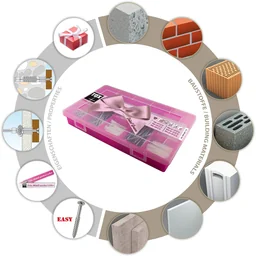
Wall anchors compared side by side
Here’s a comparison of the products we reviewed. The table summarizes their key features at a glance.
Our top-rated wall anchors, compared side by side:
| Model | Customer rating | Availability |
|---|---|---|
| "Dowel Jig Kit" wall anchor set incl. wall anchor dispenser and accessories | – | Currently unavailable |
| All-purpose wall anchor Aqua Stop Pro 6 x 38 mm + pan head screw 4 x 50 mm, 4 pieces | – | Currently unavailable |
| All-purpose wall anchor Aqua Stop Pro 6x38 mm + screw in round container | – | Currently unavailable |
| All-purpose wall anchor Aqua Stop Pro 8 x 50 mm + pan head screw 6 x 70 mm, 2 pieces | – | Currently unavailable |
| All-purpose wall anchor Aqua Stop Pro 8x50 mm + screw in round container | – | Currently unavailable |
A larger diameter doesn’t automatically mean a stronger hold. What matters is choosing the right anchor size and screw diameter, along with the correct embedment depth for solid materials. Measure carefully.
All-purpose wall anchors: Are they a universal solution?
Products such as the Aqua Stop Pro or the Tri wall anchor are designed for a wide range of uses. Our comparison highlights their differences.
The has proven highly reliable in solid masonry. The included screw fits well, and the anchor’s ridges grip the hole securely. The slightly sturdier
also provides a strong hold for heavier loads.
For interior projects or frequent use, consider the . These assortments include many standard sizes and make a useful starter kit in the tools section.
What do "Aqua Stop" and "Tri" mean?
These names refer to specific features. "Aqua Stop" often indicates greater moisture resistance. The "Tri" design has three expansion ribs intended to distribute force more evenly inside the hole. This can be useful in crumbly materials.
Buying Guide: How to Choose the Right Wall Anchor
Ask yourself these three questions before you buy.
What material is my wall made of? This is the most important question. For concrete and solid brick, use universal or metal expansion anchors. For drywall, choose special drywall anchors. You can find an overview in our wall anchors category.
How much weight does the wall anchor need to hold? A picture weighs very little, while a fully loaded bookcase weighs a great deal. Check the manufacturer's load capacity specifications and, if in doubt, choose one size larger.
How many wall anchors do I need? A small pack is enough for a single shelf. For furnishing an entire living room or fitting out a workshop, a set like the or an automatic wall anchor inserter like the
is more efficient.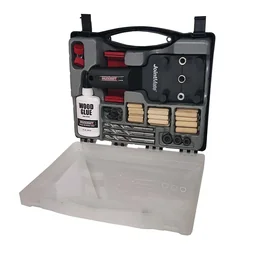
Never use a wall anchor that is unsuitable for your wall material. A universal anchor in lightweight drywall can easily pull out under load. This can result in damaged walls and falling objects.
Tips for Easy Installation
Using the right technique helps you avoid the most common mistakes.
Always drill the hole to the specified size and full required depth. Blow dust out of the hole. Don't force the wall anchor in with a hammer; press it in carefully instead. Ideally, the screw should reach the end of the wall anchor without piercing through it.
For repeated, precise work, such as installing wardrobe backs, an automatic wall anchor inserter can be a huge help. The positions wall anchors precisely and speeds up the process.
The Most Common Mistakes
- Hole too small: The wall anchor is compressed and can't expand properly.
- Hole too large: The wall anchor has no grip and wobbles.
- Wrong screw: A screw shaft that's too thin won't expand the wall anchor enough.
- Forgetting to blow out dust: The wall anchor won't sit deep enough.
Conclusion: It All Depends on the Wall Material
Our test and comparison clearly show that the best wall anchor is the one that matches your wall material perfectly. For most jobs in solid masonry, high-quality universal anchors such as the Aqua Stop Pro (, ) are an excellent, reliable choice.
If you regularly take on projects, invest in a comprehensive assortment like the . This saves time and ensures you always have the right wall anchor for the job. For professional results when installing multiple fasteners, it's worth taking a look at a dowel jig kit ().
Ultimately, careful preparation is what matters. Assess your wall, choose the right tool, and then select the wall anchor to match. This helps keep your fasteners secure and durable.
Frequently Asked Questions
- Which wall anchors are suitable for hollow walls such as drywall?
- For drywall or other hollow walls, you need special drywall anchors that secure themselves behind the board. Traditional screw-in anchors or toggle bolts are a good choice. They expand behind the board and distribute the load.
- Can I use a wall anchor in tile?
- Yes, but you need to drill through the glaze. Use a special tile drill bit and drill slowly without hammer action to avoid cracking the tile. There's usually concrete or masonry behind the tile, where you can then install a suitable anchor such as a plastic wall anchor.
- Why is my wall anchor pulling out of the wall?
- A wall anchor pulling out usually means it's overloaded or unsuitable for the wall material. The anchor may be too small, the screw may not fit, or you may have drilled into a surface that's too soft or crumbly, such as old lime mortar. Thoroughly checking the material beforehand is essential.
- What does 10 x 50 mm mean on a wall anchor?
- The first number (10 mm) is the nominal diameter of the wall anchor and therefore also the required drill hole. The second number (50 mm) is the total length of the anchor. The so-called anchoring depth is important for durability: it indicates how deeply the wall anchor is embedded in the solid base after installation.
- Are metal wall anchors always better than plastic ones?
- Not necessarily. Metal expansion anchors (cartridges) are designed for heavy loads in solid brick and concrete. For most DIY projects in masonry, modern plastic wall anchors are perfectly adequate, often easier to use, and corrosion-resistant. The key is choosing an anchor that suits the material and screw.
You May Also Be Interested In
- How to Choose and Use Wall Anchors Correctly
- Screwdriver Test & Comparison 2026: The Best Models Reviewed
- Hammer Drill Test & Comparison 2026: The Best Models in Practical Testing
- All-Purpose Adhesive Test & Comparison 2026
- Blind Rivet Pliers Test & Comparison 2026: The Best Models in Practical Testing
- Workshop Test & Comparison 2026: The Best Equipment in Practical Testing