
In brief: Choosing the right workbench depends on your main projects and the space available. For precise woodworking, a solid wooden workbench with a rigid construction is ideal. For flexible, multifunctional use in the home workshop, adjustable combination workbenches are a good choice. The key factors are the required work surface, stability under load and the type of clamping work you plan to carry out.
A good workbench is the heart of every workshop. Whether you make occasional repairs or work with wood professionally, the right bench can make the difference between frustration and enjoyment of your project. Our 2026 comparison will help you make the best choice.
Table of contents
How can you recognize a good workbench?
Before choosing a model, you should check a few basic criteria. Stability comes first. The bench must not wobble or give way under load.
The worktop must be hard-wearing and able to withstand heavy use. Hardwood such as beech or maple is ideal. Pay attention to how the top is attached to the base.
The height of the workbench is crucial for ergonomic working. You should be able to stand upright and work with your arms slightly bent.
The key features at a glance
- Stability: The base must be solid and torsion-resistant.
- Worktop: The material and thickness determine the load capacity.
- Clamping options: Dog holes or integrated bench vises are essential.
- Weight: A heavy bench operates more smoothly and does not slide around.
- Storage: Drawers or shelves below the top increase its usefulness.
Tip: Test the height in-store before buying. Stand at the bench and check whether your posture feels relaxed. A bench that is too high or too low can cause back pain over time.
What types of workbench are available?
Not every workbench is suitable for every task. The right type depends on the work you mainly do.
The classic woodworking bench
This bench is designed for traditional woodworking. It has a solid wooden top, often with a tool well and side clamping devices. It is long, heavy and extremely stable.
Its advantage is the ideal resistance when planing. The construction is designed for clamping work with bench dogs and clamps. You can find suitable accessories such as a woodworking bench vise or special drawers.
The multifunction or combination workbench
These all-rounders can be used in many different ways. They often feature integrated bench vises, adjustable heights and sometimes even folding elements. They are ideal for DIY enthusiasts with a mix of projects.
Their stability can vary depending on the model. Pay particular attention to positive customer reviews regarding stability under load.
The mobile workbench cart
For small workshops or when you need to stay flexible, mobile workbench carts are a practical solution. They offer limited but sufficient stability for many tasks and can be stored in a space-saving way.
Warning: Be skeptical of extremely cheap models made from thin steel or softwood. Under the load of a heavy motor or during vigorous hammering, they may give way or warp. It is better to invest in quality.
The right assembly and position in the workshop
The ideal location for your workbench is well lit, well ventilated and accessible from at least three sides. Avoid positioning it directly in front of a window to prevent glare.
Assemble the bench carefully according to the instructions. Check that every screw is tight. With wooden benches, do not overtighten the screws, as this can crush the wood.
Consider anchoring the bench securely to the floor, especially with lighter models. This significantly increases stability.
Useful workbench accessories
You can customize a basic workbench to suit your needs with the right accessories. This improves comfort and safety.
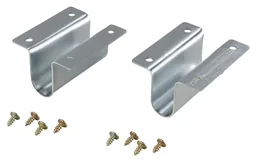
A practical accessory is a . It allows unusually shaped workpieces to be clamped flexibly and securely.
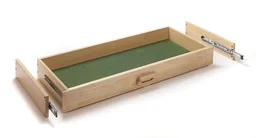
For better organization and easy access, a is well worth considering. It keeps small parts and frequently used tools close at hand.
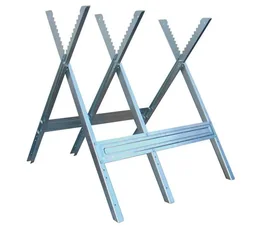
For working with long pieces of wood, a sturdy is a useful addition to your workbench. It supports the workpiece securely and reduces strain on you.
Note: Not every accessory fits every workbench. Check compatibility before buying, especially with bench-top vises or special holders. The mounting dimensions must match exactly.
Care and maintenance of your workbench
A well-maintained workbench can last a lifetime. Clean the top of dust, shavings and glue residue after every working day.
Avoid cutting or painting directly on the wooden top. Use protective sheets made from MDF or scrap wood.
For wooden benches, you can occasionally rub the top with linseed oil. This protects it from drying out and makes the surface less susceptible to stains.
Regular maintenance tasks
- Check screw connections for tightness every six months.
- Lightly oil moving parts such as drawer runners.
- Protect metal clamping devices against corrosion.
- Always keep the bench dry to prevent the wood from swelling.
Comparing Workbench Types and Features
Our comparison helps you understand the differences between the various designs. The table below summarizes their key features.
Here are the top-rated workbenches and accessories in our range:
| Model | Customer rating | Availability |
|---|---|---|
| Drawer 882 x 335 x 96 mm for woodworking bench No. 93 89 21 🏆 Top pick | ★ 4,8 (20) | In stock |
| Flexible holder for woodworking bench vise | ★ 4,8 (4) | In stock |
| Folding wooden sawhorse | ★ 4,5 (4) | In stock |
| Woodworking bench vise | – | Currently unavailable |
| 2-in-1 Outdoor Pizza Oven with Wheels, 3-Tier Wood-Fired Oven for BBQ, Steel Black+Silver 63 x 54 x 161 cm | – | Currently unavailable |
As you can see, the right choice depends largely on how you plan to use your workbench. There’s no one-size-fits-all option.
Conclusion and Recommendations
The best workbench is one that fits your projects and your available space. For dedicated woodworkers, a heavy, solid-wood woodworking bench is the right choice. DIYers who take on a wide range of projects are better off with a high-quality, multifunctional workbench.
Prioritize stability and working height over extra features. You can always add workshop accessories to a solid basic bench later. Don’t compromise on the essentials.
Start with a sturdy, well-made bench. As you use it, you’ll learn its strengths and limitations and be able to choose your next workbench with greater confidence.
Frequently Asked Questions
- What is a good workbench for beginners?
- Beginners should choose a stable, straightforward workbench with basic clamping options, such as a solid woodworking bench or an adjustable combination workbench. A sturdy design that resists warping and provides a safe working surface matters more than a long list of specialized features.
- What size workbench should I get?
- The work surface should be about level with your hip bones for a comfortable, back-friendly standing position. It should be at least 60 cm deep to provide enough workspace. Choose a length that fits your space and the workpieces you typically handle; 150 cm is a good starting point.
- Do I need a dedicated woodworking bench for woodworking?
- Yes. For demanding tasks such as planing or cutting traditional wood joints, a dedicated woodworking bench is essential. It should have a solid top, often made of hardwood, and built-in clamping features such as bench clamps or dog holes. These provide the stability and resistance to movement you need.
- Can I build my own workbench?
- Yes. Building your own workbench is a challenging but rewarding project. You can tailor it to your needs and height. Choose sturdy wood such as beech or oak for the top, and use a robust, torsion-resistant frame.
- How do I maintain my workbench?
- Protect the work surface from moisture and direct sunlight to prevent warping. Clean it regularly to remove dust and glue residue. Treating a wooden bench with linseed oil from time to time can help protect its surface. Check regularly that all screw connections and clamps are secure.