
In brief: Care for boxwood by pruning it correctly on dry, overcast days between April and September. Choose a sunny to partially shaded location with well-drained, calcareous soil. To control box tree moths, rely on early monitoring, biological sprays or special protective nets such as PRODUCT_5684. For fungal diseases, remove affected parts immediately and treat with fungicides.
Boxwood care: pruning, location & pest protection
Boxwood is the classic topiary plant. Caring for it requires knowledge of pruning, location and pest control. This article provides clear instructions.
How do I prune boxwood correctly?
Pruning shapes the plant and encourages dense growth. You need sharp, clean tools. Hand shears are suitable for detailed work, while electric shears are ideal for larger areas.
Pro tip
Clean your shears with alcohol before and after pruning. This prevents fungal spores from spreading. Sharpen the blades regularly to achieve clean cuts.
Always prune from top to bottom. Work from the outside towards the inside. Correct the rough shape first, then finish with the fine details.
The perfect time to prune
The main pruning takes place between April and May. A second shaping cut is possible in August. Never prune in bright sunshine or frost.
Prune young plants more frequently to encourage dense growth. Older, bare boxwood plants can tolerate heavy rejuvenation pruning in spring.
A good pruning is like a haircut for the plant. It should be clean and follow the natural growth habit rather than work against it.
Why is the right location so important?
Boxwood thrives in sunny to partially shaded locations. Full shade leads to sparse growth. Hot south-west-facing locations can cause winter damage from drying out.
The soil must be well drained. The plant does not tolerate waterlogging. Ideally, the soil should be calcareous, loamy-sandy and rich in humus.
Important note
Do not plant boxwood under roof overhangs or trees with extensive root systems. Rain cannot reach the plant there, and competition for water is too great.
When planting, dig a hole twice as large as the root ball. Loosen the soil at the bottom. Mix heavy soil with sand. Do not plant the boxwood deeper than it was in the pot.
Caring for boxwood in containers
Container plants need more attention. Use high-quality compost for container plants with good drainage. A layer of expanded clay at the bottom of the pot prevents waterlogging.
Water regularly, but avoid waterlogged roots. In winter, protect the container from freezing through with a protective cover or fleece. Place it against a sheltered house wall.
How do I control box tree moths effectively?
The box tree moth is the most feared pest. The green caterpillars eat the plant bare from the inside out. Controlling them requires consistency.
Start weekly checks in March. Look inside the plant for webbing and caterpillars. If the infestation is minor, collect the caterpillars by hand.
For larger plants or severe infestations, use biological insecticides based on Bacillus thuringiensis. Spray thoroughly into the inside of the plant in dry weather.
Additional advice
Strengthen the plant as a preventative measure. Balanced fertilisation and the right location make it more resilient. Healthy plants are attacked later.
A mechanical barrier can help. Special protective nets such as the
prevent the moths from laying eggs. Put the net in place early, from around March.
This is a tear-resistant, UV-stable net. It protects not only against pests, but also against strong winds and hail. The mesh size reliably keeps moths away.
Encouraging and using beneficial insects
Birds such as sparrows eat the caterpillars. Provide nesting sites and a birdbath. Certain species of parasitic wasps parasitise the moth eggs. You can obtain them from specialist retailers.
The key is early detection. Anyone who spots the first webbing in April and takes action will have no bare bushes in July.
Which diseases threaten boxwood?
In addition to the box tree moth, fungal diseases can cause problems. Box blight (Cylindrocladium) appears as dark spots on the leaves and dying shoots.
Volutella blight can be identified by pink spore deposits on the underside of the leaves. Both fungi spread rapidly in warm, humid weather.
Remove affected shoots immediately, cutting back to healthy wood. Dispose of the prunings in household waste, not on the compost heap. Disinfect your tools after every cut.
Fungicides from specialist retailers can be used for treatment and prevention. A strengthening product such as
, algae lime for boxwood, strengthens the leaf structure and makes it less susceptible.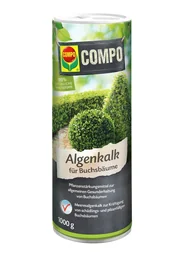
Establish preventative measures
Water from below, not over the leaves. An airy location allows moisture to dry more quickly. Avoid stressing the plant through drought or over-fertilisation.
When buying, look for resistant varieties such as 'Faulkner' or 'Herrenhausen'. They are not immune, but they are more robust. Find out about more products in our Plant protection category.
What are good alternatives to boxwood?
Anyone who wants to play it safe can plant more robust species. Japanese holly (Ilex crenata) looks remarkably similar to boxwood. It tolerates pruning well and is resistant to box tree moths.
Dwarf privet (Ligustrum vulgare 'Lodense') produces dense, small leaves. Honeysuckle (Lonicera nitida) grows quickly and is very undemanding.
Cushion thyme or carpet cotoneaster are suitable for low borders. They have a different appearance, but are extremely easy to care for.
When choosing alternatives, consider their eventual space requirements. Some plants grow faster and need more frequent pruning. Find inspiration in our Garden + Outdoor range.
Caring for boxwood alternatives
Most alternatives are easier to care for. They often need less water and can tolerate drier periods. Pruning follows the same basic rules as for boxwood.
Always find out about the specific location requirements of the new plant. Not every alternative tolerates full sun or deep shade equally well.
How do I protect young boxwood plants in winter?
Young boxwood plants and container plants are sensitive to frost. Dry, cold easterly winds and winter sun can cause frost desiccation. The leaves dry out because the roots cannot draw water from the frozen soil.
Protect the plants with a windbreak net or jute fabric. Wrap them loosely so that air can circulate. Remove the cover on mild days.
Water occasionally on frost-free days in winter. This prevents drought stress. A layer of mulch made from leaves or bark protects the roots from severe frost.
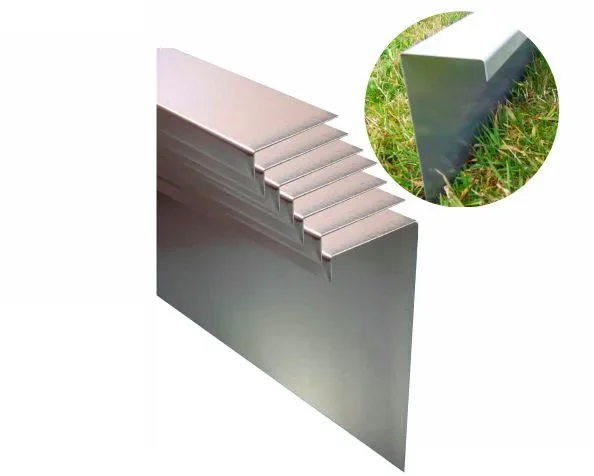
Mechanical protection helps against voles, which gnaw at the roots in winter. The
Pro tip
Place containers on insulating feet such as wooden blocks or polystyrene. Wrap the pot with bubble wrap or coconut mats. This protects the root ball from freezing through.
With the right care, your boxwood will remain healthy for many years. Regular checks, targeted pruning and quick action against pests are the cornerstones of successful care. Robust alternatives provide planning certainty for garden design.
Frequently Asked Questions
- When is the best time to prune my boxwood?
- The ideal period for shaping boxwood is between April and September. Prune on dry, overcast days to prevent sunburn on the cut surfaces. The final pruning should be completed by the end of August so that the shoots can mature before winter.
- How can I tell if my boxwood has box tree moth?
- Look for light-green caterpillars with black spots, webbing inside the plant and chewed leaves. In severe infestations, only the leaf skeleton remains. Check your boxwood plants weekly from March onwards, especially inside the plant.
- What type of soil does boxwood need?
- Boxwood prefers well-drained, humus-rich and chalky soil. Improve heavy clay soils with sand to prevent waterlogging. A slightly alkaline pH is ideal. Use special boxwood or rhododendron soil.
- What can I plant instead of boxwood?
- Hardy alternatives include Japanese holly (Ilex crenata), dwarf privet or honeysuckle. These plants offer similar shapes but are more resistant to box tree moth and the widespread shoot blight fungus (Cylindrocladium).
- How do I fertilise my boxwood correctly?
- Fertilise moderately from March to July with a special boxwood fertiliser or organic slow-release fertiliser. Avoid over-fertilising with nitrogen, as this makes the plant more susceptible to pests. Applying algae lime in spring strengthens the leaves.
You may also be interested in
- Planting & caring for boxwood hedges: A garden classic
- How to control box tree moth: The ultimate guide
- How to prune boxwood correctly: A guide to perfect shapes
- Planting & caring for beech hedges: Hardy privacy screening
- How to prune shrubs correctly: The ultimate guide
- Pruning hedges with bird protection in mind: The right time and tools