
In brief: Building a pool in your garden requires structured planning. First, check your local building permit requirements. Then choose your pool type – concrete, prefabricated or framed – and consider the location, equipment and budget. Construction includes excavation, installation and connecting the filtration system. Careful planning saves time and money.
Build a Garden Pool: Planning, Construction and Permits
A pool of your own can transform your garden into a private oasis. Getting there is a project with several stages. Success starts with clear planning. This includes legal requirements, choosing the right pool type and integrating it into your garden design.
Do not overlook any step. Changes to a completed pool are expensive or impossible. We guide you through the key stages.
The first question: Do you need a permit?
The answer comes from your local city or county. German building regulations are governed by the individual states, so there is no single nationwide rule.
A building permit is often required for permanently installed, in-ground pools. The water surface area and maximum depth are often decisive. An above-ground framed pool is usually considered a mobile swimming pool and does not require a permit.
Important note
Contact your local building authority before planning the first excavation. Obtain a binding decision. Violations can result in costly remedial work or even require the pool to be removed.
Do not forget the connections. The filter pump and lighting require electricity. Plan these lines at an early stage. An electrician must carry out this work professionally.
How do you plan your garden pool properly?
Good planning is half the battle. It saves time, stress and money. Start by choosing the location.
The ideal spot gets plenty of sun and little wind. Avoid being too close to large trees. Falling leaves and needles put a strain on the filtration system. Roots can damage the pool over the years.
Consider access for excavators and trucks. The excavated soil must be removed, and the pool or concrete must be delivered. Narrow driveways can become a problem.
“The location of the equipment pit is crucial. It should be close to the pool, but protected and easy to reach for maintenance work. Short pipe runs improve the efficiency of the filtration system.”
Sketch out your plan. Include seating areas, shade and paths. The pool will become the centerpiece of your outdoor area. The overall composition matters.
Which pool type is right for you?
You have three basic options. Each has advantages and disadvantages.
The concrete pool is the highest-quality and most durable option. It is individually designed and poured on site or assembled from precast concrete sections. Almost any shape and size is possible. Construction is complex, expensive and takes several weeks.
The prefabricated pool made from fiberglass-reinforced plastic is delivered as one piece. Installation is faster than with a concrete pool. The choice of shapes is limited, and delivery requires plenty of space.
The framed or steel-wall pool is the most affordable and flexible option. It often does not require a permit and can be assembled quickly. Its durability is more limited. For a professional look, you will need a decorative surround.
Expert tip
Plan for a high-quality filter pump and sand filter system from the outset. It is the heart of the pool. A weak pump will not keep the water clear. Calculate the pump capacity based on the pool volume. Specialist retailers can advise you on this.
How much does it cost to build a garden pool?
Costs can vary widely. They are made up of many different items.
The pool structure itself is only one part of the cost. Excavation work for the pit must also be considered. Filtration equipment with a pump, sand filter and skimmer is another essential cost. Chemical water treatment requires a dosing system or regular manual additions.
Do not forget ongoing costs. Electricity for the pump, water for topping up and maintenance products all add up. A pool cover saves energy and chemicals.
Here is a rough overview for guidance:
- Basic framed pool: From 500 euros for the basic set.
- Prefabricated pool with installation: 10,000 to 25,000 euros.
- Concrete pool with standard equipment: From 40,000 euros.
- Custom luxury version: 80,000 euros and considerably more.
Ask several specialist companies to prepare detailed quotes. Compare the services carefully.
Keep hidden costs in mind
Your budget should include a contingency. Unexpected problems are common during excavation.
If you encounter rock or a high groundwater level, the cost of securing the excavation will increase. Removing the excavated soil is another expense. Delivery via narrow access routes can incur additional costs.
Include the surrounding area in your plans. New patio slabs, a pool surround made from wood or natural stone and planting are investments that complete the overall look.
Additional advice
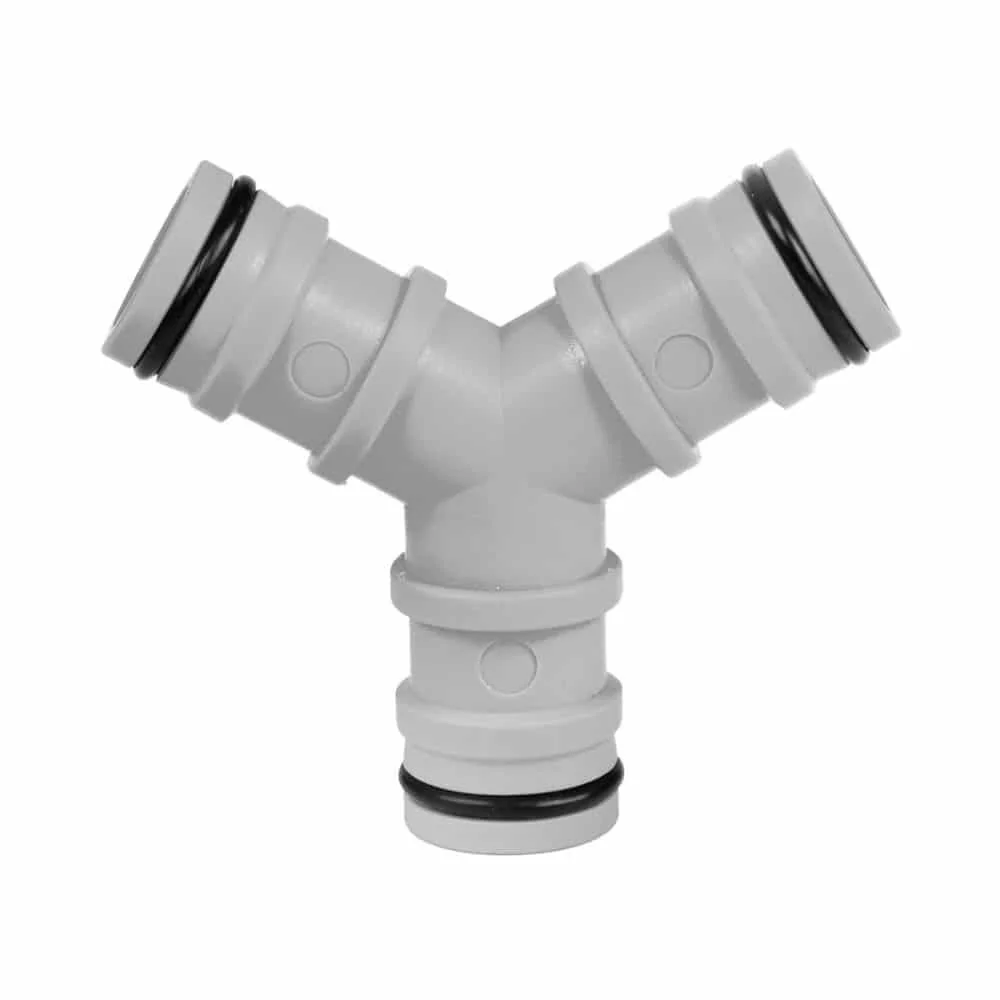
Robust connections are needed for attaching pool cleaning tools or outdoor showers. A
or a made from brass ensures a tight, durable connection to your garden hose.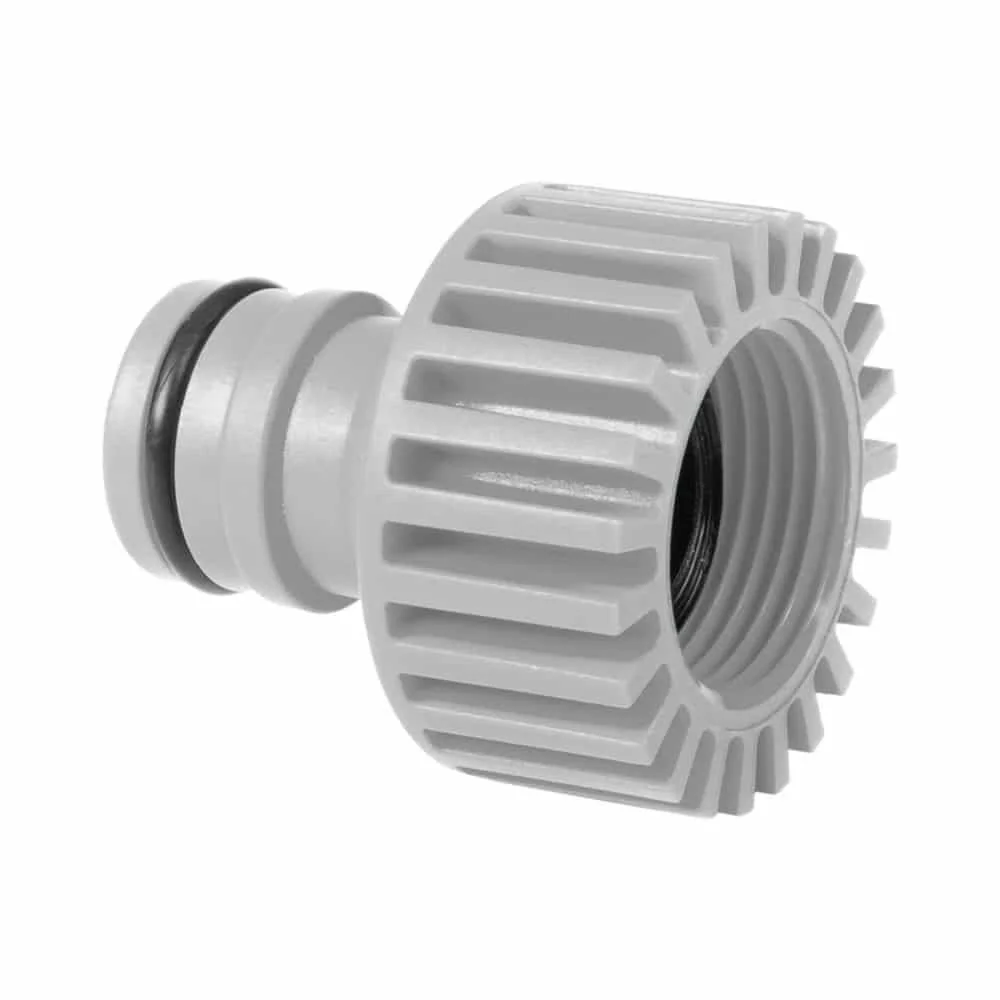
How is a concrete pool built?
Building a permanently installed pool is a coordinated project. It follows a clear sequence.
Once the plans have been approved, excavation work begins. An excavator digs the pit. The excavation should be about one meter larger than the pool dimensions to allow room for formwork and drainage.
Next, the base slab and reinforcement are installed. Steel mesh gives the concrete its strength. The formwork for the walls and all fittings, such as skimmers, return jets and underwater lighting, are then positioned precisely.
The concrete is either pumped or poured. Once it has cured, the formwork is removed. The important waterproofing stage follows. A special liner or multi-layer pool coating makes the pool watertight.
“The quality of the waterproofing is critical. A leaking pool not only causes water loss, but can also be damaged from the outside by groundwater seeping in. Investing in quality materials and professional workmanship is always worthwhile.”
At the same time, the equipment room is built. This is where the filter, pump and controls are installed. The pipework between the pool and the equipment is laid.
Commissioning and the startup phase
Once the pool is complete, it is time for the first water test. Fill the pool slowly, checking all seams and connections as you go.
After filling, start the filter pump. The chemical balancing process can now begin. Measure the pH value and total hardness. Adjust the levels with the appropriate products. This process takes several days.
The water is suitable for swimming only once the levels remain stable within the ideal range. Record these initial readings. They will serve as a reference for ongoing maintenance.
What equipment does your pool need?
Clear, hygienic water does not happen by chance. It is the result of properly functioning equipment.
The filtration system is the heart of the setup. A sand filter system is the standard choice for private pools. Water is pumped through a tank filled with silica sand, which traps even the finest dirt particles. The pump must circulate the entire pool volume several times a day.
The skimmer draws in surface water. Leaves and insects are caught before they sink. Inlets at the bottom of the pool ensure circulation and prevent stagnant areas.
You have several options for chemical sanitation. Chlorine is widely used and reliable. Alternatives include active oxygen or saltwater chlorine generators. The latter produce the required chlorine from salt.
A pool heater extends the swimming season. Heat pumps are efficient but expensive to purchase. Solar heating systems use free solar energy but depend on the weather.
Everyday care and maintenance
The equipment does much of the work, but it cannot operate entirely without your input.
Every day, use a pool skimmer to remove coarse dirt from the surface. Once a week, brush the walls and floor to prevent algae buildup. A practical
is useful throughout the garden.
Test the pH value and chlorine level at least twice a week. Adjust the dosage as needed. A well-balanced pH value (7.0-7.4) optimizes the effectiveness of the chlorine and is gentler on the skin.
In autumn, it is time to winterize the pool. Lower the water level, drain all the pipes and protect the equipment from frost. A sturdy pool cover such as the
protects it from dirt.
Pro tip
You need a powerful hose for changing the water or vacuuming up dirt. A
is ideal as a pool vacuum hose. It is flexible, UV-resistant and, thanks to its length, suitable for larger pools too. Store it in the shade.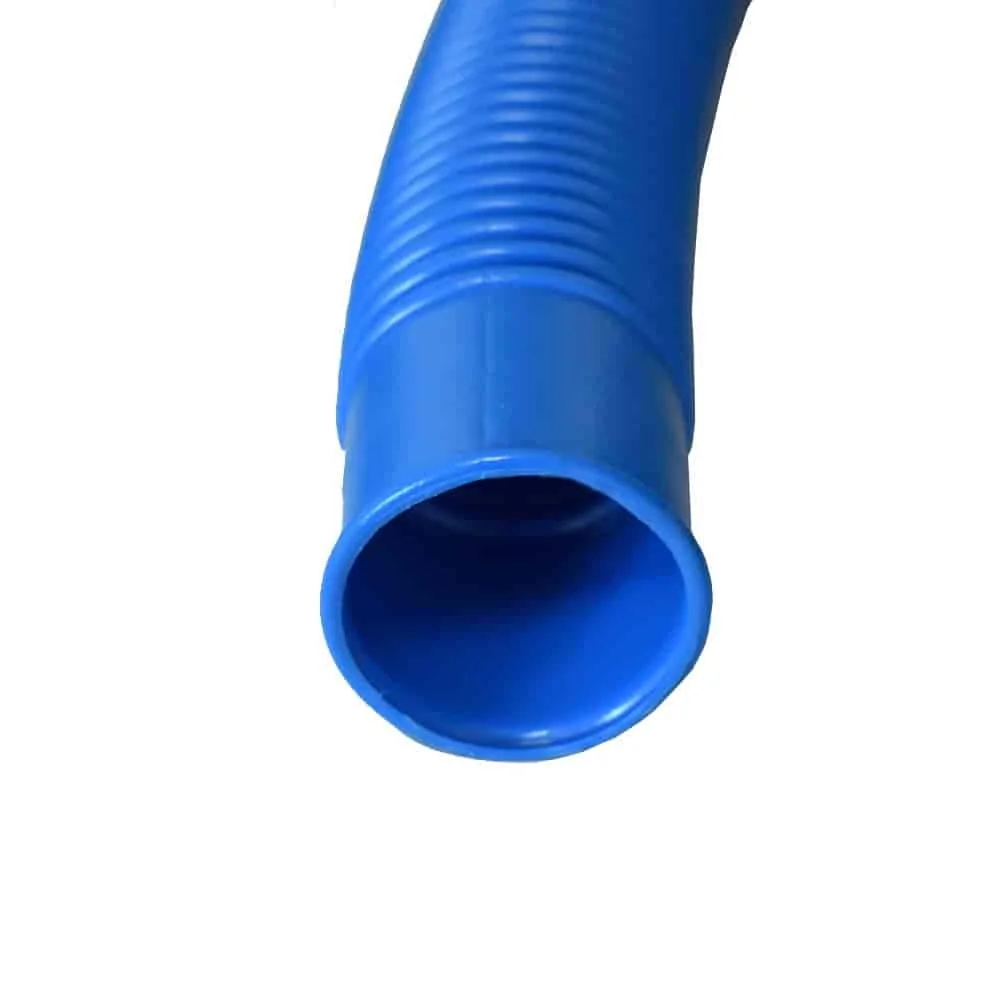
Pool in the garden: Planning summary
Having your own pool is an investment in your quality of life. Getting there requires perseverance and careful preparation.
Start by checking the legal requirements. Obtain the necessary permit. Then choose the type of pool that suits your budget, property and lifestyle. Select reliable partners for planning and construction.
Invest in high-quality filtration equipment. It is the foundation for consistently clean water. Ongoing maintenance is minimal, but must be carried out regularly.
With a well-thought-out plan, you can create a relaxing space that will serve you for many years. Your garden gains value and appeal. Your first plunge into the cool water will reward you for all the effort.
Frequently Asked Questions
- Do I need planning permission for a pool in my garden?
- This depends on the pool's size, depth and the state you live in. Permanently installed, above-ground pools exceeding a certain water surface area or depth often require permission. Frame pools are often considered mobile and do not require permission. Be sure to check with your local building authority beforehand.
- Which types of pools are suitable for a private garden?
- You have three main options: A durable concrete pool is expensive and requires planning permission. Prefabricated plastic pools can be installed more quickly. Frame or steel-wall pools are the most affordable and flexible option, often without requiring permission. The right choice depends on your budget, available space and how long you plan to use the pool.
- How much does it cost to build a pool in the garden?
- Costs vary widely. A basic frame pool costs from 500 Euro. A prefabricated pool with installation costs between 10.000 and 25.000 Euro. A custom concrete pool with equipment and surrounding area starts at 40.000 Euro. You should also budget for excavation work, electrical installation, the filtration system and annual maintenance costs.
- Where should the pool be located in the garden?
- Choose a sunny, sheltered location. Keep sufficient distance from property boundaries and trees to minimize root growth and falling leaves. The site must be accessible to heavy machinery. Also consider the views from the house and the proximity to equipment and power supplies.
- How do I maintain my garden pool properly?
- The essentials are a powerful filter pump that runs daily, regular checks of the pH value and chlorine level, and cleaning the pool floor with a skimmer and brush. In winter, a durable pool cover protects against dirt and reduces chemical consumption.