
In brief: When buying sweeper spare parts, make sure they are compatible with your model, the brushes are made from high-quality materials and the sealing lip fits precisely. A complete spare parts kit is often the most practical and affordable solution for restoring your machine's full sweeping performance and extending its service life.
A sweeper works hard. It removes leaves, dirt and dust from pavements, driveways and workshop floors. But like any hardworking tool, its components are subject to natural wear and tear. The brushes and sealing lip in particular are constantly in use and wear down over time. The result is a noticeable reduction in sweeping performance. Instead of replacing the entire machine, the right spare parts can extend its service life and restore full functionality. This not only saves money but also protects the environment.
Investing in high-quality wear parts pays off. With the right sweeper spare parts kit, you get the most important components in one package. The kit contains two new disc brushes and a precisely fitting sealing lip. This lets you restore maximum cleaning performance in one simple step and ensures that your sweeper works as efficiently as it did on the first day. Everything you need is included, so there is no need to search for individual parts.
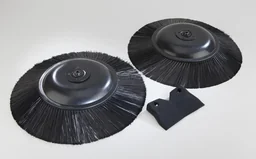
How can you tell when sweeper parts are worn?
Your sweeper's performance declines gradually. You often do not notice the wear until the cleaning result is no longer satisfactory. Look out for specific signs so you do not miss the right time for replacement.
The brushes: The heart of your sweeper
Disc or roller brushes are directly responsible for picking up dirt. Their wear is the most common cause of poor cleaning performance. Clear signs of worn brushes include:
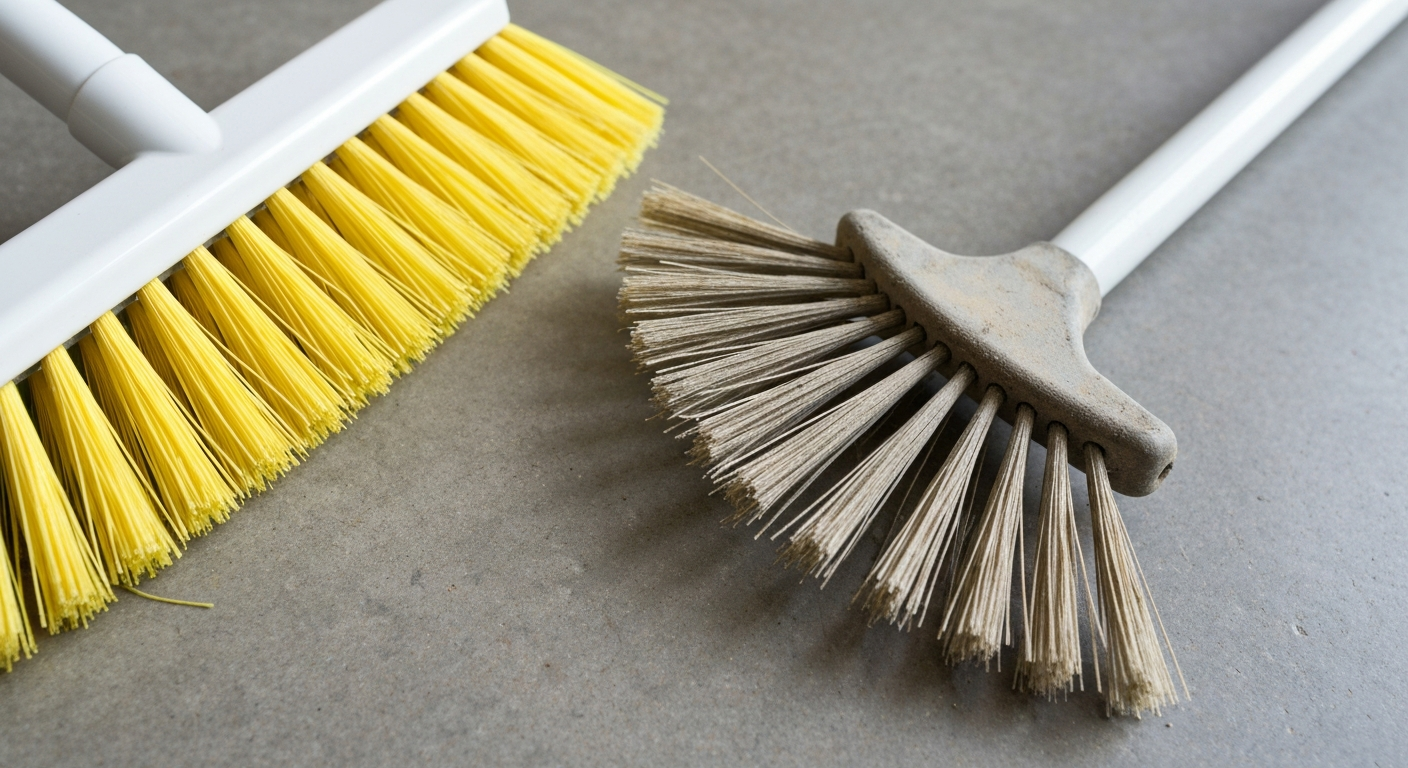
- Shortened bristles: Constant friction against the ground wears down the bristles. If they become too short, they can no longer reach dirt in joints or depressions.
- Deformed or bent bristles: The bristles lose their stiffness and bend to the side. They can no longer move dirt effectively into the collection container.
- Missing bristle bundles: If entire tufts have broken out of the holder, gaps appear in the sweeping pattern. Unsightly strips of dirt are left behind.
- Reduced sweeping width: Worn side brushes no longer cover the full working width, which is particularly noticeable along edges and walls.
A sweeper is only as good as its brushes. If you cut corners here, you will end up sweeping twice. Replacing them in good time is the best investment in a clean result.
The sealing lip: The unsung helper
The rubber lip at the rear or bottom of the machine has an important function: it prevents airborne dust and fine dirt from escaping underneath the machine. It seals the gap between the housing and the ground and guides the swept material safely into the container. You can identify a faulty sealing lip by the following signs:
- Cracks and brittleness: Material fatigue caused by UV radiation and mechanical stress makes the rubber brittle. Cracks develop and allow dirt to pass through.
- Deformation: A bent or rippled sealing lip no longer lies flat on the ground. Fine dust is no longer collected.
- Torn edges: Contact with kerbs or uneven ground can tear parts of the lip away. The sealing function is then lost.
If your machine leaves a fine trail of dust behind, a worn sealing lip is almost always the cause. A precise fit is essential for dust-free cleaning.
Why is the quality of spare parts so important?
There are many spare parts available on the market. But when it comes to wear parts such as brushes, quality makes the difference between a short-term repair and a long-term solution. Choosing inferior products risks not only poor cleaning results but also damage to the machine.
Important note
Never use spare parts that have not been explicitly approved for your sweeper model. Incorrect dimensions or mounting points can overload the drive motor or damage the housing. Check compatibility carefully in the product description.
Precise fit for optimum performance
A spare part must exactly match the specifications of the original part. A sealing lip that does not fit precisely will not seal flush with the ground and will allow fine dust to escape. Brushes with the wrong diameter or an unsuitable mounting point put strain on the bearings and drive motor. This leads to increased wear throughout the sweeper's mechanism. Only precisely manufactured parts from the industrial supplies range ensure that all components work together smoothly.
Material and durability
Sweeper brush quality depends directly on the material used. High-quality plastic bristles, usually made from polyamide, are resistant to abrasion and retain their shape and stiffness for a long time. Cheap bristles wear out quickly, bend and break. The same applies to the sealing lip: flexible yet robust rubber withstands weathering and mechanical stress for much longer than brittle or overly soft material. Investing in quality pays off through a longer service life and better sweeping results.
How do you find the right spare parts set for your sweeper?
Choosing the right spare part is easier than you might think if you take a systematic approach. The key is to know your machine model exactly and choose proven quality.
Check the model and serial number
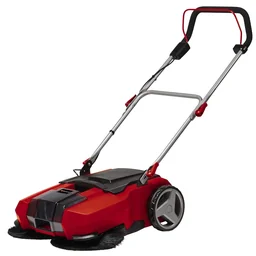
The most important information is the exact model designation of your sweeper. You will usually find this on a rating plate on the machine housing. Make a note of the full designation and, if applicable, the item or serial number. With this information, you can search our shop specifically for the right spare parts and make sure everything fits perfectly. This applies to simple manual sweepers as well as a powerful power tool model such as the Cordless sweeper TE-SW 18/610.
Additional advice
Take a photo of your machine's rating plate with your smartphone. This way, you always have the exact details to hand when searching for spare parts online or requesting advice. It helps avoid incorrect purchases and saves time.
Buy sets for convenience and savings
Buying a complete set, such as a sweeper spare parts set, offers several advantages. First, the components – brushes and sealing lip – are perfectly matched to one another. Second, a set is generally cheaper than buying the individual parts. Third, you can replace all the important wear parts in one go and do not have to start maintenance again shortly afterwards because another part fails. Individual brushes, such as the replacement disc brush, are ideal if only one specific part has been damaged.

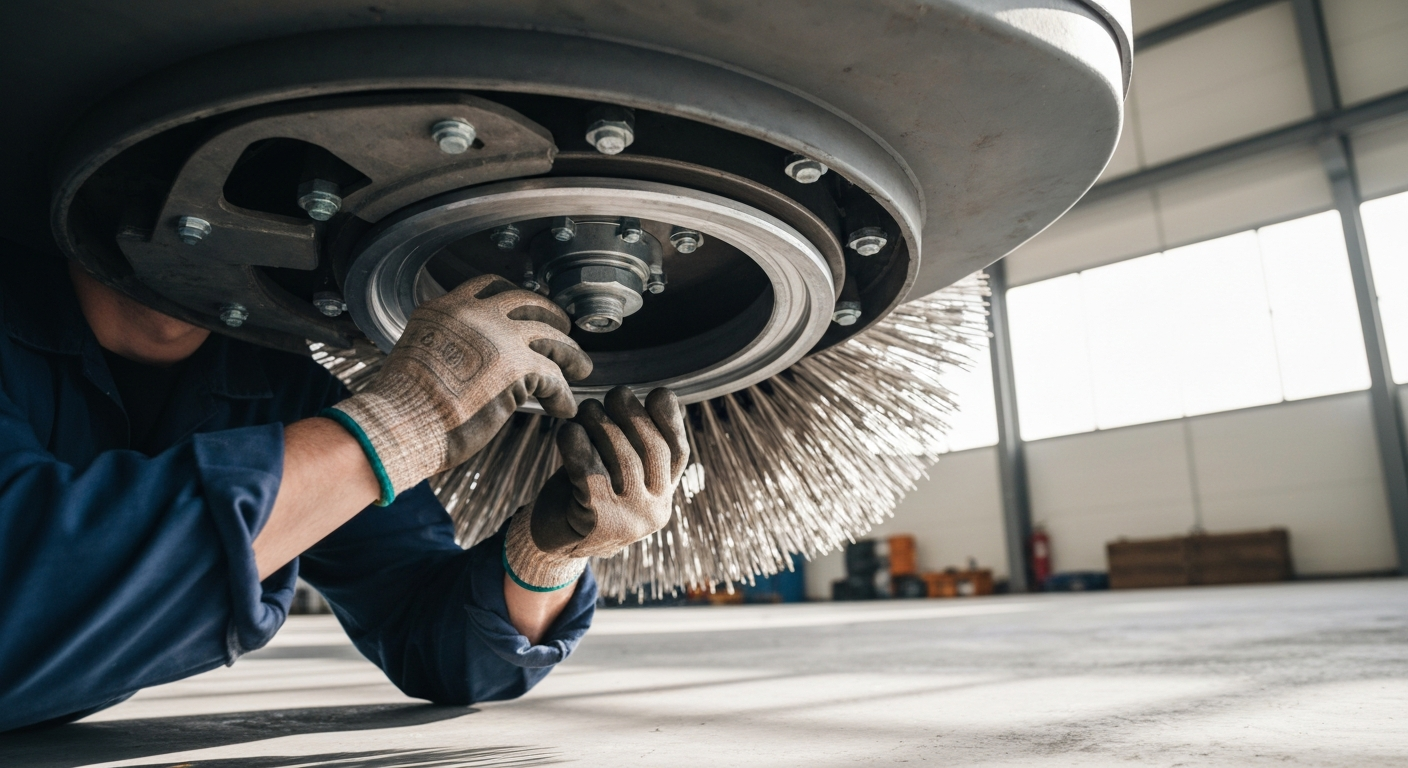
Instructions: How to replace the brushes and sealing lip on your sweeper
Replacing wear parts is straightforward on most sweepers and can be done in just a few steps. You generally only need basic tools such as a screwdriver or pliers.
- Safety first: Make sure the machine is switched off. For cordless models, remove the battery; for petrol models, disconnect the spark plug lead. This prevents the machine from starting accidentally.
- Prepare the machine: Lay the sweeper on its side or tilt it backwards to access the underside freely. It is best to place a blanket or piece of cardboard underneath to prevent scratches to the housing.
- Remove the old brushes: The disc brushes are often secured with a central screw, a split pin or a click mechanism. Undo the fastener and pull the old brush off the drive shaft. Make a note of the order in which you remove the parts.
- Replace the sealing lip: The rubber lip is usually slid into a rail or secured with several small screws. Undo the screws or pull the old lip sideways out of the guide rail. Clean any dirt from the rail.
- Fit the new parts: Slide the new sealing lip into the guide or screw it firmly in place. Place the new brushes on the drive shafts and secure them in the reverse order of removal. Make sure they are firmly seated.
- Function test: Return the machine to its upright position. Insert the battery or reconnect the spark plug lead. Turn the brushes briefly by hand to check that everything moves freely. Carry out a short test run on a clean surface.
Pro tip
Use the parts replacement as an opportunity to give the machine a thorough clean. Remove hair, string and caked-on dirt from the drive shafts and inside the housing. A little silicone spray on the moving parts keeps them running smoothly and protects against corrosion.
The right care for a long service life
With regular maintenance and proper care, you can significantly extend the service life of your sweeper and its spare parts. Just a few simple steps can make a big difference.
Clean after every use
The most important care measure is cleaning. Empty the debris container after every use. Remove coarse dirt, leaves and especially long threads or strings that have become wrapped around the brush axles. This reduces the strain on the drive and prevents the bearings from seizing. A clean workspace is essential in any Garden + Outdoor area.
Treat your sweeper like any other precision tool. One minute of cleaning after use can save you an hour of repairs later. Dirt is the greatest enemy of any mechanical system.
Storage: Keep it dry and protected
Store your sweeper in a dry place protected from the weather. Constant moisture promotes corrosion on metal parts and causes rubber sealing lips to become porous more quickly. Direct sunlight can make the plastic housing brittle. A garage, cellar or garden shed are ideal places.
Check the moving parts
Regularly check the condition of the wheels and their bearings. Make sure everything turns easily. On models with belt drive, keep an eye on the belt's tension and condition. A loose or cracked belt reduces power transmission to the brushes and should be replaced immediately.
By caring for your sweeper and replacing worn parts with high-quality spare parts in good time, you can enjoy a reliable, powerful machine for many years. The work becomes easier and the results are always immaculate.
Frequently Asked Questions
- How often should I replace my sweeper brushes?
- Replace the brushes as soon as you notice a significant decline in sweeping performance. Signs include worn, bent or missing bristles. With regular use on rough surfaces, they may need replacing every year, while occasional use often allows them to last for several years.
- Will every spare part fit every sweeper?
- No, spare parts are model-specific. Before buying, always check the manufacturer's specifications and the model or product number of your sweeper. Only correctly fitting parts ensure reliable operation and prevent damage to the machine. Incorrect parts can jam or damage the mechanism.
- Can I replace just one brush, or do I always need to replace both?
- Always replace both circular brushes at the same time. Replacing just one leads to uneven wear and poor sweeping performance, as the new brush collects dirt differently from the old one. Even contact pressure is essential for clean results.
- What are the advantages of a spare parts set over individual parts?
- A set ensures that all components are perfectly matched. You receive brushes and a sealing lip from the same batch with a guaranteed fit. Buying a set is also often cheaper than purchasing the individual parts, and you have everything you need for complete maintenance straight away.
- How do I clean my sweeper brushes properly?
- Remove coarse dirt, hair and string from the brushes after every use. If they are heavily soiled, you can remove the brushes (if permitted by the manufacturer) and clean them with a stiff brush and water. Allow them to dry completely before refitting them.