
In brief: The chimney sweep responsible for your property is appointed by the authorized district chimney sweep for your local sweeping district. You cannot choose them freely. You will usually receive written notice of appointments at least four weeks in advance, as required by law. Mandatory appointments include sweeping and inspection work for all fireplaces and heating appliances to ensure fire safety and safe exhaust emissions.
What are the chimney sweep's legal duties?
The chimney sweep, officially an authorized district chimney sweep master or journeyman, performs public duties. Their primary responsibility is protecting lives and property. They ensure that your fireplaces and exhaust systems are safe.
Specifically, they carry out sweeping, inspection and measurement work in accordance with the Sweeping and Inspection Regulations (KÜO). This includes cleaning chimneys of soot and glazed creosote. They check that exhaust gases are discharged properly and measure emissions such as carbon monoxide levels.
They document their work in the sweeping log and inspection report. If they find defects, they issue a notice of non-compliance and set a deadline for correction. In extreme cases, they may decommission fireplaces.
“Our work is preventive fire protection. A chimney that is swept and inspected regularly significantly reduces the risk of a chimney fire. Measuring emissions from heating systems helps protect against potentially fatal carbon monoxide poisoning.”
Who is responsible for my house? How sweeping districts work
Germany is divided into designated sweeping districts. The responsible authority appoints a district chimney sweep master for each district. This person is responsible for all fireplaces and heating appliances in their area.
As a homeowner or tenant, you do not have the freedom to choose. The company responsible for your address is determined by this official allocation. You can find its contact details in your municipality or city's publicly available online sweeping district map.
Important note
Beware of disreputable providers who go door to door offering “special deals” on chimney cleaning. A genuine chimney sweep will always announce their visit in writing. Their statutory fees are fixed and cannot be negotiated.
You can change the responsible company only in narrowly defined exceptional cases, for example if serious service deficiencies have been proven. The application must be submitted to the responsible state guild association.
How do appointments work? From the notification to receiving the report
The chimney sweep will announce the visit in writing at least four weeks in advance. The letter will state the date, time and scope of the planned work, such as “sweeping chimney 1, measuring the gas heating system's exhaust route”.
For the appointment, they need clear access to all fireplaces and heating appliances, the attic and the roof. Clear the access routes beforehand. The utility room must be accessible for a heating inspection. Have any relevant documents, such as your heating maintenance contract, ready.
Pro tip
Ideally, schedule the heating inspection directly after your annual service by a heating engineer. This ensures that all systems are operating optimally and that the readings are accurate. Mention this preference when arranging the appointment.
After the work, you will receive the report. It confirms that the work was carried out correctly. If defects are found, the chimney sweep will record the issue and the deadline for correction. Keep these documents in a safe place, as they are important when selling a house.
What happens during chimney maintenance and an emissions test?
During chimney maintenance, the chimney sweep cleans the chimney from top to bottom with special brushes. They remove soot and other deposits. At the same time, they inspect the chimney for cracks, wear and adequate draught.
An emissions test on your heating system is a measurement-based inspection. Using a measuring device, the chimney sweep analyzes the exhaust gases directly at the burner. They check the carbon monoxide level, exhaust temperature and combustion efficiency. Poor readings may indicate a faulty burner or insufficient air supply.
A well-maintained heating system is essential for these tasks to run smoothly. Proper heating pipe insulation also improves efficiency and prevents energy loss.
Which fireplaces and heating appliances must be inspected?
The requirement applies to all permanently installed combustion systems. These include central heating systems (oil, gas, pellets, wood), room heaters (wood-burning stoves, tiled stoves, cookers) and open fireplaces. Gas boilers used to heat water are also subject to inspection.
Portable devices such as barbecues and fire bowls in the garden do not require sweeping. Nevertheless, safe handling of fire outdoors is essential. Find out about safe locations and practices in our Barbecues + Fire Bowls category.
“Many people underestimate the fact that even a fireplace that has not been used for a long time must be inspected. Bird or mouse nests can completely block the flue. When the fire is lit for the first time after a long break, smoke can then enter the room — creating a serious fire hazard.”
Do not forget secondary fireplaces and heating appliances such as sauna stoves or workshop heaters. Notify the chimney sweep if they are not listed in their records. Otherwise, you risk operating them without authorization.
How can I prepare my house properly?
Good preparation saves time and helps ensure a smooth inspection. Clear all access routes. This includes the route to the heating system, the stairs to the attic and the area around the wood-burning stove. Remove decorations from the stove and mantelpiece.
Provide a stable, secure ladder for access to the roof hatch. Although the chimney sweep brings their own equipment, a household ladder often makes access easier. For work around the house, robust garden tools and practical accessories can also be useful.
Additional advice
Photograph the condition of the roof tiles around the chimney before the appointment. This gives you a reference in the rare event of damage during sweeping. Also clarify who will pay for any repairs to the roof flashing.
Have important documents ready: the chimney sweep's appointment letter, the fireplace notice and your heating system's operating manual. In rented accommodation, clarify in advance who will attend the appointment — tenant or landlord.
After the appointment: The report and possible defects
The inspection report is your proof of safety. Check it for completeness. Does it list all your fireplaces and heating appliances? Are the readings within the safe range? A copy of the report is sent to the responsible authority.
If a defect is identified, you will be given a deadline for correcting it. Typical defects include leaking stove doors, a missing fireplace notice or poor heating emissions readings. Have a qualified specialist repair the issue.
After the defect has been corrected, the chimney sweep must carry out a follow-up inspection. This incurs additional costs, so act promptly. For work on the building envelope as part of fire safety improvements, you can find materials in our shop.
What costs can I expect?
Chimney sweep fees are non-negotiable. They are set out in the Fee Regulations (KÜO). The costs consist of basic fees for travel to and from your property, plus individual fees for each service carried out.
A simple chimney sweep costs around 30 to 50 euros. A comprehensive inspection of the appliance and flue gas path measurement for a gas heating system can cost between 80 and 150 euros. For a wood-burning stove, sweeping and inspection cost around 60 to 90 euros.
Your chimney sweep will provide you with an itemised invoice listing all charges. Check that all the announced work has been included. Payment is usually made by bank transfer within 14 days.
For extensive renovations or preparing your home for winter, take a look at our Garden + Outdoor category. Here you will find products for maintenance work.
Products for a safe home
A safe home starts with sound building fabric. Robust materials are ideal for work on building seals or preparing surfaces.
The
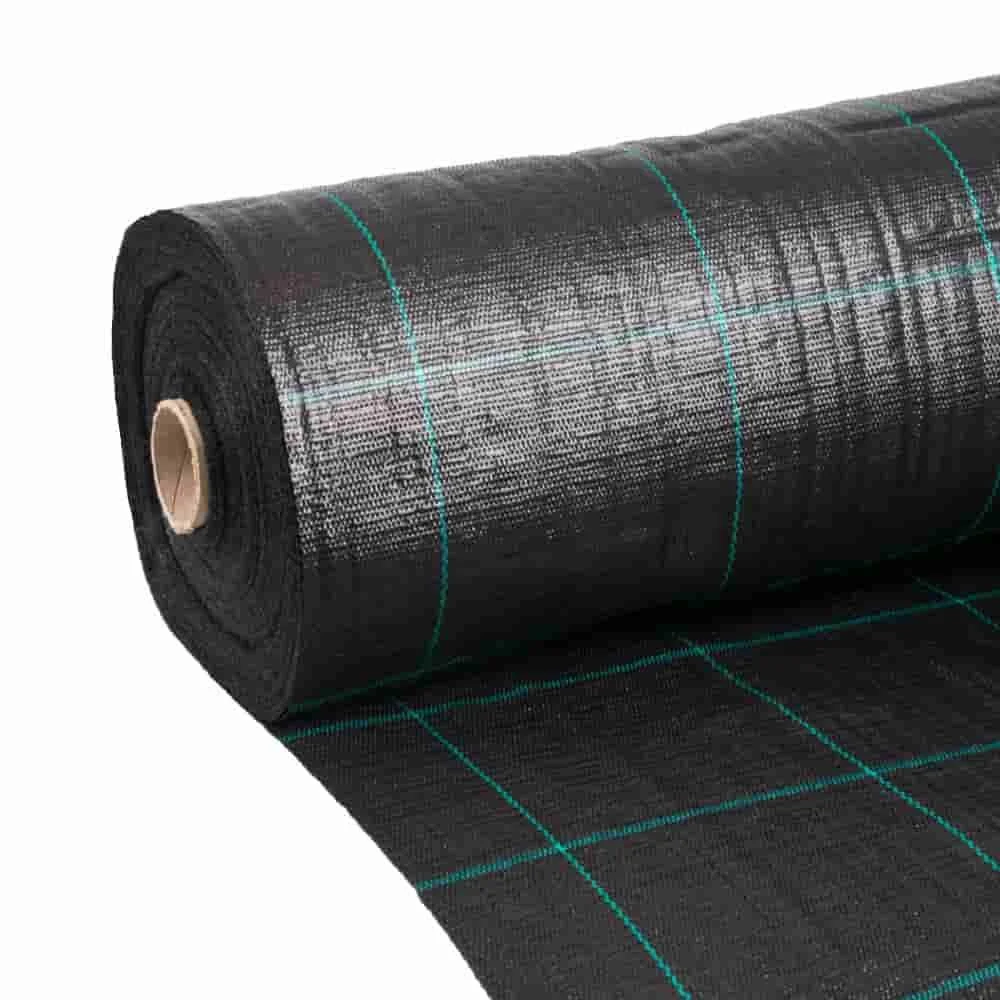
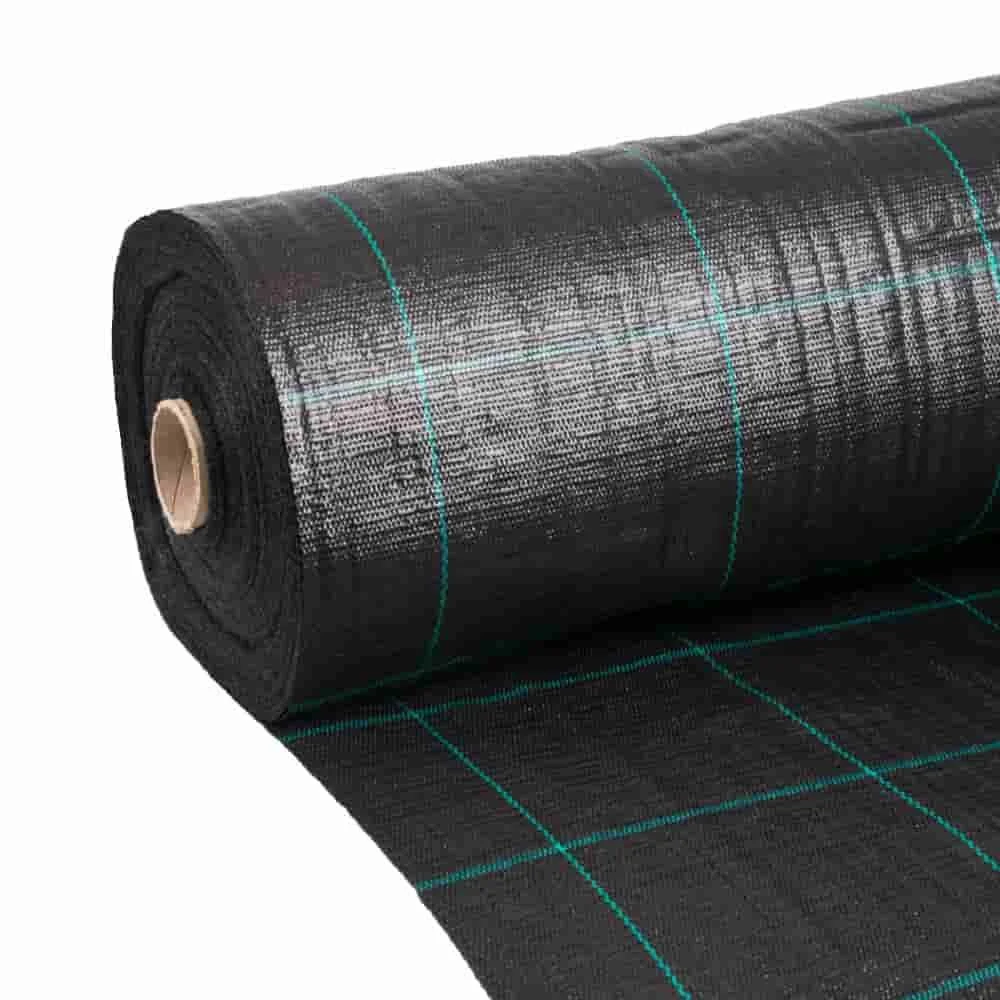
is suitable as an underlay for many applications. The is a durable ground cover fabric for larger areas. For extensive projects, the is the economical choice thanks to its length of 90 metres.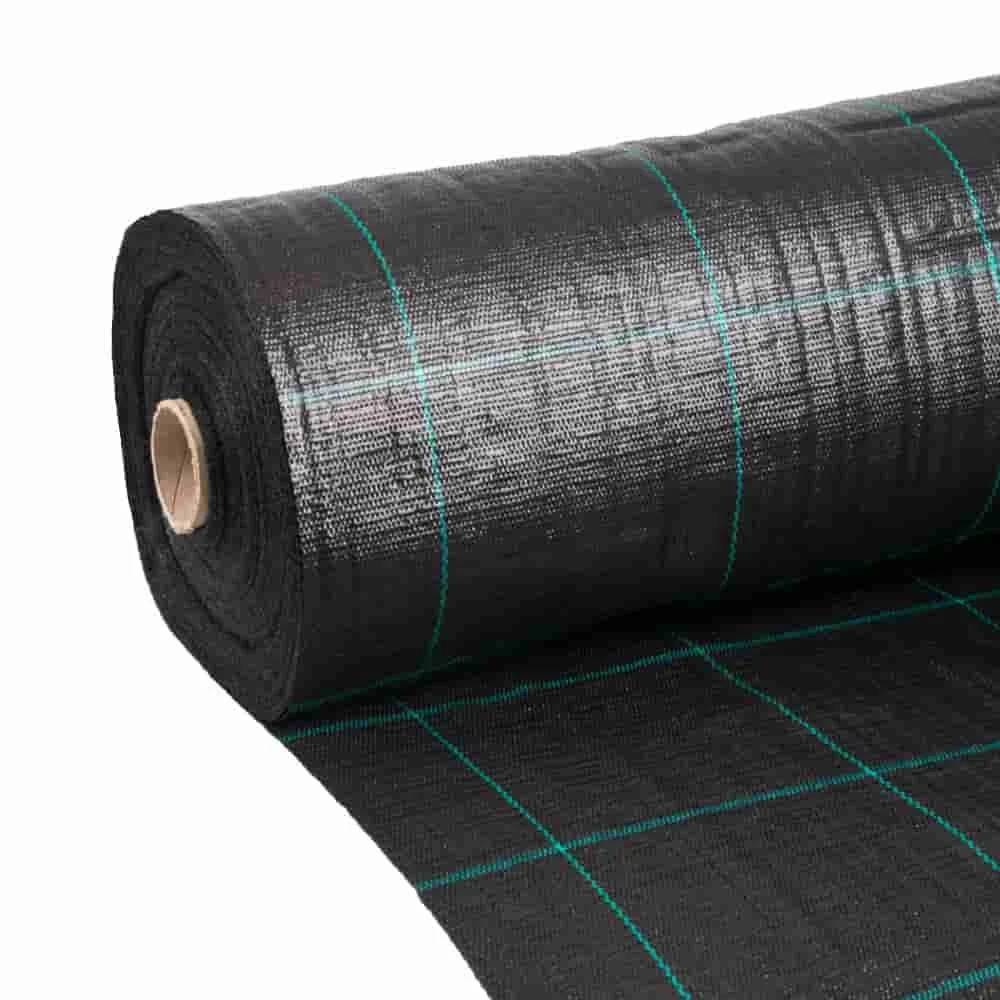
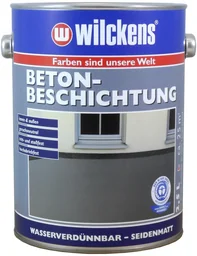
For safe, slip-resistant surfaces in plant rooms or workshops, the
offers reliable protection. You can find suitable refill quantities for coating work in the .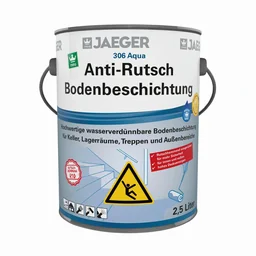
Always keep fire prevention in mind when carrying out building and maintenance work. Safe electrical installations and unobstructed escape routes are just as important as regular inspections by a chimney sweep. With the right preparation and high-quality materials, you can create a safe living environment.
Frequently asked questions
- Can I choose my own chimney sweep?
- No, responsibility is regulated by law. The district chimney sweep master responsible for your area assigns you a sweeping district and therefore a specific chimney sweep company. A change is only possible in justified exceptional cases, such as serious service deficiencies.
- How often does the chimney sweep need to visit?
- The intervals depend on the fuel and heating appliance. Oil and gas heating systems usually require annual measurements. Solid-fuel stoves (wood, coal) are swept and inspected between one and three times a year. You will receive the exact sweeping and inspection schedule with your first invoice or from the responsible district chimney sweep master.
- How much does a chimney sweep visit cost?
- The fees are set nationally under the Sweeping and Inspection Regulations (KÜO). They depend on the type and number of heating appliances you have. A simple chimney sweep costs around 30 to 50 euros, while a comprehensive flue gas inspection for a gas heating system can cost more than 100 euros. The detailed fee schedule is available online.
- What happens if I cannot keep an appointment?
- Contact the chimney sweep company immediately. You can usually reschedule the appointment once free of charge. If you cancel repeatedly or are not present, the chimney sweep may threaten a coercive fine and carry out the work in the presence of a witness, which will result in additional costs.
- Does the chimney sweep always need to come inside the house?
- For most services, yes. Sweeping and visually inspecting the chimney terminal requires access to the loft and roof. For measurements at the heating system, the technician must enter the plant room. Exceptions include flue gas measurements for certain appliances, which may be possible from outside.
You may also be interested in
- Using a wood-burning stove: regulations and tips
- Safety distances around chimneys: how to protect your home and garden
- Ash vacuum: the smart helper for fireplace and stove maintenance
- Mandatory solar roofs: what homeowners need to know
- The new heating law: what homeowners need to know
- Heating system maintenance: costs, benefits and ways to save money at home