
Quick answer: Remove carpet stains as soon as possible: blot up liquids, pick up solid residue and treat the stain from the outside in. Test every home remedy on a hidden area first. Vacuum regularly, clean according to the fiber type and refresh colors only with a suitable carpet color spray.
Remove carpet stains as soon as possible: blot up liquids, pick up solid residue and treat the stain from the outside in. Test every home remedy on a hidden area first. Vacuum regularly, clean according to the fiber type and refresh colors only with a suitable carpet color spray.
Carpets make rooms feel more inviting, but they also collect dust, skin flakes and everyday mishaps. A clean carpet stays attractive longer when you treat stains early and tailor the cleaning method to the fiber type. Water, cleaning products and friction affect wool differently than polypropylene or viscose.
Read the care label before every treatment. Also check whether the carpet has a sensitive backing, a coating or loosely dyed fibers. You can find a good overview of different carpet materials in the relevant product information.
How can you remove carpet stains immediately?
The faster you act, the less time the dirt has to penetrate the fibers. Blot liquids immediately. Do not rub, as this spreads the stain and pushes it deeper into the fabric.
What to do in the first five minutes
- Absorb the liquid: Place a white, absorbent cloth over the stain and press it gently. Change to a dry section of the cloth regularly.
- Lift off solid residue: Remove crumbs, dirt or dried food with a spoon or the blunt side of a knife. Do not pull on individual fibers.
- Work from the outside in: Contain the stain by starting at the edge. This helps prevent a larger wet ring.
- Use cleaner sparingly: Apply the product to a cloth rather than directly to the carpet. This gives you better control over the moisture.
- Rinse: Blot with clean water afterward if the product instructions require it. Remove all cleaning product residue.
- Dry the area: Air out the room and do not place anything on the damp spot. Heat from a space heater can damage colors and fibers.
Why a white cloth is the better choice
Colored household cloths can transfer dye to the carpet. White cotton or a white microfiber cloth also shows immediately whether the stain is coming out. Press the cloth straight down onto the spot and lift it again. Do not scrub back and forth with pressure.
For a large liquid spill, use several dry cloths. Work from the edge toward the center and change the cloths as soon as they become damp. If the underside remains wet, lift the carpet and dry the floor underneath as well.
Pro tip
Photograph a fresh stain before cleaning it and note what caused it. Red wine, grease, wax and pet urine require different treatment. This information helps you choose the right product and prevents unnecessary experimentation.
Which home remedies work for carpet stains?
The topic of home remedies for carpets sounds simple, but not every kitchen ingredient is suitable for every floor covering. Lukewarm water and a very small amount of pH-neutral dish soap work for many fresh, water-soluble stains on durable synthetic carpets. Be more cautious with natural fibers, dark colors and sensitive backing materials.
These home remedies may help
- Lukewarm water: It dilutes fresh drink spills and dissolves water-soluble dirt. Use only as much as the cloth can absorb.
- pH-neutral dish soap: A drop in a glass of water can dissolve grease marks and food residue. Do not work up too much foam and rinse sparingly.
- Carbonated water: It can be used for blotting a fresh drink stain. Carbonation is not a substitute for thorough cleaning.
- Ice cubes in a bag: Cool chewing gum or soft wax until the material hardens. Then carefully lift off the residue.
- White absorbent cloths: They are not cleaners, but they prevent moisture and color from spreading further.
Vinegar, salt, lemon juice and baking soda do not automatically belong in carpet care. Acids can alter dyes, salt can leave residue and baking soda can become lodged in long or dense fibers. Use these products only if the care label or manufacturer expressly allows them.
Why rubbing and too much water cause damage
Rubbing puts stress on the fiber surface and can create visible pile damage in velour. Wool fibers felt more quickly, while viscose can easily develop light or dark rings from moisture and pressure. Too much water penetrates the carpet backing and extends the drying time.
Test every mixture on a hidden area, such as under a piece of furniture. Wait until the area is completely dry. Only then can you see whether the color remains stable and no ring is left behind.
“The sooner a stain is treated, the easier it usually is to remove. Blotting is gentle on the fibers and prevents the dirt from spreading further.”
How Do You Treat Red Wine, Grease, and Other Stains?
The cause determines the method. Water-soluble stains require different treatment than grease, wax, or protein-based stains. Always use as little liquid as possible and follow the recommended treatment time for the product you choose.
| Stain | What to do | What to avoid |
|---|---|---|
| Red wine, juice, soda | Blot immediately, then treat sparingly with lukewarm water and a suitable cleaner. | Rubbing, hot water, and large amounts of water. |
| Coffee and tea | Absorb the liquid, treat the edges from the outside in, and remove residue with a small amount of clean water. | Letting the stain dry or wiping only one spot. |
| Oil and grease | Lift off excess grease and treat with a carpet-safe stain remover according to the instructions. | Hot air, vigorous brushing, and undiluted solvents. |
| Mud and dirt | Allow to dry completely, vacuum thoroughly, and carefully treat any remaining edge. | Rubbing wet mud into the fibers. |
| Chewing gum and wax | Harden with an ice pack, carefully lift off, and treat any residue afterward according to the material. | Direct heat and sharp tools. |
| Pet urine | Absorb as much liquid as possible and use a suitable odor and stain remover according to the care instructions. | Only dampening the surface and leaving the odor in the backing. |
How to Treat Red Wine, Coffee, and Juice Properly
When it comes to drinks, every minute counts. Place several layers of paper towel or a white cloth over the spot and press down briefly. Repeat until very little liquid is absorbed.
Then apply a small amount of suitable cleaning solution to a cloth. Blot the edge first and slowly work toward the center. On light-colored carpets, a visible water mark can form if you soak only a small spot. Therefore, dampen only as much area as you can dry evenly afterward.
Grease, Oil, and Food Residue
Lift off solid food residue and blot up excess grease. A universal cleaner is not automatically suitable for every carpet. Check the material and color before using any product.
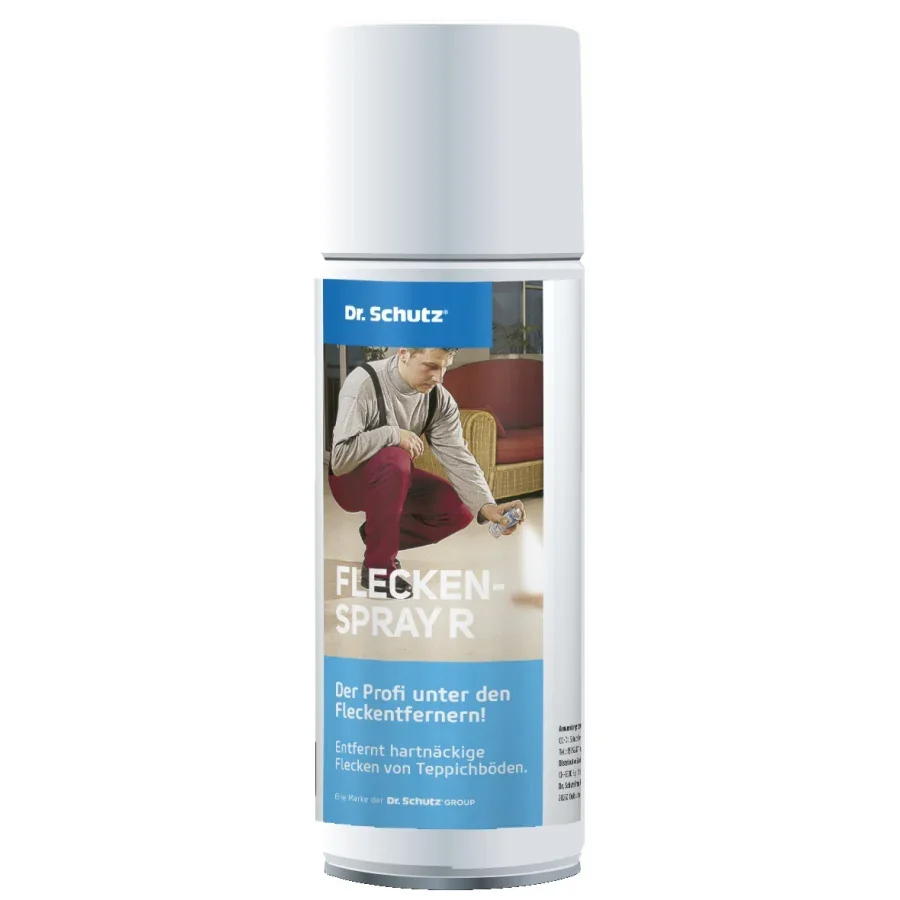
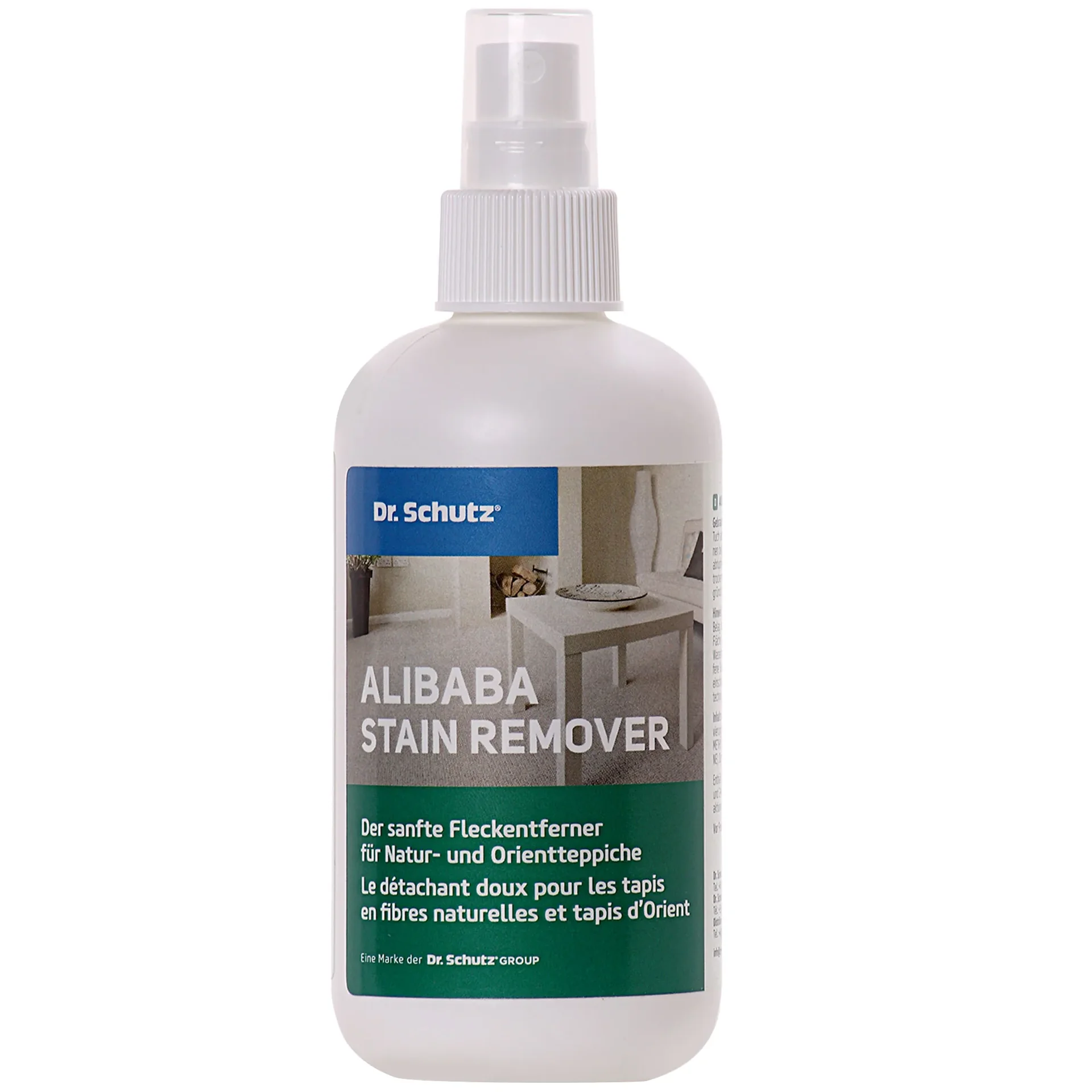
For targeted treatment, you can use , the DR. SCHUTZ R Stain Spray 200 ml, according to the product instructions. For natural fibers, the , the DR. SCHUTZ Alibaba Stain Remover for natural fibers, is a suitable choice. Never leave the product to work longer than specified.
Mud, Chewing Gum, and Wax
Mud should only be treated once it is dry. Vacuum up the loose particles and then check whether an edge remains. Cold temperatures help with chewing gum and wax: Place an ice pack inside a thin cloth, cool the spot, and lift off the hardened material piece by piece.
Do not use scissors or a knife with a sharp tip. Even a small cut can permanently alter the pile height. With candle wax, a professional may be able to work more safely, especially if the carpet is made of wool, viscose, or a delicate blended fiber.
When a Universal Stain Remover Makes Sense
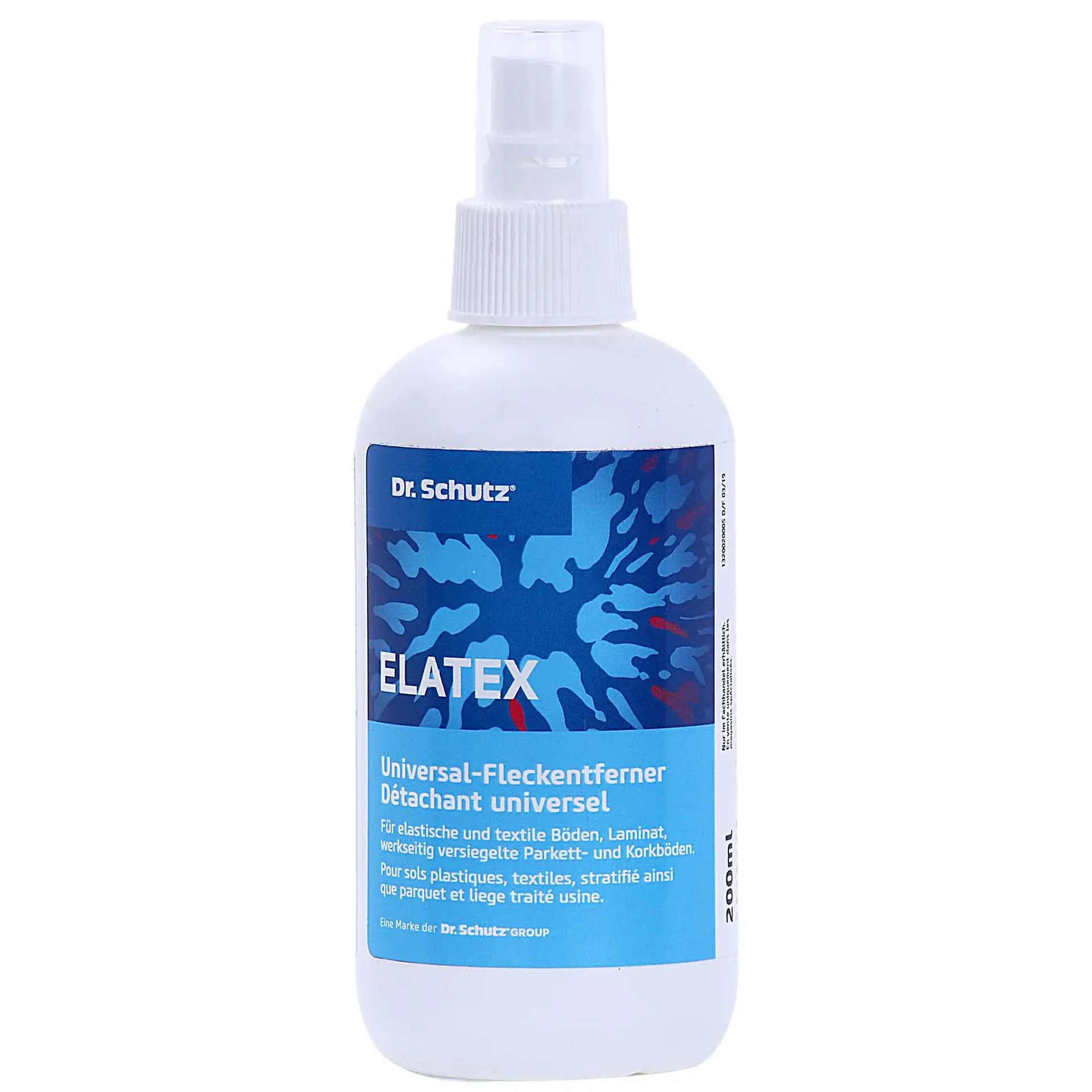
A universal product is suitable when the type of soiling cannot be clearly identified and the carpet is approved for its use. , the DR. SCHUTZ Elatex Universal Stain Remover, should also be tested first in an inconspicuous area. Follow the dosage, treatment time, and rinsing instructions.
Important note
Never use chlorine bleach, harsh solvents, or multiple cleaners at the same time. The mixture can damage fibers, colors, and the carpet backing. If the fiber is unknown, the color is rubbing off heavily, or the carpet is valuable, stop treatment and contact a professional carpet cleaning service.
How do you refresh carpet colors?
Dull colors are often caused by dust, fine grease films, and residue from cleaning products. Thorough, material-appropriate cleaning can already make the original color look much clearer. A color spray is not a substitute for cleaning and can darken a dirty carpet unevenly.
Check the material and color first
Check the care label and identify the fiber. Polyamide and polypropylene are usually more durable than viscose or handwoven natural fibers. The Carpet Materials overview can help you identify the material, but it does not replace the manufacturer's information.
Test the colorfastness in a concealed area. Lightly dampen a white cloth and press it onto the fiber. If color transfers to the cloth, do not treat the surface over a large area with water or spray.
Apply carpet color spray evenly
A color spray is mainly suitable for refreshing the color of an appropriate carpet surface or achieving an even color change. For a black carpet, , the single-component carpet color spray in black, is a suitable product category. Check availability before purchasing and make sure the product is approved for your carpet before use.

- Clean and dry the carpet completely.
- Carefully cover the floor, walls, baseboards, and furniture.
- Test the spray in a concealed area and wait until it has dried completely.
- Apply several thin coats if the instructions call for them. Keep the recommended distance.
- Move the can evenly and avoid wet buildup.
- Allow the surface to dry completely before putting furniture back or walking on the carpet.
When you should not risk applying color
Color spray can be risky on hand-knotted Oriental rugs, antiques, viscose, heavily damaged pile, and unknown blended fibers. Even a small area with visible fading cannot always be corrected invisibly. Have these carpets assessed by a professional service.
If you are looking for a new carpet, consider the desired color, exposure to sunlight, and how the room is used. The Carpet Colors category provides guidance when choosing a color.
“Cleaning and care products must be suitable for both the flooring and the type of soil. Testing an inconspicuous area shows whether the color and surface can tolerate the treatment.”
What carpet care keeps a carpet clean?
Regular carpet care prevents dust and sand from working deep into the fibers. There, the particles act like abrasives and put strain on the pile with every step. Keeping a carpet clean does not require constant wet cleaning, but it does require consistent daily and weekly care.
Vacuum properly
- Hallway and entryway: Vacuum several times a week in high-traffic areas. Otherwise, sand and road salt can quickly become embedded.
- Living room: Vacuum slowly in several directions and clean traffic paths especially thoroughly.
- Kids' room: Remove crumbs and dust regularly before they become pressed into the pile. The Kids' Rugs category can help you choose a suitable floor covering.
- High-pile and delicate surfaces: Use a suitable nozzle and switch off rotating brushes if the care instructions warn against using them.
Empty the vacuum cleaner before it is full and clean the filters according to the manufacturer's instructions. A full container reduces suction power. Occasionally lift the carpet and vacuum the underside as well as the floor beneath it.
Prevent stains and traffic marks
Door mats reduce the amount of sand and moisture brought in at the entrance. Furniture glides protect the pile from indentations. Rotate loose rugs occasionally so that traffic paths and sunlight do not always affect the same areas.
Do not place plants directly on the carpet. Overflowing water from watering can cause water stains, mold, and damage to the backing. Use a washable mat under pet bowls and in areas where you do crafts.
Wet cleaning requires controlled drying
Wet cleaning removes deeper soil but introduces a lot of moisture into the carpet. Vacuum thoroughly beforehand and check the colorfastness. Use as little water as possible and ensure air circulation until the fibers and backing are completely dry.
Additional advice
Plan a thorough cleaning for a dry day. Ventilate the room, raise the carpet slightly, and check the underside as well. Only put the carpet back on the floor once there is no residual moisture or cleaning-product odor.
When is professional carpet cleaning worthwhile?
Professional cleaning is advisable when a stain is larger than the palm of your hand, repeatedly comes through from the backing, or smells unpleasant. The same applies to pet urine, spilled liquids, oil, and large areas with water marks. Professional cleaners can assess the fiber, dye, backing, and suitable cleaning method.
These signs indicate that you need a professional
- The carpet is visibly losing color or transfers color to a white cloth.
- The fiber is becoming matted, develops a sheen after rubbing, or shows pressure marks and water stains.
- The backing is damp, sticky, brittle, or separating from the carpet.
- A musty odor remains after cleaning.
- The carpet is hand-knotted, antique, very large, or made from a delicate natural fiber.
- Several home remedies and cleaners have already left residue behind.
When replacement is the better solution
Cleaning cannot repair a carpet if the backing is disintegrating, the pile has permanently thinned, or mold has penetrated deeply. Extensive, widespread color loss will also remain visible after standard carpet cleaning. Before replacing it, check the required carpet size, material, and care requirements.
With a new carpet, clear rules from the start can help: use a door mat, treat stains immediately, vacuum regularly, and use only approved products. This keeps colors vibrant for longer and preserves the structure of the fibers. Good carpet care reduces cleaning work over time and extends the carpet's service life.
Frequently asked questions
- How do I remove a fresh red wine stain from a carpet?
- Blot the red wine immediately with a white cloth, working from the outside in. Then use a small amount of lukewarm water and a mild cleaning product suitable for the material. Do not rub. Test any solution on a hidden area first and dry the carpet completely.
- Which household remedy is suitable for carpet stains?
- For many fresh, water-soluble stains, lukewarm water and a drop of pH-neutral dish soap are sufficient. Apply the solution sparingly and blot afterward. Vinegar, salt, and baking soda can damage colors or fibers. Always check the care label and material before using a household remedy.
- How can I refresh faded carpet colors?
- First remove dust and old cleaning product residue by vacuuming thoroughly. Then test the colorfastness and material on a hidden area. Apply a suitable carpet color spray evenly in a thin layer. Natural fibers, antique carpets, and heavily faded areas are best assessed by a professional.
- How often should I vacuum a carpet?
- Vacuum carpets in hallways, living rooms, and children's rooms several times a week, depending on how heavily they are used. Carpets in less frequently used areas usually only need vacuuming once a week. Vacuum slowly in several directions and choose a nozzle suitable for the fiber. Treat stains immediately rather than allowing them to become embedded.
- When is professional carpet cleaning worthwhile?
- Professional carpet cleaning is worthwhile for large water, oil, or pet stains, unpleasant odors, delicate natural fibers, and widespread gray discoloration. It is also advisable if the carpet has become thoroughly soaked. Have the material, backing, and color checked beforehand to prevent the cleaning and drying process from causing damage.
You may also be interested in
- How to clean a carpet properly: Practical tips for cleanliness & care
- How to clean upholstered furniture: Stain-free and fresh as new
- How to clean a sofa: Remove stains & care for upholstery
- Patio cleaning: How to make your patio shine again
- How to remove red wine stains: Tips for carpets and sofas
- How to clean tiles: Shiny results throughout your home