
In brief: You can clean your sofa effectively by first checking the care label and identifying the material. For basic cleaning, vacuum thoroughly. Treat stains immediately with a suitable cleaner or household remedy. For delicate fabrics, use specialist products such as PRODUCT_57204 or PRODUCT_57785.
How do I clean my sofa properly?
A clean sofa is the heart of your living room. Proper care extends its lifespan and preserves seating comfort. The first step is always to check the care label. This small label tells you whether your sofa is water-resistant or may only be dry-cleaned.
Do not ignore this information. The wrong cleaning method can permanently damage the upholstery. After checking the label, identify the material. Is it a durable polyester fabric, cotton, delicate leather or velvet?
Each material requires a different approach. Once you know what you are dealing with, you can choose the right cleaners and tools. Basic cleaning always consists of two stages: thorough vacuuming and targeted stain treatment.
What preparation is needed?
Before you start cleaning, remove all cushions and blankets from the sofa. Shake them out thoroughly or wash them if possible. Check all gaps and folds by hand for any lost items.
These small objects can damage your cleaning equipment. Have all the necessary supplies ready. These include a vacuum cleaner with an upholstery attachment, clean white microfibre cloths, a spray bottle with water and your chosen cleaning products.
Expert tip
Always test every cleaning product and method on a hidden area first. Wait until the area is completely dry to rule out colour changes or shrinkage. This step can save you from costly mistakes.
Ventilate the room well. Many cleaning products need fresh air to dry and can release odours. Cover the floor around the sofa with an old blanket or plastic sheeting to catch splashes.
How does basic cleaning work?
Start by vacuuming thoroughly. Use your vacuum cleaner's narrow crevice tool. Work systematically along every seam, edge and cushion. Dust and crumbs tend to collect here.
Then switch to the upholstery attachment. Vacuum the entire seat and back surfaces using long, even strokes. Do not forget the sides and armrests. This first stage removes loose dirt and loosens dried-in stains.
For surface cleaning on water-resistant fabrics, mix a mild solution of lukewarm water and a few drops of washing-up liquid. Do not spray this solution directly onto the sofa. Instead, lightly dampen a microfibre cloth.
Use the cloth to work over small areas in circular motions. Immediately dry the treated area with a second, dry cloth. This helps prevent water marks and stops moisture from penetrating too deeply.
How do I remove stubborn stains?
Stains are the most common reason for cleaning a sofa. The golden rule is: the sooner you act, the better. Blot liquids immediately with kitchen paper. Do not rub, as this will spread the stain and work it deeper into the fabric.
For greasy stains such as pizza or chocolate, sprinkle baking soda or cornflour over them. The powder absorbs the grease. Leave it to work for several hours or overnight. Then vacuum it up thoroughly.
Important note
Do not use abrasive cleaners or stiff brushes on your upholstery. They damage the fibres, dull the surface and make it more susceptible to new dirt. On delicate fabrics, they can cause irreparable damage.
For strongly coloured stains such as red wine, coffee or ink, use specialist cleaners. A universal stain remover such as
works against many types of dirt. Spray it directly onto the stain and leave it to work briefly.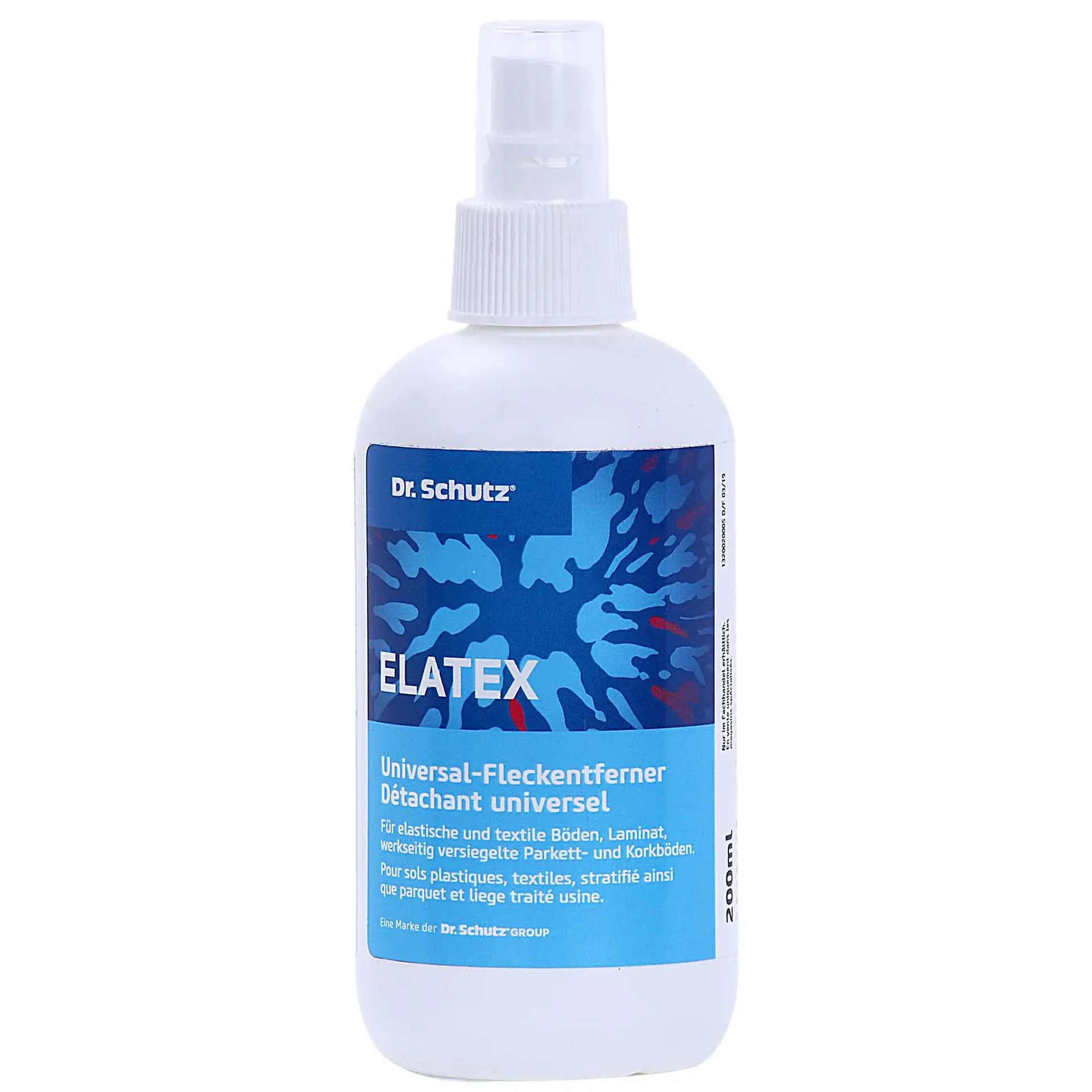
Then blot the area with a clean cloth. Repeat the process if necessary. For natural fibres such as cotton or linen, use a gentle product such as
. It was specially developed for these delicate materials.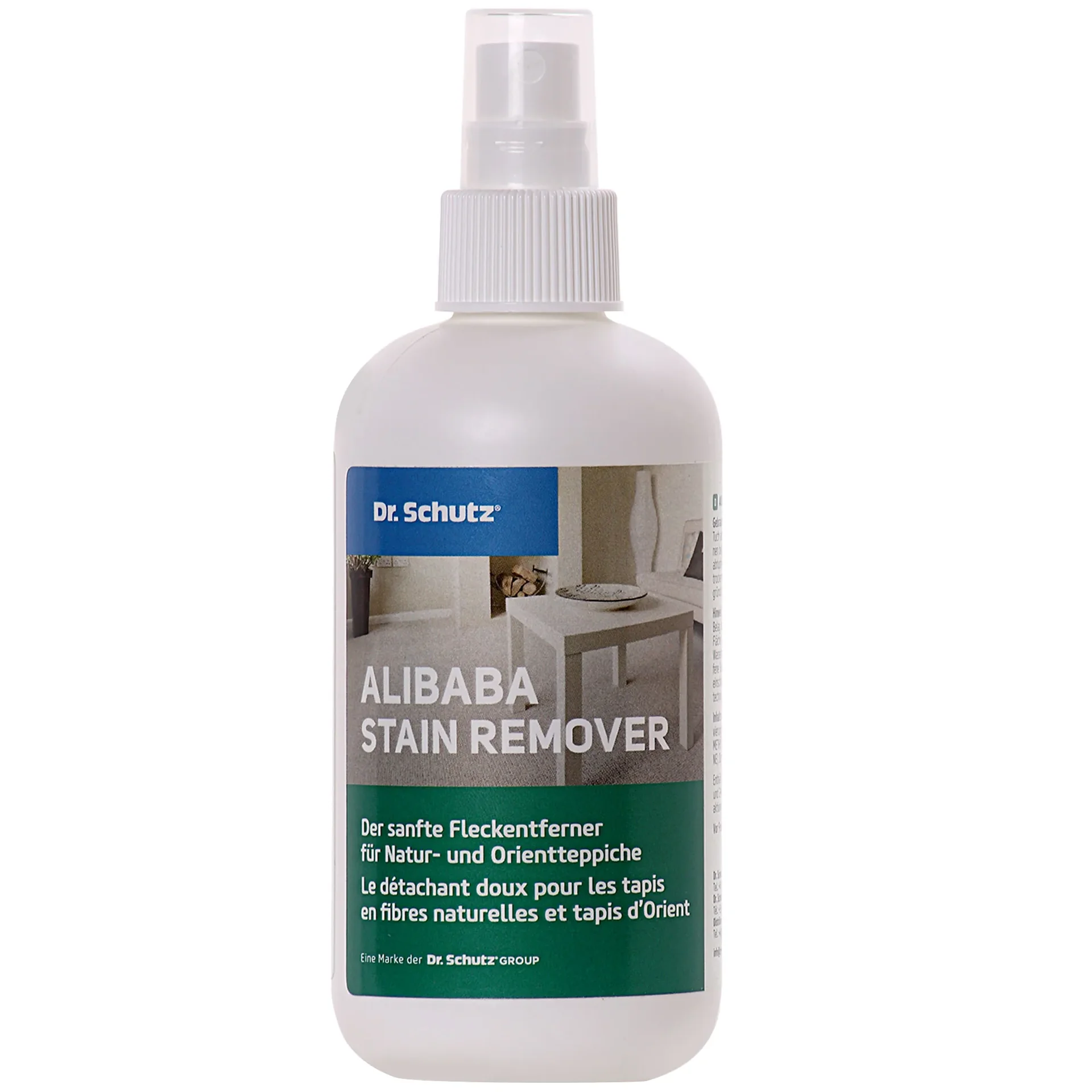
“The greatest challenge when removing stains is the user's impatience. Always give cleaners enough time to work and proceed step by step. A second gentle treatment is often more effective than one aggressive attempt.”
Which household remedies really work?
Not every stain requires a chemical cleaner. Many tried-and-tested household remedies are already in your kitchen. Rubbing alcohol (isopropanol) is excellent for removing ballpoint pen or felt-tip pen stains. Apply a little to a cloth and gently dab the stain.
A paste made from baking soda and a little water helps against odours. Apply it, leave it to dry and vacuum it up. For fresh blood stains, rinse with cold water and use some gall soap. Never use warm water, as it sets the proteins in the blood.
Vinegar is a versatile helper. A mixture of white household vinegar and water in a ratio of 1:3 helps remove many light stains and neutralises odours. However, be careful: always test vinegar first, as it can bleach some colours.
Additional advice
For sofas with removable covers, check the care label on the covers. They can often be machine-washed at 30 or 40 degrees. This is the gentlest and most thorough cleaning method of all.
Lemon juice mixed with salt can help with light rust stains. Here too, test the colour first. In general, use specialist products from a retailer for expensive or delicate upholstery. They are designed for the relevant materials and are gentler.
How do I care for special materials?
Not every sofa is made from easy-care fabric. Velour and velvet are particularly delicate. Never clean them with water or steam. Instead, use a special velour brush to raise the pile, and vacuum gently on a regular basis.
For localised stains, there are dry foam cleaners. Apply the foam, let it dry and brush out the residue. Leather requires completely different care. Wipe it with a damp cloth and apply a leather care cream once or twice a year.
This keeps the material supple and forms a protective film. Avoid exposing leather to direct sunlight and dry heat from radiators. Microfibre is often water-repellent. You can use a small amount of water and mild cleaner on it. However, always rub in the direction of the pattern to avoid damaging it.
In our Garden + Outdoor range, you will also find care products for outdoor furniture covers, which have to meet similar requirements. For children's sofas, which are subject to particularly heavy use, it is worth taking a look at the Children's sofas category.
“Regular basic care is crucial. Vacuuming once a week prevents dirt particles from working their way deep into the upholstery, where they can act like an abrasive. This can significantly extend your sofa's lifespan.”
Which cleaning products are recommended?
Choosing the right cleaner makes all the difference. A universal stain remover such as is a good option for many fabrics. It removes most everyday stains, such as food, drinks and dirt.
For fresh stains that need immediate treatment, a practical stain spray such as
is ideal. You can keep it close at hand and spray it on immediately. Its compact size makes it easy to store near the sofa.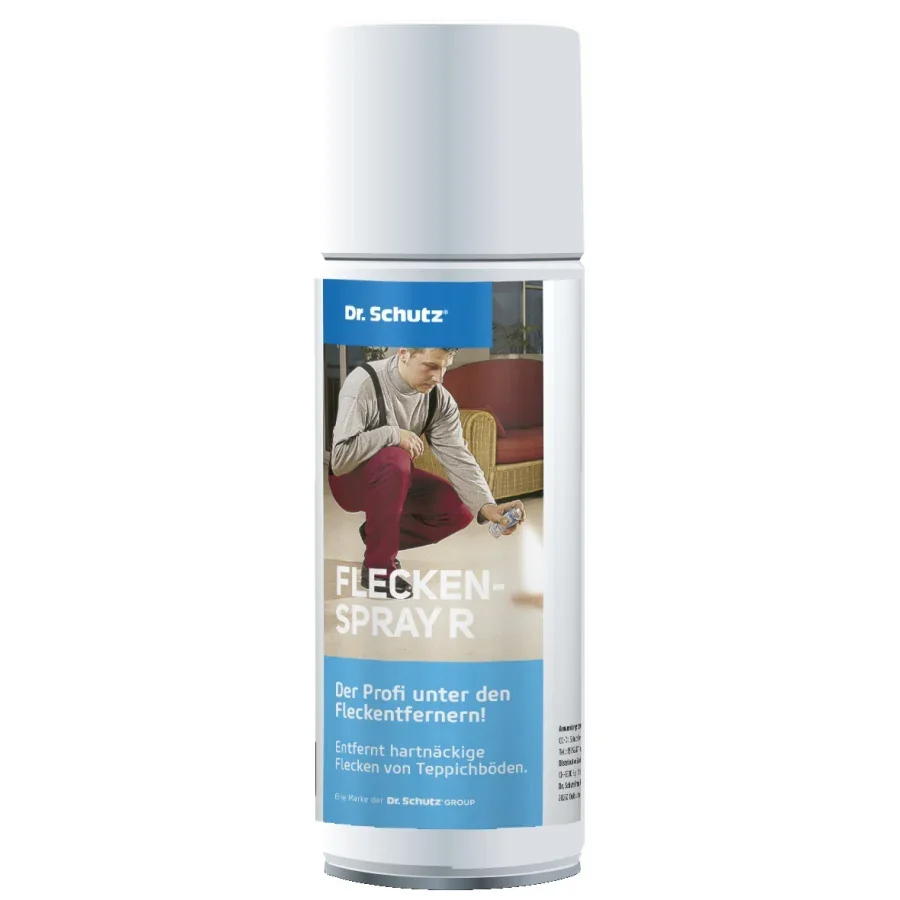
For natural fibres such as cotton, linen or wool, use . This cleaner is alkali-free and particularly gentle. It helps prevent fading and preserves the fibres' natural structure.
Alongside these specialist cleaners, a good vacuum cleaner with an upholstery attachment is part of the basic equipment. For deep cleaning, you can use a steam cleaner with an upholstery attachment, provided the material allows it. Make sure to use a low steam setting.
You will find many more household and cleaning aids in our general Shop section. For caring for outdoor cushions, which have to withstand similar challenges, take a look at the Garden equipment category.
How can I prevent new stains?
The best cleaning is the cleaning you never have to do. Protect your sofa with water-repellent covers or throws. These are often machine-washable at 60 degrees and protect the upholstery underneath.
Get into the habit of not drinking brightly coloured beverages such as red wine or juice on the sofa. Use sturdy coasters. In homes with children or pets, darker, patterned fabrics are the smarter choice. They make stains less noticeable.
Rotate and turn the seat cushions regularly, about every three months. This distributes wear evenly and prevents any one area from being subjected to excessive strain. Air the room regularly to prevent odours from developing in the first place.
A weekly brushing with a soft upholstery brush removes surface dust and raises the fibres again. The sofa immediately looks better cared for. If you have pets, a special rubber glove can help remove pet hair easily before vacuuming.
With these simple measures, you can keep your sofa clean and attractive for longer. If a stain does appear, you will be well prepared with the right products, such as , or .
Frequently asked questions
- How do I remove red wine stains from a sofa?
- Blot the stain immediately with kitchen paper. Sprinkle salt over it to absorb the liquid. After leaving it for a short time, carefully vacuum it up. For any remaining stain, use a mixture of washing-up liquid and lukewarm water or a special stain spray such as PRODUCT_57576. Always test the method on a hidden area first.
- Can I clean my fabric sofa with a steam cleaner?
- It depends on the fabric. Be sure to check the care label. A steam cleaner is suitable for many water-resistant, easy-care fabrics. With delicate materials such as silk, velour or suede, you risk causing damage. If in doubt, it is better to use a professional upholstery cleaning service or dry foam.
- Which home remedy is suitable for cleaning a sofa?
- For many water-resistant fabrics, a solution of lukewarm water and mild washing-up liquid (a few drops per litre) is suitable. Treat stubborn stains with baking soda (apply as a paste, leave to dry and vacuum up) or rubbing alcohol (for ballpoint pen marks). Always test each remedy on an inconspicuous area first.
- How do I care for leather sofas properly?
- Vacuum the seams regularly. Wipe the leather with a damp, soft cloth every two to three months. Use special leather care creams to keep the material supple and prevent it from drying out. Avoid harsh cleaners or using too much water. Do not place the sofa in direct sunlight.
- How often should I clean my sofa?
- Vacuum your sofa thoroughly once a week to remove dust and crumbs. Carry out a deep clean with stain treatment or a steam cleaner once or twice a year, depending on how heavily it is used. More frequent cleaning is advisable in homes with children, pets or allergy sufferers.
You may also be interested in
- Clean upholstered furniture: stain-free and fresh as new
- Remove red wine stains: tips for carpets and sofas
- The sofa as the centrepiece: interior design tips for your living room
- Clean your carpet: effective methods for a sparkling clean
- Clean grout: how to make it sparkling clean again
- Remove blood stains: how to get clothes clean again