
In brief: The best companions for dahlias complement their form and color without competing with them. Tall grasses such as Chinese silver grass provide an airy backdrop. Ornamental alliums and asters extend the flowering season. Low-growing perennials such as catmint or sage frame the dahlias. Choose plants with similar growing requirements, such as full sun and well-drained soil.
Combining Dahlias: The Best Companions for Your Flower Bed
Dahlias dominate the garden with their lush blooms in late summer. On their own, they make a monumental impression. With the right companions, they reach their full potential and create a flower bed that stays attractive from July until the first frost. The art lies in choosing plants that complement the dahlias without overshadowing them.
Why is it worth choosing plant combinations carefully?
A flower bed planted only with dahlias flowers spectacularly, but for a limited period. Carefully chosen companion plants significantly extend the flowering season. They fill gaps before the dahlias reach their full size and can later conceal bare stems lower down.
Good companions improve the overall effect. They create contrasts in form and texture or produce harmonious color transitions. Their finer flowers or grass-like foliage add lightness to the often substantial dahlia blooms. The result is a natural, lively appearance.
In addition, a mix of different plant families supports biodiversity. It attracts more pollinators and beneficial insects and can improve the overall health of the plants. A thoughtfully designed flower bed is more valuable ecologically.
Expert tip
Plan your flower bed on paper during winter. Draw in the shape and flowering period of each plant. This helps you identify gaps in the flowering sequence and avoid letting vigorous companions crowd the dahlias. Use the dormant season to order seeds.
How do I choose plants with compatible growing requirements?
The foundation of every successful combination is matching needs. Dahlias love full sun, with at least six hours a day. Their soil must be well drained, rich in nutrients and consistently moist. The tubers do not tolerate waterlogging.
Every companion must tolerate these conditions too. Sun-loving prairie perennials or Mediterranean herbs are ideal candidates. Shade-loving woodland plants are unsuitable. Pay attention to the pH value as well. Dahlias prefer neutral to slightly acidic soil.
Water requirements should also be compatible. Plants that need extremely large amounts of water or those that require dry conditions are not good neighbors. Providing a consistent level of moisture makes care easier and helps prevent disease.
The best companions for dahlias are plants that 'think' in a similar way – they enjoy the same sunlight, soil and level of care. Then they support one another instead of competing.
What role do height and growth habit play?
Structure your flower bed in three layers. Tall dahlias belong at the back or in the center of a circular bed. Their long stems often need support. Combine them with other sturdy, tall companions such as sneezeweed or tall grasses, which can support one another.
Fill the middle layer with more compact dahlia varieties or companion perennials of a similar height. Suitable examples include coneflowers, phlox or tall sage. These plants form the main flowering layer and connect the different levels.
Place low-growing, mat-forming or clump-forming perennials at the front. They cover the soil, suppress weeds and give the bed a neat finish. Catmint, pearly everlasting or low-growing hardy geraniums work well here.
Remember to allow for the plants' spread. Give each plant enough room to develop. Planting too closely leads to a lack of light and increases the risk of powdery mildew. A clear flower-bed edging helps maintain the desired shape.
How can I create a long-lasting flower bed with different flowering times?
The key is succession planting. Start with spring-flowering bulbs. Tulips, daffodils and crown imperials bloom long before the dahlias emerge. Their yellowing foliage is later hidden by the growing dahlia leaves.
In early summer, early-flowering perennials such as delphiniums, lupins or irises take over. When their main flowering period ends, the dahlias come into their own. This keeps the flower bed from ever looking bare. Annual summer flowers can also be used to fill gaps.
For midsummer and late summer, choose dahlia companions with a long flowering period. Plants such as Verbena bonariensis, coneflowers or red valerian bloom for many weeks alongside the dahlias. They provide consistent splashes of color.
Plan for autumn too. Many dahlias flower until the first frost. Combine them with classic autumn bloomers such as asters, sedum or Japanese anemones. This partnership keeps the flower bed attractive into October.
Important note
Dahlias are not winter hardy. Dig up the tubers after the first frost, clean and dry them, then store them in a frost-free place. Mark the spots where the dahlias grew in the flower bed. This prevents you from accidentally planting annual companions in the same places next year.
Which color combinations look harmonious?
Choose a clear color scheme. A monochromatic flower bed in different shades of red looks elegant and calm. Combine dark red dahlias with pink mallows and purple ornamental alliums. Silvery foliage from santolina or lamb's ear adds light to the composition.
Complementary contrasts create a lively effect. Yellow dahlias next to purple sage or blue delphiniums in front of orange dahlias create tension. Use these strong contrasts sparingly to avoid a restless appearance. White or cream-colored companions such as oxeye daisies have a balancing effect.
Analogous colors that sit next to each other on the color wheel create gentle transitions. Orange dahlias, yellow sneezeweed and red coneflowers create a warm, sunny scene. These combinations look natural and relaxed.
Do not forget the green. The different shades and textures of the foliage are the connecting element. Fine grass-like foliage next to bold dahlia leaves creates an interesting contrast. Thoughtful color planning is part of successful garden design.
Color is emotion in the garden. With dahlias, I often recommend starting with a favorite variety and choosing the companion colors from there. A single bold splash of color looks more confident than an indecisive mix of every color in the rainbow.
Which plants are classic companions for dahlias?
Ornamental grasses are unbeatable companions. Their airy, flowing growth contrasts perfectly with the solid dahlia blooms. Chinese silver grass, fountain grass or feather grass provide height and structure in the background. In autumn, their stems change color and create a warm backdrop for the last dahlias.
Perennials with delicate flower spikes or panicles add lightness. Speedwell, Verbena bonariensis or candle knotweed bring an airy quality. Their vertical lines draw the eye through the flower bed and create depth.
Rounded flower heads create a recurring motif. Combine rounded dahlias with ornamental alliums, bee balm or globe thistles. The different sizes and textures of the spheres look playful yet cohesive.
Foliage plants are the unsung stars. Their effect lasts throughout the season. Silver-leaved plants, hostas with yellow foliage or heucheras with dark leaves add accents even when no flowers are taking center stage.
Additional advice
Test combinations in pots first. Plant one dahlia tuber with two or three potential companions in a large container. Observe how the plants grow together over the summer and whether they harmonize or crowd one another. This experience will help you plan the larger flower bed next year.
How can I create depth with structure and texture?
Texture refers to the surface quality of leaves and flowers. Play with contrasts. Place the smooth, often waxy leaves of dahlias next to the felt-like foliage of clary sage or the rough leaves of teasel.
Combine large, round dahlia flowers with delicate, feathery blooms such as gypsophila or the tiny individual flowers of mealy sage. This contrast makes every detail more interesting.
Structure refers to the growth habit. Plant upright, strongly erect dahlias alongside trailing or bushy companions such as lady's mantle or purple coneflower. This naturally fills the space between the plants.
Structure becomes especially important in winter. Many grasses and perennials such as sedum or yarrow create a picturesque sight when covered in frost, even after they have died back. Leave them standing until spring.
Which practical helpers support garden bed design?
A clearly defined bed edge gives your planting design structure and stability. It prevents grass from spreading into the bed and suppresses unwanted growth.
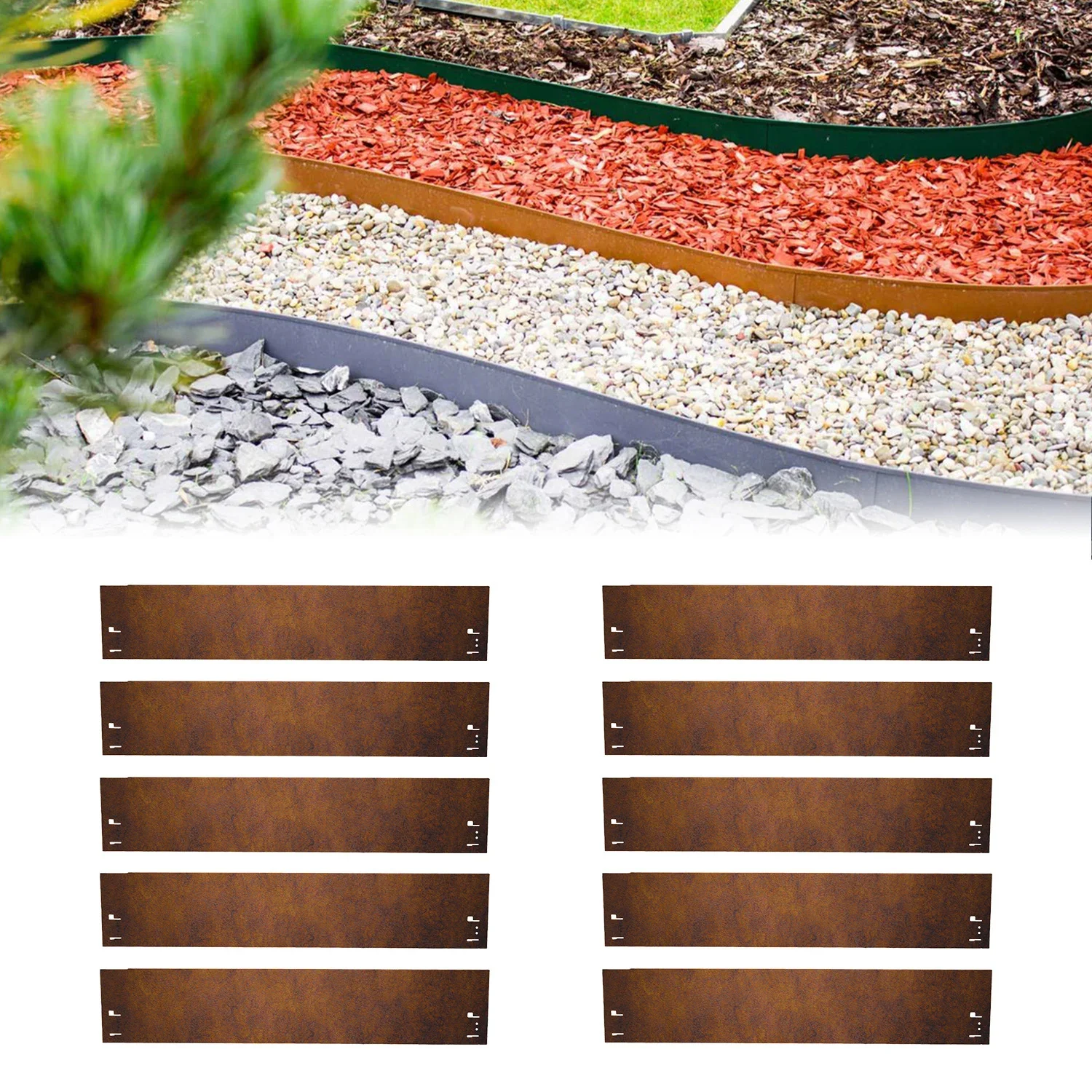
Continuous edging is practical for linear beds or modern garden designs.
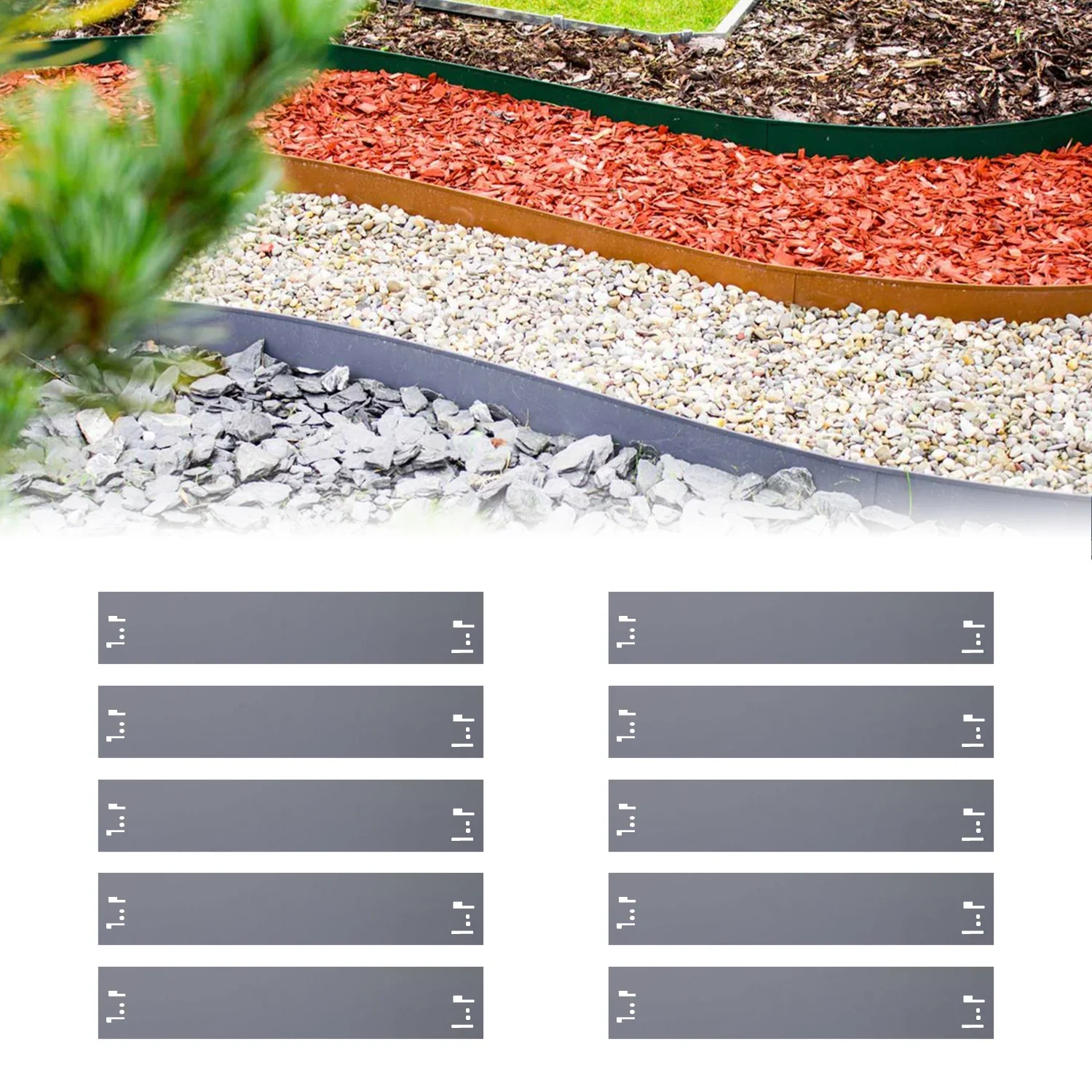
Shorter elements are ideal for smaller beds, path edging or separating groups of perennials.
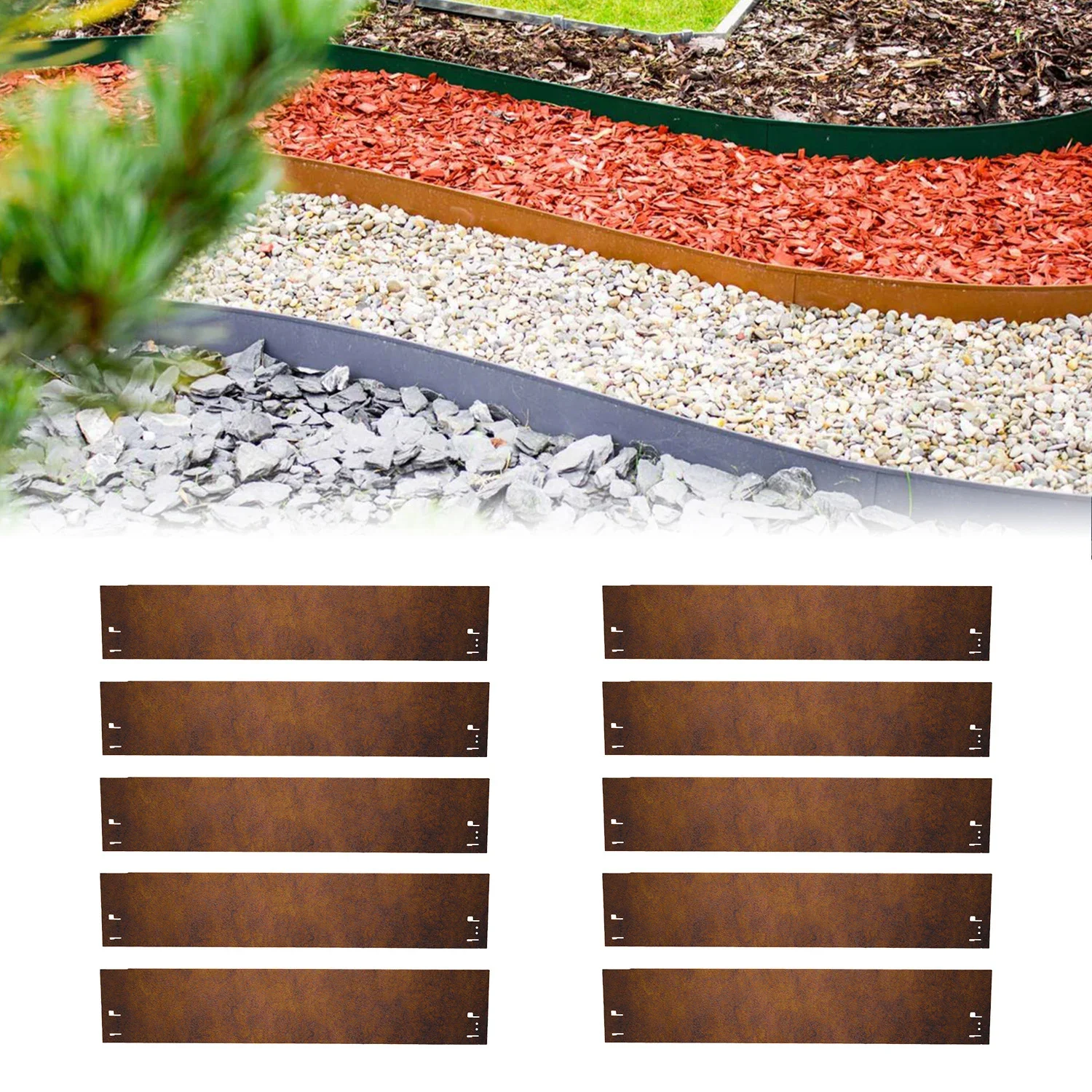
The right garden tools and equipment make maintenance easier. A sharp knife for deadheading faded dahlias, a narrow hoe for controlling weeds between perennials and a sturdy watering can for targeted watering are essential.
Do not forget fertilising. Dahlias are heavy feeders. An organic all-purpose fertiliser in spring and during bud formation supports both them and their companion plants. Well-nourished soil is the foundation of abundant flowering.
How do I start with my first dahlia combination?
Start small. Choose a dahlia variety that you love. Find out its mature height and flower colour. Then select two or three companions from the categories presented. A simple, well-planned trio is more effective than an overcrowded bed.
Buy quality plants. Healthy, vigorous perennials from a nursery establish themselves more quickly than weak bargain plants. For dahlia tubers, look for firm, plump specimens with visible eyes. You will find a wide selection in our shop.
Prepare the soil thoroughly. Loosen it deeply and remove stones and weed roots. Work in mature compost or planting soil. This effort pays off twice over, as all the plants benefit from it.
Plant carefully. Set the dahlia tubers deep enough for the eye to sit about five centimetres below the soil. Plant the companion perennials at their usual soil level. Follow the recommended planting distances. Water everything thoroughly.
Patience is the final step. Give the planting time to establish. In the first year, it may still look a little sparse. From the second year onwards, the plants will fill out and show their full potential. You will then have created a flower bed that is far more than the sum of its parts.
Frequently Asked Questions
- Which plants grow well with dahlias?
- Good companions are plants with similar sun and soil requirements. These include ornamental grasses such as feather reed grass, late-flowering perennials such as asters and monkshood, and plants with silvery foliage such as santolina. They do not compete for attention but create contrast or a harmonious transition.
- Can you combine dahlias with roses?
- Yes, this is a classic combination, but it requires some planning. Choose robust, repeat-flowering roses. Plant dahlias slightly farther back so they do not shade the roses. Make sure the colours work well together, for example white roses with pink dahlias. Both need nutrient-rich soil and full sun.
- What is the ideal height arrangement for dahlias?
- Place tall dahlia varieties in the centre or at the back of the bed. Plant medium-height companions such as coneflowers or phlox in front of them. In the foreground, position low-growing, mat-forming perennials such as bergenia or clustered bellflowers. This gives the bed structure and allows all the plants to stand out.
- How do I combine dahlias by colour?
- Choose a colour scheme. Monochromatic: different shades of one colour. Complementary: contrasting colours such as yellow and violet. Analogous: neighbouring colours on the colour wheel, such as orange, red and pink. White or silvery foliage plants such as silver feather grass help balance colourful combinations.
- What should you plant in front of dahlias to fill gaps?
- Plant spring-flowering bulbs such as tulips or daffodils in front of the dahlia tubers. Once the dahlias start growing, their foliage will conceal the fading bulb foliage. In summer, low-growing, long-lived perennials such as cranesbill or saxifrage fill the ground-level gaps. Annuals such as marigolds or alyssum provide quick coverage.
You might also be interested in
- Companion Planting Chart: Successful Plant Partners for the Vegetable Garden
- Flowers in the Garden: Popular Types and Planting Tips
- Planting Perennials: Your Guide to a Blooming Garden Bed
- Combining Balcony Flowers: Turn Your Balcony into a Floral Oasis
- Designing a Perennial Bed: Use Colour and Shape Contrasts
- Planting Blueberries: These Neighbours Are a No-Go