
In brief: Harmoniously integrating a garden pond starts with analysing the site and choosing a shape that suits your garden style. Plan the pond zones, the edge design and the equipment. Native plants and natural materials create a vibrant habitat that blends seamlessly into its surroundings. Good pond planning prevents problems later on.
Create a Garden Pond: Harmoniously Integrate a Water Feature
A pond transforms your garden. It brings movement, light and life. The art lies not only in digging, but in designing a feature that feels as though it naturally belongs in the landscape. This guide takes you through planning, building and design.
How do I start planning my pond?
Start with a sketch. Draw your garden and experiment with pond shapes. An organic, curved shape looks more natural than a perfect rectangle. Consider existing paths, seating areas and sightlines.
Analyse the soil. Sandy soil lets water seep away more quickly, while clay soil retains it better. Check the path of the sun. Four to six hours of sunlight a day is ideal for most aquatic plants.
Pro tip
Lay a garden hose along the planned pond outline to create a flexible guide. View the shape from different perspectives and from inside the pond area. Live with the outline for a few days before you start digging.
Think about the depth zones. A natural pond needs shallow-water areas for bog plants and a zone at least 80 cm deep that does not freeze completely in winter. Plan these zones from the outset.
Choosing between a liner and a pre-formed pond
A pond liner gives you maximum design freedom. You can tailor the shape exactly to your preferences. A pre-formed plastic pond is easier and quicker to install, but limits you in terms of size and contours.
For liner ponds, you need a special pond underlay as a protective layer beneath the liner. Calculate the liner area: pond length + (2 x pond depth) + 60 cm border. This applies to each side.
What equipment does my water garden need?
The equipment should serve the purpose of the pond, not dominate it. A pump is necessary for water features, filters or a stream. It keeps the water moving and helps prevent algae growth.
The pump must be suitable for the size of the pond. As a rule of thumb, the pond volume should be circulated once every one to two hours. A filter cleans the water mechanically and biologically. It breaks down pollutants caused by fish waste or leaves.
The best pond equipment is the kind you forget about after installation. It works quietly, reliably and energy-efficiently in the background. Investing in quality pays off many times over here.
Plan cables and hoses so they remain hidden. During construction, lay them in a small trench from the pond to the socket or an irrigation connection.
and are practical helpers for making a secure connection.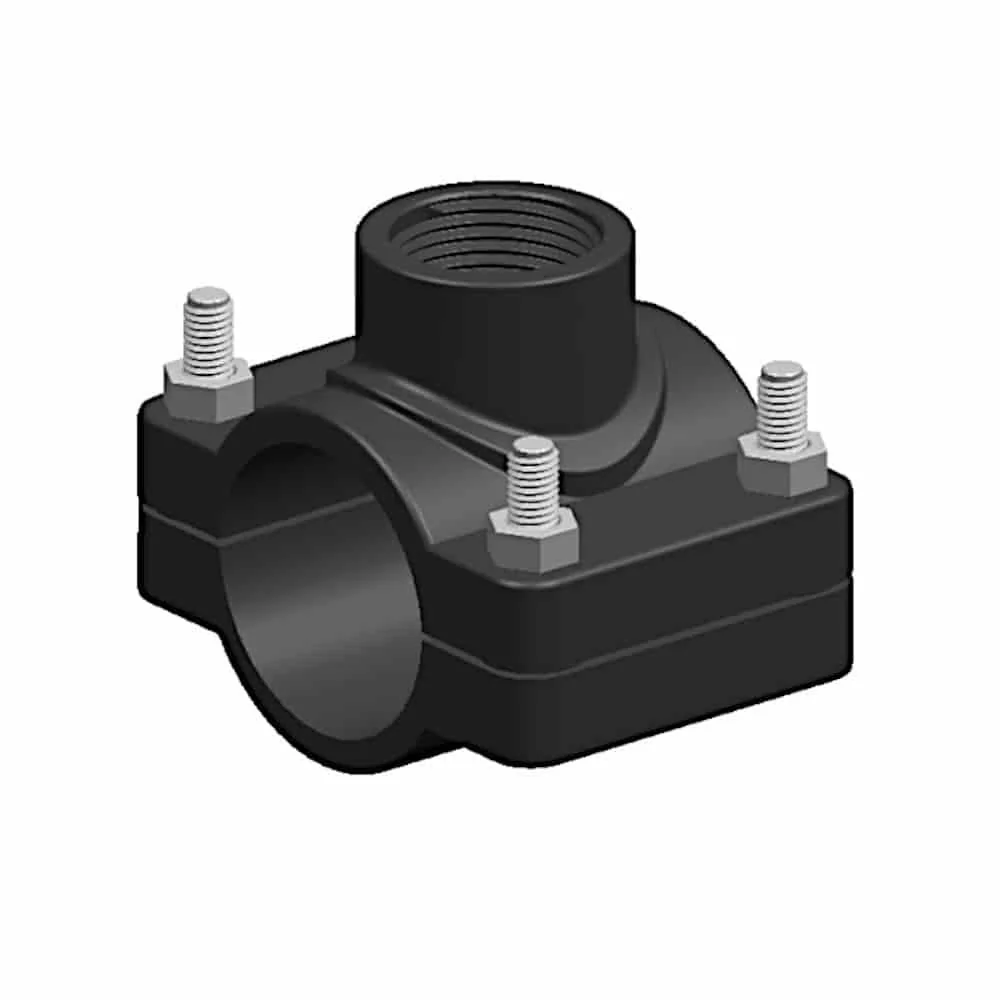
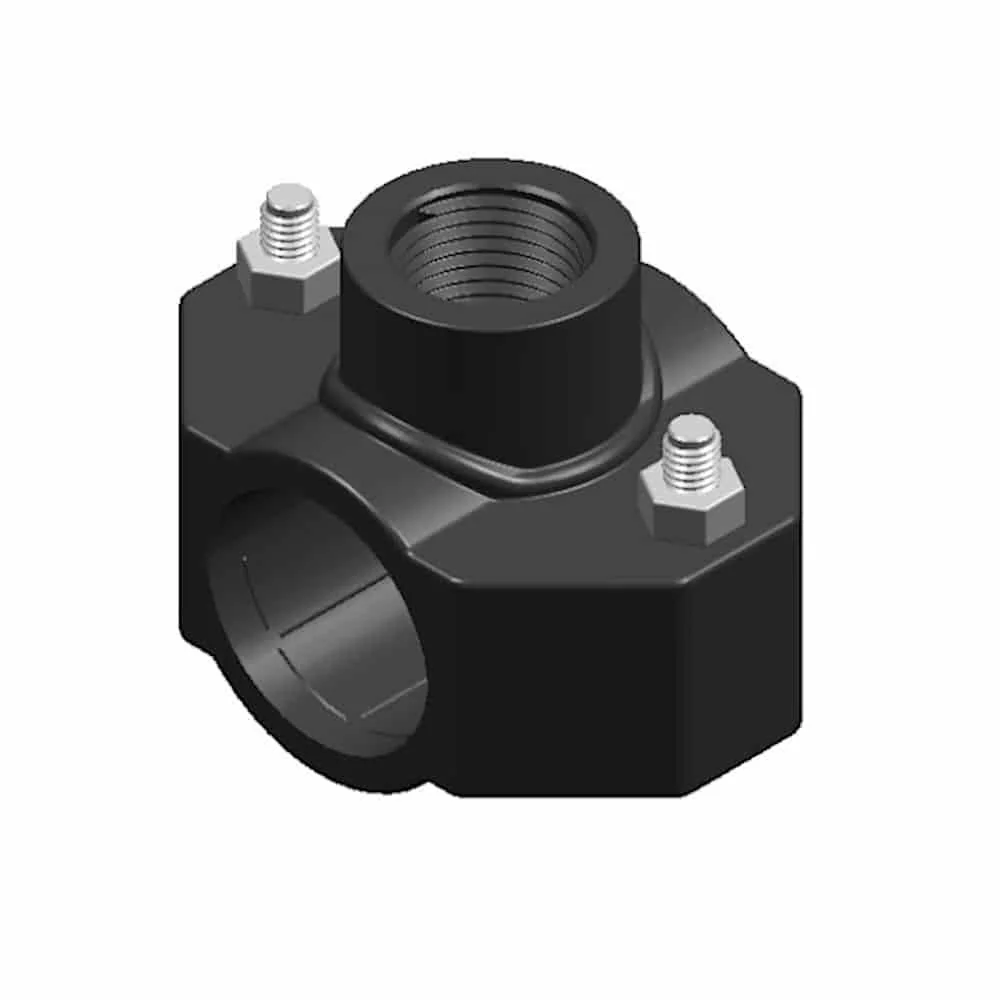
Important note
Always connect pond pumps via a residual current device (RCD). This protects against potentially fatal electric shocks. Use only cables and sockets approved and clearly marked for outdoor use.
Lighting creates accents
Underwater spotlights highlight pond plants or a fountain. Solar lights around the edge are easy to install, but are often less bright. Choose warm white light; it looks more natural than cool blue.
How can I create a natural-looking pond?
The transition from water to land determines the overall effect. Avoid harsh edges. Design the bank with stones and gravel in different sizes. Plant perennials so that they gently overhang the water.
Choose native plants. They are adapted to the climate and provide a habitat for insects and amphibians. Combine plants for different zones:
- Deep-water zone: water lilies, waterweed
- Shallow-water zone: rushes, bulrush
- Bog zone: marsh marigold, purple loosestrife
Plant in groups rather than individually. This looks more striking and natural. Leave enough space between plants for them to grow.
For planting and garden maintenance, you can find suitable accessories in our Garden + Plant Accessories category. A well-organised
keeps your tools close at hand for these tasks.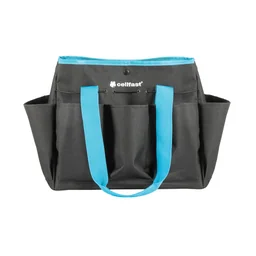
Additional advice
Initially place plants in planting baskets. This allows you to control their growth and easily divide or move them when necessary. The baskets also prevent roots from damaging the pond liner.
Stones and gravel as design elements
Use local types of rock. Granite, sandstone or limestone may be suitable depending on your region. Mix different sizes. Use large boulders as focal points, medium-sized stones to secure the bank and fine gravel for shallow transitions.
Rinse gravel and stones thoroughly before installation. This prevents unnecessary clouding of the pond water. Use the stones to create small coves or peninsulas for varied bank contours.
How do I keep my pond water clear and healthy?
The goal is to establish a biological balance. Too many nutrients lead to algae. Feed fish sparingly. Remove dead plant material regularly. In autumn, a pond net is essential.
Plants are your best allies. They remove nutrients from the water that would otherwise feed algae. Oxygenating plants such as hornwort work underwater to keep the water clear. Water lilies shade the surface and slow algae growth.
Patience is the most important fertiliser when building a pond. It takes several weeks for a new pond to establish its ecological balance. Do not intervene too quickly if the water is slightly cloudy – the system often regulates itself.
During the first season, regularly test the water parameters, including pH, carbonate hardness and nitrite. Simple test strips provide quick guidance. If problems arise, a partial water change of 20-30% will often help.
The right time to add fish
Only add fish once the pond is at least six to eight weeks old and the plants have become established. Start with a few hardy species such as golden orfe or bitterling. Overstocking is the most common cause of water problems.
How do I incorporate the pond into my garden design?
Connect the pond visually with other garden features. A narrow, gently curving gravel path that ends at the water’s edge creates an inviting approach. Repeat the types of stone used in the pond in nearby beds or as stepping stones.
Create seating areas with a view of the pond. A small bench or a terrace facing the water turns the pond into an inviting focal point. Pay attention to reflections. A pond visually doubles attractive features such as a sculpture or ornamental maple.
Products from BBQs + Fire Pits near a seating area can also create a cosy atmosphere in the evening. The firelight will then be reflected in the water.
Do not overlook the pond’s effect at night. Subtle lighting on a striking waterside stone or specimen plant makes the pond a highlight even after sunset.
The pond as a habitat
Design with wildlife in mind. A shallow, sandy area at the water’s edge provides birds with a place to bathe. Piles of deadwood nearby offer shelter for hedgehogs and insects. Dragonflies and pond skaters will arrive naturally when the water quality is right.
Avoid steep banks. A shallow, gently sloping access point allows animals such as hedgehogs to drink safely and climb back out. Details like these make the difference between a pool and a natural habitat.
With well-planned garden equipment and the right garden tools, pond maintenance becomes a pleasure rather than a chore.
Maintenance throughout the seasons
Each season brings different requirements. In spring, cut back dead plant material and add new plants. Check the equipment after winter.
In summer, check the water level during hot weather and top it up with rainwater as it evaporates. Tap water can upset the nutrient balance. Remove excessive algae growth by hand.
Autumn is the time to protect the pond from leaves. Stretch a net over it before the leaves fall. Only cut plants back in late winter, as their stems provide overwintering habitats for insects.
In winter, use a pond de-icer to maintain an area for gas exchange. Switch off pumps in waterfalls to avoid disturbing wildlife at the bottom. Consider the pond’s dormant period part of its natural rhythm.
Your garden pond is not a static work of art but a living system. With sound pond planning, the right equipment and naturalistic pond design, you can create an oasis that becomes more beautiful every year. Start with your vision.
Frequently asked questions
- Where is the best place to build a garden pond?
- The ideal location gets 4-6 hours of sunlight a day, is not directly beneath trees and has level ground. Avoid deeply shaded areas and spots where large amounts of leaves accumulate. A location visible from your terrace or home enhances its enjoyment.
- Which pond plants are low-maintenance and natural-looking?
- Native species such as marsh marigold, mare’s tail and dwarf bulrush are hardy. Elodea and hornwort naturally help to clean the water. Place plants in different zones: deep water, shallow water and marsh zones. This creates a stable ecosystem.
- Does every garden pond need a pump and filter?
- A small natural pond containing only plants can work without equipment. If you want to keep fish or the pond is larger, you need a pump for water circulation and a filter to combat algae and cloudiness. The equipment should be suitable for the size of the pond.
- How can I stop my pond from freezing over in winter?
- A polystyrene pond de-icer prevents the entire surface from freezing and allows harmful gases to escape. Switch off fountains and waterfalls. Remove leaves thoroughly in autumn with a pond net to prevent rotting sludge from forming.
- Can I build a pond in a small garden?
- Yes. Mini ponds in large planters or preformed pools are a space-saving alternative. Proportion is key: a small, well-designed pond looks more harmonious than a pool that seems too large. Vertical features such as a narrow stream draw the eye.
You might also be interested in
- How to create and design a pond edge: Practical ideas for your garden shoreline
- Amphibians in the garden pond: Creating and protecting a habitat
- Build your own garden pond: Step-by-step guide
- Keeping fish in a garden pond – How to keep them properly
- How to create a mini pond and rock garden: Step by step
- How do I plan and design my dream garden step by step?