
In brief: An air-to-air heat pump extracts heat from the outdoor air and transfers it to your rooms through a ventilation system. Its biggest advantages are high efficiency and low running costs compared with oil or gas. Disadvantages include its dependence on outdoor temperatures and the fact that it does not produce domestic hot water. It is particularly suitable for well-insulated new builds or as a supplementary heating system.
Air-to-Air Heat Pumps: How They Work
An air-to-air heat pump is an electric heating system. It extracts thermal energy from the surrounding air and transfers it directly to your living spaces through a ventilation system.
The system consists of at least one outdoor unit and one or more indoor units. The indoor units often resemble air conditioners. They are mounted on a wall or ceiling.
A refrigerant transfers heat between the units. The technology works on the same principle as a refrigerator, only in reverse. It heats your home instead of cooling it.
How It Differs from Other Heat Pumps
Air-to-water heat pumps heat water for your heating system. They supply traditional radiators or underfloor heating. Air-to-air systems bypass this step.
They transfer the energy directly to the room air. This makes them more efficient for heating rooms alone. However, they cannot produce domestic hot water.
They do not require a buffer tank or heating circuit. Installation is less complicated, saving space and money.
An air-to-air heat pump is the most efficient form of direct heating. It transfers the captured environmental heat without the detour through water. This reduces heat losses.
Advantages: Why You Should Heat with This System
Running costs are low. The seasonal performance factor (SPF) is between 3 and 4. You need only 0,25 to 0,33 kWh of electricity for one kilowatt-hour of heat.
You save considerably compared with oil or gas. The system uses free environmental energy. Only the compressor drive consumes electricity.
Pro tip
Combine your air-to-air heat pump with a photovoltaic system. You can then generate the electricity you need yourself. This lets you heat almost free of charge and independently.
The purchase price is comparatively low. Total costs are below those of an air-to-water heat pump. You do not need to replace an entire heating system.
Installation is quick. Two to three days are often enough. There is no major building work, so you can continue using your rooms as normal.
Maintenance is straightforward. You do not need to hire a chimney sweep. There is no ash to remove. An annual inspection by a qualified professional is sufficient.
Active Cooling in Summer
Most air-to-air heat pumps can also cool. They simply reverse the cycle. The indoor unit then removes heat from the room air.
You get air conditioning without an additional investment. This significantly improves comfort at home. On hot days, you can create a pleasant indoor climate.
Power consumption is moderate. A portable air conditioner often uses more energy. You can use the efficient technology already in place.
Disadvantages and Limitations of Air-to-Air Technology
Heating output decreases at very low temperatures. Below minus 15 degrees Celsius, many models require electric backup heaters. These increase electricity costs.
Efficiency depends heavily on the location. The heat pump works best in mild regions. In very cold areas, you need to factor in supplementary heating.
Important note
Always plan for emergency heating. This could be a wood-burning stove or an electric space heater. In extreme frost or if the heat pump fails, your rooms will remain warm.
The system does not heat domestic hot water. You need a separate solution. A solar thermal system or an electric tankless water heater are typical combinations.
This means additional investment. You will have two independent systems, making planning more complex.
Noise and Drafts
The outdoor unit produces operating noise. Modern units are quiet, but not silent. Noise levels range between 45 and 60 decibels.
Choose the installation location carefully. Keep your distance from neighboring properties and bedroom windows. Soundproofing may be necessary.
The indoor units blow air into the room. Some people find the gentle draft disturbing. Do not direct the air outlets straight at seating areas.
Good planning prevents these problems. Ask a qualified professional for advice. They will choose the right locations for the outdoor and indoor units.
Costs: Purchase, Running Costs and Grants
Investment costs start at around 10.000 euros. For a single-family home, they range from 15.000 to 20.000 euros. Exact costs depend on the living area.
Each additional indoor unit increases the price. Installing the refrigerant lines is a major cost factor. Compare several quotes.
Many homeowners underestimate the planning involved. The position of the indoor units determines airflow and comfort. Invest in a detailed heat-load calculation and room layout.
Running costs consist of electricity and maintenance. Budget for 800 to 1.200 euros of electricity per year for an average home. The exact amount depends on how you use the system.
Maintenance costs around 150 to 250 euros per year. A qualified professional checks the refrigerant pressure and cleans the filters. This protects efficiency and service life.
Take Advantage of Government Grants
The Federal Funding for Efficient Buildings (BEG) program supports installation. You can receive up to 35 percent of eligible costs as a grant.
You must submit the application before starting the work. Hire an energy efficiency expert, who will confirm that the requirements for funding are met.
KfW Bank offers low-interest loans. You can combine grants and loans, easing the financial burden of the purchase.
Find out about the requirements early. The funding landscape changes regularly. Your heating contractor knows the current programs.
Additional advice
Ask for a detailed calculation of the seasonal performance factor (SPF) in every quote. This figure says more about actual efficiency than the manufacturer's figures under ideal conditions. An SPF above 3,5 is desirable.
Who Can Benefit from an Air-to-Air Heat Pump?
Owners of well-insulated new builds benefit the most. Their heating demand is low, and the heat pump can meet it reliably even on cold days.
The system is suitable for buildings with underfloor heating or other low-temperature heating systems. The flow temperatures are a perfect match, allowing you to achieve high efficiency levels.
In older homes that have undergone a complete renovation, it can become the main heating system. Excellent insulation of the building envelope is essential. Otherwise, the output will not be sufficient.
For older homes without upgrades, it is often suitable only as a supplementary system. Use it as additional heating in frequently used rooms. This reduces the heating costs of your old oil or gas heating system.
Proper Planning Is Essential
Start with an energy consultation. An expert will determine your heating demand and check whether an air-to-air heat pump is sufficient.
Plan how air will be distributed throughout the house. Where will you place the indoor units? How will warm air reach every room?
Open-plan layouts are ideal. Air can circulate freely. If there are many doors and separate rooms, you may need several indoor units.
Consider compressed air technology for your workshop. For other heating projects, you can find materials in the drainage systems section.
Installation and Operation: What You Need to Know
A licensed HVAC contractor handles the installation and is authorized to work with refrigerants, as required by law.
The installer places the outdoor unit on a stable base and runs refrigerant lines and power cables to the indoor unit. This work requires precision.
The indoor unit is mounted on a wall or ceiling and needs a condensate drain to remove moisture. The drain usually runs to a drain or outdoors.
Once installation is complete, the technician charges the system with refrigerant and checks for leaks. They then start up the system and configure it for you.
Find products for other areas of your home. Greenhouse film and mesh netting protect your plants. For kids' rooms, choose attractive decorative lights or practical night-lights for kids.
Practical Helpers for Home and Garden
Along with home technology, you may need other devices. A reliable power supply is important. The
, a 12 Volt cordless air pump, is useful for a range of tasks.
It produces compressed air for cleaning or inflating items. The built-in work light makes it versatile, and it runs without a mains power supply.
For targeted warmth on cold workdays, the
. This 12 Volt ceramic fan heater delivers 150 Watt of power and heats up quickly.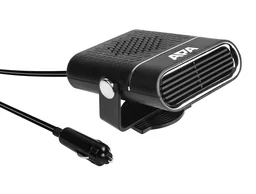
It fits in any car or boat and plugs into the cigarette lighter outlet, giving you a portable source of heat whenever you need it.
In summer, pesky insects can keep you off the patio. The
, a twin pack of electronic UV insect traps, offers an effective solution. It quietly attracts and eliminates mosquitoes and flies.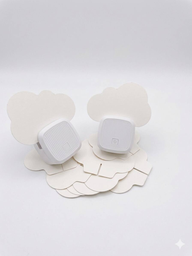
Conclusion: An Efficient Solution with Clear Advantages
A ductless mini-split heat pump is an efficient way to heat your home. It can save significant energy and money, and its ability to heat and cool adds comfort.
Its limitations include water heating and performance in extreme cold. Keep these factors in mind from the start. Good advice can help you avoid unpleasant surprises.
It is an excellent choice for new builds and renovated older homes. It can achieve high seasonal efficiency, and government incentives can improve its cost-effectiveness.
Base your decision on a heating load calculation. Compare quotes from several HVAC contractors to find the right system to improve your home's energy efficiency.
Frequently Asked Questions
- How does a ductless mini-split heat pump work?
- It uses a refrigeration cycle. A fan draws in outdoor air, and a heat exchanger extracts energy from it. A compressor pressurizes the refrigerant, causing its temperature to rise sharply. The system then transfers that heat directly to the indoor air through indoor units.
- Can a ductless mini-split heat pump also cool your home?
- Yes. Most models have an active cooling function. The refrigeration cycle simply runs in reverse: the heat pump extracts heat from the indoor air and releases it outside. The same system can keep your home comfortable in summer.
- How much does a ductless mini-split heat pump cost to buy and install?
- Costs typically range from 10.000 to 20.000 Euro. They depend on the building's size, the number of indoor units, and the installation work required. Government incentives such as BEG may cover a large part of the investment.
- Is a ductless mini-split heat pump suitable for an older home?
- In an unrenovated older home, it is often not the best choice for primary heating. Heating output decreases at very low temperatures. It can work well as supplemental heating for individual rooms or alongside another heat source, especially after an energy-efficiency renovation.
- How loud is a ductless mini-split heat pump?
- Modern outdoor units operate at around 45-60 dB(A) in heating mode, comparable to a normal conversation. Noise levels vary with the load. Position the outdoor unit away from bedroom windows to reduce disturbances.
You may also be interested in
- Air-to-water heat pumps: How they work, costs and installation
- Installing a heat pump indoors: Make the most of its benefits
- Heat pumps: Is switching to one worth it?
- Heat pumps and solar systems: A more energy-efficient setup
- Heat pumps for heating and hot water: An overview
- Balcony power station and heat pump: A pair for lowering energy costs