
In brief: To get rid of fleas in your home, you need to take a combined approach: Treat all pets with a product recommended by your vet. Vacuum all floors and upholstered furniture every day. Wash textiles at a minimum of 60°C. Repeat the cleaning and treatment to target all stages of the flea life cycle.
Table of contents
- How can you tell if you have fleas in your home?
- Where do fleas come from and how do they get into the house?
- The ultimate checklist: How to get rid of fleas in your home
- The flea life cycle: Why one treatment is not enough
- Prevention is the best protection: How to keep your home flea-free
Constant itching in your pet and small red bites around your own ankles. The suspicion soon becomes clear: you have fleas in your home. These parasites are not only annoying, but also reproduce rapidly. A single flea can lay hundreds of eggs. Act immediately and consistently. This guide takes you through all the necessary steps to stop the infestation and reclaim your home.
How can you tell if you have fleas in your home?
Fleas are tiny and fast. You may only briefly spot the adult insects, which are about 2-3 mm long and flattened from side to side. Other traces provide clear evidence of an infestation. Look out for the following signs to be sure.
Scratching pets and suspicious “dirt”
The most obvious sign is your pet. If your dog or cat is constantly scratching, biting itself or acting restless, examine its coat carefully. Comb your pet with a special flea comb. Look for small, black particles caught in the comb. These are probably flea droppings.
To be certain, carry out the paper towel test. Remove the black particles from the coat and place them on a damp, white paper towel. Crush the particles gently. If they turn reddish-brown, they are digested blood – definite proof of flea droppings.
Bites on humans
Fleas prefer animal hosts, but they also bite humans when the opportunity arises. The bites often appear in groups or lines, typically around the ankles and lower legs. They appear as small, red, intensely itchy papules with a central dot.
When there is a flea infestation, only around 5 % of the total flea population can be found as adult fleas on the animal. The remaining 95 % are present as eggs, larvae and pupae in the animal’s immediate surroundings.
Where do fleas come from and how do they get into the house?
Fleas do not appear out of nowhere. They are almost always brought in from outside. Understanding how they enter your home is the first step towards preventing future problems.
The main carriers: pets
In most cases, dogs and cats are fleas’ “taxis”. During walks in the park, while playing in the garden or outdoor area, or through contact with other infested animals, the parasites jump onto them. As soon as your pet enters the house, the flea starts laying eggs and the infestation spreads.
Hiding places outdoors
Fleas love warm, damp and shady places. Tall grass, piles of leaves or overgrown areas in the garden are ideal breeding grounds. Hedgehog nests and the sleeping areas of other wild animals may also be heavily contaminated with fleas. From there, the parasites can easily get onto your pet.
Additional advice
Check your pets regularly with a flea comb after they have spent time in potentially infested areas. This is especially important after contact with unfamiliar animals or time spent in rural areas with large wild-animal populations.
Passive carriers
Less common, but possible, is the introduction of fleas by people or objects. Fleas can cling to clothing or shoes. Used rugs, blankets or pieces of furniture may also contain eggs and pupae, which can then hatch in your home.
The ultimate checklist: How to get rid of fleas in your home
A flea infestation requires a systematic attack on two fronts: the animal and the entire environment. Treating the pet alone will not solve the problem. Follow these steps carefully.
Step 1: Treat all pets
Start treating all animals in the household immediately, even if only one is showing symptoms. Consult your vet about the right product. Highly effective spot-on treatments, tablets and special collars are available. Use only products approved for the particular animal species. Products for dogs can be toxic to cats. You can find a wide range of care products in our pet supplies category.
Step 2: Deep-clean the home
This is the most time-consuming but most important part. You need to tackle the 95 % of the infestation that is in your home.
- Vacuum thoroughly: Vacuum all floors, carpets, upholstered furniture and mattresses every day. Use the crevice tool for corners, cracks and skirting boards. The vibration of the vacuum encourages pupae to hatch, so the young fleas are vacuumed up as well. Immediately seal the vacuum bag airtight in a rubbish bag and dispose of it outside the house.
- Wash everything: Wash all washable textiles at a minimum of 60 °C. This includes pet blankets, cushions, your bed linen, curtains and clothing that has been on the floor.
- Steam-clean: A steam cleaner is an effective weapon. The hot steam reliably kills fleas at every stage of development on carpets and upholstered furniture. Such equipment is often found in the commercial supplies category and is a worthwhile investment for deep cleaning.
Step 3: Targeted treatment of the environment
After deep-cleaning, you can use special products to treat the environment. So-called foggers or environmental sprays contain active ingredients that kill adult fleas and inhibit the development of eggs and larvae. Follow the manufacturer’s instructions precisely.
Important note
When using chemical insecticides such as foggers or sprays, all people and pets must leave the room for the specified period. Ventilate the rooms thoroughly afterwards before re-entering them. Always read the label and safety instructions.
Step 4: Repeat consistently
One treatment is not enough. Continue vacuuming every day for at least two weeks and carry out a thorough wash weekly. A second environmental treatment may be necessary after around two to three weeks to catch newly hatched fleas.
The Flea Life Cycle: Why One-Time Treatment Is Not Enough
To understand why flea infestations are so persistent, you need to know about their life cycle. This is why patience and repeated measures are the keys to success.
The Four Stages of Development
A flea passes through four stages, which depend heavily on temperature and humidity:
- Egg: A female flea lays up to 50 eggs per day. These smooth, white eggs fall off the host animal and spread throughout the home, especially wherever the animal sleeps and rests.
- Larva: Larvae hatch from the eggs. They avoid light and hide deep in carpet fibres, gaps in upholstery or wooden floors. They feed on organic material and the faeces of adult fleas.
- Pupa: The larva spins itself into a sticky cocoon and develops into a pupa. This is the most resilient stage. The cocoon protects it from insecticides and dryness.
- Adult flea: The pupa waits for a stimulus—such as vibration, heat or the CO₂ in a host's breath—to hatch. This process can take a few days or many months.
Controlling bed bugs, fleas and cockroaches is often time-consuming and, in cases of severe infestation, should be carried out by professional pest controllers. Thorough cleaning measures and treating pets are essential.
The Problem with the Pupal Stage
The pupal stage is why a flea infestation can appear to flare up again weeks after the initial treatment. Pupae survive most control measures and only hatch when conditions become favourable again. Daily vacuuming creates the necessary vibrations to encourage the pupae to hatch, allowing the new generation of fleas to be removed immediately.
Prevention Is the Best Protection: How to Keep Your Home Flea-Free
After successfully getting rid of the fleas, you will want to prevent another infestation at all costs. Ongoing prevention is easier than carrying out another extensive treatment.
Year-Round Flea Prevention for Pets
The most important step is consistent flea prevention for your pets. Talk to your vet about the method best suited to your pet and your lifestyle. Continue the treatment throughout the year, not just during the warmer months.
Cleanliness and Hygiene
Regular vacuuming and washing your pets' sleeping areas deprive fleas of the conditions they need to survive. Keep the surroundings clean and tidy. An easy-to-clean cat house such as the
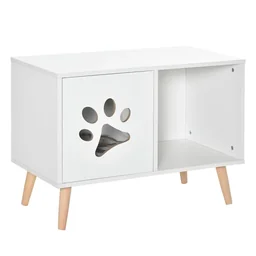
For ongoing support, you can turn to modern technology. The Weitech Ultrasonic Professional Pest Repeller uses ultrasonic waves that cannot be heard by humans and most pets, but may disturb and drive away crawling insects such as fleas. It offers a poison-free, long-term way to keep pests away from certain areas of your home.

Pro Tip
Make a simple flea trap to monitor the success of your efforts. At night, place a deep, white plate filled with water and a splash of washing-up liquid on the floor. Position a small battery-powered lamp or LED light directly above it. Fleas are attracted by the light and heat, jump into the plate and drown in the soapy water.
Getting rid of fleas is a marathon, not a sprint. It requires thoroughness, consistency and patience. However, with the right strategy—which combines treating the animal with thorough cleaning of the surroundings—you can get rid of these pests for good. Stay vigilant and make prevention part of your routine so that your home remains a flea-free zone.
Frequently asked questions
- Can fleas survive in a home without pets?
- Yes, fleas can survive temporarily without an animal host. The larvae feed on organic material in carpets, and the pupae can wait for a host for months. Adult fleas need a blood meal to reproduce and will also bite humans if no animal is available.
- How long does it take to get rid of a flea infestation?
- Completely eliminating a flea infestation can take three to four weeks, sometimes even longer. This is due to the flea's life cycle. The hard-to-control pupae may still hatch after the initial treatment, which is why consistent and repeated measures are crucial for success.
- Is vacuuming enough to kill fleas?
- Vacuuming alone is not enough, but it kills a large proportion of adult fleas and removes many eggs and larvae. The mechanical force of vacuuming can damage the fleas. However, the vacuum cleaner bag must be sealed airtight immediately after use and disposed of outside the home.
- Are flea bites dangerous for humans?
- Flea bites are usually harmless to humans, but they are very unpleasant and itchy. They can cause skin irritation and allergic reactions. In rare cases, fleas can transmit diseases. Scratching can also lead to secondary skin infections.
- Do I need to treat the entire home if I have a flea infestation?
- Yes, you should treat the entire home, not just your pet's favourite spots. Flea eggs and larvae can be found anywhere, especially in carpets, upholstered furniture and gaps between floorboards. Thorough, whole-home cleaning and treatment are essential for complete elimination.
You may also be interested in
- How to effectively get rid of human fleas in the home
- How to get rid of fleas naturally: a home remedies guide
- How to get rid of mice in the home: effective tips and remedies
- Rats in the house? Effective control strategies
- Pests in the home: prevention and long-term control
- How to get rid of cockroaches: effective strategies for homes and flats