
In brief: Foggy windows occur when warm, humid indoor air meets cold window panes. The air cools down and can hold less water, which becomes visible as condensation on the glass. The main causes are high humidity from cooking, showering or breathing, and a large temperature difference between indoors and outdoors, especially in winter.
You wake up on a cool morning and look at a window covered in water droplets on the inside. This phenomenon, known as condensation, is more than just an annoying obstruction to your view. It is a clear sign that the humidity in your rooms is too high. If you do nothing, you create ideal conditions for mould. We explain the causes and show you how to maintain clear views and a healthy indoor climate in the long term.
Why do my windows fog up? The physics behind it
Foggy windows are a simple physical principle in action. Warm air can hold significantly more moisture in the form of water vapour than cold air. When this warm, humid indoor air meets a cold surface, such as a window pane in autumn or winter, it cools down rapidly. At this point, known as the dew point, the air can no longer hold the water vapour. The excess water condenses and becomes visible as a fine film of water or droplets on the glass.
There are many sources of moisture in your home. A household of four releases up to 12 litres of water into the surrounding air every day simply through breathing and sweating. Everyday activities also contribute:
- Cooking: Water vapour rises from pots and pans.
- Showering: The bathroom quickly becomes a steam room.
- Drying laundry: An indoor clothes airer releases large amounts of moisture.
- Houseplants: They also release water into the air through evaporation.
All these factors increase the relative humidity in your home. Without sufficient air exchange, this moisture accumulates and settles on the coldest surface: the window.
Condensation on windows is always an indicator that the surface temperature of the building component on the room side is below the dew-point temperature of the indoor air.
Condensation on the inside or outside: What is the difference?
Not every foggy window is a cause for concern. It is important to identify which side of the pane the moisture is forming on.
Windows fogging up on the inside: The warning sign
If condensation forms on the inside of your windows, it is a clear sign that the humidity in the room is too high. Ignoring this signal can lead to serious problems. Constant moisture softens seals, can penetrate wooden window frames and damage the structure of the surrounding walls.
However, the greatest danger is mould. Damp corners on windowsills and in window reveals are the perfect breeding ground for mould, which is not only unsightly but can also be harmful to your health.
Important note
Mould in living spaces can trigger allergies, respiratory illnesses and headaches. Children and people with weakened immune systems are particularly at risk. Always remove condensation immediately and investigate the cause of the high humidity.
Windows fogging up on the outside: A good sign
If you see a film of water on the outside of your windows on a cool, damp morning, you can be pleased. This is a sign of quality and shows that your windows provide excellent insulation. With modern multiple glazing, the outer pane is so well shielded from indoor heat that it cools down significantly overnight. Its surface temperature falls below the dew point of the outdoor air, causing the moisture to condense.
This phenomenon usually occurs in spring or autumn and disappears by itself as soon as the sun warms the pane. There is no reason to worry and no action is required on your part. You may also recognise the principle from a greenhouse film and mesh film, which can be damp on the outside in the morning.
How do I get rid of condensation on my windows?
To tackle moisture on your windows, combine immediate measures with long-term strategies to reduce humidity.
Immediate measures: Ventilate and dry correctly
Act immediately when you spot condensation. Wipe away the droplets with an absorbent cloth before they run into the frame or wall. It is even more efficient with a cordless window cleaner such as the Cordless Window Cleaner 3-in-1. It vacuums up the water without leaving streaks and collects it in a container.

The most important step is ventilating correctly. Forget about leaving windows tilted open for long periods. This provides little air exchange but significantly cools the walls around the window, which can actually encourage condensation and mould. Instead, use brief full ventilation and cross-ventilation:
- Brief full ventilation: Open the windows fully for 5-10 minutes. Repeat this 3-4 times a day, especially after getting up, cooking and showering.
- Cross-ventilation: The most effective method. Open opposite windows or doors to create a strong draft for 2-5 minutes. This replaces stale, humid air as quickly as possible.
Additional advice
You should ventilate even when it is raining. Cold outdoor air is generally drier than warm indoor air, even when it is raining. A short, thorough exchange of air will therefore still reduce the humidity in your rooms.
Long-term strategies: Reduce humidity
You can only keep your windows permanently clear by reducing moisture at its source. Heat and ventilate in balance. Maintain a basic temperature of at least 18-20°C in all rooms. Cool rooms, especially the bedroom, are more prone to condensation. Warm air can absorb moisture, which you can then deliberately “vent out”.
Also pay attention to the placement of your furniture. Move large cabinets or sofas about 5-10 centimeters away from exterior walls. This allows air to circulate behind them and keeps the wall warm and dry. Reduce sources of moisture by always using the range hood when cooking and keeping the bathroom door closed while showering. Ventilate the bathroom thoroughly immediately afterward.
Mould Prevention: Why Acting Quickly Is Crucial
Condensation is the first stage of mould growth. The organic materials in wallpaper, window seals and wall paint, combined with constant moisture, provide ideal conditions for mould to grow. Black spots in silicone joints or a musty smell are the first warning signs.
Relative humidity above 60 % on surfaces over an extended period significantly encourages mould growth.
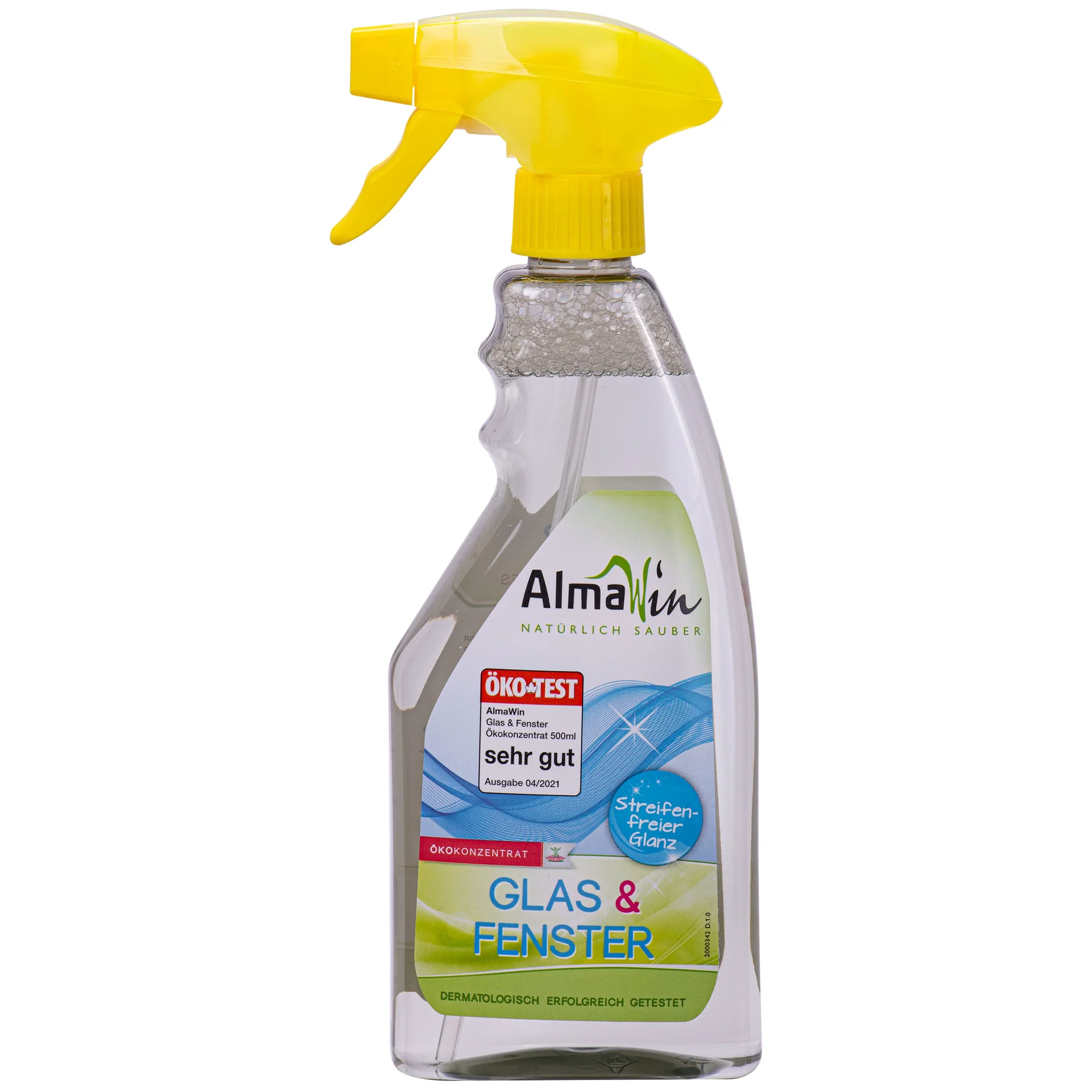
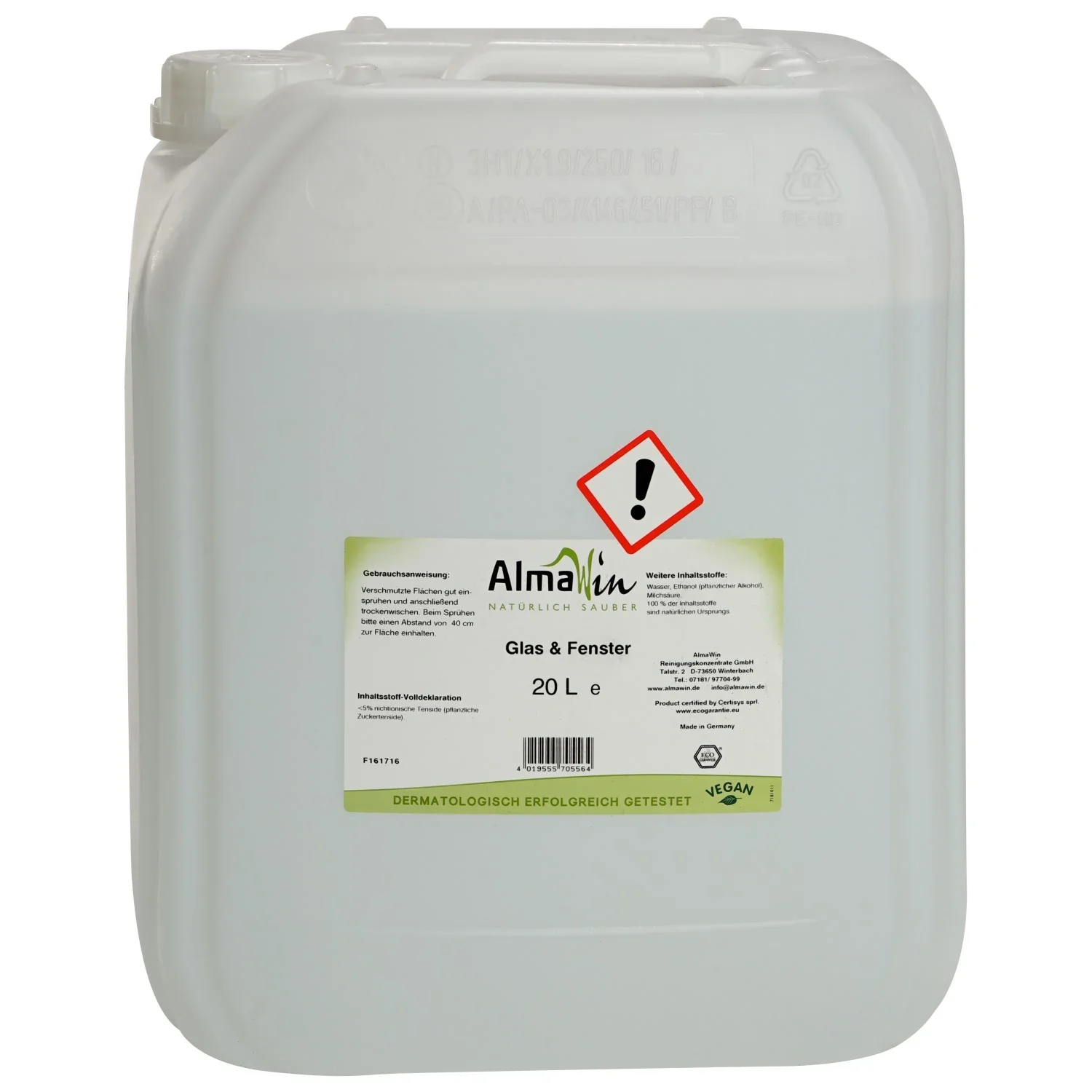
If you discover a few small patches of mould, you can often treat them yourself with high-proof alcohol or specialist mould removers. However, you should always call in a professional if the infestation is extensive. Prevention is the best strategy, though. Keep your windows and frames clean and dry. A good glass cleaner such as the ALMAWIN Glass and Window Cleaner in the practical 500-ml bottle helps keep your windows clean. For larger jobs or refilling, the ALMAWIN Glass and Window Cleaner in the 20-Liter canister.
Pro tip
Invest in a hygrometer. This small measuring device shows you the relative humidity in the room. The ideal level is between 40 % and 60 %. If the reading rises above this, it is time to air the room. This helps you develop a feel for the indoor climate and take action proactively.
Conclusion: Clear Views and a Healthy Home
Fogged-up windows are not inevitable; they are a clear call to action. By understanding the physical principles involved and consistently adjusting your ventilation and heating habits, you can get the problem under control. Remember: Every drop of condensation you wipe away and prevent through ventilation is an active contribution to mould prevention and the protection of your health and property.
Whether you work in the Garden + Outdoor area or look after your home, the right habits make all the difference. You can find the right helpers for a clean and healthy home in our Shop.
Frequently Asked Questions
- Is condensation on windows always a problem?
- Not always. Condensation on the outside is a sign of very good insulation. However, if moisture forms on the inside, it is a warning sign that the humidity in the room is too high. You should then ventilate the room and identify the cause to prevent mould growth.
- How often should I air the room in winter?
- Air the room three to four times a day in winter for around 5 to 10 minutes. Open the windows fully while doing so (purge ventilation). Cross-ventilation is most effective: open opposite windows to ensure a rapid and complete exchange of air.
- Does turning up the heating help?
- Yes, but only when combined with proper ventilation. Warm air can absorb more moisture, which you can then carry outside through purge ventilation. Keeping your home at a constant temperature, with all rooms heated evenly, helps prevent cold spots and therefore condensation.
- Why are my new windows worse than the old ones?
- Modern windows are highly airtight and do not allow uncontrolled air exchange, unlike old, draughty windows. This is good for energy efficiency, but it means you must remove the resulting humidity yourself through active and conscious ventilation.
- Can I prevent my windows from fogging up permanently?
- Preventing it completely is hardly possible because we produce moisture through breathing and everyday activities. However, you can significantly minimise the problem through controlled home ventilation, consistent heating and reducing sources of moisture such as drying laundry indoors.
You may also be interested in
- How to ventilate properly in winter: Prevent mould and optimise your indoor climate
- Mould on windows: Causes, removal and prevention
- Say goodbye to streaks: How to clean windows without streaks
- Removing mould from your home: Causes and lasting solutions
- Get your windows ready for winter: Prevent and repair frost damage
- Window sealant: Clear views in rainy weather