
In brief: Choosing the right garden fountain depends on your available space, the water feature you want and your power supply. Solar fountains are flexible and cost-free to run, but they need full sun. Battery-powered models store energy for cloudier periods. Powerful pumps are essential for large water volumes and tall fountains. Look for durable materials, good workmanship and easy cleaning.
A garden fountain brings tranquillity, movement and a refreshing element to your garden oasis. There is a wide range to choose from, from subtle water features to cascading fountains with a soothing flow. Our 2026 review and comparison helps you find the model that perfectly suits your style, space and preferences. We assess different types, technologies and designs to make your decision easier.
Contents
What types of garden fountains are there?
Before choosing a model, you should familiarise yourself with the main types. Each has its own advantages and different space and maintenance requirements.
Fountains and water jets
Classic fountains create one or more water jets. The height can often be adjusted. They look particularly elegant and usually need a collection basin. The pump is located in the basin or in a separate tank.
Cascade and waterfall fountains
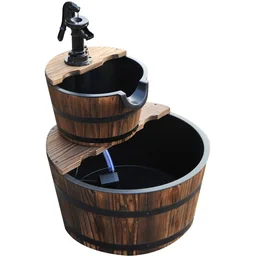
Here, water flows down over several levels or stones. This creates a soothing, natural trickling sound. One example is the
Wall fountains and gargoyles
Wall fountains are ideal for space-saving solutions. They are mounted on a wall or the side of a house. The water flows back into a basin positioned below. Gargoyles are a decorative version featuring figurative elements.
Stone and natural stone fountains
These fountains are made from real or skilfully imitated natural stone. They look solid, natural and particularly high-quality. They are often spring stones, from the centre of which water gently emerges.
The most important buying criteria at a glance
Not every fountain is suitable for every garden. You should consider these factors before buying.
Material and weather resistance: The material determines durability and appearance. Plastic is lightweight and easy to care for, but can suffer under UV radiation. Natural stone, terracotta and metal are more robust but heavier. Look for information confirming that the fountain is frost-resistant.
Pump capacity and pumping height: The pump's capacity in litres per hour (l/h) determines how much water it moves. The pumping height indicates how high it can pump the water. For tall fountains or multi-level cascades, you need a powerful pump such as the
with a capacity of 1200 l/h.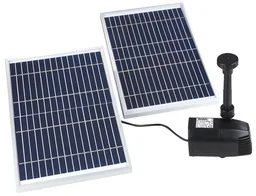
Noise level: Some pumps can be heard. If possible, check whether the sound is comfortable for you. The gentle trickling of water usually masks pump noise.
Tip: Position the fountain near a seating area. This is where the water feature has the greatest relaxing effect. Make sure there is a power source nearby or choose a sunny position for solar models.
Garden fountains compared directly
In our comparison, we look at different concepts side by side. The ideal choice depends on your individual priorities.
The highest-rated garden fountains in our range compared directly:
| Model | Customer rating | Availability |
|---|---|---|
| 1200 l/h solar pump | – | Currently unavailable |
| 1600 l/h solar pump | – | Currently unavailable |
| 1600 l/h solar pump with battery | – | Currently unavailable |
| 2-tier garden fountain indoor fountain water feature cascade fountain fir wood dark brown | – | Currently unavailable |
| 200 l/h solar pump with battery without light | – | Currently unavailable |
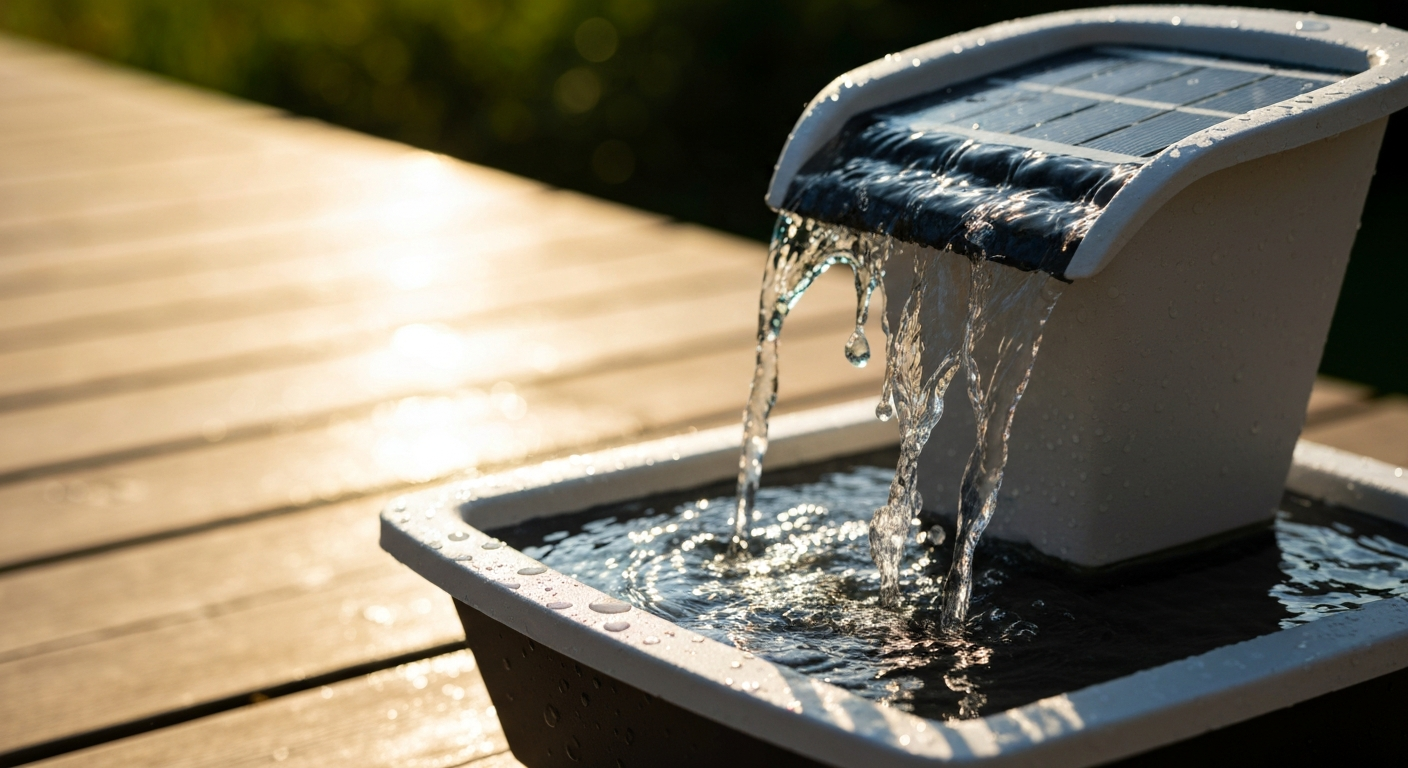
Models with an integrated battery are particularly practical. The
is a 1600 l/h solar pump with battery. This means solar energy is stored. Your fountain will continue running in the evening or during brief periods of cloud cover, without the pump stopping immediately.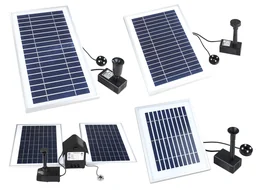
For smaller water features or beginners, the
is a good solution. With a capacity of 400 l/h and a battery, it reliably supplies energy for a subtle trickling sound, even when the sun is not shining continuously.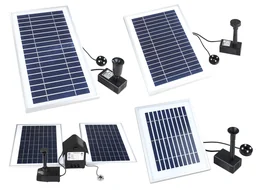
Important: Before buying, check that all the necessary parts are included. Some fountains are supplied without a pump, while others do not include a suitable basin. Compatibility is particularly important for sets made from different materials.
Solar, battery or mains power? The power supply
Pure solar pumps
These pumps only work in direct sunlight. They are extremely flexible to position and have no running costs. However, they need a spot in full sun for consistent performance. Models without a battery stop immediately when a cloud passes in front of the sun.
Solar pumps with a battery
The premium option for solar power. The battery stores surplus solar energy. Your fountain runs for longer and more reliably, even in changeable weather. and are examples of this advanced technology.
Mains-powered pumps
Traditional pumps with a cable and plug deliver the most consistent performance. They are weather-independent and suitable for powerful water features. The disadvantage is the need for a nearby socket and a cable running across the area.
Note: The stated solar output refers to ideal conditions. In overcast weather or partial shade, the pump's actual performance may be significantly lower. Allow for a margin here.
Care and maintenance for long-lasting enjoyment
A garden fountain needs regular care to stay attractive and fully functional. Limescale, algae and leaves are the most common problems.
Clean the basin every few weeks. Empty it, scrub it and rinse it thoroughly. Do not use harsh cleaning products that could damage the pump or harm plants. A soft brush and water are often all you need.
The pump itself should also be cleared of dirt regularly. Remove it from the water and rinse the impeller clean. If there is heavy build-up, soaking it in diluted vinegar can help. Follow the manufacturer's instructions.
You need to take action in winter. Frost can crack the basin and pump. Remove the pump and store it somewhere dry and frost-free. Empty the basin completely. Frost-resistant fountains can remain outdoors, but should be covered.
The perfect position in the garden
The location can turn a fountain into a real highlight. The wrong spot can reduce its impact and cause practical problems.
Use the fountain as a focal point. It looks particularly effective in the middle of a lawn, at the end of a line of sight or in a garden decoration corner. Make sure it stands on a stable, level surface.
Avoid placing it directly under trees. Falling leaves, pollen and needles can clog the pump and quickly dirty the water. The cleaning effort increases considerably.
Think about the surroundings. Loud splashing directly beneath a bedroom window could be disruptive. A gentle fountain near the patio, on the other hand, masks unwanted noise and creates a sense of privacy.
Current trends and distinctive designs
The world of garden fountains continues to evolve. Modern designs combine function with art.
Minimalist stainless steel fountains: Clean lines and reflective surfaces add a modern touch. They are often very easy to maintain and work particularly well in architecturally designed gardens.
Upcycled fountains: Old millstones, clay pots or metal bowls can be transformed into unique water features. These one-off pieces give the garden personality.
Illuminated fountains: Integrated LED lights, often solar-powered, bathe the water feature in a fascinating evening glow. This extends the time you can enjoy the fountain into the darker hours.
Wall art with a water effect: This innovation combines artwork on a wall with a thin film of water flowing over it. These features save space and offer a completely new visual experience.
Whatever type or design you choose, a garden fountain adds life, sound and beauty to your green oasis. With the information from our 2026 review and comparison, you are sure to find the right model for your needs.
Frequently asked questions
- Which is better: a solar fountain or a mains-powered model?
- Solar fountains are ideal for flexible positioning without cables, but they need direct sunlight. Mains-powered models deliver consistent performance regardless of the weather, but require a nearby socket. For most gardens, modern solar pumps with a battery are a good compromise.
- What is the best way to clean a garden fountain?
- Empty the fountain regularly. Clean the basin and stones with a brush and clean water. Avoid harsh chemicals that could damage the pump. A diluted vinegar solution can help with algae growth. Cover the fountain in winter or store it somewhere frost-free.
- Do solar fountains work in the shade?
- Pure solar fountains without a battery need direct sunlight. Models with an integrated battery, such as PRODUCT_133992 or PRODUCT_138426, store energy and can continue running during brief periods of shade or in the evening. A mains connection is advisable for permanently shaded locations.
- What pump capacity do I need for a fountain?
- For small jets up to 50 cm high, 200-500 l/h is often sufficient. Taller water features or wide cascades require 1000 l/h or more. The delivery head is the key factor. Products such as PRODUCT_133167 with 1200 l/h are suitable for impressive fountains.
- Can I leave a garden fountain outside in winter?
- That depends on the material. Frost-resistant materials such as specialist plastic or natural stone can often be left in place, provided the pump is removed and the water is drained. Wooden fountains or models with thin walls should be moved to winter storage. Check the manufacturer's specifications.