
In brief: You can recognise the ideal harvest window by the colour, size, firmness and taste of each crop. Harvest dry vegetables in the cool morning, remove fruits with a knife or scissors, and store delicate varieties immediately at the right temperature and humidity. This helps preserve quality, flavour and yield.
Freshly harvested vegetables taste best when you pick them at the right time. Crops picked too young often have little flavour, while overripe vegetables become stringy, floury or bitter. So pay attention to colour, size, firmness and texture. The calendar on the seed packet is only a general guide.
Harvesting technique also affects quality. Cut fruit cleanly, keep delicate leafy vegetables out of the sun and remove damaged pieces immediately. This increases the usable yield and extends shelf life.
How can you recognise the right harvest time?
Each type of vegetable has its own signs of ripeness. For tomatoes, colour is key; for carrots, it is the size of the root; for beans, the length; and for lettuce, the firmness of the head. A fixed date is therefore only a rough guide.
Take the sowing date, variety and weather into account. A warm June speeds up growth, while cool nights delay it. Check ripening crops daily or at least every two days so that you do not miss the short harvest window.
Vegetable harvest time: signs of ripeness instead of calendar dates
The following characteristics can help you decide:
- Colour: Tomatoes, peppers and pumpkins show that they are ripe through their variety-specific colour. Green tomatoes stay firm for longer, but taste different from fully coloured fruit.
- Size: You should usually harvest courgettes, cucumbers and radishes before they reach their maximum size. This keeps them tender and full of flavour.
- Firmness: A ripe fruit gives slightly under gentle pressure without being soft. Hard or shrivelled fruit needs to be assessed differently.
- Ease of picking: Ripe fruit can often be separated from the stem with a gentle twist or a clean cut.
- Taste and texture: Try a small amount of edible crops. Stringiness, heat, sweetness and juiciness often show the harvest window more reliably than a single measurement.
Taste and texture as a practical test
Harvest leafy vegetables, herbs and lettuce while young if you prefer tender leaves. As some plants age, they develop more fibre or start to flower. This noticeably changes their flavour and texture.
For root vegetables, your intended use is the deciding factor. Small carrots and beetroot taste mild and tender. Larger specimens are better suited to storage, provided they are firm, undamaged and free from disease.
“When deciding when to harvest, the variety’s size, colour and firmness matter more than the calendar alone.”
Expert tip
Mark not only the sowing date in your calendar, but also the first flowering and first harvest. After two or three years, you will know your varieties’ harvest window much more accurately than from general monthly guidelines.
How do the harvest times of the most important vegetables differ?
Harvest time depends on the crop and how you intend to use it. Leafy vegetables grow quickly and often provide harvests over several weeks. Fruiting vegetables ripen gradually, while storage vegetables remain in the bed for longer.
| Vegetable | Typical sign of ripeness | What to look out for |
|---|---|---|
| Radishes | Root is about two to three centimetres in diameter | If left too long, they become pithy and hot. |
| Lettuce | Head is firm and leaves remain crisp | Harvest before flowering; with cut-and-come-again lettuce, pick the outer leaves first. |
| Spinach | Young, strong leaves | Cut regularly in warm weather before the plant bolts. |
| Courgettes | About 15 to 25 centimetres long | Large fruits quickly become firmer and contain more seeds. |
| Cucumber | Variety-specific size and firm skin | A yellowish colour and hard seeds indicate that it was harvested late. |
| Beans | Pods are slim and snap crisply | Pick before the seeds become visible. |
| Peas | Pods are full and peas are still sweet | Overripe peas become floury. |
| Tomatoes | Variety-specific colour and an aromatic scent | Pick fruit with gentle pressure or cut it off with the stem. |
| Carrots | Shoulder has reached the desired thickness | For storage, lift them carefully from the soil and remove the foliage. |
| Potatoes | Foliage turns yellow and skin remains firm | For storage potatoes, wait until the skin no longer rubs off. |
| Onions | Leaves bend over and dry out | After pulling them, leave them to ripen and dry for several days. |
| Pumpkins | Stem becomes woody and skin is hard | Harvest before the first frost, leaving a section of stem attached. |
Harvest early or allow crops to ripen fully?
Early harvesting is worthwhile for courgettes, beans, cucumbers and radishes. Young fruits grow back quickly and remain tender. Peas, pumpkins, onions and storage potatoes, on the other hand, should be left to ripen for longer if you want to store them.
You can harvest tomatoes differently depending on the weather and location. Fully ripe fruit has the most flavour. Before a period of cool weather, pick almost ripe tomatoes and let them ripen at room temperature.
Stagger planting and harvesting
Staggered sowing spreads the harvest across the season. Sow radishes, lettuce and spinach at short intervals. For beans and peas, several sowings extend the harvest window. Asian salad leaves can also be used for repeated cuttings. You can find suitable seeds in the vegetable seeds category.
The Mizuna Asian salad listed in the range
is suitable for this type of planning. Cut the outer leaves as soon as they are large enough and leave the centre intact. The plant will then produce more leaves.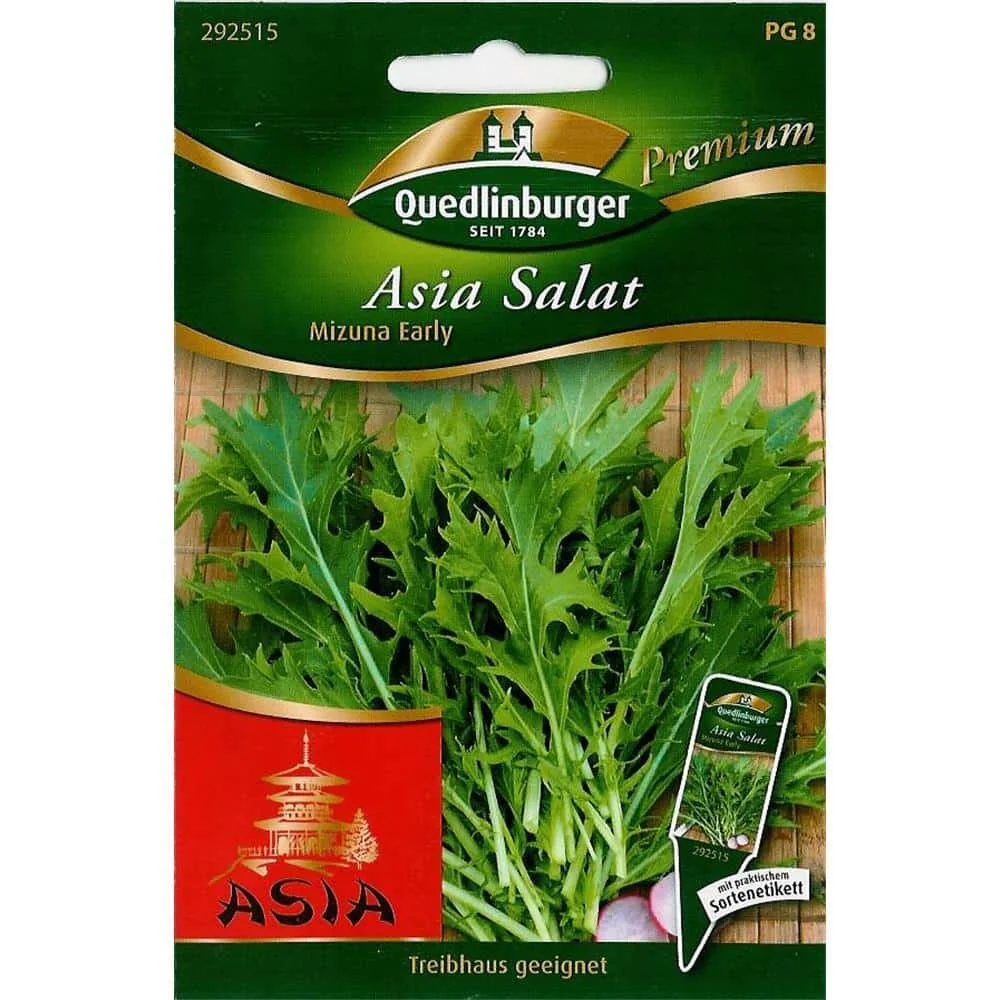
How can you increase your vegetable garden yield by harvesting correctly?
Regular harvesting keeps many plants productive. Zucchini, beans, cucumbers and Swiss chard produce new flowers or leaves as long as you remove ripe parts. Do not leave oversized fruits on the plant unnecessarily, as they use up a lot of the plant's energy.
Harvest in dry weather. Leafy greens and herbs stay especially crisp on a cool morning once the dew has dried. Fruiting vegetables can also be harvested in the evening, when the heat of the day subsides.
The right tool and a clean cut
Use a sharp, clean knife or pair of garden shears. A smooth cut damages stems and fruit less than tearing or bending. Clean the tool when moving from a diseased plant to a healthy one.
For fine cuts, a short vegetable knife such as
. Use the right technique for each crop: cut beans and cucumbers off at the stem, cut lettuce just above the soil, and cut herbs above a pair of leaves.
A selection of suitable garden tools makes the work easier. Also have shallow baskets or crates ready. Tall, heavy layers can crush the fruit at the bottom.
Harvest gently in four steps
- Check the crop for ripeness, pest damage and damaged areas.
- Support the stem with one hand and cut off the fruit with the other.
- Place delicate vegetables loosely in a basket and keep them out of direct sunlight.
- Sort damaged produce immediately and move vegetables intended for storage to the appropriate place quickly.
For root vegetables, loosen the soil first with a digging fork. Do not insert it directly beneath the root, or you may cause bruising. Then carefully pull carrots, beetroot and parsnips out by the foliage or root.
Do not harvest lettuce after heavy rain if you want to store the heads. Wet leaves wilt or rot more quickly. For immediate consumption, you can let the lettuce drain briefly and use it straight away.
Important note
After using approved plant protection products, always observe the stated waiting period. Green, bitter-tasting or heavily sprouted potatoes should not be eaten. Sort out diseased and badly damaged vegetables instead of storing them.
Storing harvested produce: How does vegetables stay fresh after harvesting?
Storage begins immediately after picking. Remove coarse soil, damaged leaves and bruised fruit. Only wash vegetables intended for storage shortly before use, as excess moisture encourages rot.
Temperature, humidity and air circulation must suit the crop. Leafy greens need cool conditions and high humidity. Onions, garlic and potatoes, on the other hand, need dry, dark conditions. Tomatoes lose flavour in the refrigerator and should be kept in a cool room.
| Vegetable | Suitable storage | Preparation |
|---|---|---|
| Lettuce and leafy greens | Cool, humid, loosely wrapped | Remove wilted outer leaves and do not wrap while wet. |
| Carrots | Very cool and slightly humid | Twist or cut off the foliage and store the roots unwashed. |
| Beetroot | Cool, dark and humid | Remove the leaves, leaving a few centimetres. |
| Potatoes | Dark, dry and frost-free | Store only firm, undamaged tubers. |
| Onions and garlic | Dry, well ventilated and dark | Allow to dry completely before storing. |
| Tomatoes | At around 12 to 18 degrees, not in the refrigerator | Store with the stem side facing up and check regularly. |
| Cucumbers and zucchini | Cool, but not too cold | Use damaged fruit first. |
| Pumpkin | Dry, well ventilated and frost-free | Harvest with a short stem and avoid bruising. |
Washing, cleaning and sorting
For storage, brush root vegetables dry. Soil partly protects the surface from drying out as long as the roots remain undamaged. Clean leafy greens immediately after harvesting and wrap them loosely in a damp cloth or store them in a ventilated box.
Check crates and compartments weekly. A single rotten piece can infect nearby vegetables. Remove soft or mouldy produce immediately and clean the container.
Process excess produce quickly
When a crop produces large quantities at once, process the vegetables within a few days. Blanch beans before freezing. Herbs can be chopped and frozen in portions. Zucchini, carrots and peppers can be sliced, preserved or used directly in soups and stir-fries.
For evenly sized pieces, a handheld tool such as
helps with preparation. Only cut clean, undamaged produce and cool prepared ingredients immediately if you are not using them straight away.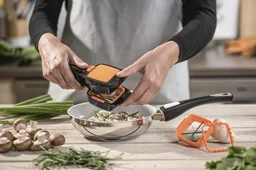
Additional advice
Do not store fruit and vegetables together without checking them first. Ripe apples and some other fruits release ethylene, which can cause sensitive vegetables to age more quickly. Use separate crates and allow air to circulate between the containers.
Vegetable Garden Harvest Calendar: How Do You Plan Your Harvest Without Rigid Dates?
A harvest calendar connects sowing, care and processing. Enter each crop with its variety, sowing or planting date and expected start of harvest. Add the actual first harvest date and note how long the plants remained productive.
The information on seed packets usually assumes favorable conditions. Your location may differ significantly. A sunny bed warms up earlier than heavy, shaded soil. The harvest window can also shift after a cool or very dry period.
What Information Belongs in the Calendar?
- Crop and variety: Varieties differ in growth habit, time to maturity and storage life.
- Sowing or planting: This date provides the starting point for the first estimate.
- First check: Check the plants early for flowering, fruit set or visible root development.
- Start of harvest: Note the day when the first amount ready to eat becomes available.
- Harvest intervals: Daily or every-other-day entries are helpful for zucchini, beans and cucumbers.
- Storage notes: Record which quantities will be eaten immediately and which will be stored or processed.
Example of a Flexible Harvest Calendar
| Crop | Typical period | Regular checks |
|---|---|---|
| Radishes | Spring to fall | Check the root size and sow more in good time. |
| Lettuce | Spring to fall | Harvest heads before they bolt; keep cutting loose-leaf lettuce as needed. |
| Zucchini | Summer to early fall | Check the fruit daily or every other day. |
| Beans | Summer | Pick the pods regularly before they become stringy. |
| Tomatoes | Summer to fall | Watch the color, aroma and weather conditions. |
| Carrots | Summer to fall | Check the shoulder size and harvest storage quantities separately. |
| Pumpkins | Late summer to fall | Check the stem and skin; bring them in before frost. |
Consider Weather, Location and Watering
A consistent water supply supports even growth. After a longer dry spell, do not immediately harvest and store large quantities; first make sure the plants have a stable water supply. Well-planned garden irrigation helps prevent major fluctuations.
Water as close to the soil as possible and in the morning. Wet leaves encourage fungal diseases in many crops. After heavy rain, check fruit and roots for cracks, bruising and waterlogging.
Think About the Next Round After Harvest
Remove harvested plants from the bed promptly if they are diseased or completely exhausted. You can compost healthy roots and crop residues depending on the crop and their condition. Then plan a follow-on crop so the space remains productive.
Supports, ties and plant supports make caring for and harvesting tall tomatoes, cucumbers and beans easier. The right garden plant accessories keep the bed organized and the fruit clean.
“Regular harvesting encourages continued flowering and fruit production in many fruiting vegetables.”
The Simple Rule for Every Crop
Observe the plant, check the variety-specific signs of ripeness and harvest in dry conditions. Use a clean, sharp tool. Store each type of vegetable under the conditions it can tolerate.
Your own harvest calendar makes your experience visible. After each season, you will know more precisely when your varieties taste best, how much your garden bed produces and what quantities you should plan for storage or processing.
Frequently Asked Questions
- When are vegetables ready to harvest in the garden?
- You can tell whether vegetables are ready to harvest by their variety-specific color, size, firmness and taste. Zucchini taste best when young, tomatoes can be left to develop their full color, and beans should remain crisp. Also check the information on the seed packet, as the variety, sowing date and weather can shift the harvest window.
- Should I harvest vegetables in the morning or evening?
- Harvest leafy vegetables, herbs and lettuce preferably in the cool morning once the dew has dried. You can also pick fruiting vegetables such as tomatoes and zucchini in the morning. Dry weather remains important: wet produce spoils faster and is more difficult to store. After frost, wait until the plants have thawed.
- How do I harvest zucchini, beans and cucumbers correctly?
- Cut zucchini, beans and cucumbers with a sharp knife or clean scissors instead of tearing the fruit off. Harvest zucchini regularly when they are about 15 to 25 centimeters long, and pick beans when they are young and string-free. Cucumbers taste best while they are firm, green and not yet yellowish.
- How do I store freshly harvested carrots and potatoes?
- Remove the tops from carrots and store the roots unwashed and cool in slightly damp sand or a perforated container. Keep potatoes dark, dry and frost-free at about four to eight degrees. Remove damaged tubers first and check the storage area regularly for rot.
- Do I need a harvest calendar for my vegetable garden?
- A harvest calendar helps you coordinate sowing, ripening times and follow-on crops. Record more than just the months: include the variety, sowing date and first harvest. Still check the plants regularly, because heat, rain, location and soil can shift actual ripeness by several days or weeks.
You Might Also Be Interested In
- Turn Your Balcony into a Self-Sufficient Garden: Harvesting Tips
- Starting Vegetable Seeds Indoors: A Guide to Strong Seedlings
- Growing Vegetables: The Complete Beginner’s Guide
- Prepare Your Garden for Winter: How Do You Bring in the Last Harvest?
- Fast-Growing Vegetables: Harvest Earlier and More Often!
- Store Your Harvest Properly: Keep Food Fresh for Longer