
In brief: In our 2026 grass shears test, the main choice is between cordless, gas-powered, and manual models. Cordless grass shears now offer excellent performance and are the first choice for most home gardens. They run quietly, require little maintenance, and produce no emissions. Gas-powered models are suitable for very large areas or especially tough grass. Manual grass shears remain essential for small, precise jobs and shaping. The right choice depends on the size of your garden and your needs.
Looking for new grass shears for your garden? Our 2026 grass shears test and comparison will help you find the right model. We compare the different types and explain what to look for when buying. Whether you need a clean cut along your lawn's edge or want to trim larger areas, the right shears make the job easier.
Table of contents
What types of grass shears are available?
There are three main types, each with its own strengths.
Cordless grass shears
These models are the most popular today. They run on a rechargeable lithium-ion battery. With no cord, they give you plenty of freedom to move around. Modern batteries provide more than enough power for most home gardens.
Gas-powered grass shears
Gas-powered models offer the most power and complete independence from an electrical outlet. They are heavier and require fuel as well as regular maintenance. These shears are ideal for large, overgrown areas.
Manual grass shears
Classic manual shears work without a motor. They are lightweight, quiet, and always ready to use. For precise cuts along lawn edges or in flower beds, they're hard to beat. They are the perfect complement to powered models.
The most important buying criteria at a glance
Compare grass shears using these criteria.
Power and cutting width: Cutting width determines how much area you can cover in one pass. Choose wider shears for large, level areas. For gardens with tight corners, narrower, more maneuverable shears are often the better choice.
Weight and handling: Weight affects comfort during longer jobs. Lighter cordless models are easier on your back. Look for an ergonomic handle and good balance.
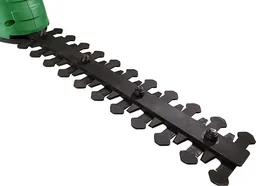
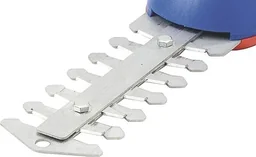
Blade system: Choose between oscillating and rotary blades. Oscillating blades provide a cleaner cut. Rotary blades are more durable in tough conditions. Some models offer interchangeable blades for different tasks.
Tip: Check that replacement blades are available, such as the or the . Replacing the blade is easy and can significantly extend the life of your shears.
Grass shears compared side by side
This table gives you an overview of the key features of the models tested.
Our highest-rated grass shears compared side by side:
| Model | Customer rating | Availability |
|---|---|---|
| Replacement shrub blade for 949789 2 in 1 LI-ION grass and hedge shears, 3,6 Volt 🏆 Best in test | ★ 4,9 (39) | In stock |
| Replacement grass blade for 949789 2 in 1 LI-ION grass and hedge shears , 3,6 Volt | ★ 4,8 (14) | In stock |
| Replacement shrub blade for cordless grass and shrub shears | ★ 4,8 (12) | In stock |
| Replacement shrub blade for LI-Power shears | ★ 4,7 (10) | In stock |
| Easy Prune Classic cordless garden shears | – | Currently unavailable |
Cordless grass shears: pros and cons
Most new purchases today fall into this category. These shears stand out for their ease of use.
You can start cordless shears with the press of a button. They run quietly without disturbing your neighbors. They produce no exhaust fumes, which is a major advantage, especially in small gardens. Maintenance is limited to cleaning and occasionally sharpening the blades.
Limited battery runtime is the biggest drawback. For very large gardens, plan a break to recharge or use a spare battery. The tool and battery cost more than manual shears.
Important: Never store lithium-ion batteries fully discharged or in extreme heat. This can permanently damage the cells. Keep them in a cool, dry place and charge them to about 60% before long-term storage.
What to look for in a battery
Voltage (V) indicates power. Amp-hours (Ah) describe capacity and therefore potential runtime. An 18V/5,0Ah battery lasts longer than an 18V/2,0Ah battery.
Battery systems are practical. You can use the same battery for different tools in the same manufacturer's range. This saves money and gives you more flexibility.
Who are gas-powered grass shears for?
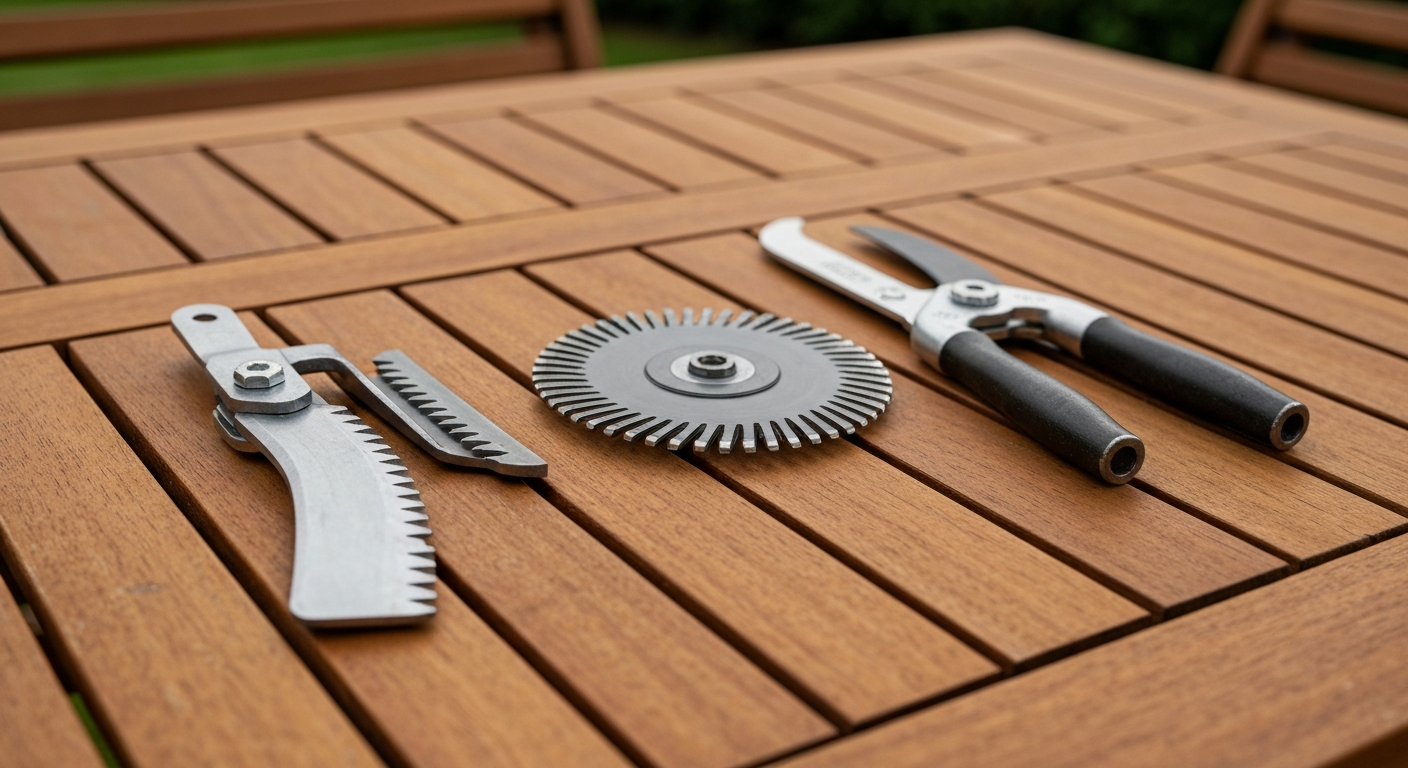
Gas-powered grass shears are powerhouses. They are used when cordless models don't provide enough power.
They easily handle tough, matted grass, thistles, and even thin woody growth. Runtime is limited only by the tank capacity. They are ideal for farmers, large properties, and municipal groundskeeping crews.
The drawbacks are clear: they are loud, produce exhaust fumes, and are heavier. They require regular maintenance, including oil changes, air filter cleaning, and spark plug replacement. Fuel also makes them more expensive to run over time.
Hand Lawn Shears: A Classic with Plenty of Benefits
Don’t overlook the manual option. A good pair of hand lawn shears belongs in every garden.
They’re ready to use right away, completely quiet, and produce no emissions. They let you make precise cuts along lawn edges, shape topiary, and touch up after mowing. High-quality models with forged blades and non-slip handles feel comfortable in your hands.
The physical effort is the obvious drawback. For larger areas, powered shears are a better choice. Keep the blades sharp: dull shears make the work harder and crush grass blades.
Note: Hand shears are essential for precisely cutting individual blades of grass or trimming ornamental grasses. Pair them with powered shears for tougher jobs.
How to Care for and Maintain Your Lawn Shears
Good care significantly extends the life of any tool.
Cleaning: Remove grass clippings and dirt from the blades and housing after every use. For battery-powered tools, use a soft brush or cloth. Avoid the drive mechanism and bearing openings.
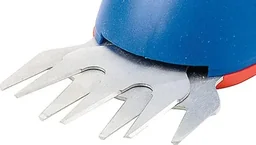
Sharpening: Sharp blades are essential. They protect the motor and make clean cuts. Sharpen the blades with a suitable tool or replace them. A replacement blade such as the will quickly get your shears back in shape.
Storage: Store your lawn shears in a dry, frost-free place. For battery-powered tools, remove the battery. For gas-powered models, empty the fuel tank before storing them for the winter.
When Is It Worth Repairing Your Shears?
Repairing simple problems, such as a worn blade or a dead battery, makes sense. For older gas-powered models with a leaking tank or serious engine damage, buying a new tool is often more economical. Check the availability and cost of replacement parts.
You now have a comprehensive overview of lawn shears. Whether you choose a powerful battery-powered model, a professional gas-powered tool, or precise hand shears, the right pair makes every gardening task more efficient. Consider your needs based on the size of your lawn, the terrain, and how much convenience you want. That way, you can find the ideal tool in our Grass Shears Test & Comparison 2026.
Frequently Asked Questions
- How long does the battery last on battery-powered lawn shears?
- Runtime depends on the battery capacity (Ah) and motor power. With typical 18V or 36V models using 2.0 to 5.0 Ah batteries, you can expect 30 to 60 minutes of continuous cutting. For larger gardens, consider a spare battery or a system with compatible tools to extend your working time.
- Can I use lawn shears to cut thin branches?
- Many modern battery-powered lawn shears are combination tools that can cut thin branches and shrubs with the right blade. You may need a special shrub or hedge trimmer blade for these tasks. Check the maximum cutting diameter specified by the manufacturer. For regular shrub trimming, however, a dedicated hedge trimmer is a better choice.
- What’s the difference between oscillating and rotary blades?
- Oscillating blades use two blades that move in opposite directions to cut grass cleanly. They’re especially suitable for soft to medium-hard grass. Rotary blades use a blade that spins on a spindle and are more robust, so they’re often used in gas-powered models. They also handle matted or wet grass better, although the cut is less clean. The right choice depends on your lawn and how you plan to use the shears.
- How do I maintain and sharpen the blades on my lawn shears?
- Remove grass sap and dirt from the blades after every use, then dry them to prevent rust. Dull blades reduce cutting performance and put strain on the drive mechanism. Sharpen the blades regularly with a file or whetstone. An easier option is to replace them with a new replacement blade such as PRODUCT_74131 for certain models.
- Can battery-powered lawn shears cut tall grass?
- Powerful battery-powered lawn shears with enough motor power (from 36V) and sharp blades can handle tall grass, too. Work more slowly and in several passes to avoid overloading the motor. For regularly cutting very tall meadow grass, powerful gas-powered models or dedicated brush cutters are more efficient.