
Quick summary: Choosing the right hand tools determines efficiency and results. A high-quality basic selection of precise pliers, sharp saws, suitable screwdrivers and a versatile spanner set forms the foundation. Ergonomics, material quality and a precise match for your typical tasks are crucial. Our test helps you identify the best tools for your needs.
Good hand tools are an extension of your skills. They make work more precise, safer and faster. But which tools live up to their promises? Our test and comparison for 2026 examines the most important categories and helps you separate the wheat from the chaff. We focus on essential tools for DIY enthusiasts and professionals.
Forget overcrowded tool walls. We show what really matters: material, workmanship, ergonomics and smart accessories. A carefully chosen basic selection is worth more than a case stuffed with cheap tools.
Table of contents
The essential basic toolkit
Before investing in specialist tools, you need a solid foundation. These tools should be in every workshop.
The versatile screwdriver set
A set with slotted and Phillips sizes (PH1, PH2, PZ1, PZ2) is essential. Look for hardened tips that do not wear quickly and magnetic models that hold screws securely. Ergonomic, powerful handles with a hexagonal bolster for additional torque are a clear advantage.
The precise hammer
A 500g to 750g hammer with a fibreglass or steel handle is the all-rounder. The weight must suit your strength. The striking face should be made of case-hardened steel and sit firmly on the handle. An
shows that even classic tools can be cleverly enhanced.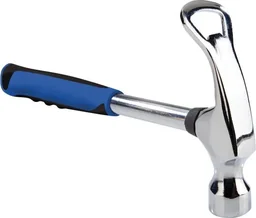
Tip: Build your basic toolkit step by step. Start with a small, high-quality set and expand it only when you have a specific need. This helps you avoid unnecessary purchases.
The universal combination pliers
They cut, grip, bend and hold. Robust combination pliers with well-sharpened cutting edges and a precisely made joint are indispensable. Insulated handles provide extra safety when working on electrical systems.
Quality features under the microscope
The devil is in the detail. These points determine long-term performance.
Material and hardness
High-quality tool steel (often with a chrome-vanadium alloy) combines high hardness with toughness. It is less likely to break and retains its edge. Cheap alternatives made of soft steel bend or become blunt quickly.
Workmanship and tolerances
Check hinges and moving parts for play. On water pump pliers, the movable jaw should have very little play. Cutting edges must be ground cleanly and free of burrs. Casting seams or sharp edges on handles are signs of poor quality.
Warning: Never use tools beyond their intended purpose. Pliers are not a substitute for a spanner, and a screwdriver is not a chisel. This can lead to damage, accidents and injuries.
Ergonomics and safety
The handle must remain secure even with sweaty hands. Soft, contoured components reduce pressure points. For insulated handles, look for relevant safety certifications for electrical work.
When is specialist tooling worth it?
Not everyone needs every tool. But for recurring, specific tasks, it can be a game-changer.
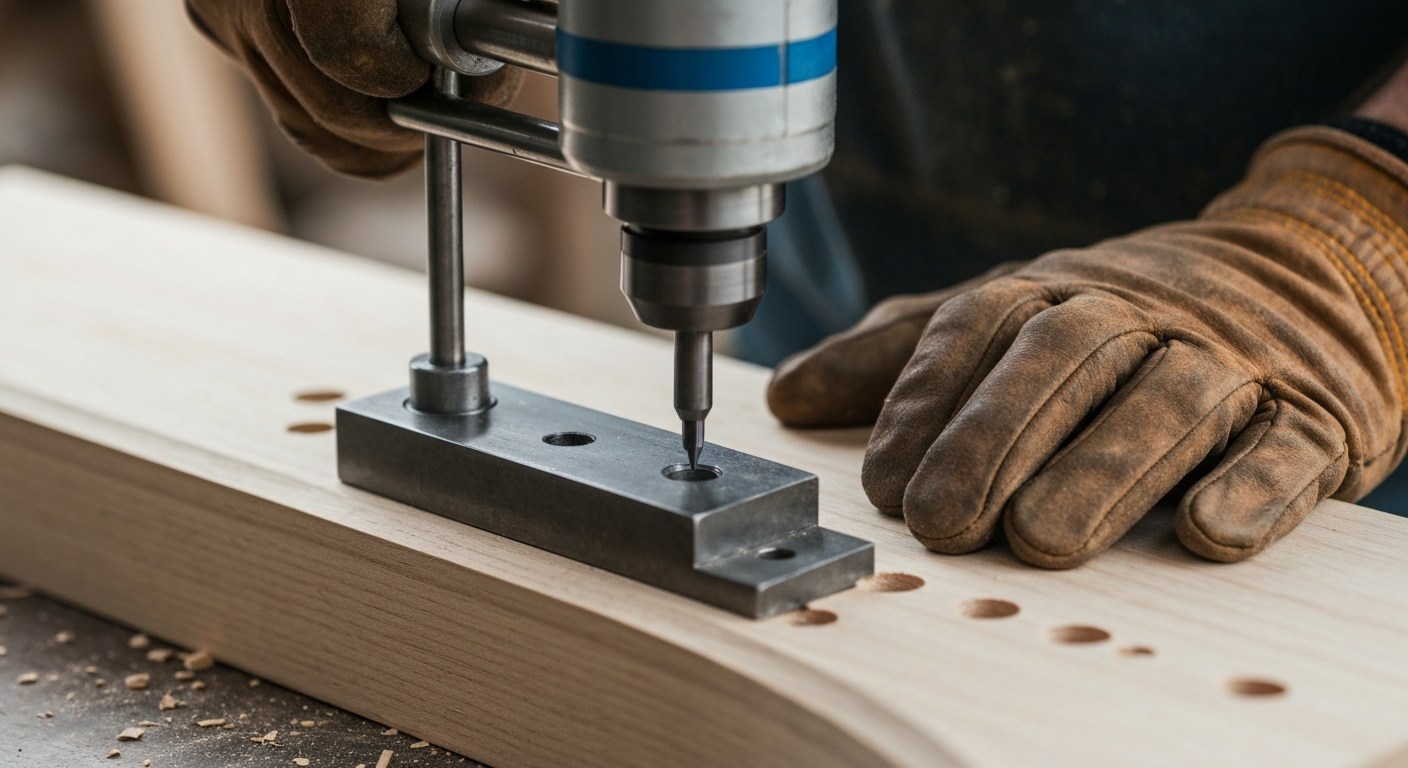
Precise dowel holes
If you often assemble furniture or put up shelves, a dowel jig kit such as the
is worth considering. Such kits guarantee exact right-angle drilling and perfect dowel spacing, greatly increasing stability.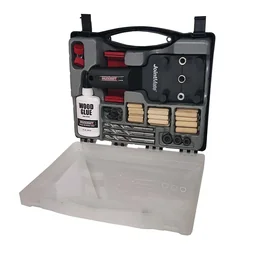
Saws for tight spaces
A good universal pocket saw, such as the
, makes precise cuts in confined corners and is ideal for accurate cuts in interior finishing. The cutting length and blade quality are the decisive factors here.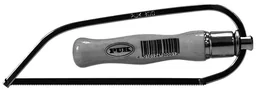
Comprehensive socket sets
For demanding mechanical or assembly work, a large, complete socket set such as the
is essential. It saves time and frustration because you have the right socket ready for every screw. Sets with specialist bits for security screws or hex socket screws are particularly valuable.
Note: Availability of specialist tools may vary. Before a planned project, check whether the tool you need is in stock, or consider a comparable alternative.
Care and storage
Well-maintained tools last a lifetime. Here's how.
Cleaning after use
Always wipe off dirt and moisture immediately. Resin from wood or surface rust can be removed with suitable cleaners. Always dry tools thoroughly.
Rust protection and sharpening
A very thin film of tool oil protects steel parts from corrosion. Cutting tools such as saws and chisels need to be sharpened regularly. A blunt tool is dangerous and inefficient.
Storage systems
A toolbox with fitted inserts or a shadow board system in the workshop prevents pointless searching and protects tools from damage caused by being left loose. Find your system in the Tools section.
Buying guide: How to make the right choice
Ask yourself these questions before buying.
How often will I use the tool?
For occasional use, a solid mid-range tool is often sufficient. For daily professional use, investing in professional-quality brands is worthwhile.
What kind of work will I be doing?
Buy with purpose. A DIYer assembling furniture needs different tools from someone restoring classic cars. Browse our Hand Tools category for a comprehensive selection.
How important is ergonomics?
Try to hold the tool if possible. Does it feel good in your hand? Is the weight comfortable? You won't enjoy using an uncomfortable tool.
Comparison of the best hand tools 2026
The following table summarises the tested highlights for you. See the most important features and uses at a glance.
The highest-rated hand tools from our range compared directly:
| Model | Customer rating | Availability |
|---|---|---|
| "Dowel Jig Kit" dowel set incl. automatic dowel jig and accessories | – | Currently unavailable |
| "Feierabendhammer" - hammer with bottle opener including Jägermeister herbal liqueur, 0,02 l | – | Currently unavailable |
| "Feierabendhammer" - hammer with bottle opener | – | Currently unavailable |
| "Puk" universal pocket saw - 150 mm cutting length | – | Currently unavailable |
| "XXL Master-Wrench-Set" | – | Currently unavailable |
Choosing the right hand tools is an investment in the quality of your work and your own safety. Choose proven quality features, tailor your toolkit to your needs and maintain your tools regularly. With the right tools in hand, every project becomes a pleasure.
Frequently asked questions
- What should I look for in hand tool quality?
- Look for high-quality steel alloys for cutting and striking, precise workmanship without burrs and ergonomic, non-slip handles. Good tools sit securely in your hand and have no play in moving parts such as hinges.
- Is a basic set enough, or do I need specialist tools?
- A solid basic set covers 80% of all jobs. Specialist tools such as PRODUCT_81874 are only worthwhile if you frequently carry out specific tasks such as precise dowel drilling. Start with the basics and expand your toolkit as needed.
- How do I care for my hand tools properly?
- Remove dirt and moisture from tools after use. Store them in a dry, protected place. A thin film of oil prevents rust on steel tools. Sharpen cutting tools regularly to optimise both effort and results.
- Are expensive branded tools always worth the money?
- For professional, continuous use, almost always yes, thanks to their durability and safety. For the ambitious DIYer, many mid-range brands offer the best value for money. The cheapest tools often fail when it comes to precision and durability.
- How can I organise my hand tools most efficiently?
- Use well-designed storage such as toolboxes with fitted inserts, magnetic strips or shadow board systems in the workshop. This saves search time, protects your tools and gives you an immediate overview of what you have.