
In brief: Hardy tomato varieties are resistant to diseases such as blight and more tolerant of changing weather conditions. Varieties such as 'Phantasia F1', 'Primabella' and wild tomatoes need less care, require fewer sprays and are therefore ideal for easy outdoor growing, even for beginner gardeners.
The taste of a sun-ripened tomato picked straight from your own garden is unbeatable. But getting there can be challenging. Many gardeners know the frustration: as soon as the first fruits appear, blight spreads and destroys the crop. The solution lies in choosing the right variety. Opt for hardy tomato varieties that are naturally more resilient and save you a great deal of work and trouble.
These varieties are the result of careful breeding and have natural defences against the most common tomato diseases. They can also cope with an extra rain shower and do not necessarily need the protection of a greenhouse. This makes them the perfect choice for anyone who wants to use their own Garden + Outdoor area for growing vegetables easily and successfully.
Why are hardy tomato varieties the better choice for beginners?
If you are new to growing vegetables, choosing a hardy tomato variety is the key to success. Instead of constantly worrying about diseases and proper care, you can focus on watching your plants grow and looking forward to the harvest. These varieties are more forgiving of mistakes and produce good yields even in less-than-perfect conditions.
The main advantage is their high resistance to fungal diseases, especially the dreaded blight (Phytophthora infestans). It spreads rapidly in damp weather and can destroy entire crops within a short time. Hardy varieties have genetic defence mechanisms that make infection more difficult or even prevent it. For you, that means less need for plant protection products and a healthier harvest.
These tomatoes are also often more resistant to temperature fluctuations and unsettled weather. They are specifically suited to outdoor growing, making them ideal for gardens without a greenhouse. You start with a plant that gives you an advantage from day one.
What characteristics make a tomato variety hardy?
Hardiness is not a coincidence but a combination of several genetic characteristics. Once you know what to look for when choosing, you can confidently find the right variety for your garden.
Disease resistance: the most important factor
Built-in disease resistance is the key characteristic of hardy tomatoes. Look for information about resistance on seed packets or in plant descriptions. Resistance to blight is particularly important. Many modern varieties, often available as F1 hybrids such as
have a clear advantage here.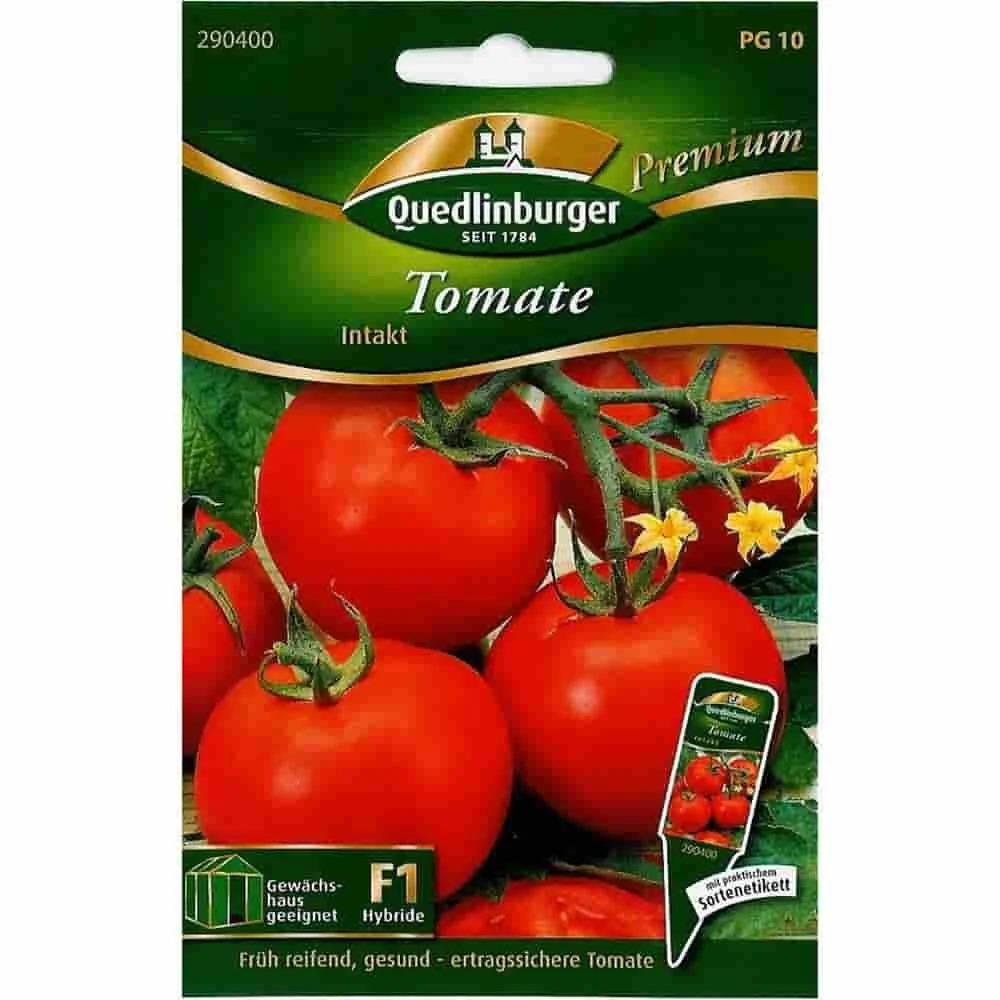
There are also resistances to other common problems such as leaf mould, Fusarium and Verticillium wilt, as well as various viruses. These resistances make the plants stronger and significantly reduce the amount of care they require. You will need to use Pest + Plant Protection products less often.
Additional advice
Pay attention to the difference between “resistant” and “tolerant”. A resistant variety is barely affected by a particular pathogen. A tolerant variety can still become infected, but shows only minor symptoms and continues to produce a good yield.
Growth habit and care requirements
Growth habit also affects how easy a tomato is to care for. Broadly speaking, there are indeterminate tomatoes, which grow tall and need regular pruning to remove side shoots, and bush tomatoes. Bush tomatoes grow more compactly and branch out more. They usually need less pruning and are often ready to harvest earlier.
Wild tomatoes are often particularly hardy. They grow very vigorously and need hardly any care, but produce countless small, highly aromatic fruits. They are an excellent choice if you are looking for an easy-care, productive snack tomato.
Location tolerance and weather resistance
A good outdoor tomato can cope with a changeable summer. It can tolerate cooler nights and even a period of rain without the fruit splitting immediately. These varieties are known as “crack-resistant”. Their skin is slightly thicker and more elastic. This characteristic is crucial for a successful harvest outdoors.
When choosing a variety, look specifically for resistance or tolerance to blight and leaf mould. This is the most important prerequisite for successful outdoor growing.
Which hardy tomato varieties are suitable for the garden?
There is a wide range of resilient varieties to choose from. From small cherry tomatoes to large beefsteak tomatoes, there is a suitable plant for every taste and purpose. Here is a selection of tried-and-tested varieties that perform well when grown outdoors.
Outdoor classics: 'Phantasia F1' and 'De Berao'
'Phantasia F1' is a modern variety and is considered one of the most blight-resistant cordon tomatoes. Its medium-sized, round fruits have a firm texture and classic, aromatic flavour. It is highly productive and reliable.
'De Berao' is an old, hardy variety originally from Russia. It is known for its high tolerance to cold and disease. Its firm, oval fruits are excellent for sauces and preserving, but also taste delicious fresh.
Cherry and snack tomatoes: 'Primabella' and 'Rote Murmel'
'Primabella' is an organically bred variety developed specifically for outdoor growing. It has excellent resistance to blight and produces sweet, crisp cherry tomatoes over a long period. Ideal for snacking straight from the plant.
'Rote Murmel' is a wild tomato and the definition of hardiness. It grows vigorously and does not need side shoots removed. The countless small, sweet fruits are a real delicacy. It often self-seeds and is almost immune to disease.
Beefsteak tomatoes for sauces and sandwiches: 'Moneymaker' and 'Harzfeuer F1'
'Moneymaker' is an old English variety known for its reliability and high yield. Although it is not highly resistant, it is very hardy and performs well outdoors. Its fruits are juicy and ideal for salads and sandwiches.
'Harzfeuer F1' is a legendary East German variety and one of the most popular varieties in Germany. It matures early, resists cracking and is relatively hardy. The flavour is fruity, sweet and well balanced. A great all-round tomato.
Expert tip
Look out for the abbreviations on the seed packet. Letters such as 'F' (Fusarium wilt), 'V' (Verticillium wilt), 'N' (nematodes) or 'Tm' (tobacco mosaic virus) provide information about a variety's specific resistances. This helps you find the right plant for the conditions in your garden.
How do you plant and care for hardy tomatoes correctly?
Even the hardiest variety benefits from good initial conditions and the right care. With a few basic techniques, you can maximise your harvest and keep your plants fit and healthy. When preparing the bed, a tool such as the
can help remove weeds and loosen the soil. Protect your hands while gardening with sturdy gloves such as these .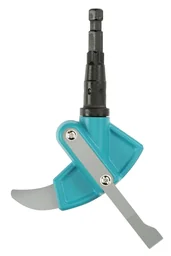

The ideal location and soil
Tomatoes love sunshine. Choose the sunniest and warmest spot in your garden. Good air circulation is also important so that the leaves can dry quickly after rain. A spot under an eave on the south side of the house is ideal, but not essential.
The soil should be deep, loose and rich in nutrients. Before planting, work in mature compost or an organic fertiliser. Tomatoes are heavy feeders and need plenty of nutrients for strong growth. You can find suitable plant and flower fertiliser in the Westfalia range.
Watering correctly: less is often more
This is one of the most important rules when growing tomatoes. Always water your plants from below, directly onto the root area. Wet leaves provide an entry point for fungal diseases. Use a watering can without a rose or a special nozzle such as the
with a gentle spray.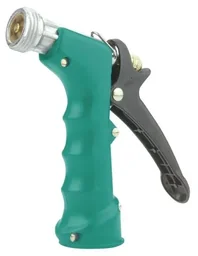
Water thoroughly, but not too often. The surface of the soil should be allowed to dry out between waterings. This encourages the roots to grow deeper, making the plant more stable and drought-tolerant.
Important note
Never water tomatoes from above over the leaves. Moisture on the foliage, especially overnight, is the main trigger for the dreaded blight. It is best to water in the morning so that the plant can dry out well during the day.
Supporting and removing side shoots: is it also necessary for hardy varieties?
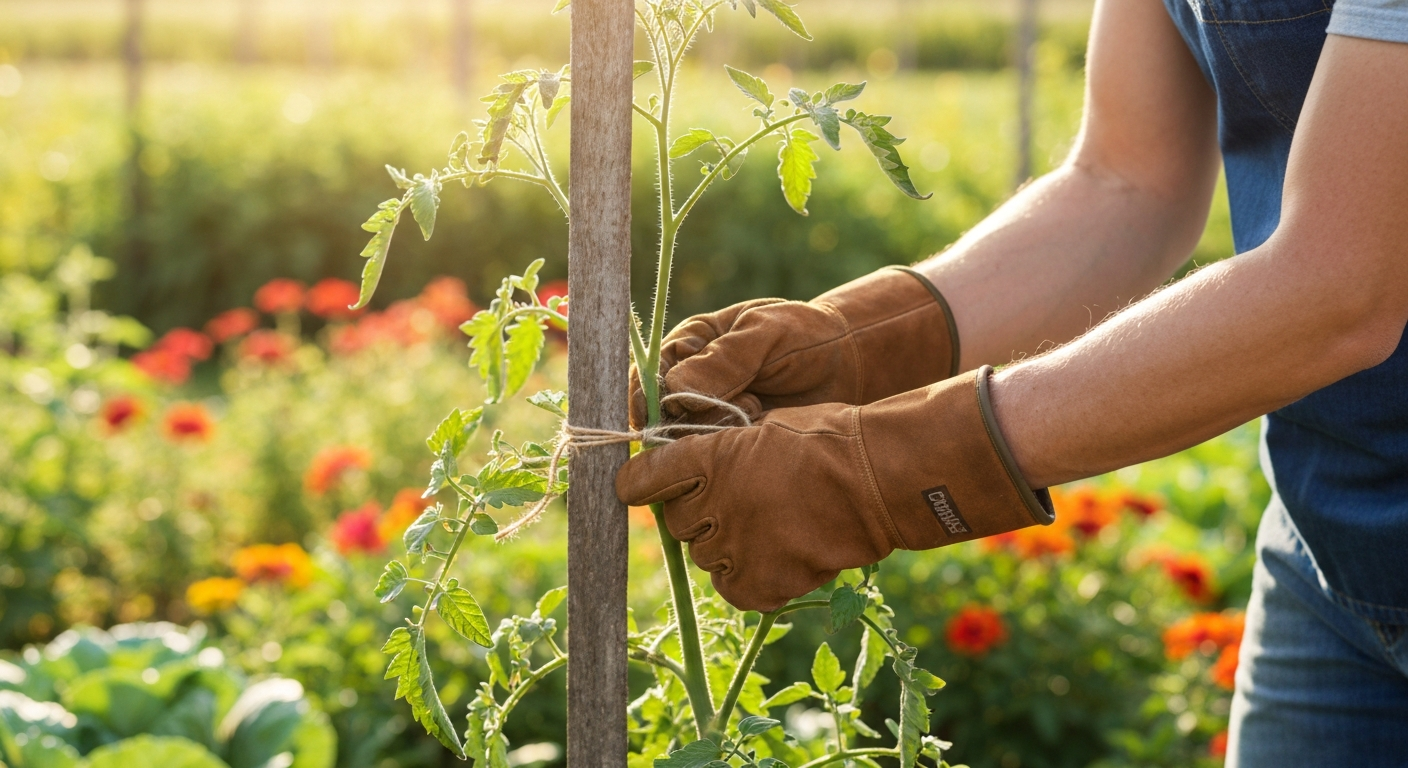
Cordon tomatoes need support to prevent them from bending or breaking under the weight of the fruit. Spiral supports, wooden stakes or strings are suitable for this. Tie the main stem loosely at regular intervals. Suitable garden and plant accessories make this task easier.
Removing side shoots, meaning breaking out the small shoots that grow in the leaf axils, is recommended for cordon tomatoes. It improves ventilation and directs the plant's energy into the fruit rather than leaf growth. This is not necessary for bush and wild tomatoes.
Preventing diseases: How to keep your tomatoes healthy
Choosing a hardy variety is half the battle. With additional preventive measures, you can create an environment where diseases are unable to spread in the first place.
Prevention is the best protection against plant diseases. It starts with choosing the right variety and continues with proper cultivation.
Crop rotation and companion planting
Do not plant tomatoes in the same spot every year. A four-year rotation is ideal for preventing soil-borne diseases. Never plant tomatoes directly next to or after potatoes, as both can be affected by blight.
Good neighbours in the garden bed include basil, parsley, garlic and marigolds. They can help keep pests away and promote healthy soil life.
Plant spacing and ventilation
Give each plant enough room. A distance of 60-80 cm between plants in the row allows air to circulate well. The leaves dry more quickly, making it harder for fungi to thrive. Remove the lower leaves up to the first fruit truss once the plant has grown taller. This further improves ventilation and prevents pathogens from splashing up from the soil onto the plant.
Choosing the right hardy variety lays the foundation for a plentiful, trouble-free tomato harvest. Give it a try and enjoy the unbeatable flavour of your own healthy tomatoes. At the Westfalia shop, you will find a wide selection of tomato seeds and all the accessories you need for successful cultivation.
Frequently asked questions
- Which tomato variety is the most disease-resistant?
- Wild tomatoes such as 'Rote Murmel' are considered extremely hardy. They are hardly susceptible to disease and can cope with almost any conditions. Among cultivated tomatoes, modern F1 hybrids such as 'Phantasia F1' and 'Primabella' are often the most robust choice because they have been specifically bred for disease resistance.
- Do hardy tomatoes still need their side shoots removed?
- That depends on the growth habit. Hardy cordon tomatoes should still have their side shoots removed to direct energy into fruit production and ensure good ventilation. Bush and wild tomatoes grow more compactly and generally need little or no pruning.
- Can hardy tomato varieties also be grown in pots?
- Yes, many hardy varieties, especially compact bush tomatoes and cherry tomatoes, are ideally suited to growing in large pots on a balcony or patio. Choose a pot with a capacity of at least 20 litres and good drainage to prevent waterlogging.
- Do outdoor tomatoes need rain protection?
- Rain protection, such as an overhanging roof or a dedicated tomato greenhouse, is always beneficial because it keeps the foliage dry and significantly reduces the risk of fungal diseases. However, many hardy outdoor varieties can also grow without it if they are planted in a sunny, well-ventilated spot.
- What does "F1 hybrid" mean for tomatoes?
- F1 hybrids are the first generation produced by crossing two pure-bred parent lines. They combine the positive characteristics of both parents, such as high yields or disease resistance. However, you cannot use seed from F1 plants for the next sowing because the characteristics will separate again.
You may also be interested in
- Tomato varieties: The best choices for gardens, balconies and raised beds
- Hardy plants: Your route to an easy-care dream garden
- Hardy apple varieties for your garden
- Growing tomatoes: Your guide from seed to abundant harvest
- Growing truss tomatoes: How to achieve a plentiful garden harvest
- Hardening off tomatoes: Hardy plants for a plentiful harvest