
In brief: A well-stocked home first aid kit is essential for treating minor injuries and everyday illnesses. Our 2026 review and comparison explains what to look for when choosing one. We assess a range of products and kits based on their contents, quality, and suitability for different households. The right home first aid kit is well organized, complete, and stored safely.
A well-stocked home first aid kit is your first stop for minor health problems. It helps you treat injuries quickly and ease early symptoms until you can see a doctor. Our 2026 home first aid kit review and comparison covers a range of products and kits. We explain what matters when putting a kit together and which supplies are especially useful.
Contents
What should be in a home first aid kit?
Many people ask themselves this question. The answer depends on the size of your household and your individual needs. A single-person household needs different supplies than a family with young children.
Still, there are some basics that make sense for everyone. You should always keep them on hand.
Essential supplies for your home first aid kit
Wound care supplies are essential. These include adhesive bandages in various sizes, sterile gauze pads, cohesive bandages, and scissors.
Wound disinfectant and disposable gloves are just as important. Don't forget tweezers and a tick remover.
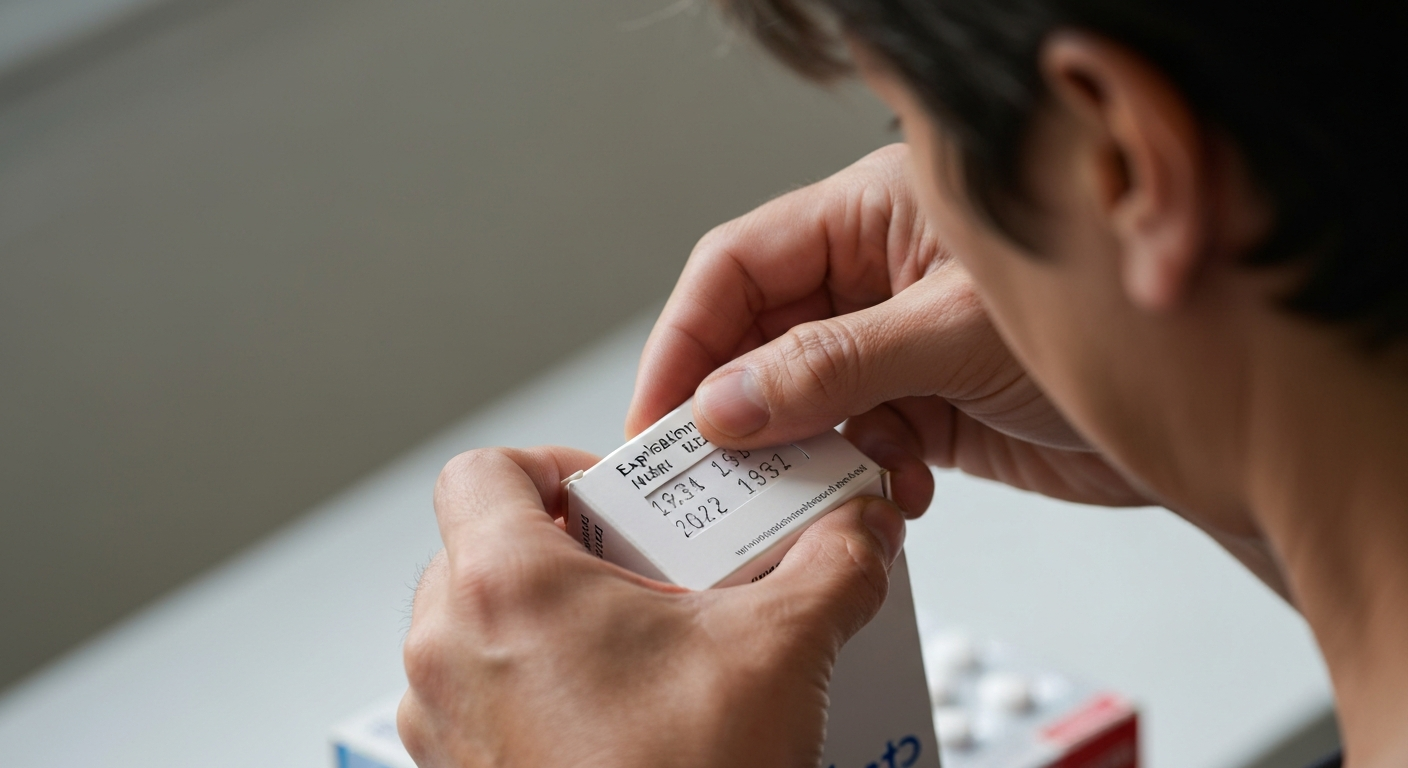
Important: Always keep your home first aid kit out of children's reach. A lockable cabinet or a high shelf is ideal. Check expiration dates regularly.
First aid supplies: bandages, gauze, and more
First aid supplies are the most frequently used items in your home first aid kit. Look for quality products that are gentle on skin.
Adhesive bandages should be breathable and painless to remove. Special home first aid kit sets often include a good selection.
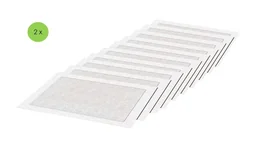
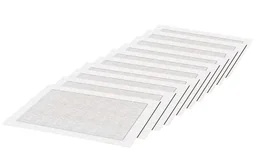
Special products such as , or Gina Su bamboo plasters offer an alternative to conventional adhesive bandages. They are designed as wellness plasters.
For larger wounds, you'll need sterile wound dressings and elastic bandages. Include a roll of medical tape to secure dressings, too.
Which medicines should you keep on hand?
Along with first aid supplies, certain medicines are useful to have on hand. In this case, less is often more. Focus on a few effective remedies.
Keep a pain reliever and fever reducer such as ibuprofen or acetaminophen on hand. Medicine for diarrhea and nausea can also be useful.
If anyone in your household has allergies, keep antihistamines on hand. A decongestant nasal spray can help relieve cold symptoms.
Note: Ask your doctor or pharmacist for advice when choosing medicines for your home first aid kit. They know your health situation best and can make recommendations tailored to you.
Home remedies and natural products
Many people also rely on tried-and-true home remedies. These can be useful additions to your supplies.
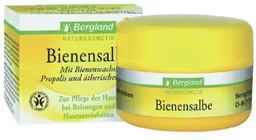
Bee ointment is one example of a natural product. It can be used for minor skin irritations.
Chamomile tea, a hot water bottle, and quark compresses can also be useful for home care. However, they are no substitute for medical treatment.
<
Useful health monitoring devices
Health monitoring devices can help you assess your health. They provide objective information to share at your doctor's appointment.
A fever thermometer is the most important device. Digital models are fast and accurate. An ear or forehead thermometer is especially practical for children.
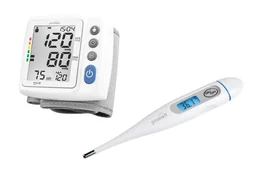
A blood pressure monitor is useful for people at risk of high blood pressure. The 2-in-1 set combines a wrist blood pressure monitor with a digital fever thermometer. It gives you two important devices in one purchase.
A blood glucose meter is only necessary if someone in your household has diabetes. Otherwise, it isn't part of a standard home first aid kit.
Tip: Record important readings, such as blood pressure or temperature, in a health journal. Note the date, time, and reading. These records can be very helpful to your doctor.
Proper storage and care
A disorganized home first aid kit is no help in an emergency. Keeping everything organized and easy to find saves valuable time.
Use a dedicated box or case with compartments. Label each section clearly, for example, “First aid supplies,” “Medicines” or “Measuring devices.”
Store your kit in a cool, dry, dark place. Bathrooms and kitchens are often unsuitable because humidity levels can fluctuate.
A central location in the hallway or bedroom is a better choice. Make sure every adult in the household knows where it is.
Regular checks are essential
Check the entire contents at least once a year. Remove expired medicines and first aid supplies.
Check creams and ointments for changes in consistency or smell. Discoloration or a change in texture may indicate spoilage.
Replace used supplies right away. Keep a checklist so you don’t forget anything. This is part of responsible health care.
Buying guide: How to choose the right home first aid kit
Should you buy a complete kit or put one together yourself? Both options have advantages and disadvantages.
Pre-assembled kits provide a solid selection of basic supplies. They are often neatly packaged and include the essentials. However, the quality of individual items can vary.
Putting together your own kit gives you more control. You can choose each product to suit your preferences. This option often costs more and takes longer.
What to look for
First, consider the size and contents. Is the kit suitable for your household? Does it include specific products for children or people with allergies?
Pay attention to the quality of the first aid supplies. Sterile packaging and hypoallergenic bandages are essential. For medicines, choose well-known, trusted brands.
The storage case itself should be sturdy and practical. A transparent lid or clear labels make it easier to find what you need.
Consider your household as a whole. Where will you keep the kit? Is there enough room for the box you have chosen?
Comparing the best products
Our 2026 home first aid kit review compares different approaches. Here you’ll find a selection of products that make a good starting point or useful addition.
Here’s a side-by-side comparison of the top-rated home first aid products in our range:
| Model | Customer rating | Availability |
|---|---|---|
| 2-in-1 set: wrist blood pressure monitor “HGP-30”, white/grey + digital fever thermometer “PFT-3,7” | – | Currently unavailable |
| Ballistol Stichfrei Animal 5L canister: insect repellent for animals, bulk pack | – | Currently unavailable |
| Ballistol Teflon Spray - Lubrication & protection, 200 ml | – | Currently unavailable |
| Ballistol Teflon Spray 400ml - Lubrication and protection for equipment | – | Currently unavailable |
| Bamboo plasters “Gina Su”, vitality plasters, 10 pieces | – | Currently unavailable |
Conclusion and recommendation
The right home first aid kit depends on the people in your household. Start with a solid selection of supplies for treating wounds.
Add the medicines you need and a reliable fever thermometer. Check your kit regularly and store it safely out of children's reach.
A well-maintained home first aid kit helps you handle minor everyday emergencies. It also plays an important role in your family’s health and safety.
Frequently asked questions
- What should every home first aid kit contain?
- Basic supplies include bandages, gauze and scissors. You should also have disinfectant, pain relievers and fever reducers, a fever thermometer, and medicines for diarrhea and nausea. Tailor the contents to your family’s needs.
- Where should I store my home first aid kit?
- Keep your home first aid kit in a cool, dry, dark place, such as a lockable cabinet in the hallway. Keep it out of children's reach but easy for adults to access in an emergency. Avoid storing it in the kitchen or near a bathroom window.
- How often should I check my first aid kit?
- Check your home first aid kit at least once a year. Check the expiration dates on all medicines and first aid supplies, and replace expired items right away. Make sure the kit is complete and everything is still fit for use.
- Do I need special first aid products for children?
- Yes, it’s a good idea. Choose child-friendly medicines with age-appropriate doses. Use colorful bandages in child-friendly sizes. Store these products separately and teach children how to use them correctly.
- Are pre-assembled home first aid kits a good choice?
- Pre-assembled kits offer a useful selection of basic supplies and save time when you’re putting together a kit for the first time. However, they may not include everything you need. Add any medicines you personally need and other specific first aid supplies.