
In brief: Healthy houseplants need the right combination of light, water and growing medium. Most care problems are caused by overwatering or an unsuitable location. Assess your plant’s natural conditions and adjust its care accordingly. Check regularly for pests and indoor plant diseases so you can respond early.
How to Care for Houseplants: Healthy Greenery Basics
Your houseplants are more than decoration. They are living organisms with specific needs. Successful houseplant care starts with understanding these needs. Light, water and growing medium are the three pillars.
Many care mistakes come from good intentions. Too much attention often does more harm than too little. This guide will help you read the signals your plants are giving you.
How do I find the perfect location for my plant?
The location can make or break your plant’s health. Light is the most important factor. Use the plant’s natural habitat as a guide.
A desert succulent needs full sun. A rainforest fern thrives in shade. Most popular houseplants prefer bright, indirect light.
The different light conditions in your home
Bright and direct means a spot by a south-facing window with several hours of sunlight each day. Cacti and many succulents feel at home here.
Bright and indirect is the ideal middle ground. Choose a spot slightly away from the window or by an east- or west-facing window without intense midday sun. Monsteras, pothos and rubber plants love these conditions.
Shady areas are more than three metres from a window or in north-facing rooms. Only specialised plants such as peace lilies or cast-iron plants can cope with these conditions.
Pro tip
Observe how the sun moves through your rooms over an entire day. A spot that is sunny in the morning may be shaded in the afternoon. This observation is more valuable than any general rule.
Ignoring temperature and humidity
Alongside light, climate factors also play a role. Most houseplants prefer temperatures between 18 and 25 degrees Celsius. Draughts from doors or windows stress them.
Humidity becomes a particular problem in winter. Dry heating air dries out leaves and encourages pests such as spider mites. Do not place your plants directly above a radiator.
A group of plants increases local humidity. A room fountain or regular misting can also help. Find more ideas for a better indoor climate in our Garden + Outdoor category.
How do I water my houseplants correctly?
Overwatering is the most common care mistake. It causes root rot, a serious indoor plant disease. The roots suffocate and decay, causing the plant to wilt from the bottom up.
Less is often more. Learn how to assess the moisture content of the growing medium correctly.
The finger test and other methods
Push your finger about two centimetres into the soil. If it feels dry, it is usually time to water. If it feels damp or cool, wait.
A moisture meter is helpful for large pots. It shows the water level in the root zone, helping you avoid being misled by the surface.
Important note
Never water according to a calendar. A fixed day of the week ignores the weather, the season and the plant’s individual growth. Instead, check the plant’s actual needs regularly.
The right watering technique
Water thoroughly until water runs out of the drainage holes. This ensures all the roots are reached. Then let the pot drain well.
Remove standing water from the cachepot or saucer after 15 minutes. Waterlogging is fatal. Instead, use a layer of drainage material such as expanded clay at the bottom of the pot.
For an optimal water supply for larger plant collections, take a look at our Plumbing + Irrigation range.
Most plants tolerate short dry periods better than constantly wet soil. Learn to accept slight wilting as a signal that it is time to water. This also strengthens the roots.
Which growing medium and pot are ideal?
Standard potting soil is not suitable for every plant. It often becomes compacted and retains too much water. Specialised growing media solve this problem.
Orchids need coarse bark. Cacti require mineral, free-draining mixtures. Good air circulation around the roots is crucial.
Why drainage matters
A drainage hole is non-negotiable. Without one, you have no control over excess water. The pot becomes a bathtub.
A drainage layer of gravel or expanded clay beneath the soil improves the situation further. It directs water away from the roots.
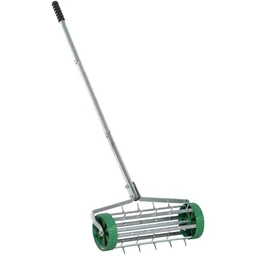
There are practical tools for aerating the root zone, similar to those used in the garden. A product such as the
When do I need to repot?
Repotting becomes necessary when the roots have completely filled the pot. They may grow out of the drainage holes or form a thick mat across the top of the soil.
The new pot should only be about two to three centimetres larger in diameter. A pot that is too large stays wet for too long and encourages rot.
Additional advice
The best time to repot is spring, when plants enter their growing phase. Use fresh, high-quality potting soil and water moderately afterwards so you do not overwhelm the stressed roots.
How can I identify and treat houseplant diseases?
Pests and fungi spread quickly indoors. Regular checks are your best defence. Pay particular attention to the undersides of leaves and the leaf axils.
Common pests on houseplants
Aphids gather on young shoots and buds. They suck plant sap and leave behind sticky honeydew. Spider mites produce fine webs and cause yellow speckling.
Scale insects look like small, brown bumps on stems and leaf veins. They are particularly persistent. Mealybugs leave behind cotton-like, white webs.
For initial mechanical control, damp cloths or a mild soapy solution can help. Persistent infestations require specialised products. You can also find information about plant protection in the Fertilisers category and related articles.
Isolate an infested plant immediately. Pests quickly spread to neighbouring plants. Do not treat only the affected plant; inspect all nearby plants thoroughly over several weeks.
Fungal diseases and physiological disorders
Grey mould appears as a fluffy, grey coating on leaves. It occurs when humidity is too high and air circulation is poor.
Powdery mildew forms a floury, white coating on the leaf surface. Downy mildew causes yellowish spots on the upper surface and a grey fungal growth underneath.
However, many spots and discolourations are not caused by fungi. They result from sunburn, water that is too cold, nutrient deficiencies or fluoride in the water. Analyse your care routine before resorting to chemicals.
How do I provide my plants with nutrients?
Fertilising is a supplement, not the basic source of nourishment. The main nutrients are nitrogen (N) for leaf growth, phosphorus (P) for roots and flowers, and potassium (K) for overall vitality.
Choosing the right fertiliser
Liquid fertiliser works quickly and is easy to dose. It is added to the watering water. Slow-release fertiliser in the form of sticks or cones releases nutrients over several months.
For flowering plants, choose a fertiliser with a higher phosphorus content (e.g. NPK 7-6-5). For foliage plants, a balanced or nitrogen-rich fertiliser is better (e.g. NPK 8-3-5). A product such as provides this balanced nutrient supply for most houseplants.
The annual fertilising schedule
Only fertilise during the growing season from March to September. Stop feeding your plants completely in winter.
Follow the dosage recommendations on the packaging. Overfertilising burns the roots and causes salt to build up in the pot. Less is more here too.
Good basic nutrition starts with the right potting soil. High-quality specialist soils are often pre-fertilised. Browse for more products in our Garden + Plant Accessories department.
Practical helpers for everyday care
The right tools make plant care easier and more precise. They protect both your plants and your hands.
A watering can with a long, narrow spout delivers water precisely to the soil without wetting the leaves. A spray bottle increases humidity and removes dust from the leaves.
A substrate test kit measures pH and nutrient levels. This is particularly useful for demanding plants or when problems arise. For regularly checking soil moisture in larger pots, a simple meter such as the is a worthwhile investment.
With knowledge and attention, you develop a feel for your houseplants. You learn to understand their language. That is the key to sustainable houseplant care.
Frequently asked questions
- How often should I water my houseplants?
- There is no fixed rule. Water requirements depend on the plant species, pot size, substrate and time of year. Test the soil with your finger: if the top two centimetres are dry, it is usually time to water. Succulents need water less often than tropical foliage plants.
- Why does my plant have yellow leaves?
- Yellow leaves are a common symptom. The cause is often waterlogging and root rot, but it may also be a nutrient deficiency, air that is too dry or a location that is too dark. First check the roots for rot and review your watering routine before fertilising.
- What is the ideal location for a Monstera?
- Monstera thrives in bright, indirect light without intense midday sun. A spot one to two metres from an east- or west-facing window is perfect. Direct sunlight burns the leaves, while too much shade inhibits its characteristic leaf growth.
- How can I identify spider mites on houseplants?
- Spider mites appear as fine, white webs on the undersides of leaves and in the leaf axils. The leaves often look speckled or silvery. In severe infestations, they curl up. Dry indoor heating air encourages these pests.
- Do I need to fertilise my foliage plants in winter?
- No. In winter, most houseplants reduce their growth because of the lower light levels. Fertilise from March to September and stop feeding completely in winter. This prevents salt from building up in the substrate and avoids root damage.
You may also be interested in
- How to care for foliage plants: Tips for healthy leaves
- Optimal plant care: The basics for healthy gardens
- Container and houseplants: Care tips for green oases
- How to care for houseplants: Avoid 7 common mistakes
- How to fertilise houseplants properly: Encourage lush growth
- Create an urban jungle: Houseplants for your home