
In brief: The gentlest way to clean a leather sofa is to use a soft, slightly damp microfiber cloth to remove dust and mild, pH-neutral soap for stains. Always dab dirt carefully—never rub. Finish by conditioning the leather with a specialist care product such as PRODUCT_121252 to keep it supple and prevent it from drying out. Avoid harsh cleaners and excess moisture.
Why proper leather sofa care is so important
A leather sofa is an investment. With proper care, it can last for decades and develop a beautiful patina. However, cleaning it the wrong way can quickly damage the surface.
Leather is a natural material that needs moisture and oils to stay supple. Dust and dirt can act like sandpaper and dry it out.
Regular care helps prevent cracks, preserve the colour and save money in the long run. A well-maintained sofa retains its value and character.
Before cleaning: What you need to know
Recognising the different types of leather
Not all leather is the same. The right cleaning method depends on the finish. Smooth leather and aniline leather are open-pored and sensitive. Embossed or coated leather has a protective layer and is more durable.
Find out what type of leather your sofa is made from. Check the manufacturer's information or test a hidden area with water. A drop of water is absorbed immediately by aniline leather.
“The most common mistake is assuming all leather is the same. Caring for nubuck is very different from caring for smooth, coated sofa leather. If in doubt, always choose the gentlest method.”
The right tools for leather care
Use soft, lint-free microfiber cloths. They are gentle on the surface and remove dust effectively. Cotton cloths can leave fibres behind.
For basic cleaning, you need a mild, pH-neutral soap. Specialist leather care products such as
or are ideal. They clean and condition in one step.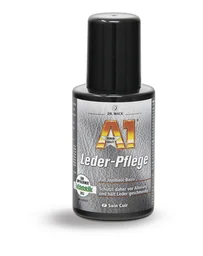
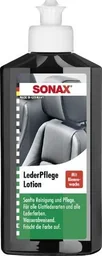
Keep
handy. These specialist wipes are made for leather and are ideal for quick touch-ups or applying conditioning creams.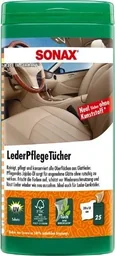
Step by step: How to clean your leather sofa properly
Step 1: Vacuum and dust thoroughly
Remove all the cushions. Vacuum the seating surfaces and crevices using an upholstery attachment on low suction. This removes crumbs and loose dirt.
Wipe the entire surface with a dry microfiber cloth. Work along the seams to remove dust effectively. This helps prevent you from rubbing dirt into the leather later.
Pro tip
Before you start cleaning, place an old blanket or a tarpaulin under the sofa. This protects your floor from drips and catches anything that falls.
Step 2: Mix a mild cleaning solution
Avoid harsh chemicals. Mix one liter of lukewarm water with a splash of pH-neutral hand soap or specialist leather soap.
Stir gently until the solution is slightly foamy. Lightly dip a second microfiber cloth into it, then wring it out thoroughly. The cloth should be almost dry.
“The rule is: as wet as necessary, as dry as possible. Standing water is one of leather’s biggest enemies, along with the sun. It can leave water marks and even cause the seams to swell.”
Step 3: Wipe carefully and let it dry
Wipe the leather with the damp cloth using even, broad strokes. Work in sections and don’t scrub.
After each section, use the dry cloth to gently dab away any moisture. Then leave the sofa to air-dry completely for twelve to twenty-four hours. Keep it away from radiators and direct sunlight.
Important note
Always test a cleaning solution on an inconspicuous area first, such as the back of the sofa or underneath a seat edge. This helps ensure it won’t affect the colour or texture.
Professional care: How to keep your leather supple
Choosing the right care product
Once the sofa is clean, it’s time to condition it. A good care product such as
—or a similar product—replenishes the oils and moisture the leather has lost.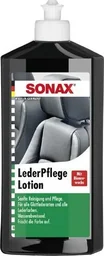
Look for products without silicone oils. These sit on the leather like a film and clog its pores. Natural ingredients such as lanolin or beeswax are ideal.
For regular care, handy care wipes from the furniture accessories category are also useful. They’re quick to grab and conveniently pre-dosed.
Applying leather care products
Apply a small amount of care lotion to a soft cloth. Spread it thinly and evenly over the clean, dry leather.
Let the conditioner soak in according to the manufacturer's instructions, usually for ten to fifteen minutes. Then use a clean, dry cloth to buff away any excess until the surface looks matte and no longer feels greasy.
Additional advice
Don’t condition just the seating surfaces. The backrest, sides and armrests need care too. These areas can get a lot of use and dry out faster, especially on children's seating.
How to Remove Common Stains from a Leather Sofa
Grease and Oil Stains
Immediately sprinkle cornstarch or baby powder over the stain. The powder absorbs the grease. Leave it on for several hours, ideally overnight.
Carefully vacuum up the powder. Wipe away any residue with a slightly damp cloth and mild soapy water. Repeat the process for stubborn stains.
Water Stains and Moisture
Immediately wipe up any excess liquid with an absorbent cloth. Dab—do not rub.
Allow the area to air-dry. If a ring forms around the edge, treat the entire surface with the mild cleaning solution to even out the color.
Ballpoint Pen and Colored Pencil Marks
First, try using a white eraser. Gently rub it over the mark.
Special leather-cleaning sponges or pens are available for permanent marker stains. Use them carefully. For valuable furniture, consult a professional.
Protection and Prevention: How to Prevent Dirt and Stains
The Right Place for Your Leather Sofa
Do not place the sofa directly in front of a window with strong sunlight. UV rays fade the leather and make it brittle.
Also avoid placing it near heaters or fireplaces. Dry heat removes the leather's natural moisture.
Practical Everyday Protection
Use blankets or throws on areas that get frequent use. This protects against direct soiling from body oils or creams.
For expensive or light-colored sofas, professional treatment by a specialist is worthwhile. It protects against stains and makes cleaning easier.
Protection is essential for outdoor leather furniture. A clear outdoor furniture cover protects against rain, bird droppings, and UV rays without blocking the view of your beautiful furniture.
When to Call a Professional for Your Leather Sofa
Deep cracks, extensive discoloration, or mold require the expertise of a furniture restorer. DIY methods can do more harm than good in these cases.
A professional has specialized tools, dyes, and materials. They can recolor the leather, repair cracks, and restore its original texture.
The investment is particularly worthwhile for high-quality, antique, or heirloom furniture. It can extend its lifespan by many years.
For transporting furniture to a restorer or when moving, furniture dollies can help. They protect your sofa, your home, and your back.
Frequently Asked Questions
- How often should I clean and condition my leather sofa?
- Dust your leather sofa weekly with a dry microfiber cloth. More thorough cleaning with a mild cleaner is only necessary when there is visible dirt, about every three to six months. Depending on the room's climate and how often the sofa is used, apply leather care products such as PRODUCT_110509 every one to three months to keep the leather supple.
- Can I use home remedies such as olive oil to condition leather?
- Experts advise against home remedies such as olive oil or milk. These can turn rancid, leave sticky residue, and block the leather's breathability. Instead, use specialized leather care products such as PRODUCT_94905. These are designed for furniture leather, won't leave it greasy, and provide optimal protection.
- What should I do about stubborn stains such as ballpoint pen or red wine?
- Act immediately when dealing with stubborn stains. Blot liquids with paper towels. Use a specialized leather cleaner for permanent marker stains. Always test any product on an inconspicuous area first. For intensely colored stains such as red wine, consult a professional immediately to prevent color changes.
- Does direct sunlight damage my leather sofa?
- Yes, direct and prolonged exposure to sunlight can seriously damage leather. UV rays fade the color and cause the material to dry out, become brittle, and crack. Position your sofa away from the window or protect it with curtains. Protective covers are essential for outdoor leather furniture.
- Can I vacuum my leather sofa?
- Yes, vacuuming is ideal for removing crumbs and dust from crevices. Use an upholstery attachment with a soft brush and reduced suction. Move gently over the surface and watch out for sharp metal parts on the vacuum that could cause scratches. Always remove larger pieces of dirt before vacuuming.
You May Also Be Interested In
- How to Clean a Sofa: Remove Stains and Care for Upholstery
- How to Clean Upholstered Furniture: Remove Stains and Freshen It Up
- How to Clean a Bathtub: Effective Home Remedies for a Sparkling Finish
- How to Clean an Awning: Tips for Keeping It Clean Longer
- How to Remove Grease Stains from Paper, Cardboard, and More
- How to Remove Permanent Marker Stains: Effective Home Remedies and Professional Tips