
In brief: You can clean patio cushions effectively by checking the care label first. For most covers, brush off loose dirt, treat stains with mild dish soap and wash them in the machine at a low temperature. Always air-dry the cushions. Regular deep cleaning and using patio furniture covers can significantly extend their lifespan.
How do I clean patio cushions properly?
Always start by checking the material. Look for the care label on your seat pad or cushion. It tells you whether the cover can be removed and which cleaning products you can use. If there is no label, assume that gentle hand washing is best.
Brush off loose dirt, such as soil or leaves, with a soft brush. Beat the cushions to remove any remaining debris. If the covers are removable, carefully unzip them. If a zipper is stuck, apply a little soap or candle wax.
For most fabrics, lukewarm water with a splash of mild dish soap works well. Always test the mixture on a hidden area first. Dip a soft sponge into it, wring it out well and clean the fabric using circular motions.
For deep cleaning outdoor fabrics, water and pH-neutral soap are often enough. Harsh chemicals can damage the water-repellent finish and harm the fibers.
Machine-washing removable covers
Many patio cushions, such as the or the are designed for machine washing. Use a wool or delicate cycle at a maximum of 30 or 40 degrees. Do not use fabric softener or bleach, as these can destroy the water-repellent finish.
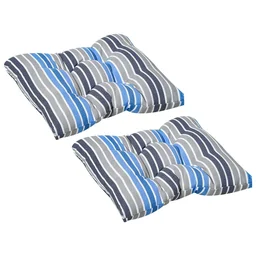
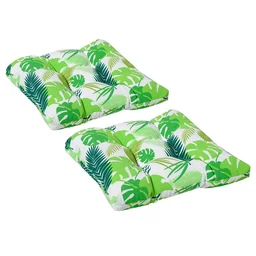
Zip up all covers before washing. This keeps the zippers from catching on other fabrics and causing damage. Do not overfill the drum. The cushions need room to move and rinse thoroughly.
Expert tip
Add a clean, dry towel to the washing machine. It helps loosen dirt from the cushions through gentle friction. Choose a light-colored towel that does not shed lint.
Which household remedies work for removing stains?
Not every stain needs a specialty cleaner. Simple household remedies are often enough. For greasy stains from grilled food or sunscreen, sprinkle a little baking soda over the area. Let it sit briefly, then brush it off.
For mold or musty odors after winter, mix one part white vinegar with one part water. Lightly spray the affected areas. After a short wait, scrub them with a sponge and rinse thoroughly with clean water.
Lemon juice can help remove stubborn grass or leaf stains. Apply a little fresh juice to the stain and leave the cushions in the sun for several hours. The acid and UV light will bleach the stain. Then rinse thoroughly.
Take care with specialty materials
Not all materials can tolerate household remedies. Always test treatments on an inconspicuous corner of faux leather or coated fabric. Vinegar or lemon juice can dull or damage these surfaces.
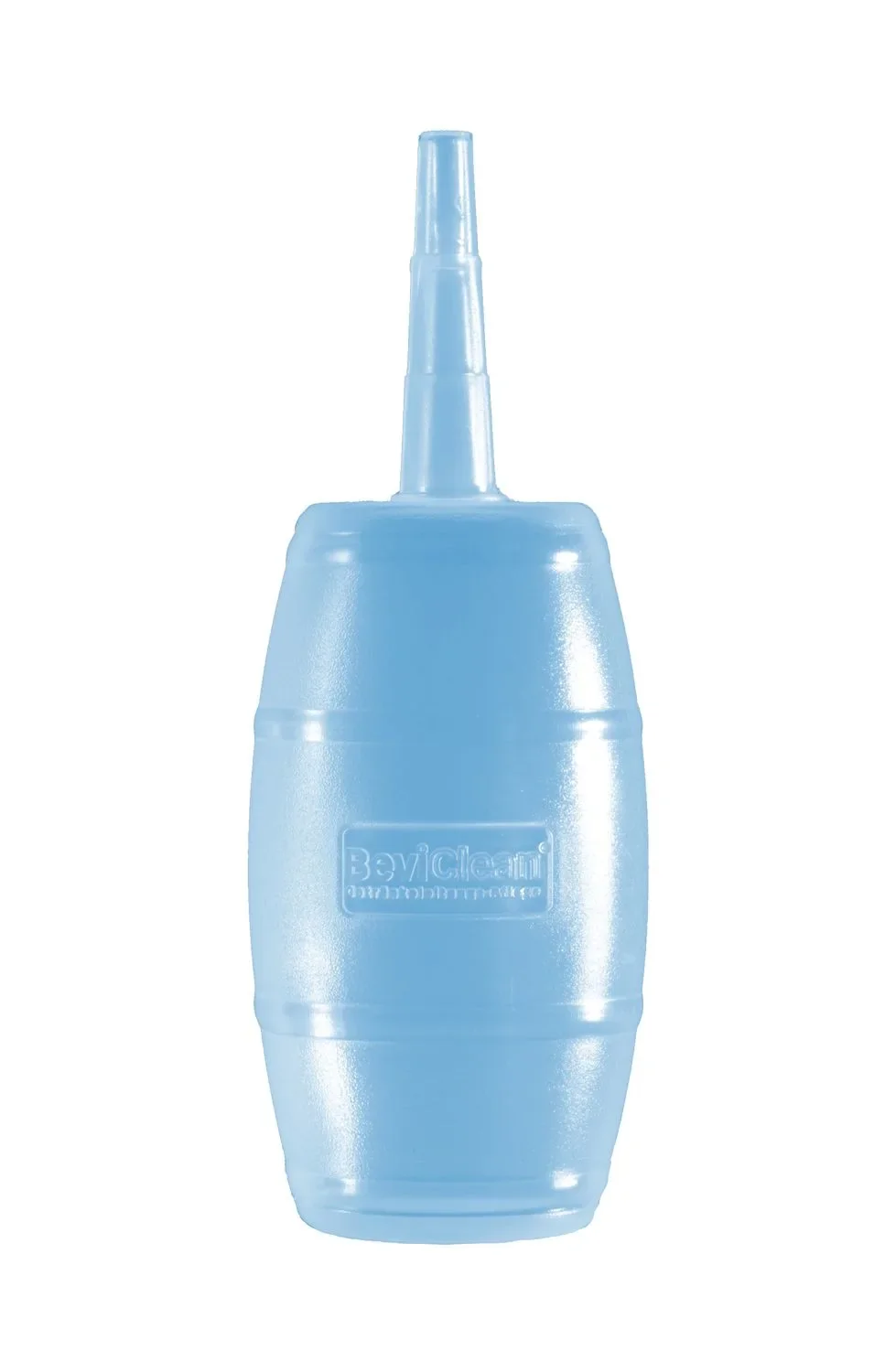
Specialty products such as the work well for cleaning metal parts on patio furniture or beer taps at outdoor bars. They are gentle on surfaces and reliably remove limescale.
Important note
Never use a pressure washer on patio cushions. The powerful spray forces dirt and water deep into the fibers. It can also tear the seams and damage the filling.
What is the best way to dry cushions?
Air-drying is the gentlest method. Hang wet covers or cushions on a clothesline. Distribute the weight evenly to prevent them from losing their shape. Clip them only at the seams.
Choose a shady, well-ventilated spot. Direct sunlight can fade colors and cause elastic materials to wear out faster. A well-ventilated indoor area also works, especially in cooler weather.
Turn the cushions several times as they dry. This helps them dry evenly and prevents water marks or musty spots from forming.
Never fold or roll outdoor fabrics for storage after washing while they are even slightly damp. This can cause mold to grow and leave lasting damage.
How to store cushions after cleaning
Store completely dry cushions in a cool, dry, dark place. Shelves in garden sheds or dry basements are ideal. Stack the cushions flat or store them upright.
Use breathable cotton storage bags. Avoid plastic bags or boxes without ventilation holes. Trapped moisture can build up and lead to mold.
Even better, protect your cushions throughout the season. A transparent patio furniture cover protects against the weather, lets light through and prevents condensation.
How can I protect patio cushions from getting dirty?
The best protection is regular care. Wipe the cushions weekly with a dry cloth to remove dust and pollen. For light dirt, a damp microfiber cloth is often all you need.
Spray new cushions with a waterproofing spray for outdoor fabrics. It forms an invisible barrier that makes liquids bead up and roll off. Reapply once per season or after deep cleaning.
Keep your patio furniture away from trees that drop lots of blossoms or produce sap. Bird droppings and dripping tree sap can also leave stubborn stains.
Additional tip
For seating areas you use often, it’s worth investing in extra cushions. Rotate them regularly to spread out wear and tear. This also gives cleaned cushions more time to dry completely.
Choosing the right location
A covered seating area can significantly extend the life of your cushions. A carport, pergola, or gazebo protects them from direct sunlight and heavy rain, helping the material last longer.
If there’s no cover, get into the habit of covering your cushions after each use. A sturdy tarp from the Tarps + Nets section is a worthwhile investment.
Store the cushions indoors when you’ll be away for a while or during extended periods of bad weather. The Garden + Outdoor range includes practical storage solutions.
When is professional cleaning worthwhile?
At-home cleaning has its limits when it comes to very large or permanently sewn-in cushions, such as those often found on outdoor lounge furniture. If stains don’t come out after cleaning or start to spread, seek professional advice.
A professional cleaner has access to stronger, material-safe cleaning products and specialized drying methods. For expensive, high-end patio furniture, this can be more economical than buying a replacement.
Professional advice is also worthwhile if you’re unsure what the cushions are made of or if they’ve been damaged by mold. An expert can assess whether cleaning is likely to work or whether the cushions need to be replaced.
Signs that replacement is necessary
Sometimes cleaning is no longer enough. If the filling is lumpy and can’t be evenly redistributed, the cushion won’t be comfortable anymore. Frayed areas or brittle seams may also be beyond repair.
If the fabric itself is breaking down and sheds tiny fibers when touched, UV damage has gone too far. A new cushion is then the safer, more hygienic choice.
Consider how easy a cushion is to care for when buying a replacement. Modern outdoor fabrics are often more durable and easier to clean than older ones. Proper care from the outset will help you enjoy your patio furniture for longer.
With these practical steps, you can keep your patio cushions fresh and inviting for years to come. The effort is well worth it on every sunny day outdoors.
Frequently asked questions
- Can I wash all patio cushions in the washing machine?
- No. Always check the care label first. Many polyester outdoor cushions are machine washable, often at 30 or 40 degrees. Cushions with foam filling or made from delicate materials such as leather should only be cleaned by hand. A mild detergent without bleach is usually the best choice.
- How do I remove stubborn stains like red wine or grass from patio cushions?
- Treat fresh stains right away. For red wine, blot up the excess liquid and apply a mixture of dish soap and cold water. Gently scrub grass stains with a mild soapy solution. Don’t let cleaning products soak in; rinse the area thoroughly with clean water.
- Should I dry patio cushions in the dryer after cleaning?
- Avoid using the dryer. The heat can cause the material to shrink or become damaged. Always air-dry the cushions, preferably in a shaded, well-ventilated place. Hang them up or lay them flat. Direct sunlight can fade the colors and make the fabric brittle.
- How often should I clean my patio cushions?
- A deep clean at the end and beginning of the season is a good idea. During the season, wipe the cushions regularly with a damp cloth to remove dust and pollen. Clean them as soon as you notice dirt or stains. This keeps grime from becoming embedded and harder to remove.
- How can I keep my cushions from getting so dirty?
- Use covers for patio furniture when you’re not using it. They protect against rain, bird droppings, and UV rays. For heavily used areas, choose cushions with removable, washable covers. When buying, look for easy-care, water-repellent outdoor fabrics.
You might also be interested in
- How to clean upholstered furniture: stain-free and fresh from day one
- How to clean a sofa: remove stains and care for upholstery
- How to care for patio furniture: keep it looking like new
- How to care for and clean a garden waste bag: make it last for years
- Patio cleaning: make your patio shine again
- The perfect patio chair: materials, style, and care