
In brief: Clean patio slabs effectively by choosing the right method for the specific type of dirt. A broom and pressure washer are sufficient for loose dirt. Special cleaners, brushes or a steam cleaner help remove moss and green growth. Remove grease and oil with degreasers or gall soap. Always test aggressive products in an inconspicuous area first.
How to Clean Patio Slabs: The Right Preparation
Preparation is crucial before you start cleaning your patio slabs. It saves time and prevents damage. First, identify the material your slabs are made from. Are they concrete, natural stone such as granite or sandstone, ceramic or brick?
Each material reacts differently to cleaning products and pressure. Next, assess the type and severity of the dirt. Is there only loose dirt such as leaves and soil, or have moss, algae and lichen already taken hold?
Remove loose dirt with a broom or leaf blower. Cover adjacent flower beds and sensitive plants with a tarpaulin to protect them from cleaning products. You will find suitable accessories for many jobs in the Garden + Outdoor section.
Important note
Always test any new cleaning product or method on an inconspicuous area first, such as a corner or underneath a piece of furniture. This ensures that the colour and texture of the slabs are not affected.
The right equipment makes the job easier. In addition to a broom and shovel, you may need a stiff brush, scrubbing brush, garden hose and possibly a pressure washer, depending on the method. For specialist cleaners, it is worth looking in the Commercial Supplies category.
Which Cleaning Method Is Right for Your Type of Dirt?
Not every method is suitable for every type of dirt. Choose carefully to achieve the best results while protecting the material.
Loose Dirt and Coarse Debris
Mechanical methods are perfectly adequate for leaves, soil and sand. Start with a sturdy broom. Sweep the entire area thoroughly.
Then rinse the slabs with clean water from a garden hose. Use a spray nozzle with a strong jet to flush fine dust out of the joints. Carry out this basic cleaning regularly to prevent the build-up of a growing medium for moss.
“Regular basic cleaning is the best way to prevent moss. If you do not leave leaves and organic residue lying around, you deprive algae and moss of their food source.”
Removing Green Growth, Moss and Algae
Green growth makes patio slabs slippery and unsightly. For light growth, vigorous scrubbing with a brush and warm water is often enough. Add a little environmentally friendly pure soap or mild all-purpose cleaner.
For heavier growth, you need specialist cleaners. These often contain algicides or biocides that kill the growth. Apply the product according to the instructions, leave it to work and then scrub the surface. You will find a wide range of tools for this under Garden Tools.
Pro tip
When using cleaners to remove green growth, work only in dry, overcast weather and not in bright sunlight. This stops the product from evaporating too quickly and allows it to penetrate deeply. Always rinse thoroughly with plenty of water at the end.
A pressure washer is effective for stubborn cases. However, do not set the pressure too high, especially when cleaning soft natural stone. Always hold the jet at an angle to the surface and keep it moving to prevent damage.
Removing Grease, Oil and Barbecue Stains
Stains from the barbecue area or splashes of garden furniture oil can be difficult to remove. They attract new dirt and look unsightly. Act immediately when stains are fresh. Sprinkle sand, cat litter or cornflour over them to absorb the grease.
After a few hours, sweep away the powder. Use a commercial degreaser or gall soap for any remaining residue. For very stubborn, baked-on stains, a specialist
can help.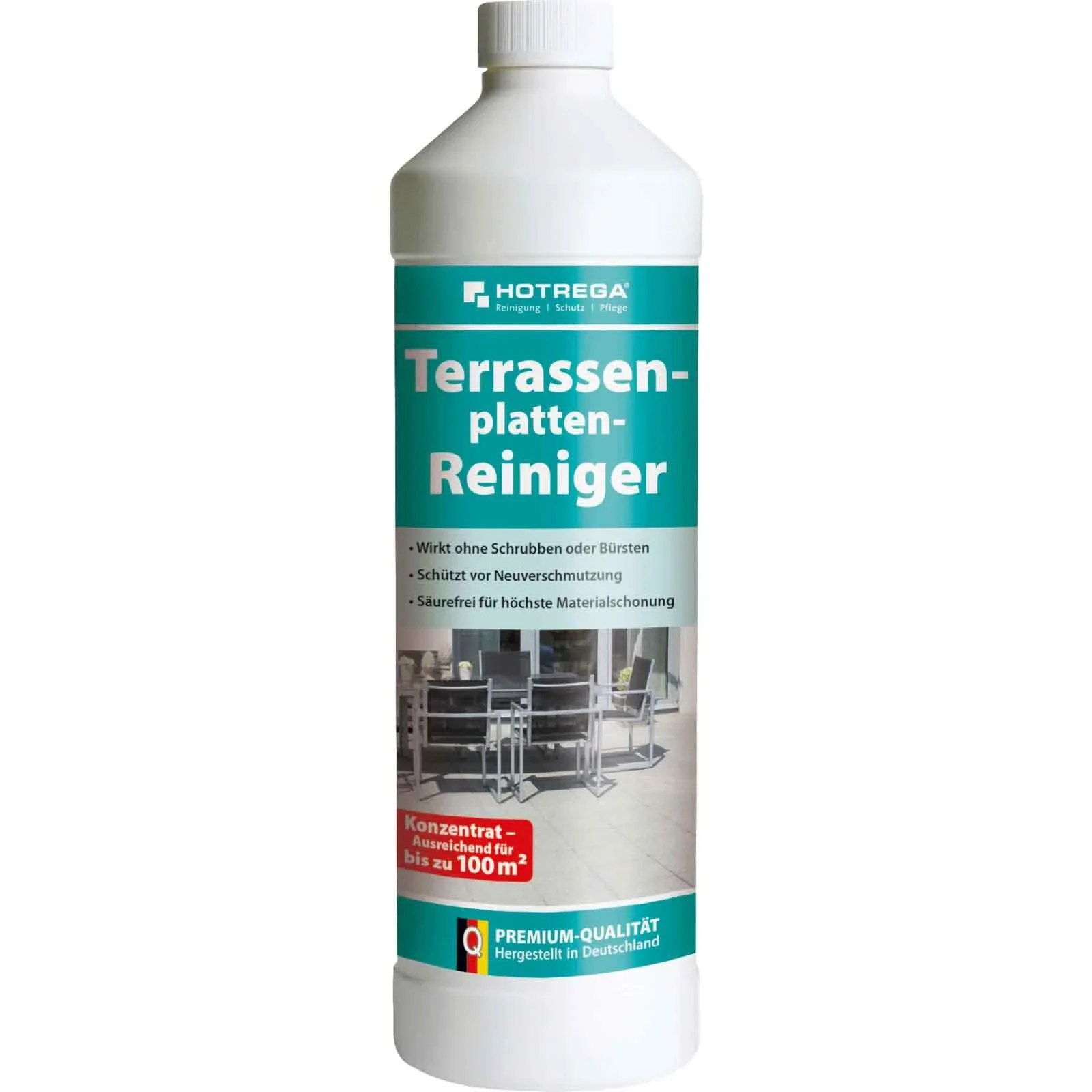
Apply the product, leave it to work for a long time and then scrub vigorously. Repeat the process if necessary. After cleaning the barbecue area, remember to care for your barbecue too. Find inspiration in the BBQ + Smokers category.
Additional advice
For sensitive patio slabs, such as aged concrete or certain natural stones, an aggressive degreaser is not suitable. In this case, use a
. This gentle cleaner removes stains without attacking the patina or surface.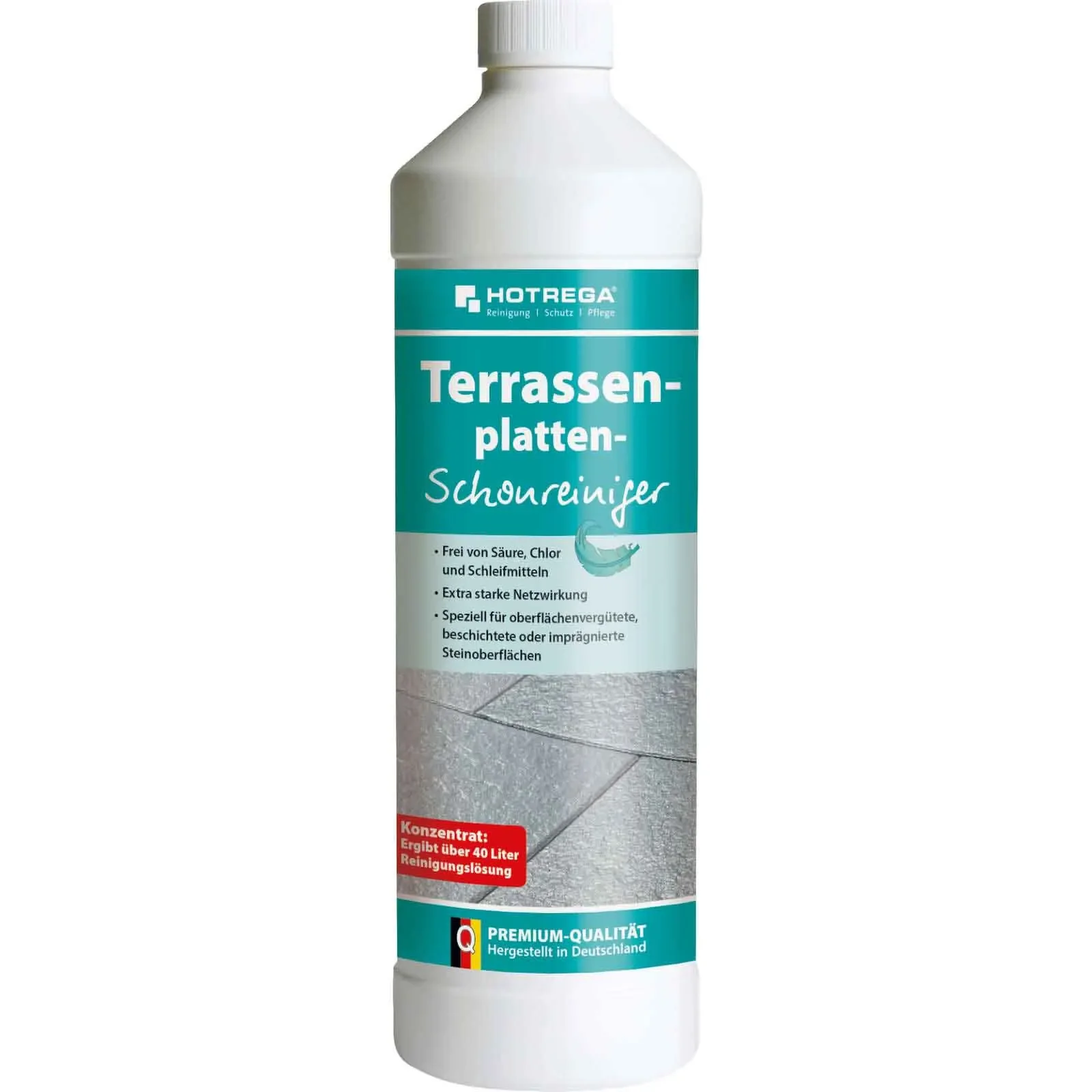
Special Challenges: Lichen, Rust and Mould
Some types of dirt require special attention. Lichen is a symbiosis of fungus and algae and adheres very firmly. The best way to remove it is mechanically with a joint scraper or wire brush after softening it with a cleaner.
Treat rust stains from iron-containing stone or old furniture with specialist rust removers. These convert the rust into a soluble compound. Make sure the product is approved for your slab material.
Mould often appears as black spots in shady, damp corners. In addition to specialist mould removers, a solution of water and hydrogen peroxide can help. After cleaning, it is important to improve drying, for example by trimming back shrubs.
“Lichen is a sign of very clean air, but unfortunately also of persistent moisture. Alongside cleaning, you should always check whether better ventilation or more sunlight could improve the microclimate on your patio.”
Proper aftercare: sealing and maintenance
Once you have cleaned your patio slabs, the patio is clean. To keep it that way for longer, proper care is essential. The most important measure is sealing. A sealant forms a water- and dirt-repellent protective layer in the pores of the slabs.
This makes it harder for moss, algae and stains to stick. Rainwater beads off and dries more quickly. Only apply the sealant to slabs that are completely dry and clean. The patio should remain dry for several hours afterwards.
Regular sweeping and occasional rinsing with water greatly extend the effectiveness of the sealant. Also consider the right base. A stable but permeable installation on chippings or sand prevents standing water.
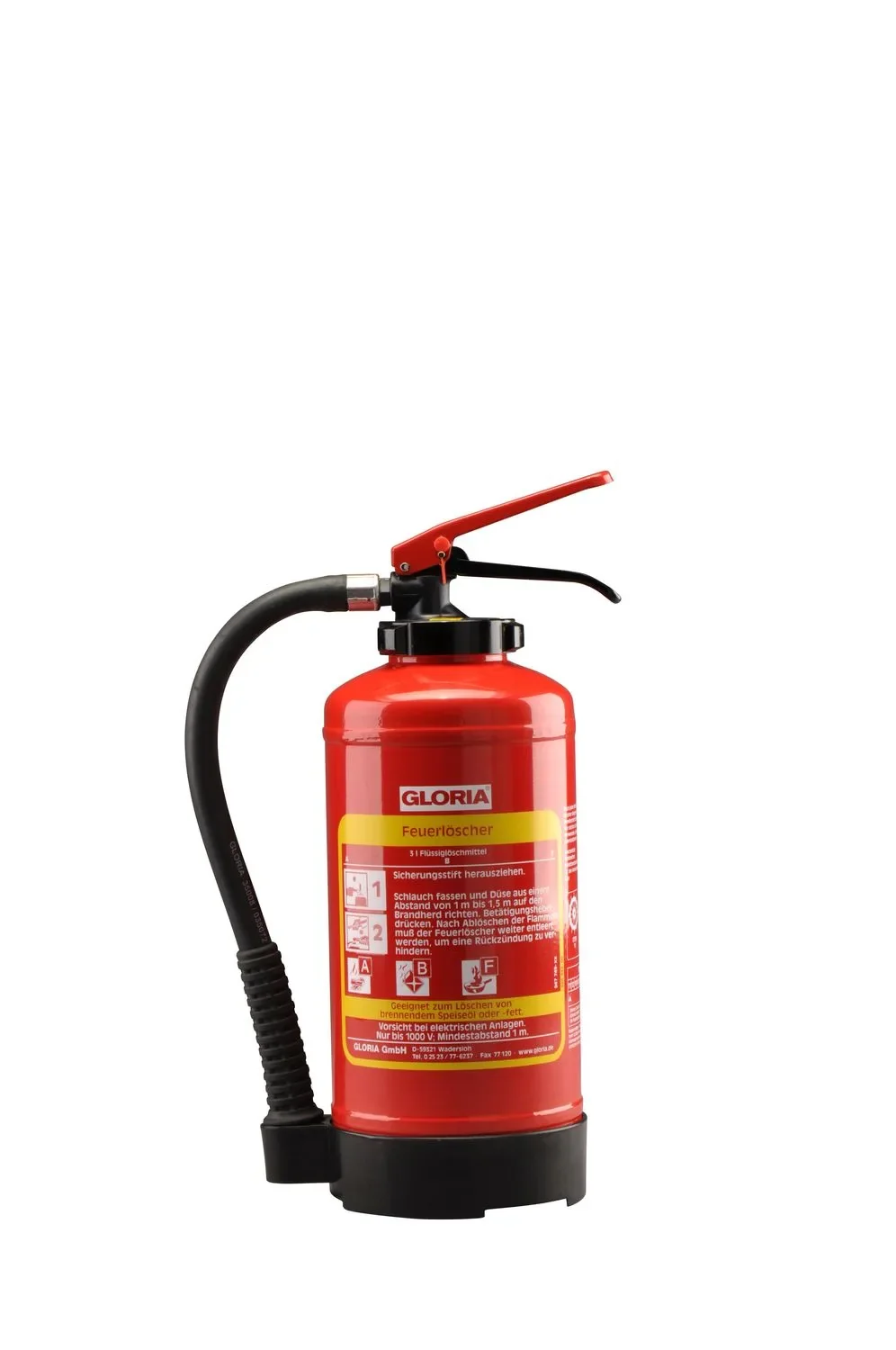
As a precaution, for example when working with electrical equipment in damp conditions, always take care. Keep a
Which tools are suitable for which slab? A material check
Concrete slabs are robust and generally withstand pressure washers and brushes. For coloured or painted concrete slabs, check their colourfastness. Older concrete slabs may be porous, so use a gentler pressure setting.
Natural stone slabs such as granite and basalt are very hard. They generally tolerate mechanical cleaning well. Softer stones such as sandstone, limestone or slate are more sensitive. Do not use sharp metal brushes or high pressure on these materials. Use specialist stone cleaners instead.
Ceramic and porcelain slabs are very dense and resistant. They can generally withstand pressure washers and many cleaning products. Take care not to wash out the joints. Clay pavers are robust but can develop efflorescence (white salt deposits). Simply brush these off when dry.
For all materials, the right care starts with choosing the correct accessories. From watering equipment to supplies, you can find everything you need for your home in the shop.
Common mistakes when cleaning patio slabs and how to avoid them
The biggest mistake is using the wrong or overly aggressive chemicals. Household cleaners containing chlorine or hydrochloric acid can permanently dull and etch natural stones such as marble. They also harm the environment and surrounding plants.
Using too much pressure when pressure washing is a common cause of damage. It can wash out the joints, damage the surface of softer stones and drive dirt and moisture deeper into the material. Always start with the lowest pressure setting and increase it only if necessary.
Many people neglect the joints. However, organic material collects there, allowing new moss to grow. Clean the joints with a specialist joint scraper or joint brush. After cleaning, you can refill them with sand or a specialist jointing compound.
Do not clean in the blazing midday sun. The water evaporates too quickly, and cleaning products can bake onto the surface and leave white residue. Work on a cool, overcast day or in the morning.
Finally, a thorough spring clean is the best way to start the patio season. It removes winter residue such as dirt, road salt and moisture. This allows you to enjoy the summer on a clean, well-maintained patio.
Frequently asked questions
- Can I use my pressure washer on all patio slabs?
- No, not all slabs can withstand high pressure. For soft materials such as sandstone or old concrete slabs, a pressure washer is often too aggressive and can roughen or damage the surface. Use a brush and specialist patio slab cleaner instead. A pressure washer is generally suitable for hard, dense concrete or ceramic.
- Which household remedy is best for removing moss from patio slabs?
- Vinegar cleaner or a mixture of water and methylated spirits are common household remedies for moss. It is important to apply them in sunny weather and leave them to work for several hours. However, these acids can attack the surface of calcareous natural stones such as marble or travertine. For sensitive stones, a specialist, gentle patio slab cleaner is the better choice.
- How can I stop my patio slabs getting dirty again soon after cleaning?
- Sealing the slabs after cleaning provides the most effective protection. The sealant penetrates the pores of the slabs and makes it harder for dirt, moss and moisture to stick. This keeps your slabs clean for longer and provides better protection against stains. Choose a sealant from a specialist retailer that is suitable for your slab material.
- Does road salt damage my patio slabs in winter?
- Yes, road salt can cause considerable damage to patio slabs, particularly those made of concrete and natural stone. The salts penetrate the material, crystallise when it freezes and dislodge fine particles from the surface. This leads to flaking and a porous, rough texture. For winter maintenance, use materials such as grit or sand that provide traction, and remove salt residue thoroughly in spring.
- How do I remove stubborn grease stains from the barbecue area on my patio?
- For baked-on grease stains, it is best to use a specialist degreaser or gall soap. Apply the product generously, leave it to work for several hours and then scrub with a stiff brush. Very old stains may require the process to be repeated. Then rinse thoroughly with clean water to remove any cleaning residue.
You may also be interested in
- Cleaning paving stones: Effective methods for gardens and driveways
- Patio cleaning: How to make your patio shine again
- Removing moss and stubborn weeds from joints: The guide
- Spring cleaning in the garden: Clean paths and patios with the power of vinegar
- Green deposit remover: How to clean patios and paths again
- Cleaning garden cushions: How to keep your covers fresh for longer