
Kurz erklärt: Rasenschmiele bekämpfen Sie am effektivsten durch konsequentes Ausstechen der gesamten Pflanze samt Wurzelballen. Anschließend füllen Sie die entstandene Lücke mit frischer Erde und säen hochwertigen Rasensamen nach. Langfristig verhindern Sie einen Neubefall durch richtige Rasenpflege: regelmäßiges Düngen, bedarfsgerechtes Wässern und eine Schnitthöhe von mindestens vier Zentimetern.
Ein dichter, sattgrüner Rasen ist der Traum vieler Gartenbesitzer. Doch plötzlich tauchen sie auf: grobe, horstartige Grasbüschel, die schneller wachsen als der Rest und das ebenmäßige Bild stören. Häufig handelt es sich dabei um die Rasenschmiele (Deschampsia cespitosa). Dieses hartnäckige Gras Unkraut zu erkennen und zu bekämpfen, erfordert eine klare Strategie. Mit den richtigen Methoden gewinnen Sie den Kampf und stellen die Schönheit Ihrer Rasenfläche wieder her.
Was ist Rasenschmiele und wie erkennen Sie sie?
Rasenschmiele, auch als Rumpel-Schmiele oder Horst-Schmiele bekannt, gehört zur Familie der Süßgräser. Anders als die feinen Gräser Ihrer Rasenmischung wächst sie in dichten, polsterartigen Horsten. Sie sticht optisch deutlich aus der gepflegten Rasenfläche hervor und fühlt sich rau an.
Merkmale der Rasenschmiele (Deschampsia cespitosa)
Sie erkennen die Rasenschmiele an mehreren eindeutigen Eigenschaften. Achten Sie auf dichte, kompakte Büschel, die sich über die Jahre ausbreiten und im Durchmesser wachsen. Die Blätter sind meist dunkelgrün, sehr rau und an den Rändern scharfkantig. Oft überragt die Schmiele den restlichen Rasen bereits wenige Tage nach dem Mähen.
Im Sommer, von Juni bis August, bildet die Pflanze hohe, luftige Blütenrispen, die silbrig oder violett schimmern können. Spätestens dann ist sie unübersehbar. Ihre Wurzeln sind extrem dicht und fest, was das Entfernen zu einer Herausforderung macht.
Abgrenzung zu anderen Ungräsern im Rasen
Verwechseln Sie die Rasenschmiele nicht mit anderen unerwünschten Gräsern wie der Quecke oder dem Einjährigen Rispengras (Poa annua). Die Quecke bildet unterirdische Ausläufer (Rhizome) und breitet sich flächig aus. Die Rasenschmiele bleibt hingegen ein kompakter Horst. Das Einjährige Rispengras ist hellgrüner, bildet keine dichten Horste und stirbt nach der Samenbildung meist ab, hinterlässt aber unschöne Lücken.
Ein dichter, konkurrenzstarker Rasen ist die beste und nachhaltigste Verteidigung gegen jegliche Form von Ungräsern. Die Rasenschmiele findet nur dort eine Lücke, wo die gewünschten Gräser durch Nährstoffmangel, Verdichtung oder falschen Schnitt geschwächt sind.
Warum breitet sich Schmiele in meinem Rasen aus?
Die Rasenschmiele ist eine Zeigerpflanze. Ihr Auftreten verrät Ihnen viel über den Zustand Ihres Bodens und die Gesundheit Ihres Rasens. Sie liebt Bedingungen, unter denen die edlen Rasengräser leiden.
Hauptursachen sind verdichtete, staunasse Böden. Wo Wasser schlecht versickert, fühlen sich die feinen Wurzeln der Rasengräser unwohl, während die robuste Schmiele gedeiht. Ein saurer Boden mit niedrigem pH-Wert und ein Mangel an Nährstoffen, insbesondere Stickstoff, schwächen Ihren Rasen zusätzlich und öffnen der Schmiele Tür und Tor.
Auch ein lückenhafter Rasen, verursacht durch Trockenheit, Krankheiten oder zu tiefes Mähen, bietet den Samen der Schmiele perfekte Keimbedingungen. Einmal etabliert, ist sie durch ihre Robustheit und ihr tiefes Wurzelwerk schwer zu verdrängen.
Rasenschmiele entfernen: Die besten Methoden Schritt für Schritt
Haben Sie Rasenschmiele in Ihrem Garten identifiziert, hilft nur konsequentes Handeln. Warten Sie nicht, denn die Horste werden mit der Zeit nur größer und widerstandsfähiger. Die mechanische Entfernung ist die einzig wirklich effektive Methode.
Die mechanische Entfernung: Ausstechen ist die Devise
Vergessen Sie den Versuch, die Schmiele nur oberflächlich herauszureißen. Sie müssen den gesamten Horst mitsamt dem dichten Wurzelballen entfernen. Nutzen Sie dafür einen stabilen Unkrautstecher oder einen Spaten.
- Zeitpunkt wählen: Arbeiten Sie am besten im Frühjahr oder Herbst, wenn der Boden feucht ist. Das erleichtert das Graben erheblich.
- Großzügig ausstechen: Setzen Sie das Werkzeug im Abstand von einigen Zentimetern um den Horst an und stechen Sie tief in den Boden. Hebeln Sie den gesamten Ballen vorsichtig aus der Erde.
- Kontrolle: Prüfen Sie das entstandene Loch. Sind noch Wurzelreste der Schmiele sichtbar? Entfernen Sie diese sorgfältig, um ein erneutes Austreiben zu verhindern.
Wichtiger Hinweis
Verzichten Sie auf den Einsatz von selektiven Herbiziden. Da die Rasenschmiele selbst ein Gras ist, wirken Mittel gegen zweikeimblättrige Unkräuter nicht. Totalherbizide würden zwar die Schmiele abtöten, aber auch den gesamten umliegenden Rasen vernichten und große Kahlstellen hinterlassen.
Was tun nach dem Entfernen? Die Lücken richtig schließen
Nachdem Sie die Schmiele entfernt haben, klafft eine Lücke im Rasen. Schließen Sie diese so schnell wie möglich, um neuem Unkraut im Rasen keine Chance zu geben.
Lockern Sie zuerst die Erde im Loch mit einer kleinen Harke tiefgründig auf. Bei sehr lehmigem Boden arbeiten Sie etwas Rasensand ein, um die Drainage zu verbessern. Füllen Sie das Loch anschließend mit hochwertiger Rasenerde auf, bis es eben mit der Umgebung ist.
Säen Sie nun eine passende Nachsaat-Rasenmischung aus. Ideal sind Mischungen, die schnell keimen und eine dichte Grasnarbe bilden. Eine gute Wahl sind hierfür spezielle Rasensamen für die Reparatur von Rasenflächen. Drücken Sie die Saat leicht an und halten Sie die Stelle in den folgenden Wochen konstant feucht, bis die jungen Grashalme kräftig genug sind.
Profi-Tipp
Mischen Sie die Rasensamen vor dem Ausstreuen mit etwas Sand. Das erleichtert eine gleichmäßige Verteilung und Sie sehen besser, wo Sie bereits gesät haben. Die dünne Sandschicht schützt die Samen zudem vor Vögeln und dem Austrocknen.
Wie beugen Sie einem erneuten Befall mit Rasenschmiele vor?
Die beste Methode, um Schmiele zu entfernen, ist, ihr von vornherein keine Chance zur Ansiedlung zu geben. Das erreichen Sie durch eine optimale Rasenpflege und die Verbesserung der Standortbedingungen. Ein gesunder Rasen ist der stärkste Gegner jedes Unkrauts.
Die richtige Rasenpflege: Das A und O
Eine dichte, gesunde Grasnarbe ist undurchdringlich für Unkrautsamen. Die Basis dafür legen Sie mit drei einfachen, aber entscheidenden Pflegeschritten:
- Richtig mähen: Stellen Sie die Schnitthöhe Ihres Rasenmähers auf mindestens 4 bis 5 Zentimeter ein. Ein zu kurzer Schnitt stresst die Gräser und lichtet die Narbe. Mähen Sie regelmäßig, aber nehmen Sie nie mehr als ein Drittel der Halmlänge auf einmal weg.
- Bedarfsgerecht wässern: Gießen Sie seltener, aber dafür durchdringend. Pro Wässerung sollten 15 bis 20 Liter pro Quadratmeter in den Boden eindringen. Das zwingt die Rasenwurzeln, in die Tiefe zu wachsen, und macht sie widerstandsfähiger gegen Trockenheit.
- Konsequent düngen: Ein Rasen hat Hunger. Versorgen Sie ihn von Frühjahr bis Herbst mit einem hochwertigen Rasendünger. Stickstoff sorgt für kräftiges Wachstum, Kalium für Stresstoleranz.
Das konsequente Ausstechen der Schmiele-Horste ist zwar mühsam, aber die einzig verlässliche Methode. Jeder Versuch, das Problem chemisch oder oberflächlich zu lösen, führt selten zum dauerhaften Erfolg und schadet oft dem restlichen Rasen.
Bodenverbesserung für einen starken Rasen
Da die Rasenschmiele verdichtete und saure Böden liebt, ist die Bodenverbesserung ein zentraler Baustein der Vorbeugung. Vertikutieren Sie Ihren Rasen ein- bis zweimal im Jahr, um Rasenfilz zu entfernen und Luft an die Wurzeln zu lassen. Bei starker Verdichtung hilft das Aerifizieren, also das Einstechen von Löchern in den Boden, die Sie anschließend mit Sand füllen.
Testen Sie den pH-Wert Ihres Bodens. Liegt er unter 5,5, ist er zu sauer. Eine Gabe von Rasenkalk & Gartenkalk im Herbst oder zeitigen Frühjahr hebt den pH-Wert an und schafft bessere Bedingungen für die Rasengräser.
Zusätzlicher Rat
Kontrollieren Sie Ihren Rasen regelmäßig, besonders nach dem Winter. Kleine, junge Schmiele-Pflanzen lassen sich noch leicht mit einem Messer oder einem kleinen Unkrautstecher entfernen, bevor sie zu großen, fest verwurzelten Horsten heranwachsen.
Rasenkanten als Barriere nutzen
Oft wandert Unkraut aus angrenzenden Beeten oder von Wegrändern in die Rasenfläche ein. Eine klare Trennung kann dies wirksam verhindern. Stabile Rasenkanten aus Metall, Kunststoff oder Stein bilden eine physische Barriere, die das Einwachsen von unerwünschten Pflanzen erschwert.
Für eine langlebige und stabile Befestigung von Rasenkanten eignen sich spezielle Anker. Mit dem
fixieren Sie Ihre Rasenkanten sicher im Boden. So schaffen Sie nicht nur eine saubere Optik, sondern auch eine effektive Schutzzone für Ihre gepflegte Rasenfläche.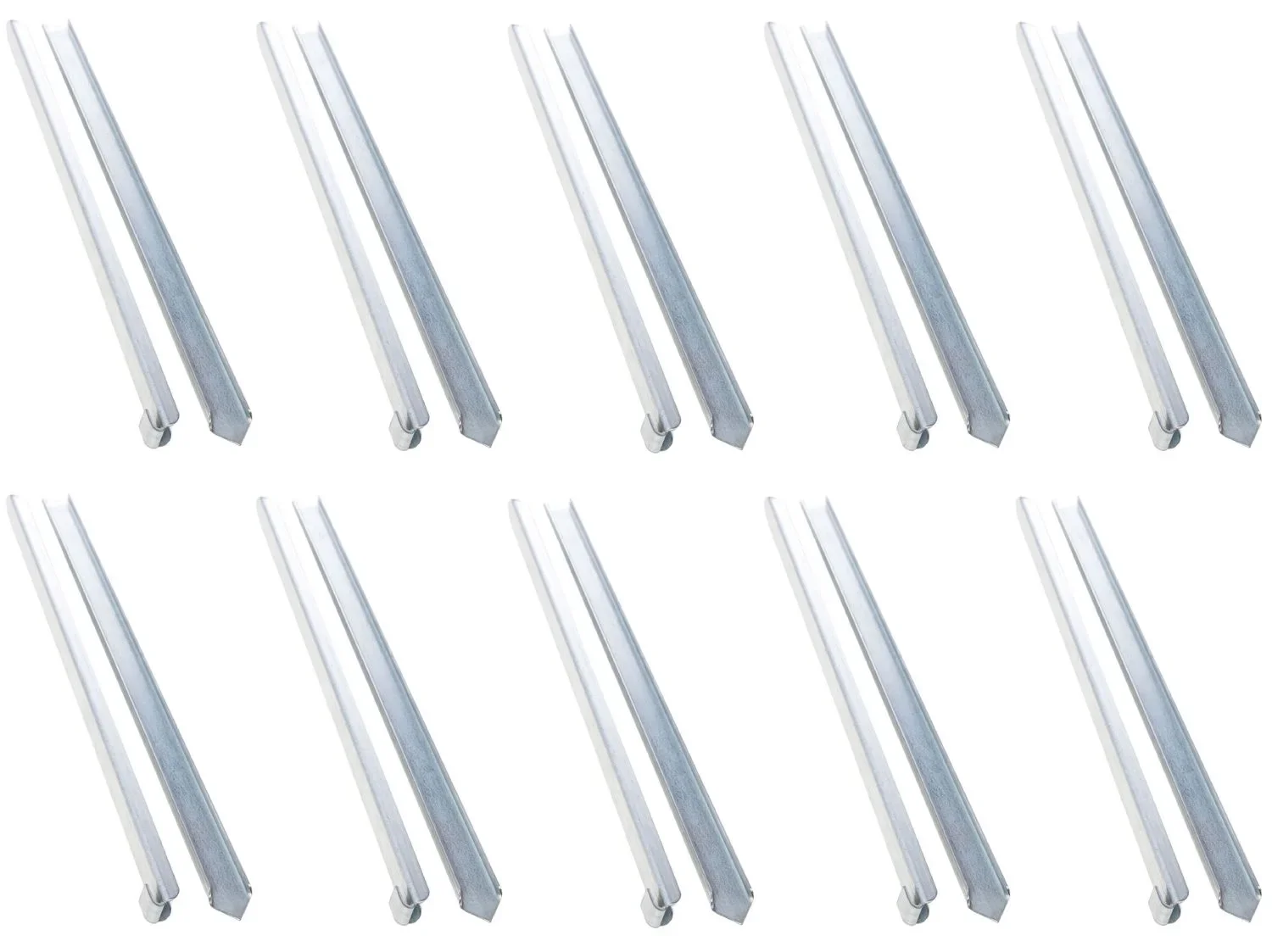
Chemische Unkrautvernichter: Eine sinnvolle Option?
Viele Gärtner greifen bei Unkrautproblemen schnell zur chemischen Keule. Im Fall der Rasenschmiele ist das jedoch keine gute Idee. Standardprodukte wie Rasendünger mit Unkrautvernichter wirken gezielt gegen breitblättrige Pflanzen wie Löwenzahn oder Klee. Da die Schmiele aber selbst ein Gras ist, zeigen diese Mittel bei ihr keine Wirkung.
Die einzige chemische Alternative wären Totalherbizide, die alles abtöten, was grün ist. Der Einsatz im Rasen ist nicht zu empfehlen, da Sie große, kahle Flächen erzeugen würden, die anschließend komplett neu angelegt werden müssten. Der manuelle Weg ist hier der nachhaltigere und schonendere für Ihren Rasen.
Der Kampf gegen die Rasenschmiele ist ein Marathon, kein Sprint. Die Entfernung der bestehenden Horste ist der erste, wichtige Schritt. Die langfristige Lösung liegt jedoch in der Schaffung eines vitalen, dichten Rasens, in dem sich unerwünschte Gräser gar nicht erst breitmachen können. Mit der richtigen Pflege und etwas Geduld verwandeln Sie Ihre Problemzone wieder in einen Traumrasen.
Häufige Fragen
- Ist Rasenschmiele das gleiche wie Quecke?
- Nein, Rasenschmiele (Deschampsia cespitosa) und Quecke sind unterschiedliche Ungräser. Die Schmiele wächst in dichten, horstartigen Büscheln und verbreitet sich primär durch Samen. Die Quecke hingegen bildet lange, unterirdische Ausläufer (Rhizome) und ist dadurch noch schwerer zu entfernen als die horstbildende Schmiele.
- Kann ich Rasenschmiele einfach wegmähen?
- Nein, Mähen allein entfernt die Rasenschmiele nicht. Sie ist schnittverträglich und wächst aus ihrem dichten Horst immer wieder nach, oft sogar schneller als der umgebende Rasen. Durch Mähen können Sie höchstens die Samenbildung kurzzeitig unterbrechen, aber die Pflanze selbst bleibt bestehen und muss ausgestochen werden.
- Wann ist die beste Zeit, um Schmiele zu entfernen?
- Die beste Zeit zum Ausstechen von Rasenschmiele ist im Frühjahr (April/Mai) oder im frühen Herbst (September/Oktober). Der Boden ist zu diesen Zeiten meist feucht und nicht zu hart, was das Entfernen des gesamten Wurzelballens erleichtert. Außerdem können die nachgesäten Gräser dann gut anwachsen.
- Hilft Vertikutieren gegen Rasenschmiele?
- Vertikutieren allein entfernt keine ausgewachsenen Rasenschmiele-Horste. Die Messer reißen die Pflanze nur an, was sie oft nicht abtötet. Vertikutieren ist jedoch eine wichtige vorbeugende Maßnahme. Es entfernt Rasenfilz, belüftet den Boden und stärkt die Rasengräser, wodurch diese konkurrenzfähiger gegenüber der Schmiele werden.
- Warum habe ich Rasenschmiele im Rasen?
- Rasenschmiele siedelt sich bevorzugt auf verdichteten, feuchten und nährstoffarmen Böden an. Ein schwacher, lückenhafter Rasen bietet ihr ideale Bedingungen zur Keimung. Oft ist ein Mangel an Nährstoffen, falsches Gießen oder ein zu kurzer Rasenschnitt die Ursache für einen geschwächten Rasen und damit für den Befall.
Das könnte Sie auch interessieren
- Einjähriges Rispengras im Rasen bekämpfen: Tipps für dichten Rasen
- Wurmhäufchen auf dem Rasen entfernen: Tipps für gesunden Rasen
- Kleine Braunelle im Rasen bekämpfen und vorbeugen
- Kriechendes Unkraut im Rasen: Effektive Methoden zur Bekämpfung
- Unkraut im Rasen bekämpfen: Effektive Methoden für einen gesunden Rasen
- Rasenkrankheiten erkennen und effektiv bekämpfen