
In brief: You can successfully grow cabbage in nutrient-rich, deep soil with regular watering and fertilizing. Start seeds indoors in March or sow them directly in the garden bed from May. Space plants 50x50 cm apart to give the heads room to grow. Depending on the variety, harvest from September to November.
How to Grow Cabbage: From Seed to a Bountiful Harvest
Cabbage is a classic, hardy crop that grows well at home. Its crisp heads add vitamins to fresh salads, or you can make sauerkraut to enjoy later. With the right planning and care, even beginners can grow a successful crop.
This guide takes you through the growing season step by step, from choosing seeds and caring for your plants to picking the best time to harvest. Follow along to get the most from your vegetable garden.
Why grow cabbage in your own garden?
Cabbage offers more than a plentiful harvest. Homegrown cabbage has a full flavor that store-bought produce often lacks. You control how it is grown and can avoid unwanted pesticides.
This crop is relatively easy to grow and tolerates cool temperatures. It works well as a late-season crop and extends your garden’s harvest into late fall.
Cabbage is also incredibly versatile in the kitchen. Eat it raw in salads, steam it as a side dish, or ferment it into sauerkraut—the possibilities are plentiful.
How do I start cabbage seeds?
Success starts with the right preparation. First, decide whether to sow seeds directly outdoors or start them indoors. Starting seeds inside gives your plants a head start.
“Cabbage seeds need consistent moisture and temperatures of around 15 to 20 degrees Celsius to germinate. A bright windowsill or a small greenhouse is ideal.”
Fill seed trays with seed-starting mix. Sow the seeds about one centimetre deep and cover them lightly. Keep the mix moist with a spray bottle.
The first cotyledons should appear after about two weeks. Once the seedlings have two to three true leaves, transplant them into larger pots. A practical seed-starting tray such as the
makes this task easier.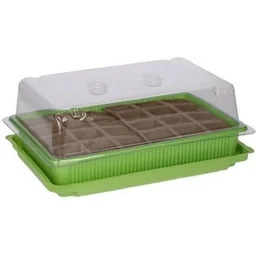
Expert tip
Mix a handful of garden lime into the seed-starting mix for your young plants. This strengthens their cell walls and makes them more resistant to damping-off.
Sowing seeds directly in the garden bed
Starting in mid-May, once the risk of frost has passed, you can sow cabbage seeds directly in the garden bed. Loosen the soil deeply and work in mature compost.
Make a shallow furrow and sow the seeds 3 to 5 centimetres apart. Once the seedlings emerge, thin them to their final spacing.
What location and soil are best for growing cabbage?
Cabbage is a heavy feeder that uses up many nutrients in the soil. Choose a sunny garden bed where low-feeding crops such as beans or peas grew the previous year.
The ideal soil is deep, rich in organic matter and well drained, while still retaining moisture. A neutral to slightly alkaline pH (6,5 to 7,5) is best.
Important note
Avoid growing cabbage or other brassicas in the same spot for several years in a row. A break of at least three, or preferably four, years helps prevent clubroot, a serious fungal disease that is difficult to control.
Prepare the garden bed in fall or early spring. Work in plenty of compost or well-rotted manure. Shortly before planting, you can also apply a base dressing of organic all-purpose fertilizer.
How do I transplant young cabbage plants?
Transplant homegrown or purchased seedlings outdoors after the last frost, usually in mid-May. Choose strong, healthy plants with dark green leaves.
Proper spacing is essential for head formation. Allow 50 by 50 cm per plant, both within and between rows. Dig a planting hole slightly larger than the root ball.
Set each plant so the root collar is just above the soil surface. Firm the soil and water the seedlings thoroughly with a gentle stream from a watering can or garden hose.
Protect plants right after transplanting
During the first few weeks, young cabbage plants are a target for pests such as cabbage root maggots. Fine-mesh garden row cover or a special cabbage collar around the stem provides effective protection.
How do I care for cabbage as it grows?
Focus on three things: regular watering, enough fertilizer and consistent weeding. Cabbage needs plenty of water, especially as the heads form.
“Water in the morning around the roots, not over the leaves. That way, the foliage dries faster and is less susceptible to fungal diseases such as downy mildew.”
Keep the soil consistently moist, but not soggy. A layer of grass clippings or straw helps retain moisture and suppress weeds.
Additional advice
About four weeks after transplanting, gently mound soil around the stem. This encourages more fine roots, stabilizes the plant and improves nutrient uptake.
The right fertilizer for strong heads
About six weeks after transplanting, when the heads begin to form, apply fertilizer again. Use an organic vegetable fertilizer that is high in nitrogen, or apply nettle tea.
Carefully work the fertilizer into the soil, then water. Avoid overfertilizing, which can lead to soft growth that does not store well.
How do I protect my cabbage from pests and diseases?
Unfortunately, cabbage attracts a few unwanted visitors. The most common are cabbage butterflies, cabbage root maggots and mildew. Prevention is the best defense.
Plant strongly scented herbs such as dill, celery or thyme among the cabbage. Their scent can deter many insect pests. Garden insect netting reliably keeps flying pests away.
Check the undersides of leaves regularly for the yellow eggs of cabbage butterflies and remove them. If caterpillars appear, pick them off or use a biological product based on Bacillus thuringiensis.
Preventing diseases
Give plants enough space to allow good air circulation. This helps the leaves dry faster after rain and reduces the risk of fungal diseases. Remove yellow or rotting leaves at the base.
When is the best time to harvest cabbage?
Cabbage is ready to harvest from September through November, depending on the variety. Early varieties are ready by late summer, while late-season varieties for storage need a light frost to develop their full flavour.
Harvest on a dry day. Check whether a head is ripe by gently holding it with both hands. A ripe head feels firm and full and does not give under light pressure.
Cut the cabbage head from the stalk with a sharp knife. Remove the loose outer leaves. If you plan to store the head, leave a few outer leaves in place for protection.
A practical helper for harvesting is the
. It lets you carry your harvest gently and avoid bruising the heads.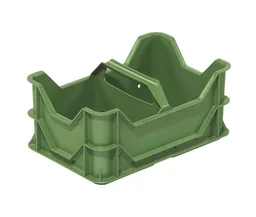
How to store cabbage after harvesting
Late-season varieties are ideal for winter storage. Keep the heads in a cool (0-4°C), frost-free place with high humidity. A dark cellar or storage pit works well. Place the heads individually on a wooden shelf or wrap them in newspaper.
Which cabbage varieties are best for growing in the garden?
Your choice of variety affects the flavour, harvest time and storage life. Here are some tried-and-tested options:
- Early varieties (harvest from August): ‘Dithmarscher Früher’, ‘Gloria F1’. They produce medium-sized, tender heads that are best eaten fresh.
- Mid-early to late varieties (harvest in September/October): ‘Bison F1’, ‘Hurricane F1’. Hardy, high-yielding and suitable for storage.
- Late storage and sauerkraut varieties (harvest in October/November): ‘Langedijker Dauer’, ‘Winterweiß’. Their large, very firm heads are ideal for storage and processing.
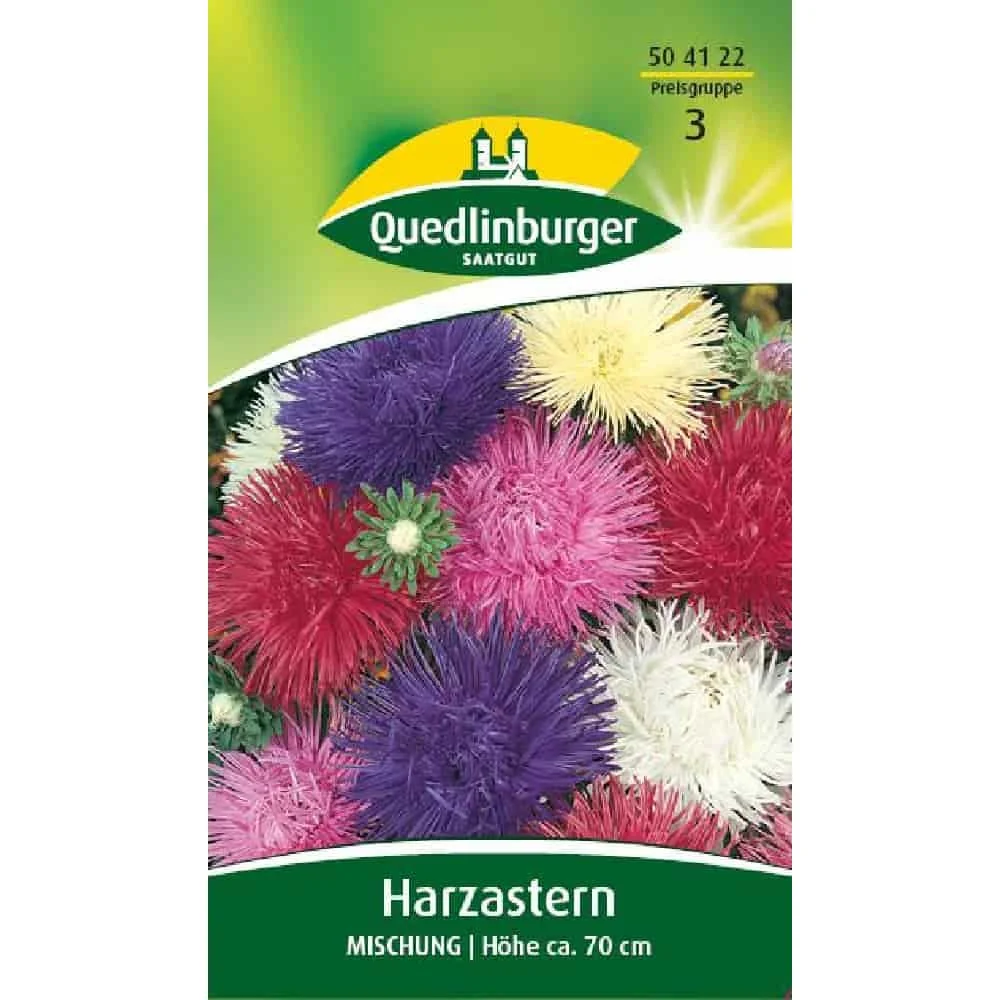
Try different varieties to find your favourite. Remember to rotate your crops, and plant colourful flower seeds such as
or in next year's old cabbage bed. This will brighten your garden and benefit the soil.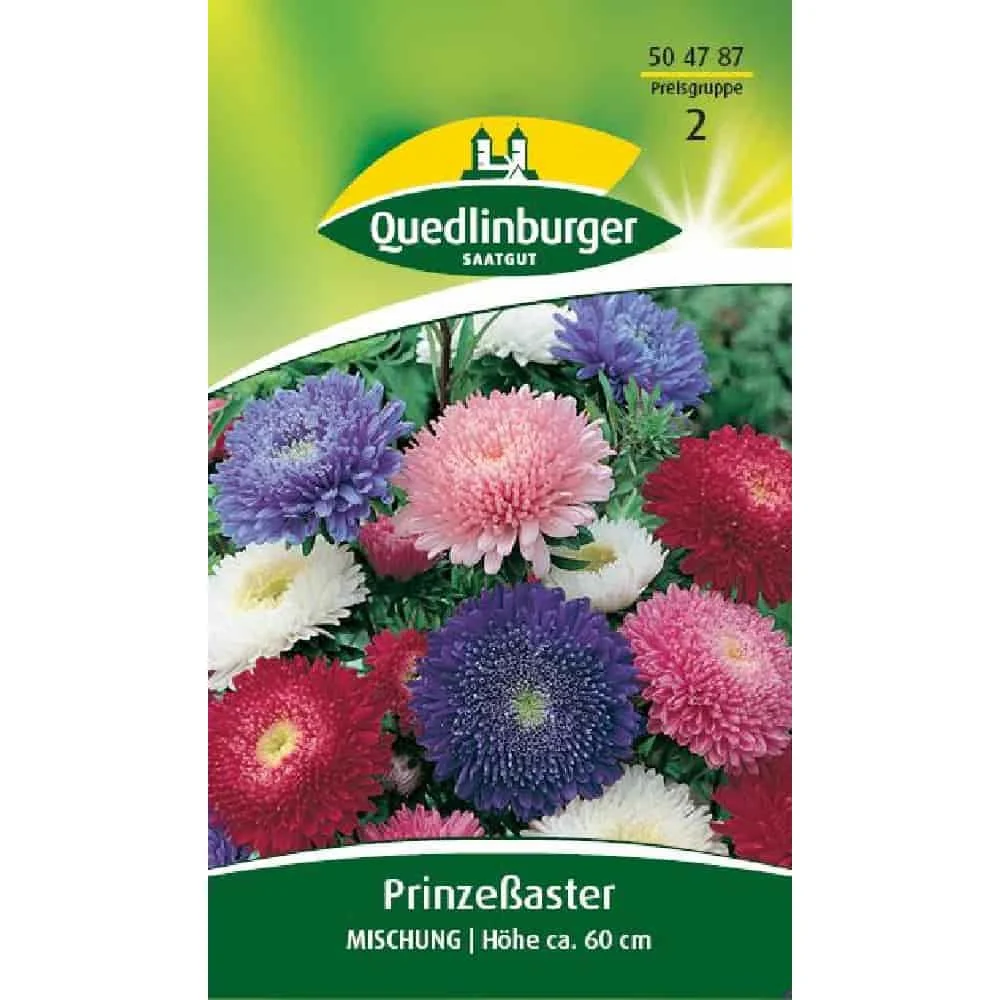
What should I plant after harvesting cabbage?
After growing a heavy feeder like cabbage, give the bed a year to recover. Sow a cover crop such as lupins or phacelia. These plants loosen the soil and add nitrogen.
Alternatively, plant light feeders. Lettuce, radishes and dwarf beans are good choices. They use the remaining nutrients without placing heavy demands on the soil.
Plan your beds for the long term. Good crop rotation helps protect the health of your garden and supports strong, sustainable yields from cabbage and other crops.
With this guide, you're all set for a plentiful harvest of crisp, home-grown cabbage. From seed to a full harvest basket, growing your own is rewarding for any home gardener.
Frequently asked questions
- When should I plant cabbage?
- Plant young seedlings outdoors from mid-May, after the last frost. For an earlier harvest, start seeds indoors in March. You can plant late-season varieties for winter storage through early July. The soil should be warm by then.
- What location and soil are best for cabbage?
- Cabbage grows best in a sunny to partially shaded spot. The soil should be deep, rich in humus and nutrient-rich. A neutral to slightly alkaline pH is ideal. Improve heavy clay soil with sand and sandy soil with compost.
- How much space do cabbage plants need?
- Space plants 50 centimetres apart in the row, with 50 to 60 centimetres between rows. This generous spacing gives the heads room to develop and helps them get enough light and air. It also helps prevent disease.
- How often should I water and fertilise cabbage?
- Water regularly and thoroughly to keep the soil evenly moist, but avoid waterlogging. Before planting, add compost or horn shavings. About four to six weeks after planting, apply another dose of nitrogen-rich vegetable fertiliser.
- How do I know when cabbage is ready to harvest?
- A cabbage head is ready when it is firm and closed and does not give easily when pressed. Early varieties are usually ready from September, while late-season varieties for storage may not be ready until October or November. Harvest before the first hard frost.
You may also be interested in
- How to grow cauliflower successfully in your garden
- Planning a vegetable garden: Growing cabbage and leeks for a plentiful harvest
- How to grow vegetables: A complete beginner's guide
- How to grow potatoes for a plentiful harvest
- How to grow beans for a bigger harvest
- How to grow tomatoes: Your guide to a plentiful harvest