
In brief: Check a construction or renovation estimate for the scope of work, quantities, unit prices, labor, materials, travel, waste disposal and taxes. Compare at least three estimates on the same basis, record assumptions in writing and set aside a contingency for unclear work. This keeps your contractor budget under control.
Check a construction or renovation estimate for the scope of work, quantities, unit prices, labor, materials, travel, waste disposal and taxes. Compare at least three estimates on the same basis, record assumptions in writing and set aside a contingency for unclear work. This keeps your contractor budget under control.
A low total may seem convincing, but it says little about the actual cost. What matters is whether the estimate covers all the work, quantities and additional costs. If individual items are missing, you may receive your first bill for extra work as soon as the old structure is removed.
That is why the breakdown matters when getting a contractor estimate for a bathroom, roof, patio or interior renovation. Reliable renovation cost planning separates firm prices from assumptions and shows which decisions could still affect your budget.
How do you review a contractor estimate?
Do not start with the total. First read the description of the work and highlight any wording that leaves room for interpretation. This includes “time and materials,” “by the customer,” “approx.,” “optional,” “including standard materials” and “plus additional costs.”
Read the scope of work before the price
An estimate for a new bathroom may include demolition, waste disposal, pipework, waterproofing, tiling, installation and final cleaning. It may also list only the visible fixtures and their installation. At first glance, the two estimates may look similar, but they cover different work.
Review each line item by asking four questions:
- What? What specific work will the contractor do?
- How much? What area, length, quantity or labor time is included?
- With what? What material quality, brand or specification has been agreed on?
- Under what conditions? What assumptions apply to the existing surface, access and current structure?
What type of pricing applies?
Distinguish between a cost estimate, a quote, a unit price and a fixed price. A cost estimate is a projection. A fixed or lump-sum price sets a considerably more binding price for the described scope of work, but it does not automatically cover additional work.
Ask in writing whether the total is before or after tax and how long the prices remain valid. Material prices, delivery times and tax rates can change. Also record whether the calculation is based on an hourly rate, unit prices or a lump sum.
“A cost estimate is not payable in case of doubt.”
What information should a construction or renovation estimate include?
An estimate you can properly review breaks the project down into clear line items. The breakdown does not have to be complicated. It must show how the contractor calculated the total from the work involved.
Quantities, units and unit prices
For painting work, the estimate should include the area, number of coats and price per square meter. For a patio, you need details such as square meters, sub-base, paving, edge restraints and drainage. For pipework, it should show lengths, connections, penetrations and testing.
If a quantity is missing, the unit price can be misleading. A low price per square meter is no help if the area has been underestimated. Check the measurements yourself or ask for the calculation to be explained before hiring the contractor.
Materials, quality and alternatives
“Tiles,” “insulation” or “faucet” do not describe a specific product. Pay attention to size, material grade, thickness, finish, energy efficiency and installation accessories. If several quality levels are possible, ask for at least one specific option and an alternative that shows the price difference.
Small items also belong in the plan. Fasteners, seals, trim, protective sheeting and consumables rarely appear as major line items, but they add up across several trades. Show material and labor costs separately.
Which additional costs should not be missing?
- Travel and site setup: Check mileage, flat fees, protective measures and transportation.
- Demolition and waste disposal: Ask for dismantling, dumpsters, sorting and disposal fees to be listed separately.
- Scaffolding and equipment: Clarify the rental period, setup and removal, as well as the cost of specialized tools.
- Tests and permits: Ask about measurements, inspections, plans and permit fees.
- Cleaning and handover: Agree whether the contractor will remove construction debris, dust and packaging.
Pro tip
Ask the contractor for a second version with clearly itemized options. For example, have standard tiles, higher-quality tiles and a customer-supplied option priced separately. This lets you see immediately which choices affect your budget.
How do you compare contractors' quotes?
Comparing quotes only works when they’re based on the same scope of work. Give every contractor the same specification, photos, measurements and details about the existing structure. Also explain site access, the finish you want and your preferred schedule.
Request the same scope of work
If one contractor removes the old tiles while another works only on the existing surface, you can’t compare the totals directly. List any missing services separately or ask for a revised quote. For dismantling, installation and repairs, you can also browse the building tools category to describe typical work steps more precisely.
Then compare the structure of each quote:
- Scope of work and exclusions
- Quantities, unit prices and labour hours
- Material quality and items included
- Additional and disposal costs
- Schedule, payment plan and validity period
- Arrangements for additional work
Don’t just assess the total price
A low quote may leave out certain items. A higher quote may already include scaffolding, protective coverings, disposal and higher-quality materials. Mark every difference and calculate a like-for-like total for the same scope of work.
Keep the quotes together with your assessment. Note why you chose a particular company, which items you removed and which assumptions are still open. These notes may help later if an invoice or variation refers to unclear wording.
Also plan your purchasing. For installation and fastening work, a set such as may be useful. Check whether the contractor supplies these parts, whether you can buy them yourself and who is responsible for ensuring they’re suitable. The trade supplies section offers more solutions for business and workshop equipment.

“The contractor must notify the client without delay if exceeding the cost estimate becomes unavoidable during the execution of the work.”
Why do variations and additional costs arise?
Variations are often not caused by one major miscalculation. Missing quantities, unclear surfaces and changes requested later can quickly add up. Before work begins, check which risks the contractor has identified and which inspections are still outstanding.
What issues might be found in the existing structure?
Older buildings often reveal their condition only after they have been opened up. Damp, damaged pipes, rotten timber, uneven floors or missing waterproofing can change the amount of work required. For work on water pipes, ask for materials, isolation, testing and reinstatement to be listed separately.
For outdoor work, ground conditions, gradients and drainage can affect the price. For work involving water, connections and irrigation, assigning it clearly to the plumbing and irrigation category can help. This separates pipework from later gardening tasks and prevents them from being bundled into one unclear flat rate.
How should you handle changes?
Additional work needs a clear explanation and a price. Ask the contractor to explain why it’s necessary, how much work is involved and whether it will delay the schedule. Approve changes in writing by email or on a signed variation sheet.
Urgent work to limit damage may require an immediate decision. Photograph the condition, record the time and cause, and confirm the agreement as soon as possible. Ask the contractor to continue unaffected work as agreed in the original contract.
Important note
Don’t accept a flat-rate variation invoice without a description of the work. Before the work is carried out, request a breakdown showing labour time, materials, quantity and price. If you didn’t commission a change, document your objection immediately and seek legal advice.
How do you keep your contractor budget under control?
Divide your budget into four areas: contracted work, optional upgrades, DIY work and contingency. This separation prevents you from spending the entire amount on construction and then having no money left for lights, curtains, furniture or outdoor work.
How large should the contingency be?
The appropriate contingency depends on the condition of the building and the scope of the work. A clearly defined renovation with a known substrate requires a smaller contingency than an older property with open walls and outdated wiring. A rough contingency of 10 to 20 percent can serve as a starting point, but it does not replace a risk assessment.
Keep a simple budget list with five columns: item, planned amount, contracted amount, actual amount and difference. Update the list after every invoice and change order. This will show you early on whether a single change is already using up your contractor budget.
Which materials should you plan for separately?
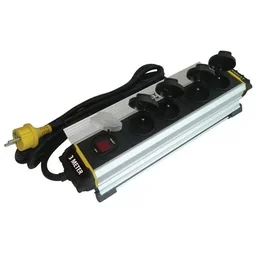
Small connection and clamping solutions such as should be listed as a separate material item if they are not included in the estimate. Before buying, confirm that the component is compatible with the existing installation and that the contractor will install materials supplied by the customer. Buying at a lower price only helps if the dimensions and approvals are correct.
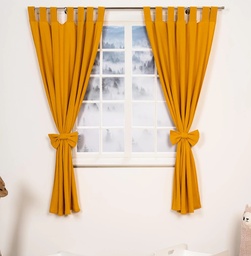
Equipment needed after the construction work is complete should also be included in your renovation budget. Window coverings such as can be budgeted separately from the contractor's work. For outdoor areas, plan material and labor costs separately as well, for example when planning paths, flower beds or seating areas in garden and outdoor.
How do you check invoices and the final walkthrough?
Compare every progress invoice with the work completed and the agreed payment schedule. Do not pay for work that has not been completed unless the contract says otherwise. Also check whether change orders have been approved and whether the stated quantities were actually needed.
During the final walkthrough, go room by room or section by section. Record outstanding items, deadlines and the person responsible. Keep the cost estimate, contractor estimate, change orders, invoices, photos and proof of payment together.
Additional advice
Keep a small part of your budget in reserve until the final walkthrough is complete. This is not to fund unplanned extras, but to cover documented repairs and any outstanding finishing work.
A carefully reviewed estimate does not automatically lower costs. It makes them easier to understand. When the scope of work, quantities, materials, additional costs and change orders are clearly defined, you retain control over every added expense.
Frequently asked questions
- Is a contractor's estimate legally binding?
- An estimate states the expected costs and generally does not bind the contractor in the same way as a fixed-price contract. So check the scope of work, assumptions and notes about additional costs. Require the contractor to notify you as soon as an overrun becomes foreseeable, and agree in the contract how change orders must be approved.
- How can I spot hidden costs in an estimate?
- Look for lump-sum items such as “installation flat rate,” “materials as needed,” “provided by the customer” and “plus additional costs.” Ask about travel, protective measures, disposal, scaffolding, waiting time, permits and sales tax. Have every open item clarified with a quantity or a clear pricing rule.
- How many contractor estimates should I compare?
- For larger construction and renovation projects, compare at least three estimates in most cases. Ask all contractors to price the same specifications. In addition to the total price, assess quantities, material quality, schedule, payment terms, warranty and how change orders are handled. This will help you identify genuine price differences.
- How much should I set aside for renovation costs?
- Set aside a smaller contingency when the work is clearly defined, and a larger one for older properties or work involving the roof, wiring, plumbing or walls. Ten to twenty percent is a rough guide. Also ask the contractor to identify known risks individually instead of hiding them as a lump sum in the budget.
- What should I do if costs exceed the estimate?
- Request a written breakdown explaining the reason, the additional work and the new total. Pause the affected work until you have reviewed and approved the change order. For urgent safety work, document the condition, photos, time spent and verbal agreement right away.
You may also be interested in
- Spotting building defects: How to protect your home
- Structural shell costs: How to realistically calculate your dream home
- Choosing a new-build home: A checklist for making the right choices
- Planning an affordable kitchen: Money-saving tips for your dream kitchen
- Understanding your heating bill: How to save money effectively
- Building on a budget: How to save money on your own home