
In brief: Hard watering water causes white deposits, clogged drippers and a rising pH level in the soil. This blocks nutrient uptake in many plants. You can treat your water by letting it stand, adding peat or using special water softeners. Rainwater is the most natural and best alternative for healthy garden irrigation.
How to Soften Water for Plants: Water the Right Way
White spots on leaves, crusted soil and constantly clogged drip irrigation systems – the symptoms of hard watering water are clear. Many plants quietly suffer from overly hard tap water. The solution is not complicated. You can treat water for your plants and optimise your garden irrigation.
Why does hard water harm my plants?
Limescale consists mainly of calcium and magnesium. In high concentrations, it affects the pH level of the soil. Most garden and houseplants prefer slightly acidic to neutral soil. Limescale makes it alkaline.
In alkaline soil, many essential nutrients such as iron, manganese and phosphorus are unavailable to plant roots. Plants can no longer absorb them. The result is malnutrition despite sufficient fertilisation.
Plants known as bog plants are particularly sensitive. Rhododendrons, azaleas and blueberries quickly develop yellow leaves with green veins. This chlorosis is a classic sign of iron deficiency caused by water with too much limescale.
The soil pH is the gateway to nutrient availability. If it is too high, the gateway to iron and other nutrients stays closed – no matter how much fertiliser you apply.
How can I tell if my water is hard?
The simplest test is the boiling test. Fill a clean saucepan with tap water and boil it until it has evaporated completely. If a white, hard rim remains, your water contains limescale.
You can find the official hardness of your tap water on the website of your local water supplier or on your annual bill. It is given in degrees of German hardness (°dH). Water is considered hard from around 14 °dH.
There are other signs in the garden. Irrigation hoses and drippers become clogged over time. The surface of the soil in pots or beds develops a whitish crust. After watering or spraying, limescale spots remain on smooth leaves.
Important note
Not all plants dislike limescale. Mediterranean herbs such as rosemary and lavender, as well as vegetables such as cabbage, cope well with hard water. Always check the specific needs of your plants in the plant accessories guide.
What methods are available for softening watering water?
You do not need to invest in expensive technology. Simple household remedies and careful planning of your garden irrigation are often enough.
1. Let the water stand
Fill your watering cans and leave the water to stand for at least 24 hours. Some of the dissolved limescale settles on the bottom. Any chlorine present may also evaporate, which can otherwise irritate many plant roots.
Do not stir the water before watering. Scoop or pour carefully without disturbing the sediment. This method works well for watering houseplants and small beds.
2. Boil the water
Boiling causes limescale to precipitate as carbonate. You can see this in the formation of kettle scale. Allow the boiled water to cool completely before using it.
The disadvantage is that boiling removes oxygen. Pour the water between two containers several times before watering. This reoxygenates it. The method uses a lot of energy and is only practical for small amounts of water.
Pro tip
Combine both methods: boil the water, let it cool and then leave it to stand for another day. This removes as much limescale and chlorine as possible at once. For large amounts, use an old rain barrel that is no longer used for food as a container for letting the water stand.
3. Add acid
You can lower the pH of the water by adding a mild acid. A splash of lemon juice or one tablespoon of vinegar per ten Liter of watering water is commonly used. Stir well and wait half an hour.
Be careful. If you use too much, you can damage the plants and soil organisms. Test the effect with pH strips. This method is suitable for targeted applications on particularly limescale-sensitive plants, not for watering large areas.
4. Natural softeners: peat and oak leaves
Fill a jute bag or an old nylon stocking with unfertilised garden peat or dried oak leaves. Hang this bag in your rain barrel or watering can for several days.
The humic acids they contain bind limescale and lower the pH naturally. This imitates the conditions found in bog and woodland soils. Replace the contents of the bag every few weeks.
Using peat is ecologically problematic. Choose local alternatives such as oak leaf bark or specially prepared, peat-free acidifiers from specialist retailers.
The queen of water-softening methods: collecting rainwater
Rainwater is naturally soft, free of limescale and free of charge. It is the ideal solution for healthy garden and outdoor irrigation. Installing a rain barrel or cistern is a worthwhile investment.
Modern barrels save space, have a secure lid to prevent algae and mosquitoes and often include a practical tap. Simply connect one to the downpipe of your gutter. An overflow prevents flooding.
For watering, use a watering can or connect a garden hose pump. This allows you to reach even remote areas of your beds. Rainwater is also at an ideal temperature and does not shock plant roots.
Additional advice
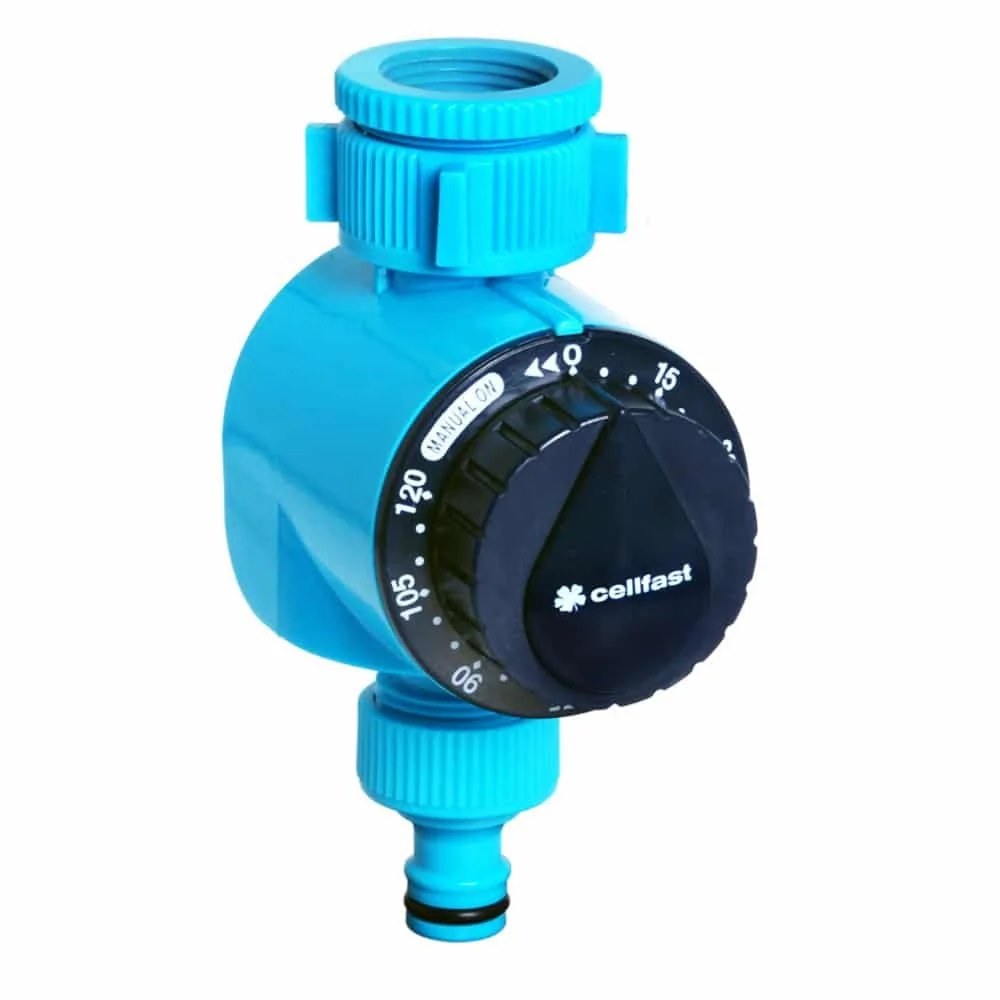
Combine rainwater harvesting with efficient distribution. A
or automatically controls watering times. This lets you water in the cool morning hours, when evaporation is low and your plants can absorb the soft water effectively.
Products to Help Reduce Limescale in Irrigation Water
In addition to the methods mentioned above, special products can help minimise the effects of limescale or manage watering more efficiently.
is a natural rock flour. Incorporated into the soil, it improves soil structure and can help keep nutrients available to plants even at a slightly elevated pH level. It is not a water softener, but a soil conditioner.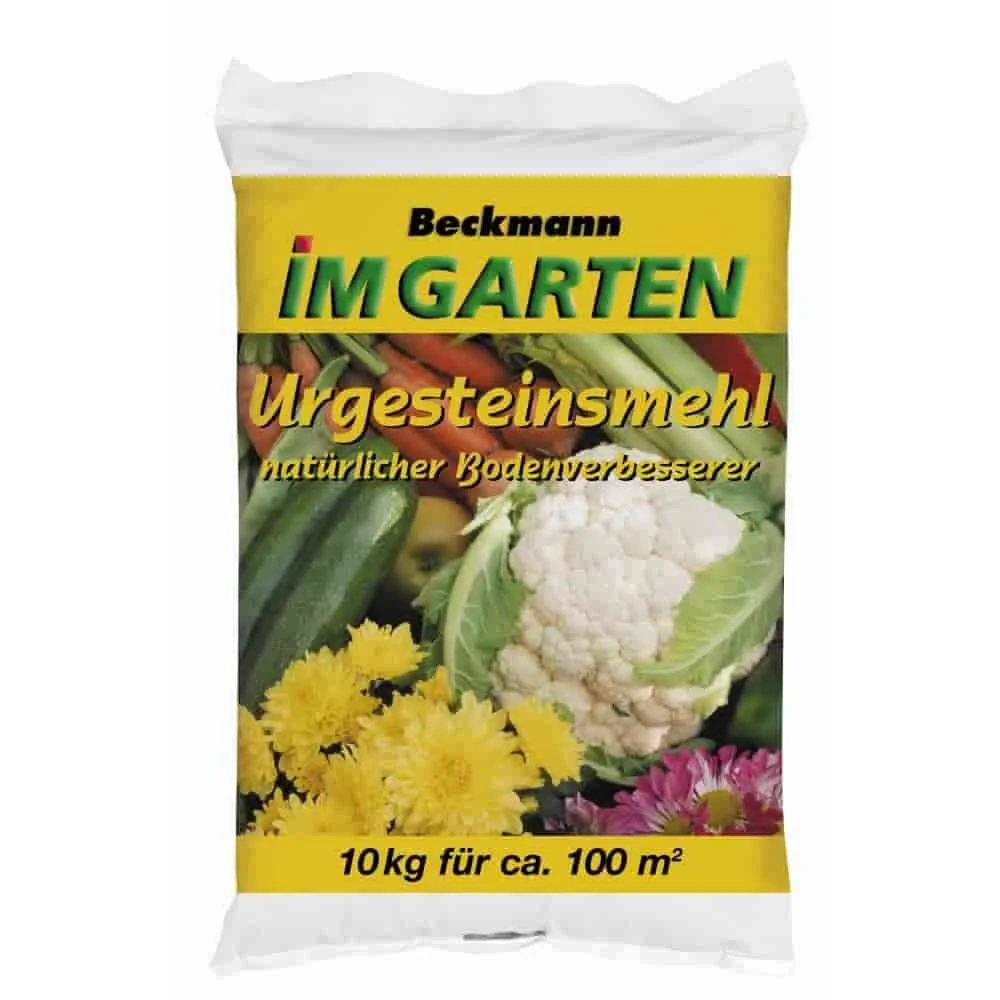
For automatic control, mechanical watering timers are ideal. The and switch off your irrigation after a preset time. This prevents overwatering and nutrient leaching, which is particularly important when using hard water.
For targeted, limescale-free watering of individual sensitive plants, a watering wand is a practical choice. It delivers water directly to the roots without wetting the leaves, where limescale marks could form.
Long-Term Measures: Keep an Eye on the Soil
Water treatment is only one part of the solution. The other is the soil itself. Regularly testing the pH level of your garden soil gives you peace of mind. Simple test kits are available from specialist retailers for garden tools and accessories.
If the pH level is too high, you can lower it by incorporating acidic materials into the soil. These include bark mulch, coniferous soil or special rhododendron fertiliser. These measures work slowly but provide lasting results.
Avoid applying lime-based fertiliser such as lawn lime to beds containing lime-sensitive plants. Instead, choose organic fertiliser or low-chloride mineral fertilisers.
Good soil care with regular applications of compost encourages active soil life. Microorganisms help make nutrients available to plants even under less-than-ideal pH conditions.
Conclusion: Soft Water for Healthy Plants
Limescale in tap water is an avoidable source of stress for many plants. The simplest and best solution is to use rainwater. Where this is not possible, letting water stand, adding acid or using natural filters are practical water-softening methods.
Keep an eye on your plants. White deposits and yellow leaves are warning signs. Combine soft watering water with watering tailored to the plants' needs, perhaps even with an automated irrigation system. Your plants will reward you with vigorous growth and healthy green leaves.
Discover more practical helpers for a water-saving, plant-friendly garden in our Plumbing & Irrigation category.
Frequently Asked Questions
- Which plants cannot tolerate hard water?
- Many bog plants and acid-loving species are sensitive to hard water. These include rhododendrons, azaleas, hydrangeas (for blue flowers), blueberries, gardenias and ferns. Some houseplants, such as orchids, also prefer soft water. Limescale raises the pH level and prevents plants from absorbing iron, which leads to chlorosis (yellow leaves).
- How can I test hard water at home?
- You do not need an expensive test. Fill a clean saucepan with water and boil it until it evaporates. A solid white residue left behind is limescale. Alternatively, use inexpensive test strips from an aquarium or pool retailer. These show the total hardness (GH) in °dH. Water is considered hard at around 14 °dH or above. A pH test strip also provides information about the acidity level.
- Does boiled water harm plants?
- No, quite the opposite. Boiling removes some of the dissolved limescale (calcium carbonate), as it precipitates out. Let the boiled water cool before watering. It is important to note that boiling also removes oxygen and any chlorine present. Stir the water thoroughly before watering or leave it to stand for a few hours so that it can become oxygenated again.
- Can I use a water filter for garden irrigation?
- Yes, certain filters are suitable. Ion-exchange systems or reverse-osmosis systems remove limescale effectively, but they are often expensive to buy and maintain. For garden use, you can also use a pre-filter for the garden hose to trap coarse particles. Simple jug filters are sufficient for smaller quantities of houseplant water.
- Is there anything I need to consider when using rainwater?
- Yes. Only collect rainwater in clean, dark water butts to minimise algae growth. Cover the butt with a lid to keep out mosquitoes and dirt. Clean the butt occasionally. Water collected from metal or bitumen roofs may contain heavy metals and is less suitable for vegetables. Water from glass or clay-tiled roofs is ideal.
You may also be interested in
- How to care for houseplants properly: Top tips for healthy greenery
- Liming garden soil: Your guide to healthy plants
- Optimal plant care: The basics for healthy gardens
- How to water plants properly in summer
- Watering outdoor plants: Tap water – yes or no? All the facts
- How to water plants properly: Tips for a plentiful harvest