
In brief: Effective insect screens for roof windows include made-to-measure solutions such as clip-on frames, pleated screens and blinds. These are mounted inside or outside the window and provide reliable protection. For rented homes or flexible solutions, Velcro systems or homemade frames with fly screen mesh are suitable. An accurate fit is essential to prevent gaps.
Insect Screens for Roof Windows: Practical Home Solutions
Roof windows bring light and fresh air into lofts and living spaces. However, opening them often lets unwanted guests in. Reliable insect screens provide the solution. We show you suitable systems and clever DIY methods.
Pro tip
Always measure your roof window in several places. Measurements can vary slightly, especially with older windows. Note down the smallest height and width measured when placing your order.
Why do roof windows need special insect screens?
Roof windows have specific requirements. Their sloping design and installation in the roof structure often make standard solutions unsuitable. A made-to-measure system does more than just keep insects out.
It also prevents leaves and coarse dirt from getting inside. Draughts are reduced without sacrificing fresh air. The right solution integrates seamlessly with the appearance of your window.
What types of insect screens for roof windows are available?
The range extends from simple nets to highly functional combination products. Installation takes place inside or outside. Your choice depends on the window type, how it is used and your budget.
Fixed clip-on frames with fly screen mesh
These classic systems consist of an aluminium or plastic frame. A robust fibreglass mesh is firmly secured in place. You fit the frame into the window reveal or attach it with clips.
The benefits are durability and a secure fit. The downside is the fixed installation. You must remove the entire frame for cleaning. For regular cleaning, you can find suitable accessories in our operating supplies category.
“A fixed clip-on frame is the most durable solution. Look for a frame made from anodised aluminium. It will not corrode and remains dimensionally stable even in damp conditions.”
Pleated screens and blinds with insect protection
Combination products combine several functions. The
for example combines sun protection and insect screening in one product. A fine mesh is integrated into the pleated blind.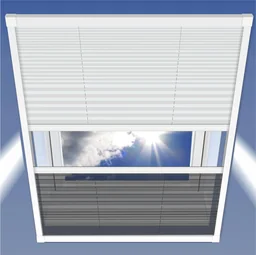
You can roll or fold the system away compactly when it is not in use. This option is particularly suitable for frequently used windows. It is quick and easy to operate.
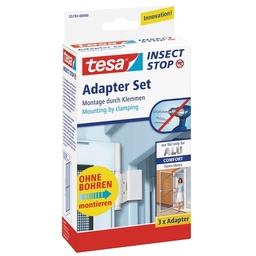
You often need special adapters to install these systems. Our
and make it easy to adapt them to different window models.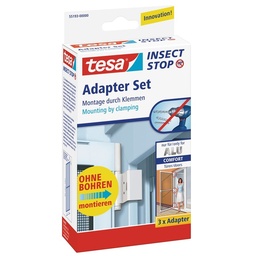
Velcro systems for flexible use
This solution is ideal for renters or flexible requirements. You stick Velcro tape to the window frame. The matching strip is sewn onto the mesh frame.
Fit the screen when needed and remove it for cleaning or during winter. Choose high-quality, washable Velcro material. Cheap versions quickly lose their adhesive strength.
Important note
Never use aggressive superglue or hot glue on the window frame for adhesive installation. They can permanently damage the surface. Only use the window-safe adhesive strips supplied.
How can you add insect screens to a roof window?
Retrofitting can be completed in just a few steps. Allow enough time for accurate measurements and preparation. Most systems can be installed with basic DIY skills.
Step 1: Taking the correct measurements
Take a metal tape measure. Measure the clear height and width of the window opening in three places. Note down the smallest measurement. If installing inside the reveal, measure the depth of the rebate.
For Velcro systems, measure the perimeter of the outer window frame. Add a few centimetres for overlap. You can find everything you need for precise work in the garden tools category.
Step 2: Choosing and buying materials
Choose the mesh according to your needs. Standard fly screen mesh keeps mosquitoes and flies out. Special tightly woven fabrics are available for people with pollen allergies. Pet-Screen mesh withstands pets’ claws.
For the frame, strips of pine or aluminium profiles are suitable. Aluminium is weather-resistant and lightweight. Wood has a more natural appearance but may require a protective coating.
“Mesh size is crucial. The standard is 1,2 x 1,2 mm. For areas where biting midges are a concern, I recommend 0,85 x 0,85 mm. This even keeps gnats out, with minimal impact on visibility.”
Step 3: Building a simple clip-on frame
Cut the frame strips to size. Join the corners with metal brackets and screws. For aluminium profiles, use special connectors. The frame must be exactly square.
Stretch the mesh over the frame. Staple or tack it securely along one side. Pull the mesh tight across the opposite side and secure it. Repeat the process for all sides.
Trim off any excess material. A tight foam sealing strip on the back improves the seal against the window reveal. You can find sealing materials in our plumbing section.
Additional advice
Paint or stain wooden frames before fitting the mesh. This protects the wood from the weather. Use non-toxic, waterproof stains suitable for indoor and outdoor use.
Inside or outside installation: which is better?
Both options have advantages and disadvantages. Your choice affects the effectiveness, ease of use and lifespan of the insect screen.
Advantages of inside installation
The screen remains protected from the weather. Rain, UV radiation and frost have less impact on the material. You can easily access the system for cleaning or removal.
Installation is often easier. You can work indoors in dry conditions. In rented homes, this solution is usually easy to install and can be removed without leaving any marks.
For electric solutions such as the
, inside installation is standard. The wiring remains protected.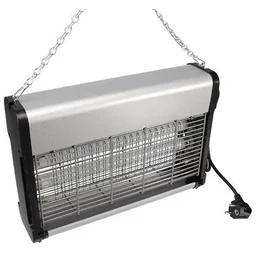
Advantages of outside installation
Insects encounter the barrier before they reach the window. They do not even get into the window rebate. This is more hygienic and reduces dirt in the gap.
You keep the entire inside windowsill clear. No frame protrudes into the room. The view outside remains almost unobstructed. The system is barely visible from outside.
For safe installation at height, you need sturdy equipment. Take a look at our garden equipment category for suitable ladders and work safety equipment.
Which mistakes should you avoid?
Small inaccuracies can make the entire screen ineffective. Plan carefully and proceed systematically.
Incorrect measurements and inaccurate cutting
The most common mistake is inaccurate measuring. A gap of just a few millimetres allows insects to get through easily. Never cut frames or mesh by guesswork.
Use sharp tools. A frayed mesh edge is not only unsightly. It can continue to unravel and create large holes.
Unsuitable fixing methods
Do not screw blindly into the window frame. Check whether there are cables or reinforcements behind it. Use existing drill holes or the window rebate.
When using adhesive tape, clean the bonding surface thoroughly with alcohol. Grease or dust significantly reduces the adhesive strength. Press the tape down firmly after applying it.
Care and maintenance of your insect screen
Regular care extends the lifespan by years. A clean mesh is also more effective. Dust and pollen clog the mesh and reduce airflow.
Clean the mesh at least twice per season. With fixed frames, remove the entire frame. Carefully vacuum the mesh using an upholstery nozzle.
For heavier dirt, use lukewarm water with mild washing-up liquid. Dab the mesh rather than rubbing it. Allow the frame to dry completely before putting it back in place.
Check the fixings regularly. After several years, screws can become loose or adhesive tape can come away. Tightening or replacing them in good time prevents damage.
You can find cleaning and maintenance aids in our extensive shop. From special brushes to gentle cleaning products, everything is available.
Electric alternatives: fly lamps and more
Alongside mechanical barriers, electric solutions are also available. They are suitable as an extra measure or for rooms where permanent installation is not possible.
UV fly lamps like this attract insects with light. An integrated grid then eliminates them electrically. These devices cover large areas and operate silently.
Place the lamp near the window, but not directly in a draught. At night, the light should be the only strong light source in the room. Clean the collection tray regularly.
Smaller versions such as the
are suitable for compact attic rooms or bathrooms with roof windows. Pay attention to the stated coverage area in square metres.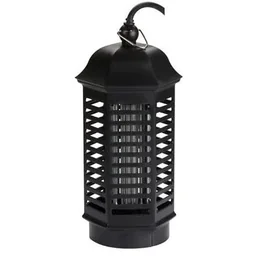
Electric insect screen blinds automate the process. Using a remote control, you can move the screen in front of the open window. These systems are convenient, but more expensive to purchase.
Conclusion: finding the right protection
Effective insect protection for your roof window is not rocket science. Choose between ready-made systems like this and individual DIY solutions. Consider the installation method, maintenance requirements and appearance.
With careful planning and the right technique, you can create an insect-free zone. You gain comfort and quality of life in your attic. Fresh air remains welcome while unwanted visitors stay outside.
Browse our Garden + Outdoor category for more ideas for a protected home. From screens for patio doors to protection for garden sheds, you will find suitable products.
Frequently asked questions
- Can I install insect screens for roof windows myself?
- Yes, many systems are designed for DIY installation. Velcro systems or tension frames with insect mesh can often be fitted without special tools. Precise measurement of your window is essential. More complex electric systems or external installations often require specialist knowledge.
- How much does an insect screen for a roof window cost?
- Costs vary considerably. Simple Velcro mesh kits start at 20-40 euros. Made-to-measure tension frames or pleated screens such as PRODUCT_89378 cost between 60 and 150 euros. High-quality electric roller blinds or external systems are more expensive. The investment provides long-term protection against insects.
- Which system is best for sloping roof windows?
- Fixed tension frames or special pleated screens that follow the angle are suitable for sloping windows. They do not warp and ensure a tight fit. Simple Velcro strips can cause problems on steep slopes. Ask a specialist retailer for advice on made-to-measure solutions.
- Does an insect screen restrict ventilation?
- Modern insect screens made from fine-mesh material hardly reduce air circulation. You can ventilate freely while keeping mosquitoes, flies and wasps outside. Look for high-quality, breathable material. Good systems are almost invisible and have minimal impact on natural light.
- How do I clean the screen on my roof window?
- Remove loose dust with a soft brush or vacuum cleaner. If it is heavily soiled, remove the frame and clean the mesh with lukewarm water and mild washing-up liquid. Allow the mesh to air-dry completely before putting it back in place.