
In brief: Stair carpet can make your stairs more slip-resistant if you measure each step precisely, clean the surface and secure the covering over its entire area with a suitable carpet adhesive. Cut the tread and riser to fit exactly, secure the edges and allow the adhesive to cure fully before using the stairs.
Stair carpet can make your stairs more slip-resistant if you measure each step precisely, clean the surface and secure the covering over its entire area with a suitable carpet adhesive. Cut the tread and riser to fit exactly, secure the edges and allow the adhesive to cure fully before using the stairs.
Wood, stone and painted steps can become slippery when wet or when wearing smooth socks. The right stair covering improves grip, cushions footsteps and makes the stairs more comfortable. It also protects sensitive surfaces from scratches and reduces noise between floors.
No floor covering is slip-proof in every situation. Water, grease, loose fibres and raised edges remain hazards. The key factors are a suitable carpet, a clean surface, an approved adhesive and careful installation on every individual step.
Why is stair carpet worthwhile for safety at home?
Stair carpet creates a textile-textured surface. Shoes grip it better than smooth paint or polished stone. Particularly on steep stairs, in entrance areas and along heavily used routes, this can help provide a safer footing.
However, the covering must be firmly secured. A slipping stair runner is more dangerous than a bare, intact step. A pile that is too thick can also catch the toe of a shoe or snag on the front edge. Therefore, choose a dense, preferably low-pile carpet with a durable backing.
Slip-resistant does not mean non-slip
Before buying, check the usage class, care instructions and suitability for stairs. Carpet designed for a living room will not automatically withstand the constant strain of walking up and down stairs. Look for shape-retaining edges, an abrasion-resistant surface and a backing that is compatible with the adhesive you intend to use.
- The front edge of every step remains smooth and does not protrude.
- The carpet lies flat without creases, bubbles or exposed side edges.
- Handrails and lighting remain freely accessible.
- The covering dries completely after cleaning.
Further advice on safe working, hand protection and suitable equipment can be found in the Workplace Safety and Protection category.
Important note
Do not cover loose, cracked or deformed steps with carpet. Repair damaged edges and check the load-bearing capacity first. Remove old adhesive residue completely if it would make the new covering uneven. If there is moisture in the substrate, wait until the cause has been resolved before installing the carpet.
“Stairs must be safe to use and must not present tripping hazards.”
Which stair covering is right for your stairs?
There are three common solutions: wall-to-wall carpet, a narrow stair runner or individual stair tread mats. The best choice depends on the shape of the stairs, the substrate, how heavily they are used and how much cleaning you are prepared to do.
Wall-to-wall carpet for treads and risers
A wall-to-wall covering covers every tread and the vertical riser. It creates a calm appearance, protects the material evenly and reduces noise particularly well. This solution requires the most precise cutting and secure bonding along all edges.
Stair runner or stair tread carpet
A stair runner leaves a visible strip of the stairs uncovered along each side. This suits wooden steps when you want to preserve their appearance. An individual stair tread mat, meaning one cut-to-size mat per tread, can be replaced more quickly. However, it must not move and needs a secure grip along the front edge.
With a stair runner, first determine the width of the walking zone. Leave the same amount of step visible on the left and right. Small deviations are immediately noticeable with a straight pattern. With a patterned covering, you must also check how the pattern runs across all the steps.
Which material is suitable?
Polyamide withstands heavy use and is easy to clean. Wool has a premium feel but is more sensitive to unsuitable cleaning products and prolonged moisture. Loop-pile carpet generally retains its shape, while very soft deep-pile carpet can obscure the contour of the step edge.
For children and pets, choose a covering from which stains can be removed quickly. A dark, mottled colour hides everyday marks better than a very light, plain carpet. Nevertheless, check slip resistance and durability, not just the pattern.
Pro tip
Order a sample before cutting. Place it on the tread and riser, check the direction of the pile and test the adhesive in a concealed area. This allows you to identify colour variations, pressure marks and an unsuitable material thickness before cutting the entire stair covering.
For work on high walls or in hard-to-reach areas, you need a stable solution. A ladder suitable for stairs, such as
can make positioning easier. Nevertheless, set it up according to the manufacturer's instructions, secure it and never climb sideways onto an unprotected step.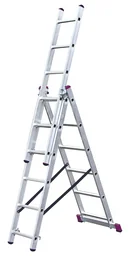
How do you measure and prepare the steps?
Older staircases are rarely accurate to the millimeter. Wood expands and contracts, plaster can stick out at the sides, and previous renovations can change the tread depth. So don’t measure just the first step and use those dimensions for all the others. Make a separate template or clearly labelled cutting pattern for each step.
Measurements you’ll need
- Tread width at the front, center and back.
- Tread depth from the front edge to the junction with the riser.
- Riser height from the back edge of the tread to the next tread.
- Front edge thickness and shape, plus the desired overhang.
- Side clearance for a stair runner.
First, cut templates from sturdy cardboard. Then transfer the measurements to the back of the carpet. Mark the top, bottom, left and right. An arrow showing the pile direction helps keep the carpet looking consistent across all the steps.
Clean and check the surface
Remove dust, sand, grease and loose paint. Vacuum the corners and the area underneath the front edge especially thoroughly.
helps you clean the steps. This model does not include a battery or charger.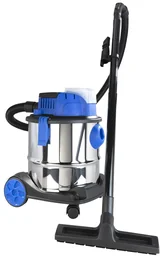
Lightly sand wooden steps with glossy varnish, taking care not to round off the edges. Concrete and stone must be dry and free of release agents. Use a long straightedge to check whether uneven spots would show through the carpet. Fill and sand any hollows before applying adhesive.
Have two people carry carpet rolls and larger cut pieces. If you need to move materials or tools between floors, stair-climbing hand trucks can make the job easier. Keep the stairs clear while moving items, and secure loose rolls so they can’t roll away.
Extra tip
Let the carpet acclimate in the room before cutting it. Leave it flat so any curl from the roll can relax. Avoid working in a strong draft or on a cold, damp surface. Temperature and humidity affect both the material and the adhesive’s open and curing times.
How do you install stair carpet step by step?
Read the installation instructions from the carpet and adhesive manufacturers. Some systems are fully glued down, while others require contact adhesive, primer or mechanical fasteners. Don’t use just any construction adhesive. It could damage the carpet backing or show through later.
1. Dry-fit the carpet pieces
Place each template on the back of the carpet and trace the outline. Cut along a straightedge with a sharp carpet knife. Replace dull blades right away. A clean cut prevents frayed edges and makes it easier to line up the carpet with the stair nose.
Place the cut pieces on the correct steps without adhesive. Check the front edge, side gaps and transition to the riser. Number the backs. Make any adjustments now, before applying the adhesive.
2. Work from the top down
As a rule, start at the top and work your way down. That way, you won’t have to walk over freshly glued steps. Secure the work area at the top and position tools so nothing can fall onto the stairs.
3. Apply adhesive in sections
Apply adhesive evenly with the appropriate notched trowel. Work on only as much surface as you can cover within the adhesive’s open time. Too much adhesive can cause ripples, extend drying time and squeeze out at the sides.
Follow the recommended flash-off time. With contact adhesives, both surfaces often need to flash off before you join them. Dispersion adhesives work differently. Follow the product data sheet.
4. Fit the tread and riser
Align the carpet with a clear reference edge and press it firmly from the center outwards. Use a pressure roller or clean carpet tool. Smooth air bubbles toward the edges.
If the installation system calls for it, wrap the carpet neatly over the front edge. Press it down with an edge roller. Wait until the carpet is firmly in place before trimming any excess. For a stair runner, keep the side gaps consistent on every step.
5. Check the edges
Run your fingers along every edge. The carpet shouldn’t lift, fray or stick out into the walking area. Clean up adhesive residue right away, following the manufacturer’s instructions. Don’t use a solvent that could damage the color or carpet fibers.
6. Let the adhesive cure
Keep everyone off the stairs for the full curing time. Children, pets and visitors must stay out of the area. Ventilate as directed by the adhesive manufacturer, but avoid strong drafts if they could make the surface dry too quickly.
“Slip-resistant flooring, clear walkways and a secure handrail all help prevent falls.”
What should you know about installing a stair runner on straight and winding stairs?
On a straight staircase, use a string line or laser level to center the stair runner. Mark the walking area on each step. Check the line again after a few steps, since small deviations become clearly visible near the top.
Winding stairs
The usable width changes on winding steps. The inside is often narrower, while the outside is wider. Make a template for each step and set the pile direction. A standard cut from a rectangular roll rarely fits without adjustments.
For sharply winding, open or very steep staircases, have a specialist plan the installation. The exposed edges need particular care. The carpet must not extend into an open gap or form a loop at the tip of a step.
Protect children and pets
Keep everyone off the stairs while installing the carpet and waiting for it to dry.
When choosing a new floor covering, you can also compare carpet available for immediate delivery. The key factors are still the material, backing, care requirements and suitability for stairs. A decorative pattern can’t replace secure installation.
How do you care for stair carpet and make sure it stays safe?
Vacuum the stairs regularly using a suitable attachment. Start at the top and work your way down one step at a time. This prevents loosened dirt and small stones from remaining on already cleaned surfaces. Sand acts like sandpaper and puts particular strain on the front edges.
How to remove stains properly
Immediately blot spilled liquids with an absorbent cloth. Do not rub vigorously, as this can push the stain deeper into the fibers. Only use cleaning products approved by the carpet manufacturer. Excess water can seep into the wood or underneath the carpet.
Check these areas regularly
- Front edges for raised or frayed areas.
- Side edges of the stair runner for changing gaps.
- Transitions between treads and risers for wrinkles.
- Adhesion on heavily used lower and middle steps.
- Handrail, lighting and clear passage width.
Repair small loose edges immediately with a suitable repair product according to the manufacturer's instructions. In the event of large bubbles, persistent movement or a damaged carpet backing, the covering must be partially or completely removed. Do not simply glue a new layer over the old one.
A carefully cut and fully bonded stair carpet improves underfoot safety, reduces noise and protects the stairs. Choose a durable stair covering, measure each step individually and allow the adhesive sufficient time to set. This will keep your stairs safe, clean and attractive in everyday use for a long time.
Frequently Asked Questions
- What adhesive should I use for stair carpet?
- Use a stair adhesive approved for both the carpet and your subfloor. Wood, concrete, stone and painted steps have different requirements. The adhesive must provide a lasting bond, must not bleed through the carpet and must be allowed to air for the specified time. Check the technical data sheet and test compatibility in an inconspicuous area.
- Is a stair runner safer than individual stair treads?
- A professionally installed stair runner can make the entire walking area slip-resistant and create a more uniform look than individual treads. Full-surface adhesion, neatly sealed edges and a suitable carpet are crucial. Loose stair treads, raised corners or poorly positioned adhesive strips create trip hazards and have no place on a heavily used staircase.
- How do I measure stairs for carpet?
- Measure each tread at several points, as width and depth are rarely exactly the same. Also record the riser height, front edge and desired edge gaps. Transfer the measurements to a template and label it with the step number. This helps you avoid mixing up cut pieces and allows you to correct deviations before gluing.
- Can I glue stair carpet to wood steps?
- Yes, provided the wood steps are structurally sound, dry, clean and free from wax or loose paint. Sand glossy coatings to roughen them, remove the dust and use an adhesive approved for both wood and the carpet backing. Repair damaged edges beforehand. For valuable original steps, reversible fixing or professional advice is recommended.
- How long does stair adhesive need to cure?
- The adhesive manufacturer specifies the exact curing time; it depends on temperature, humidity, layer thickness and subfloor. Keep the stairs completely clear during this time. Do not rely only on the airing time. Allow access to the steps again only once the covering is firmly fixed, no edges are moving and the adhesive can withstand foot traffic.
You might also be interested in
- Renovate your staircase: How to make old steps look like new yourself
- Make slippery stone flooring safe: Patios and garden paths
- How to hang patterned wallpaper for the perfect wall
- Laying laminate over carpet: Does it really work?
- Clean your carpet: Remove stains and refresh colors
- How to hang photo wallpaper: Step by step to your dream wall