
Kurz erklärt: Ein gutes Jagdmesser ist Werkzeug und Tradition zugleich. Für 2026 zeigen wir Ihnen, worauf es wirklich ankommt: Eine ausgewogene Klinge aus hochwertigem Stahl, eine sichere und ergonomische Griffigkeit und die passende Form für Ihre Einsatzzwecke wie Aufbrechen oder Zerwirken. Unser Vergleich hilft Ihnen, das Messer zu finden, das zu Ihrer Jagdpraxis passt.
Ein verlässliches Jagdmesser ist der treueste Begleiter eines Jägers. Es ist mehr als nur eine Klinge. Es ist ein präzises Werkzeug für den waidgerechten Umgang mit dem erlegten Wild. Die Auswahl an Modellen ist groß. Unser Test und Vergleich für 2026 schafft Klarheit.
Wir stellen Ihnen die entscheidenden Kriterien vor und helfen Ihnen, das passende Messer für Ihre Anforderungen zu finden. Ob Sie nun nach einem robusten Allrounder oder einem spezialisierten Set für die komplette Arbeit am Wild suchen.
Inhaltsverzeichnis
Welche Kaufkriterien sind für Jagdmesser entscheidend?
Bevor Sie sich für ein bestimmtes Modell entscheiden, sollten Sie Ihre persönlichen Anforderungen klar definieren. Fragen Sie sich, welche Arbeiten Sie hauptsächlich verrichten werden.
Das klassische Aufbrechen im Wald stellt andere Ansprüche als das detailgenaue Zerwirken in der heimischen Werkstatt. Auch die Jagdart spielt eine Rolle. Ein Messer für die Drückjagd kann anders aussehen als eines für die Ansitzjagd.
Einsatzgebiet definieren
Machen Sie sich Gedanken über Ihren typischen Ablauf. Benötigen Sie ein Messer, das alles kann? Oder bevorzugen Sie spezialisierte Klingen für einzelne Arbeitsschritte?
Viele Jäger setzen auf ein Kombinationssystem. Dazu gehört ein feststehendes Aufbrechmesser für die erste Arbeit und ein separates Zerwirkmesser für die Feinheiten.
Tipp: Beginnen Sie mit einem qualitativ hochwertigen Allround-Messer. Mit zunehmender Erfahrung erkennen Sie selbst, ob Sie für bestimmte Aufgaben eine speziellere Klinge benötigen.
Klingenformen und ihre Aufgaben
Die Form der Klinge bestimmt maßgeblich ihre Eignung für bestimmte Schnitte. Die drei häufigsten Typen im Jagdeinsatz sind die Clip-Point-, die Drop-Point- und die Skinner-Klinge.
Die Drop-Point-Klinge ist ein beliebter Allrounder. Ihr Rücken fällt zur Spitze hin ab, was eine sehr kontrollierbare und stabile Spitze ergibt. Sie eignet sich gleichermaßen für das Aufbrechen und erste Zerlegearbeiten.
Die Clip-Point-Klinge hat eine schärfere, schmalere Spitze. Sie ist ideal für präzise Einstiche und feine Arbeiten. Für das grobe Trennen von Gelenken ist sie weniger robust.
Die typische Skinner-Klinge hat eine breite, stark gebogene Schneide. Diese Form ist perfekt zum Abziehen von Decken, da die Klinge unter der Haut entlanggeführt werden kann, ohne diese einzureißen.
Spezialklingen für Profis
Neben den Standardformen gibt es Spezialisten. Dazu gehören etwa doppelhändige Trennwerkzeuge oder spezielle Hufmesser für die Bearbeitung von Schalenwild.
Für anspruchsvolle Arbeiten am Schalenwild kann ein spezialisiertes Werkzeug wie das
oder das eine Überlegung wert sein. Diese Modelle bieten eine professionelle Klinge für präzises Trimmen.

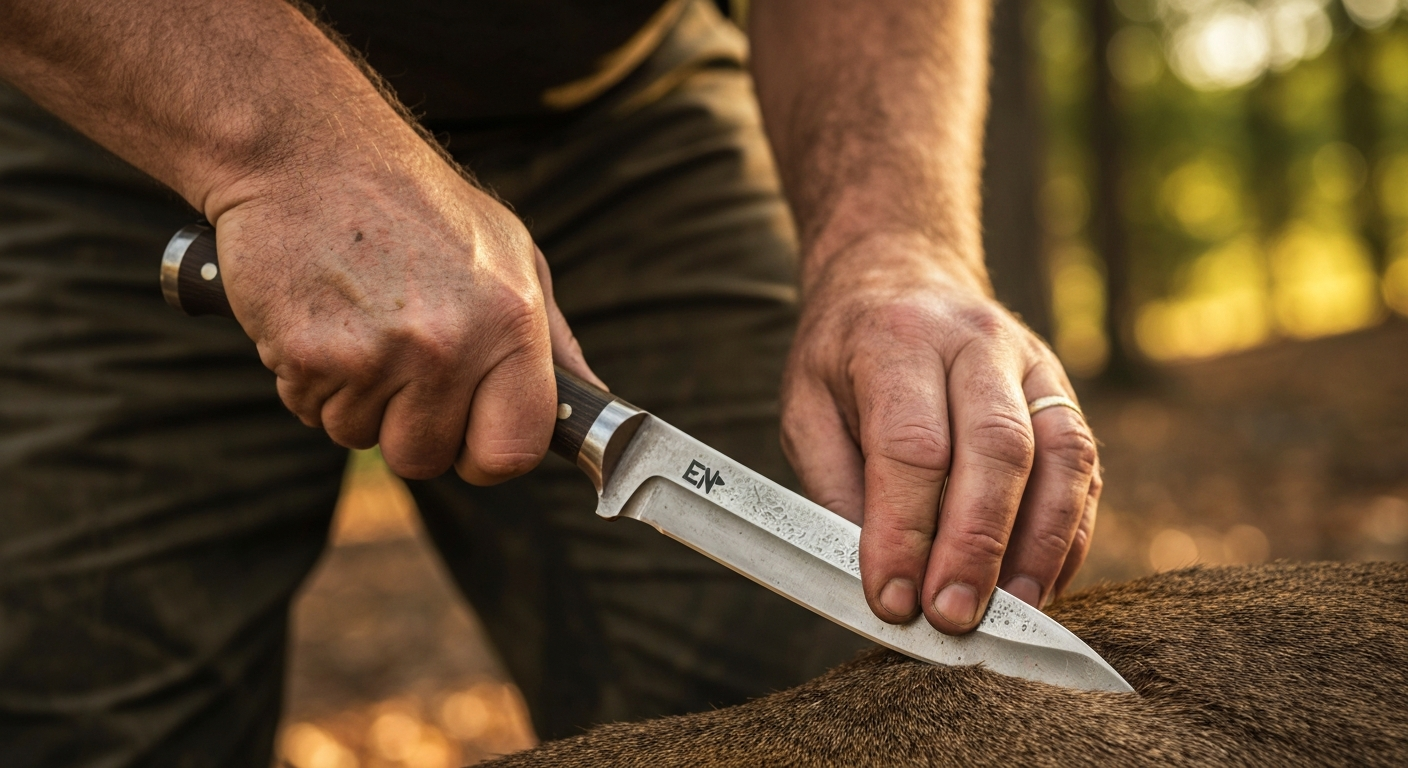
Material: Die Wahl des richtigen Stahls
Das Herzstück jedes Messers ist die Klinge aus Stahl. Hier entscheidet sich, wie lange die Schärfe hält, wie korrosionsbeständig das Messer ist und wie leicht Sie es nachschärfen können.
Rostfreie Stähle sind die erste Wahl für die meisten Jäger. Sie bieten einen guten Kompromiss aus Leistung und Pflegeleichtigkeit. Moderne Legierungen wie VG-10 oder Sandvik 14C28N halten lange scharf und widerstehen Blut und Feuchtigkeit sehr gut.
Kohlenstoffstähle lassen sich hervorragend scharf machen und sind relativ einfach nachzuschleifen. Sie sind jedoch anfällig für Rost und erfordern eine aufmerksame Pflege und Trocknung nach jedem Einsatz.
Achtung: Billige, weiche Stähle verlieren ihre Schärfe extrem schnell. Eine stumpfe Klinge ist gefährlicher als eine scharfe, da Sie mehr Kraft aufwenden müssen und die Kontrolle verlieren können. Investieren Sie in Qualitätsstahl.
Griff und Handhabung: Sicherheit geht vor
Der Griff muss auch unter schwierigen Bedingungen einen sicheren Halt bieten. Nasse oder blutverschmierte Hände dürfen nicht zur Gefahr werden.
Traditionelle Materialien wie Stabilisiertes Holz oder Walnuss sind atmungsaktiv und liegen angenehm in der Hand. Sie können bei Nässe jedoch an Halt verlieren.
Moderne Synthetikmaterialien wie G10, Kraton oder Grivory sind hier im Vorteil. Sie bieten auch bei Nässe, Kälte oder Verschmutzung einen ausgezeichneten, rutschfesten Grip und sind nahezu unverwüstlich.
Ergonomie und Schutz
Achten Sie auf eine ergonomische Form, die Ihre Hand nicht ermüdet. Ein angemessener Handschutz, sowohl vor als auch hinter dem Griff, verhindert das Abrutschen auf die Klinge.
Besonders bei anstrengenden Zerlegearbeiten ist ein bequemer Griff entscheidend. Ein gutes Jagdmesser wird zur Verlängerung Ihrer Hand.
Hinweis: Probieren Sie den Griff möglichst vor dem Kauf aus. Fühlt er sich auch in verschiedenen Haltepositionen (Hammergriff, Pinzettengriff) sicher und bequem an? Das Gefühl ist subjektiv und entscheidend.
Pflege und Wartung Ihres Jagdmessers
Ein hochwertiges Jagdmesser ist eine Investition für Jahre. Die richtige Pflege erhält den Wert und die Funktion.
Reinigen Sie die Klinge nach jedem Gebrauch sofort mit warmem Wasser und mildem Spülmittel. Trocknen Sie sie gründlich ab. Lagern Sie das Messer stets trocken und geschützt, zum Beispiel in einer Scheide oder einem Kofferfach.
Für die Schärfung benötigen Sie grundsätzlich zwei Werkzeuge: Einen Wetzstahl zum regelmäßigen Abziehen der Schneide und Justieren der Microfasern. Und ein Schleifsystem (Steine, Keramikstäbe) zum Wiederherstellen des Grundschliffs, wenn die Klinge tatsächlich stumpf geworden ist.
Die richtige Aufbewahrung
Ein Transport- und Aufbewahrungssystem schützt die Klinge und Sie selbst. Für ein Set aus mehreren Werkzeugen ist ein organisierter Koffer die beste Lösung.
Ein solches System bietet zum Beispiel das
. Es bietet Platz für verschiedene Klingen und gewährleistet einen sicheren Transport.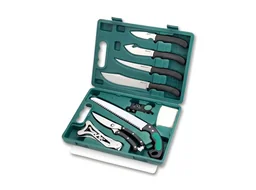
Vergleich der besten Jagdmesser 2026
Die folgende Tabelle gibt Ihnen einen direkten Überblick über ausgewählte Modelle und ihre Kernmerkmale. Nutzen Sie sie für Ihre Entscheidung.
Die meistbewerteten Jagdmesser aus unserem Sortiment im direkten Vergleich:
| Modell | Kundenbewertung | Verfügbarkeit |
|---|---|---|
| Aufbruch- und Zerwirkset im Aufbewahrungs- und Transportkoffer, 10-teilig | – | Derzeit nicht verfügbar |
| Aesculap Doppeltes Hufmesser Große Klinge für Vieh - Professionelles Trimmen | – | Derzeit nicht verfügbar |
| Aesculap Doppelhufmesser, Mittlere Klinge, Ergonomisches Design | – | Derzeit nicht verfügbar |
| Aesculap GTA310 Rechter Hufmesser Kleine Klinge für Präzises Trimmen | – | Derzeit nicht verfügbar |
| Aesculap GTA311 Linkes Hufmesser Kleine Klinge Ebenholzgriff | – | Derzeit nicht verfügbar |
Fazit und abschließende Kaufberatung
Die Wahl des richtigen Jagdmessers ist eine sehr persönliche Entscheidung, die von Ihrem Jagdstil, Ihren Ansprüchen und Ihrem Budget abhängt.
Einsteiger sollten zu einem robusten Allround-Messer mit Drop-Point-Klinge aus rostfreiem Qualitätsstahl greifen. Achten Sie auf einen rutschfesten Griff und eine gute Verarbeitung.
Fortgeschrittene Jäger und Profis können über den Einsatz spezialisierter Klingen nachdenken. Ein separates Aufbrech- und Zerwirkmesser oder sogar ein komplettes Set wie das steigert die Effizienz.
Denken Sie immer an die Sicherheit und die Pflege. Ein scharfes, gut gepflegtes Messer ist ein sicheres und effektives Werkzeug. Stöbern Sie in unserer Kategorie für Jagdmesser und entdecken Sie weitere Modelle. Wir wünschen Ihnen stets eine gute und waidgerechte Jagd.
Für alle weiteren Bedürfnisse rund um die Jagd oder die allgemeine Landwirtschaft stehen wir Ihnen mit unserer Expertise zur Seite.
Häufige Fragen
- Welcher Stahl eignet sich am besten für ein Jagdmesser?
- Hochlegierte, rostfreie Stähle wie VG-10 oder 1.4116 bieten eine gute Balance aus Schärfehaltigkeit, Korrosionsbeständigkeit und leichter Nachschärfbarkeit. Karbonstahl wird sehr scharf, rostet aber leichter und erfordert mehr Pflege. Die Wahl hängt von Ihrem Pflegeaufwand und Einsatzgebiet ab.
- Was ist der Unterschied zwischen einem Aufbrech- und einem Zerwirkmesser?
- Ein Aufbrechmesser hat eine schlankere, oft etwas längere und gebogene Klinge zum Öffnen des Wildkörpers und Trennen der Gelenke. Ein Zerwirkmesser ist kürzer, breiter und stabiler, ideal zum Abtrennen von Fleischpartien vom Knochen und für präzise Schnitte.
- Brauche ich ein feststehendes oder ein Klappmesser für die Jagd?
- Feste Messer bieten maximale Stabilität und Hygiene, da sich kein Schmutz im Mechanismus sammelt. Klappmesser sind sicherer im Transport und handlicher für den Einsatz am Hochsitz. Die Entscheidung ist eine Frage der persönlichen Präferenz und Sicherheit.
- Wie pflege und schärfe ich mein Jagdmesser richtig?
- Reinigen Sie das Messer nach jedem Gebrauch mit warmem Wasser, trocknen es sofort ab und ölen die Klinge bei Bedarf. Verwenden Sie zum Schärfen einen feinkörnigen Wetzstahl für den Abzug und einen Schleifstein oder ein professionelles Schleifsystem für die Grundschärfe.
- Ist ein Griff aus Holz oder Synthetik besser?
- Holzgriffe (wie Walnuss) liegen traditionell und gut in der Hand, können aber bei Nässe rutschig werden. Moderne Synthetikmaterialien wie G10 oder Kraton bieten auch bei Nässe und Blut extrem sicheren Halt, sind unempfindlich und pflegeleicht.