
In brief: A Japanese maple thrives in a Zen garden in a sheltered spot with morning or evening sun and humus-rich, evenly moist, well-drained soil. Protect its shallow roots from drying out and waterlogging, prune sparingly, and use the maple as a peaceful focal point among stones, moss, and open spaces.
A Japanese maple brings a sense of calm and seasonal change to the garden with its delicate canopy, shaped leaves, and fall color. It makes a particularly striking focal point on its own in a Zen garden. It does not need elaborate pruning to shape it; it needs the right location and a design that gives it room to shine.
The name covers many varieties with different growth habits and leaf colors. Some grow upright, while others develop cascading branches. Before buying, check the mature size of the variety and compare it with the space you have available. This helps you choose a tree that suits both its location and your garden design from the start.
Why does a Japanese maple suit a Zen garden?
The Japanese maple's strength lies in its clean silhouette. Its delicate branches and leaves contrast with stones, gravel, and low-growing plants. The tree puts out fresh growth in spring, forms a dense canopy in summer, and adds a vivid touch of yellow, orange, or red in fall.
In a Zen garden, the view from a distance matters just as much as the close-up. Plan an unobstructed sightline to the maple, perhaps from a patio, seating area, or path. Leave open space around the canopy and trunk. A second large specimen planted right beside it will diminish some of its impact.
Choose a variety for its shape, not just its fall color. Upright varieties work well against a quiet backdrop, while a cascading Japanese maple makes an impact beside a low stone feature or at the edge of a pond. Compact varieties suit small gardens. Read the plant label and account for the tree's mature spread before choosing a spot.
“Right plant, right place.” Choosing the right plant for the right location avoids the need for adjustments and supports healthy growth.
This principle also helps when choosing trees for your garden: consider light, soil, and available space before focusing on color. A maple in the right spot needs less intervention and keeps its natural shape. This suits a restrained garden design, where a few well-placed features define the space.
What location and soil are best?
Protect the leaves and canopy from stress
A partially shaded, sheltered location is a good choice for many varieties. Gentle morning or evening sun brings out the color, while light shade during the hottest part of the afternoon protects the leaves. Young plants are especially sensitive to drying winds and strong midday sun. Heat can build up in a sheltered courtyard, though, so observe the spot on a warm day before planting.
Leaf tips that turn brown and dry often point to heat, wind, or a lack of water. Sun can be particularly intense on varieties with light-colored or finely cut leaves. Dark-leaved varieties often tolerate more light, but they too benefit from consistent watering. Choose a location based on your garden's conditions rather than sunlight requirements in general.
Prepare the soil carefully
The soil should be rich in humus, moist, and well-drained. The root ball must not dry out, but it should not sit in water for long periods either. Loosen compacted soil before planting and mix in mature compost if the soil is low in humus. If you have heavy soil, improve conditions by preparing a suitable planting area with good drainage. A layer of gravel at the bottom of the planting hole is no substitute for well-drained soil.
Japanese maples generally prefer slightly acidic to neutral soil. Test the soil if you suspect it contains too much lime or if nearby plants are struggling. Avoid generous, blanket applications of fertilizer or soil amendments. Find gloves, a planting trowel, and other useful supplies in our Garden + Plant Accessories selection.
Plant the maple at the same depth
Dig a planting hole wider than the root ball and set the tree at the same depth it was growing in its pot. Backfill with the loosened soil and press it down gently. Water thoroughly so the soil settles around the roots. A thin layer of mulch helps retain moisture. Leave a clear space around the trunk.
You can also grow a Japanese maple in a container. Choose a stable pot with drainage holes and use fresh potting mix that retains moisture while allowing excess water to drain away. The pot should not be excessively large, but it needs to leave enough room for the roots. Check the moisture regularly, since potting mix dries out faster than garden soil.
Pro tip
Water the root zone slowly and thoroughly as soon as the top layer of soil feels dry. Rainwater is a good choice if your tap water has a high lime content. A thin layer of leaf compost mulch helps the soil retain moisture for longer. Pull the mulch back slightly from the trunk to keep the bark dry.
How do you care for a Japanese maple throughout the year?
Water according to the soil and weather
During its first year in the ground, a Japanese maple needs extra attention because its roots have not yet spread through the surrounding soil. During dry spells, check the soil near the roots and water when it starts to dry out. Water the soil, not just the leaves. Frequent, small amounts of water often dampen only the surface and encourage shallow root growth.
Established trees cope better with brief dry spells, but prolonged heat can put them under stress. Check the soil in container-grown trees more often, and empty any water that collects in the saucer. A suitable garden irrigation system can make it easier to keep the tree watered during longer absences. Still, check that the root ball is actually staying moist.
Feed sparingly
In garden soil rich in humus, a modest application of mature compost in spring is often enough. Heavy feeding produces soft growth, which does not automatically make the tree stronger. If you see signs of nutrient deficiency, use a suitable fertiliser as directed on the packaging, and avoid feeding late in the year. Nitrogen-rich fertilisers encourage shoots that still need time to harden before winter.
Skip the fertiliser if the tree is growing well and its leaves look normal. Yellow leaves can have many causes, including waterlogged soil, drought or unsuitable soil. So check the location and watering conditions first. Extra nutrients will not solve a problem with the site and may further alter the soil.
Prune only when there is a specific reason
A Japanese maple generally does not need regular shaping. Remove dead, damaged or badly crossing branches individually to preserve the tree’s natural shape. Use clean, sharp tools and make each cut just outside the branch collar. Leave major corrective pruning to a qualified tree care professional, especially for old or valuable specimens.
Many gardeners prune sensitive Japanese maple varieties in summer, after the main growth period has passed. Sap flow can be heavy when pruning in late winter or early spring. Check the guidance for your variety before doing any major work. You can find suitable tools for clean cuts under garden tools.
Important note
Do not cut a Japanese maple back heavily to force it into an artificial shape. Large pruning wounds heal slowly and disrupt the tree’s natural outline. Do not remove branches during frost, and never saw thick branches flush with the trunk. For extensive damage, ask a tree care professional to assess where to prune.
Prepare container-grown trees for winter
Established Japanese maples planted in the ground are hardy enough to get through winter in many regions. Young plants and trees in containers are more sensitive because their roots are less protected from the cold. Move containers to a sheltered spot and insulate the pot, not the whole canopy. Water sparingly on frost-free days if the soil is dry.
A sheltered spot against a house wall can protect the container from cold winds. However, avoid keeping the maple in a dark indoor space throughout winter. The plant needs its natural dormant period. After severe frosts, check the pot for cracks and make sure the drainage holes remain clear.
How do you design the area around a Japanese maple?
Make the tree a clear focal point
Start by choosing a viewpoint from which the maple is easy to see. Position a seating area or path so that larger plants do not hide the trunk and canopy. Arrange the surrounding elements at different heights: low ground cover, a few individual stones and a calm backdrop create depth. Leave some open space deliberately. A Zen garden does not need every gap filled.
Place stones in small groups, leaving enough space between them and the trunk. A single striking boulder can echo the line of the canopy, while smaller stones create a transition to the ground. Arrange gravel or grit as a calm, uncluttered surface. Keep the area immediately around the trunk free of dense, sharp-edged stones that make maintenance harder and affect soil moisture.
Use contrast sparingly
The red or green leaves of a Japanese maple stand out best against a calm backdrop. Dark evergreen plants can highlight the leaf colour, while pale stones and delicate grasses add a sense of lightness. Limit the palette to a few materials and repeat them in several places. This creates a sense of unity without making every area look the same.
Moss can create a soft transition to stones in shady areas that stay moist enough. It needs the right conditions and will not grow reliably in hot, dry soil. Use it only where the moisture and shade are suitable. For a gravel area, choose a clean edge or a simple border so the maple does not look as though it has been planted in an arbitrary patch of stones.
“Acer palmatum grows best in moist, humus-rich, slightly acidic, well-drained soil in a partially shaded location.”
You can translate these growing requirements directly into your design: a mulched area beneath the tree can make maintenance easier, while a gravel path outside the root zone creates clean lines. Plan for rainwater and drainage, too. Where water collects, the maple will suffer, however carefully you arrange the stones and plants.
Consider the view in winter
Once the maple has shed its leaves, the trunk and branches become more prominent. Avoid placing a busy mix of shrubs at different heights behind the tree. A simple hedge, fence or open garden area can highlight its delicate branch structure. The maple should remain visible from your seating area in winter, too.
Individual lanterns or subtle lighting can highlight the silhouette in the evening. Aim lights so they do not cause glare or disturb the neighbours. Run cables outside the sensitive root zone and avoid fixings that could damage the trunk or branches. Factor in function and maintenance before deciding on the final layout.
Which Plants Complement Japanese Maple?
Choose Low-Growing, Subtle Companion Plants
Ferns, low-growing grasses, and suitable perennials complement the maple’s finely divided leaves without competing with its canopy. Choose plants with similar moisture and light requirements. Ferns can fill shady areas, while understated grasses or low ground covers work well in brighter spots. Leave space around the trunk so you can apply mulch and check the bark.
A limited range of plants often creates a calmer look than a collection of many different varieties. Repeat your chosen companions in small groups, leaving patches of bare soil, gravel, or mulch visible between them. This keeps the maple as the focal point. Before planting, check how wide each plant will grow and whether it could crowd the tree’s shallow roots.
Keep Climbing Plants Separate from the Maple
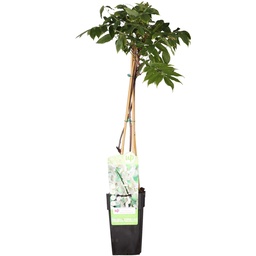
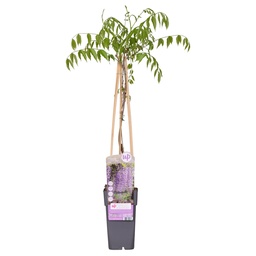
Japanese wisteria can add a vertical accent in a larger garden. Its flowers and growth habit suit an East Asian-inspired design, but its vigorous stems need a sturdy, dedicated support. Don’t let wisteria grow through the maple’s canopy. It can crowd the tree, shade its branches, and require regular pruning.
Possible companions include white Japanese wisteria
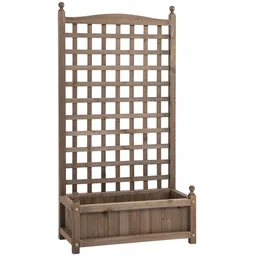
If your garden is small, avoid vigorous climbing plants and choose low-growing companions that won’t overtake the maple. A tree with enough room to grow makes a stronger impression than several plants competing for the same space. For more ideas on arranging a seating area, planting beds, and paths, browse the Garden + Outdoor category.
Extra tip
Take a photo of the maple from your favorite seating area and mark out the planned canopy width with string or stakes. This helps you spot early on whether paths, supports, or neighboring plants might block the view as they grow. Check the effect again in fall and winter, when the garden has a different structure.
A Japanese maple doesn’t need an elaborate setting to look at home in a Zen garden. The right location, well-draining soil, and light-touch care provide the foundation. Give the tree room, choose companions with similar growing requirements, and arrange stones and open spaces to showcase its natural shape. This approach creates garden design ideas that rely on clean proportions rather than decoration.
Frequently Asked Questions
- Where should I plant a Japanese maple?
- Choose a sheltered spot with light shade or gentle morning and evening sun. In hot, dry areas, afternoon shade helps protect the leaves from scorching. Avoid windy corners and spots where heat builds up against a south-facing wall.
- How often should I water a Japanese maple?
- Check the soil instead of watering to a set schedule. If the top layer is dry, water the root zone thoroughly. Japanese maples need more frequent watering in hot weather and when grown in containers. Let excess water drain away and avoid keeping the soil constantly wet.
- Can a Japanese maple grow in a container?
- Yes. Use a suitably large container with drainage holes and fresh, humus-rich potting mix that drains well. Check moisture more often than you would for a tree planted in the ground. In winter, place the container in a sheltered spot and insulate it to keep the root ball from freezing.
- When and how should I prune a Japanese maple?
- Prune only when there’s a specific reason, such as dead or crossing branches. Use clean tools to remove individual branches during the summer growing season. Heavy shaping can spoil the tree’s natural form and leave large wounds.
- Which plants go well with a Japanese maple in a Zen garden?
- Choose understated companions that enjoy similar conditions and won’t crowd the maple. Ferns, low-growing grasses, and suitable mosses add variety in leaf texture. Give larger climbers such as wisteria their own sturdy support, well away from the maple, so they don’t grow into its canopy.
You might also be interested in
- Maple Trees in the Garden: Varieties, Planting, and Care Tips
- Ginkgo in the Garden: Care and Location
- Growing a Bonsai: A Guide to Your Own Miniature Tree
- Pruning Ornamental Shrubs: How to Shape and Care for Your Plants
- Modern Garden Design: How Can I Create a Minimalist, Low-Maintenance Garden?
- Low-Maintenance Trees: Less Work, More Green in the Garden