
In short: A low-maintenance garden with a plentiful harvest starts with smart planning, the right choice of hardy plants suited to their location and time-saving techniques. Cover beds with mulch to reduce weeds and watering. Automate irrigation with soaker hoses. Use ergonomic tools that make gardening easier and protect your back.
Your own garden, filled with crisp vegetables, fragrant herbs and bright flowers – a dream. Reality often looks different: hours spent weeding, daily watering and back pain from digging. But there is another way. With the right strategies, you can transform your garden into an oasis that brings more enjoyment than work. Stress-free gardening is not a myth, but the result of smart planning and efficient methods.
Forget the idea that only hard work leads to a plentiful harvest. The key is to make natural processes work for you and invest selectively in the right helpers. This allows you to create a low-maintenance garden that leaves you time to enjoy it.
How do I plan a low-maintenance garden from the outset?
Every minute you invest in planning saves you hours of work later. A low-maintenance garden begins not with a shovel, but with a pencil. Analyze your property before buying your first seeds. This lays the foundation for years of gardening with minimal effort.
Choosing the right location
Observe the path of the sun across your property. Where is it sunny in the morning, where is there full midday sun all day, and where is it shady? Most vegetables need at least six hours of direct sunlight per day. Choose plants that suit the light conditions instead of trying to change the conditions for the plant. This saves you disappointment and unnecessary maintenance.
Plant selection for minimalists
Choosing the right plants is crucial for simplifying garden work. Choose hardy, low-maintenance varieties.
- Perennial plants instead of annuals: Perennials such as hostas, lavender and lady’s mantle come back on their own every year. This saves you from buying and planting them annually.
- Native plants: Species native to your region are perfectly adapted to the climate and soil. They are more resistant to pests and diseases.
- Drought-tolerant species: Plants such as sedum, mullein and many Mediterranean herbs can survive longer dry periods without daily watering.
- Ground covers: Instead of laboriously keeping bare soil free of weeds, plant ground covers such as periwinkle (Vinca minor) or cranesbill (Geranium). They form dense carpets and suppress weeds all by themselves.
The soil is the soul of the garden. Those who care for it rather than simply use it are rewarded with abundant harvests and healthy plants without having to intervene constantly.
Designing paths and areas intelligently
Lawns are extremely high-maintenance. They require regular mowing, fertilizing and scarifying. Reduce the lawn area to a minimum and replace it with perennial beds, wildflower meadows for insects or paved areas. Make paths wide enough and edge beds with lawn edging stones. This makes mowing easier and prevents grass from spreading into the beds.
Which techniques dramatically reduce the workload?
Smart gardeners don’t work harder—they work smarter. Some techniques have proven to be real time-savers. They not only protect your back, but also improve the health of your garden.
Mulching: The lazy gardener’s best friend
Mulching is perhaps the most important technique for a low-maintenance garden. A layer of organic material on your beds offers several benefits:
- Suppresses weeds: The mulch layer blocks light, so most weed seeds do not germinate in the first place.
- Saves water: The cover protects the soil from drying out. You need to water much less often.
- Feeds the soil: Organic mulch such as grass clippings, leaves or bark chippings slowly decomposes and releases valuable nutrients into the soil. This activates soil life.
Apply a 5-7 cm layer of mulch to your beds, but leave a small area around the plant stems uncovered to prevent rot. A sturdy garden fleece is suitable as the bottom layer to combat persistent root weeds.
Pro tip
Use unprinted cardboard as the first layer beneath the mulch. It effectively suppresses even persistent weeds such as quackgrass or ground elder. The cardboard decomposes over time and attracts earthworms that improve the soil. Simply lay it out, water it thoroughly and then spread the mulch over it.
Soil preparation without digging (no-dig gardening)
Annual, labor-intensive digging is outdated. The “no-dig” method protects your back and the delicate ecosystem in the soil. Instead of turning over the soil, build it up from the top. Place a layer of cardboard over the existing turf and cover it with at least 10-15 cm of good compost. You can plant directly into this compost layer. Microorganisms and earthworms do the work and draw nutrients deep into the soil.
Gardening without digging means working with nature to create fertile soil. It saves time, reduces weeds and improves soil health.
How do I automate garden watering effectively?
The daily task of carrying watering cans or handling a garden hose takes up time and energy. Automated garden irrigation is one of the best investments for time-saving gardening.
Drip irrigation and soaker hoses
Forget sprinklers that distribute water indiscriminately and waste a great deal through evaporation. Drip hoses or soaker hoses release water slowly and directly at the plants’ roots. This is highly efficient and offers further benefits: The leaves stay dry, which dramatically reduces the risk of fungal diseases such as powdery mildew. The water penetrates deep into the soil and encourages strong root growth.
Important note
Check your automatic irrigation system at the start of the season and at regular intervals thereafter. Make sure all emitters are clear and that animals have not damaged any hoses. A blocked nozzle can quickly cause a plant to dry out.
Timers and rain sensors
Combine your drip system with a simple timer. This allows you to schedule watering for the early morning, when evaporation is lowest. You will never have to remember it again. A rain sensor makes the system even smarter: It automatically stops watering when enough rain has fallen. This saves water and prevents your plants from “drowning.”
Which tools really make gardening easier?
Good garden tools are not a luxury but a necessity if you want to save time and effort. Invest in quality and ergonomic design instead of struggling with cheap, awkward equipment.
Ergonomics is everything
Tools with long handles protect your back. Instead of working bent over, you can complete many tasks standing upright. A perfect example of thoughtful design is a standing dustpan and brush set such as the
. Use it to sweep patios, paths or the greenhouse comfortably while standing. No bending down and no dirty hands. The same principle applies to weed pullers and joint cleaners with telescopic handles.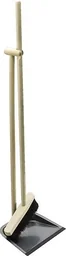
Multifunctional helpers
Some tools really can do it all. A powerful wet and dry vacuum such as the
is not just a workshop hero. In autumn, it effortlessly vacuums leaves from paths and patios. After repotting plants on the patio, spilled soil is cleared in no time, and it can even unblock drains with its blow function.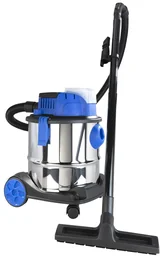
Additional tip
A clean, sharp tool cuts effort in half. Take five minutes after each use to maintain your tools. Remove soil from spades and rakes, and sharpen the blades of your secateurs regularly. Well-maintained tools last longer and make gardening much more enjoyable.
Harvesting and tidying up with ease
The harvest is your reward for all your hard work. Make things easier for yourself here, too. A lightweight and sturdy harvest basket such as the
is ideal for collecting fruit and vegetables. Thanks to its open design, you can wash your harvest directly in the basket, while excess soil simply falls through. This saves you an extra step and keeps the kitchen clean.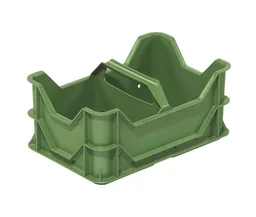
Conclusion: Less work, more time in the garden
A flourishing, productive garden and outdoor space does not have to be a full-time job. The key to low-effort gardening lies in combining smart preparation, natural processes and the right tools. Start with a small, manageable project. Create a no-dig bed, mulch it carefully and plant hardy perennials. You will be amazed at how much grows while you sit back and relax. Enjoy the fruits of your clever work, not the effort.
Frequently asked questions
- What are the best plants for a low-maintenance garden?
- Choose perennial plants, native wildflowers and drought-tolerant herbs such as lavender or sage. They are adapted to the local climate, need little care and return year after year. Ground cover plants such as periwinkle or cranesbill are also ideal because they suppress weeds.
- How can I prevent weeds in the garden with minimal effort?
- Mulching is the most effective method. A thick layer of bark mulch, straw or grass clippings on your beds blocks sunlight and prevents weed seeds from germinating. Mulch also helps retain moisture in the soil. Laying garden fleece underneath can enhance the effect.
- Does a low-maintenance garden still need watering?
- Less, but usually not none at all. Established, drought-resistant plants only need watering during long periods of hot weather. An automatic drip irrigation system delivers water directly to the roots. This saves water and time while preventing fungal diseases on the leaves.
- What role does soil play in a low-maintenance garden?
- Healthy, humus-rich soil is the foundation of everything. It stores water and nutrients more effectively, minimising the need for watering and fertilising. Improve your soil with compost and avoid digging deeply to protect valuable soil life. The no-dig method is ideal here.
- What is the most important tip for gardeners with little time?
- Work with nature, not against it. Observe your garden and learn about its conditions. Choose plants that are suited to the location. A small, well-planned area that you can enjoy is better than a huge garden that overwhelms you. Less is often more.
You may also be interested in
- Low-maintenance vegetable garden: Little effort, an abundant harvest
- Efficient gardening hacks
- Smart household tips for the garden and home
- Make gardening easier: 10 clever tips for garden bags
- Efficient harvesting: The best helpers and tips for your garden
- Give your garden a creative makeover: Ideas for little effort and a small budget